

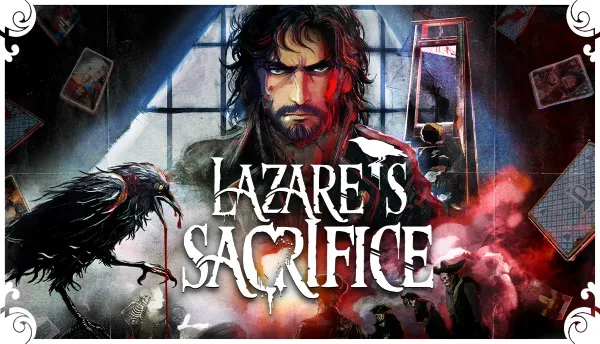
Lazare's Sacrifice, a narrative-focused deck-building game from developer Dream Reality Interactive and publisher Curve Games, has been announced for PC. Planned for launch in Spring 2027, the game sends players into the turmoil of the French Revolution, where a single night in Carmes Prison becomes a fight for survival against both political terror and a merciless game of cards.
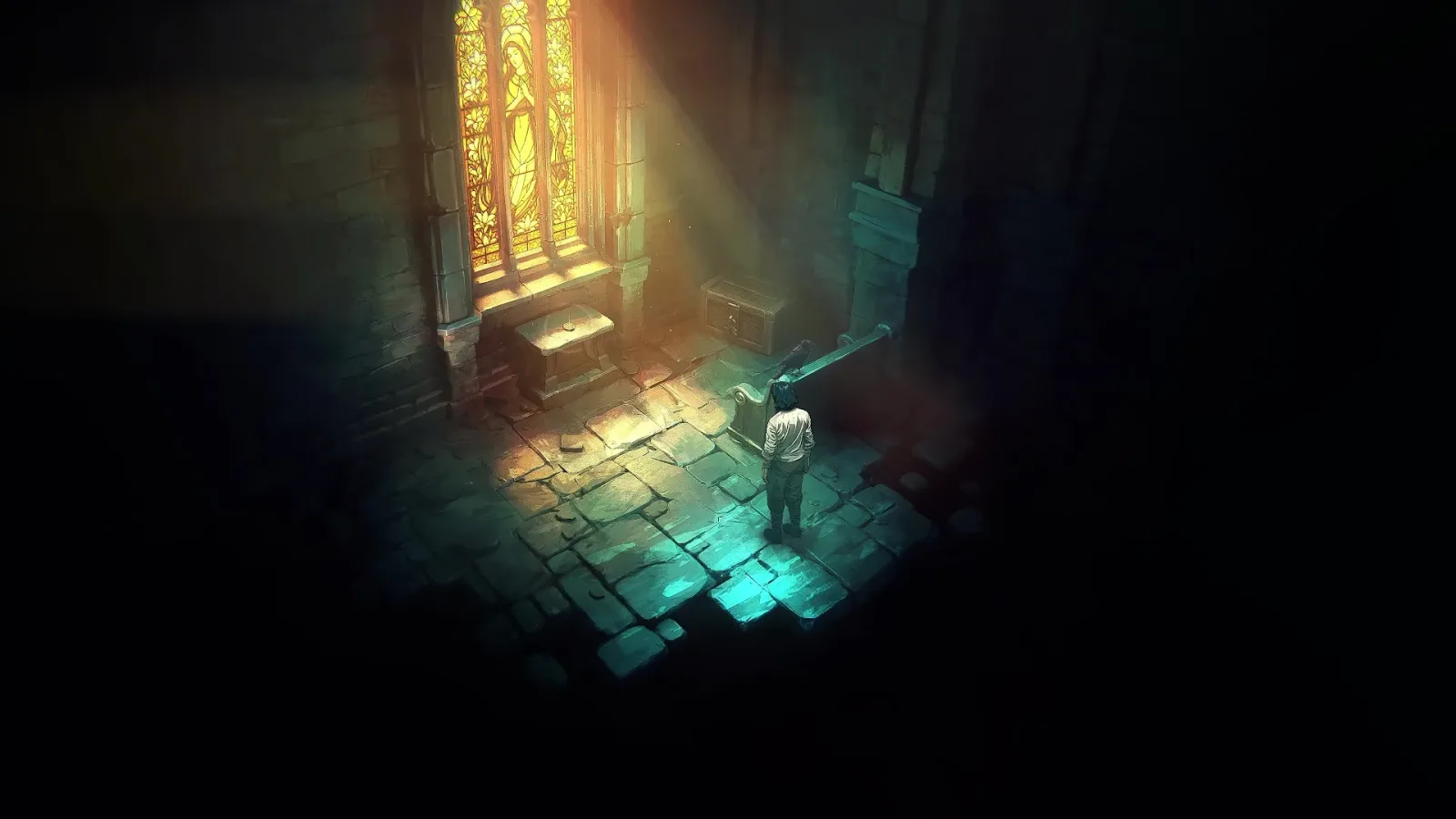
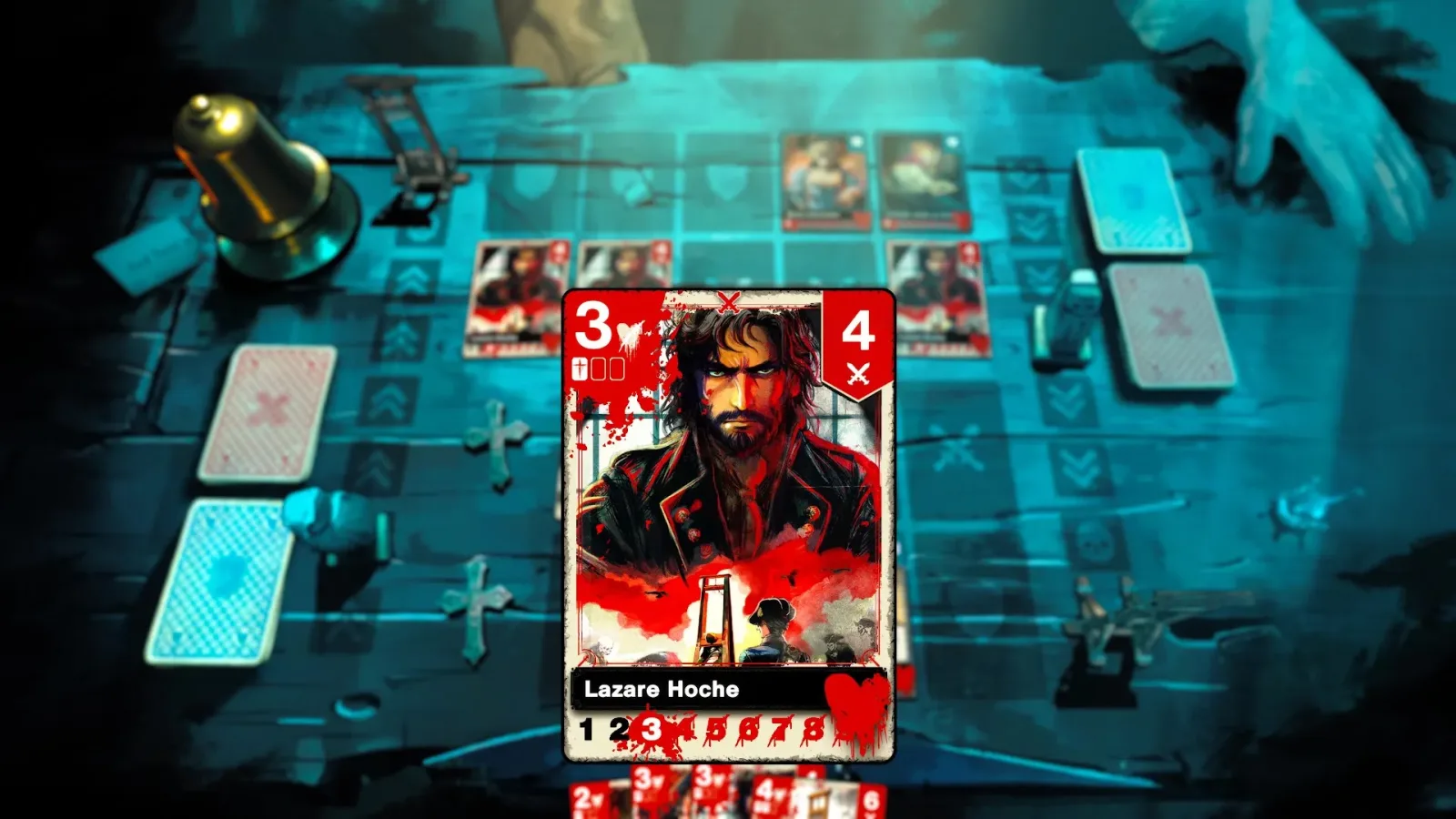
The newly announced title stars Lazare Hoche, who must find a way to make it through the night and escape the threat of the guillotine. Rather than presenting its historical setting as a simple backdrop, Lazare's Sacrifice places its central conflict inside the prison itself. Its card battles are tied to an unfolding mystery, with players exploring Carmes Prison, confronting distorted versions of historical figures, and uncovering the secrets surrounding the deadly contest they have been drawn into.
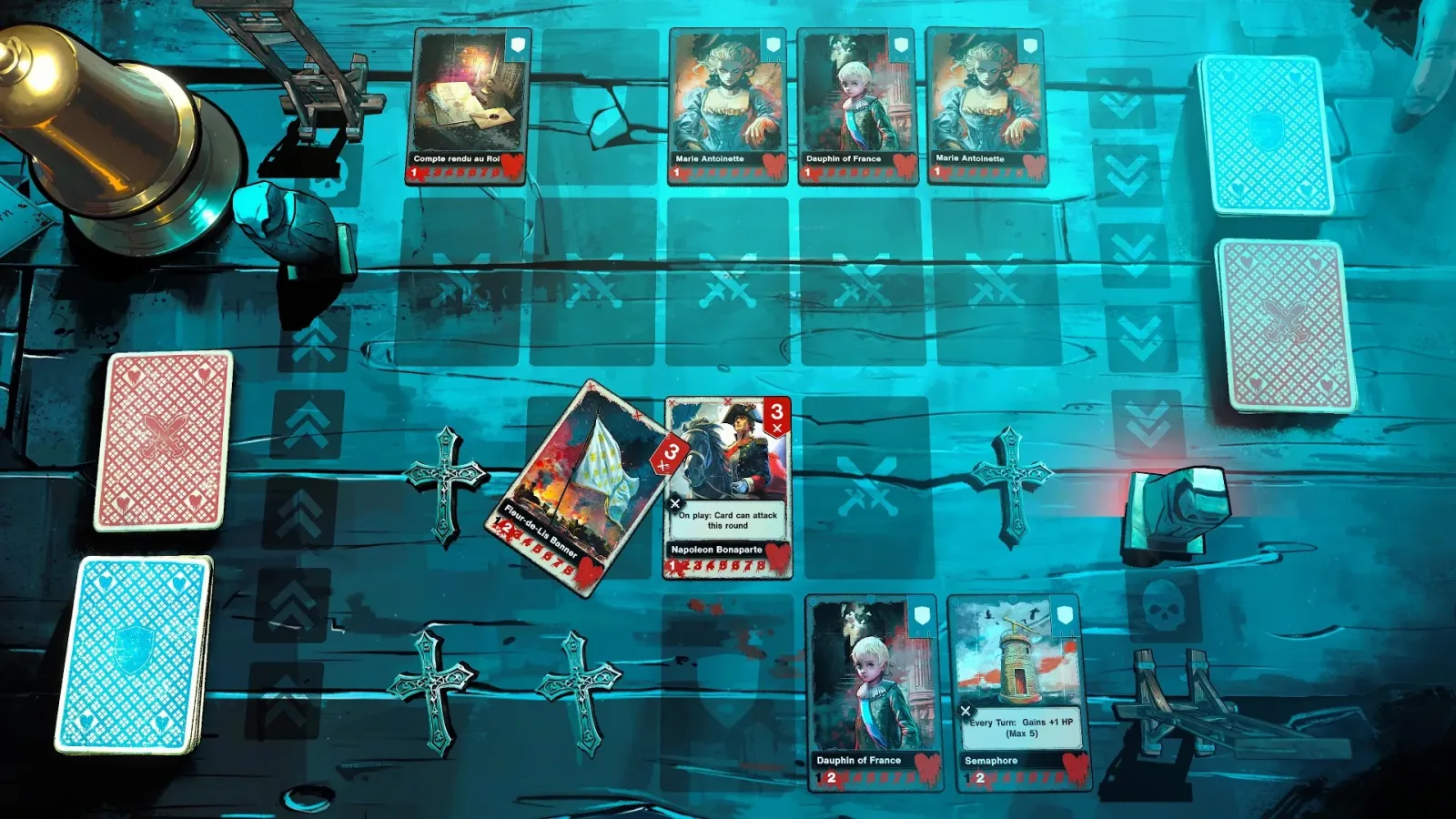
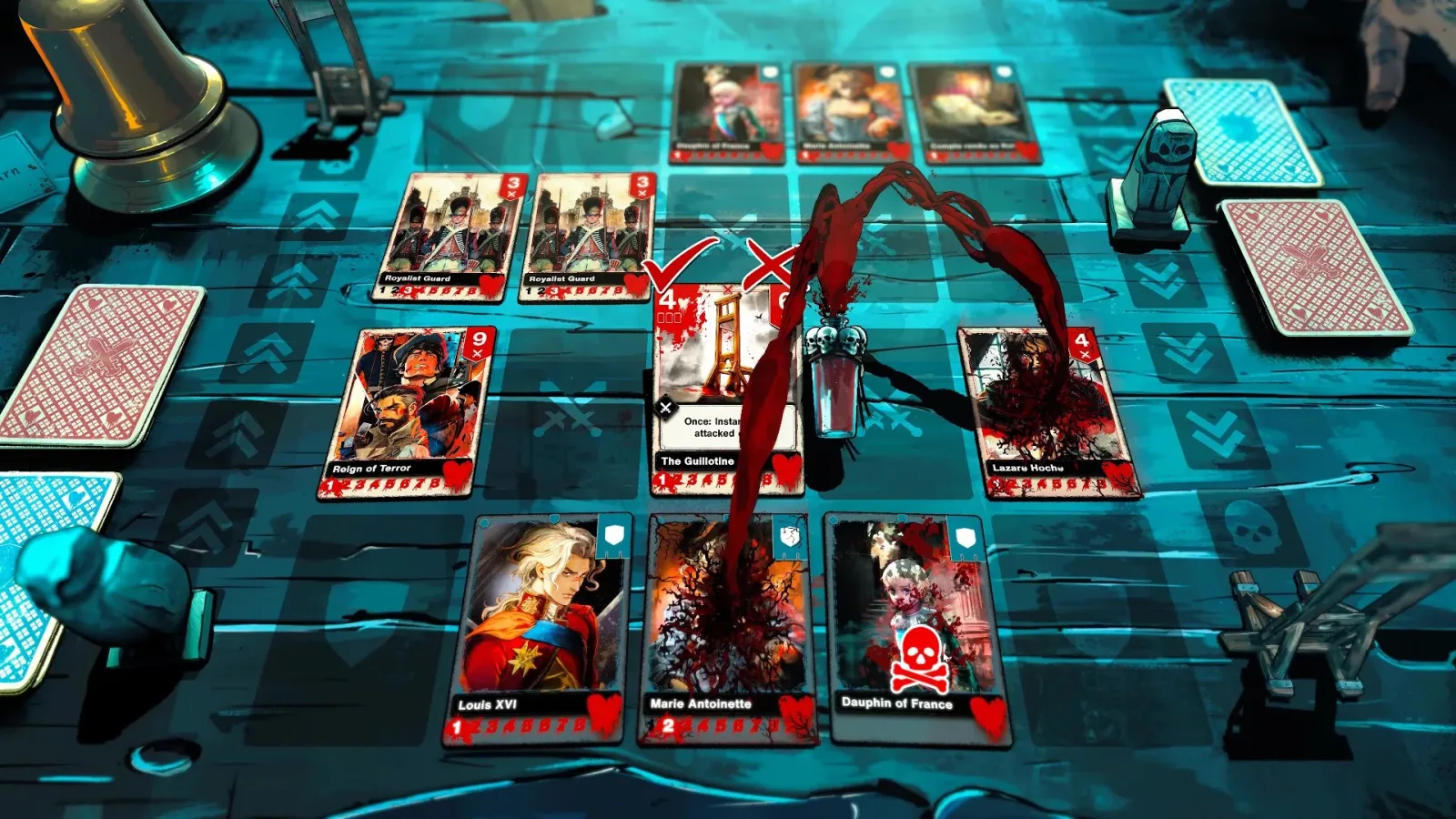
While deck builders often reward careful accumulation of cards, energy and other resources, Lazare's Sacrifice is built around a more punishing idea: power must be bought through sacrifice. Players will need to surrender cards, lose room on the board, or spend their own health to call forth stronger forces and unlock potentially match-defining moves. The promise is a strategic game in which every advantage can come with a cost severe enough to end a run if handled carelessly.
A prison escape shaped by cards and consequences
Carmes Prison provides the setting for the game's blend of narrative exploration and tactical play. The French Revolution remains one of history's most volatile periods, and Lazare's Sacrifice uses that instability to frame a high-pressure survival story. The player's goal is not merely to win an isolated card match; it is to survive the night, avoid execution and piece together what is happening behind the prison's walls.
For useful background on this topic, read Pony Island 2: Panda Circus Opens Steam Playtest Sign-Ups Ahead of 2027 Launch.
Dream Reality Interactive has described the project as a narrative-driven deck builder, suggesting that investigation and character encounters will be an important part of the experience alongside its combat system. The prison is expected to serve as the key space for that storytelling, giving players a location filled with prisoners, political factions and mysteries to pursue.
The game will feature twisted historical personalities from the Revolution, each with their own secrets and gameplay approach. That setup should give its opponents more identity than a conventional sequence of card-battling encounters. Different adversaries can challenge players to reconsider how their deck functions, especially when a strategy that works against one faction or rival may be much less effective against another.
There are four distinct factions to master. Specific details about all four have not yet been revealed, but their inclusion points to a structure where players will need to understand different styles of play instead of relying on one universal route to victory. In a deck builder centered on costly decisions, faction differences could have a major impact on whether cards, health or board space are the most valuable resources at a given moment.
Sacrifice is the game's defining resource
The central mechanic in Lazare's Sacrifice is deliberately uncomfortable. Stronger plays require players to actively give something up. Sacrificing a card can mean losing a useful option for future turns. Giving up a board slot may limit the number of forces that can be maintained in play. Bleeding health creates an immediate danger, particularly if an opponent is ready to capitalize on a weakened position.
These are not passive penalties or abstract numbers removed from the action. They are direct compromises that reshape the battlefield and the contents of a player's deck. A powerful summon may be worth the loss of a card that would have been valuable later. A devastating move may turn a losing battle around, but the health required to activate it could leave Lazare exposed. The intended tension comes from deciding when a sacrifice is necessary and when it is simply too dangerous.
"Every strategic choice has a weight to it," said Dream Reality Interactive CEO Dave Ranyard.
That philosophy fits a setting defined by desperate choices. Lazare's Sacrifice is positioning itself as a deck builder where the safest-looking path is not always enough to survive, yet chasing the strongest possible play carries its own risks. Players will be asked to calculate not only what they can gain in the current encounter, but what they can afford to lose for the rest of a run.
This could distinguish the game from systems that make powerful effects depend only on accumulating mana or waiting for a cooldown. Here, the currency of strength is tied to the tools and survivability players need to continue. A sacrifice may create an exciting opening, but it can also reduce future flexibility. The more a player leans into high-cost plays, the more carefully they may need to build the rest of their deck around recovering from those decisions.
Building a deck through scavenging
Deck expansion will include scavenging, allowing players to search for ways to develop their available card pool as they progress. In the context of Carmes Prison, scavenging also fits the game's survival theme: every useful resource may be something found, taken or won while navigating a hostile environment.
How scavenging will interact with the story and exploration elements has not been fully detailed. However, it creates an important bridge between the narrative side of Lazare's Sacrifice and its strategic systems. Discoveries made during exploration may influence the type of deck a player is able to build, while a carefully assembled deck may in turn determine which dangers can be overcome in later encounters.
The deck-building loop will therefore not be about collecting powerful cards in isolation. A new card is only useful if it works with a player's faction, available board room, health total and willingness to make sacrifices. A card that appears expensive may be ideal for a strategy designed around spending health. Another may become far less attractive if it requires removing a board slot that is essential to a summoning-focused build.
That interdependence could encourage players to think beyond simple rarity or raw damage. The most effective deck may be one that has reliable ways to pay its costs, preserve its critical pieces and change plans when the prison's inhabitants force a different kind of confrontation.
Story Mode and Tower Mode offer different challenges
Lazare's Sacrifice will include a Story Mode and a separate Tower Mode. Story Mode is the narrative-led route through the game's prison setting, where players can expect the mystery of Carmes Prison and Lazare Hoche's struggle to remain central. It is the mode most closely tied to the game's historical premise, characters and exploration elements.
Tower Mode, meanwhile, is described as a custom-deck gauntlet. This mode should provide a more focused test of deck construction and battle knowledge, allowing players to put a chosen build through a demanding sequence of challenges. For players who enjoy refining strategies after learning a card game's systems, the mode could become a place to experiment with faction combinations, sacrifice patterns and different ways of managing limited resources.
The two-mode structure suggests that Lazare's Sacrifice is aiming to accommodate both audiences drawn to its mystery and those interested in repeatable strategic challenges. Story Mode can provide the context for why these card battles matter, while Tower Mode can give the underlying mechanics room to stand on their own.
A collaboration with Gwent experience
The game is being co-designed with Damien Monnier, the creator of Gwent. That involvement is notable for a project where board management, faction identity and tactical card interactions appear to be especially important. Lazare's Sacrifice is not being presented as a version of Gwent, but Monnier's experience aligns with its emphasis on meaningful placement, difficult trade-offs and distinct playstyles.
Curve Games VP Publishing Rich Keen said the publisher was excited to bring Lazare's Sacrifice to players in Spring 2027. For now, the announcement establishes the broad shape of a PC game that combines historical fantasy, prison-bound mystery and card combat with unusually tangible costs.
More details on the game's factions, exploration structure, individual historical characters and the full rules behind its sacrifice system will be needed before players can see exactly how the deck builder takes shape. Still, its premise is already clear: surviving the French Revolution's darkest pressures will require more than finding the right card. Players will have to decide what they are willing to give away to play it.
Lazare's Sacrifice is currently planned for PC in Spring 2027.

Community
Discussion
Start the conversation.
No comments have been posted yet.