

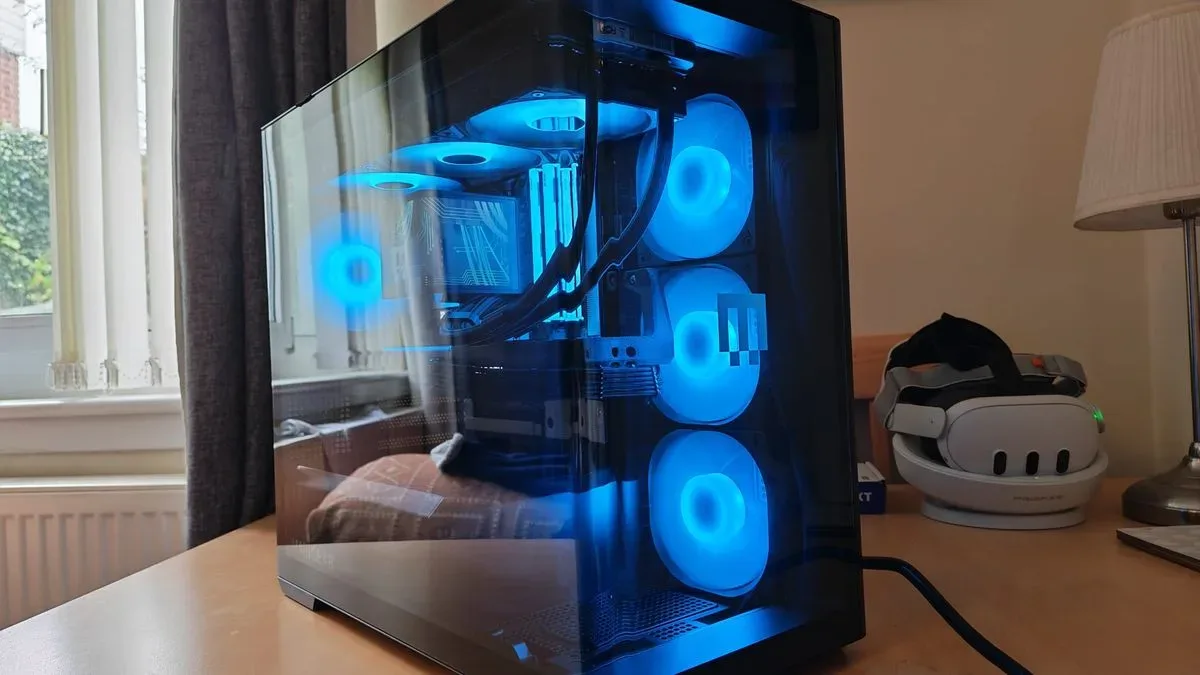
Buying a new gaming desktop in 2026 is difficult for a simple reason: premium PC components remain extraordinarily expensive. That reality makes a prebuilt system's overall execution more important than ever. If buyers are being asked to spend thousands of dollars on a new machine, they reasonably expect more than a powerful graphics card inside an ordinary case. They want careful assembly, sensible component choices, quiet cooling, useful support and a design that feels special.
Maingear's revived Zero Mk.2 is aimed squarely at that high-end expectation. The company's Zero range briefly disappeared after its initial 2024 debut, but it has returned alongside an updated MG-1 flagship lineup. The Mk.2 doubles down on the original system's defining idea: use a rear-connect motherboard layout to keep the main chamber nearly free of visible cables. This is still a premium prebuilt with a premium price, but the new model appears to make a persuasive case for enthusiasts who want a desktop that is as much a centerpiece as it is a gaming tool.
A showcase chassis built around clean presentation
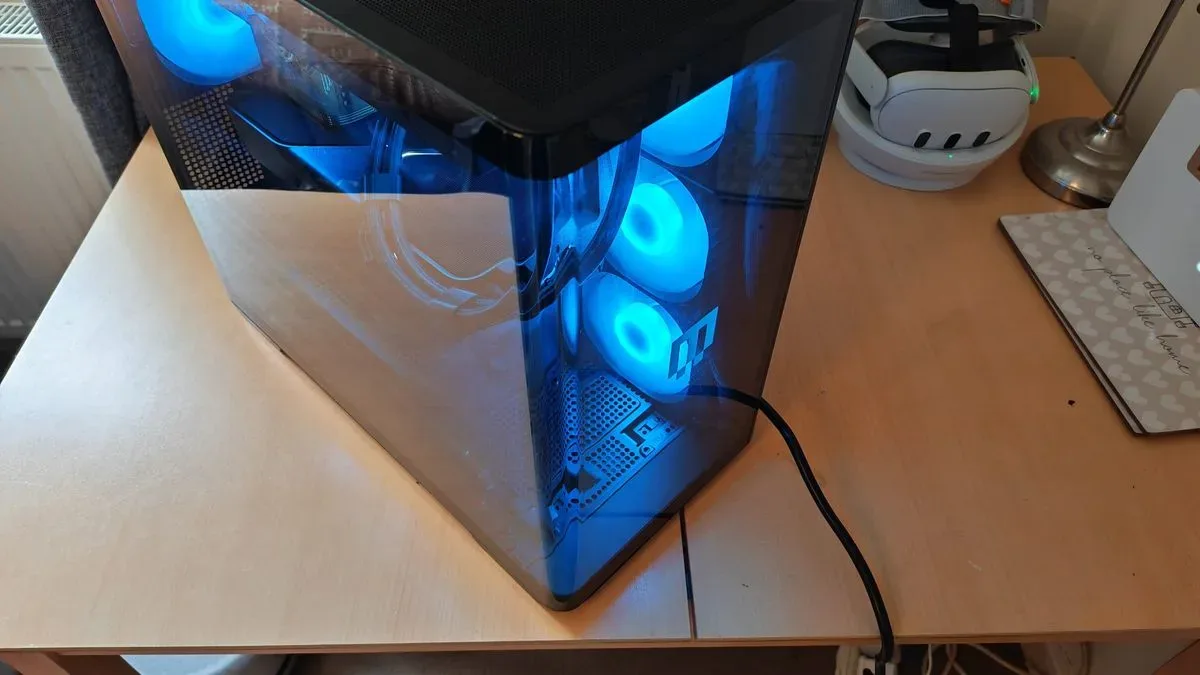
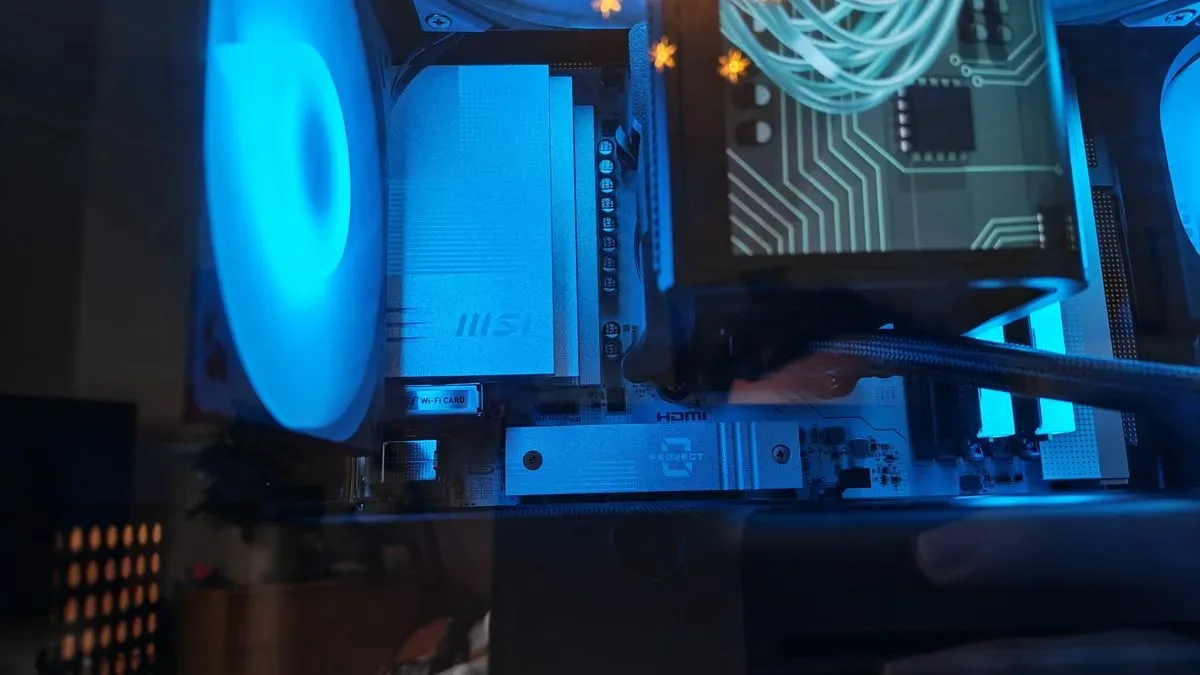
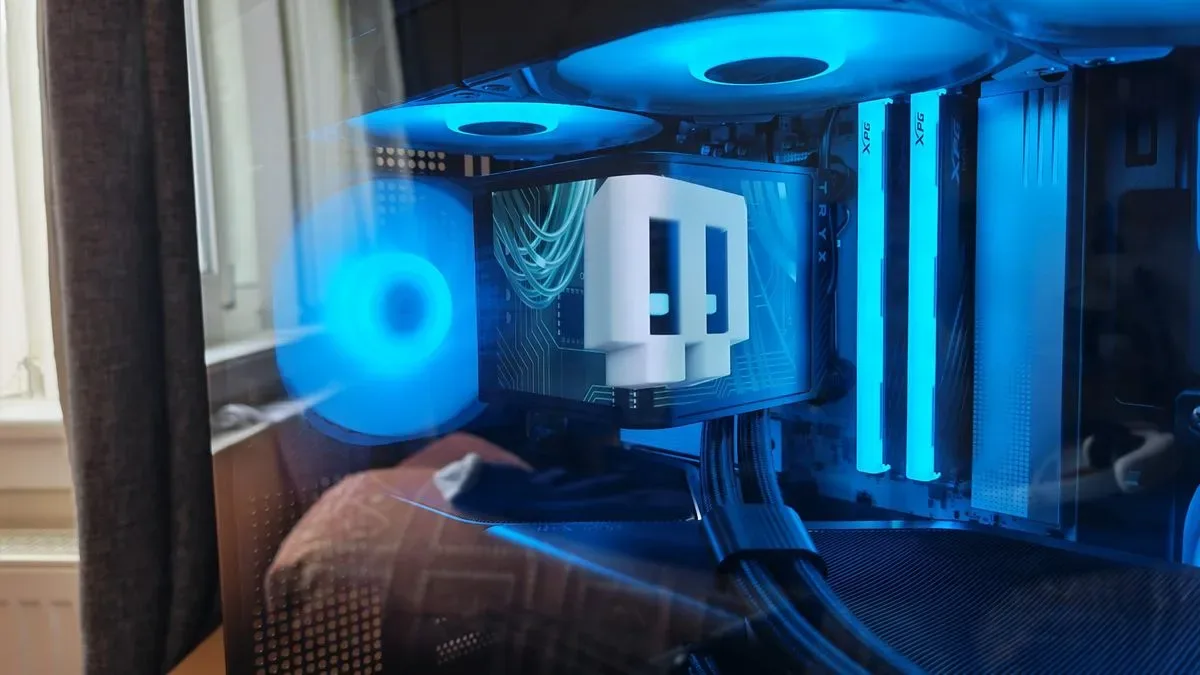
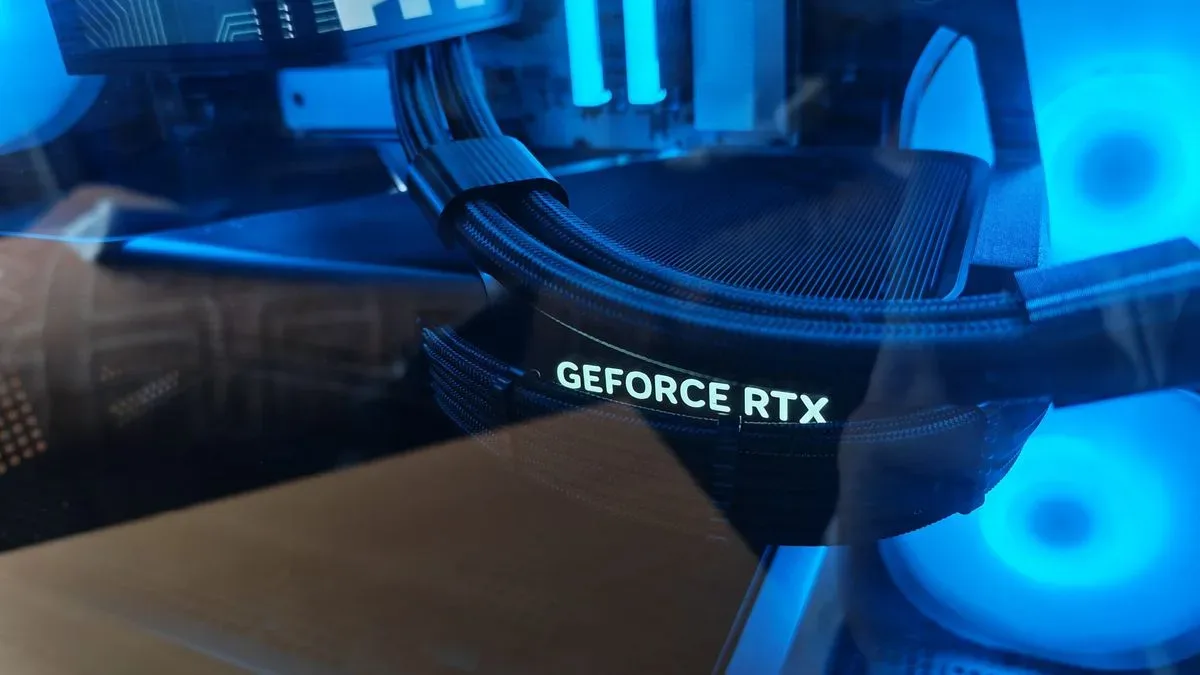
The Zero Mk.2's most immediate strength is its appearance. Its panoramic glass enclosure puts the internal hardware on display, while the cable-free presentation makes the machine look unusually polished from almost every viewing angle. The glass has been described as reflective enough to complicate photography, but that same property should be an advantage in a home setup: it creates a sleek, highly reflective showcase for the components rather than hiding them below a desk.
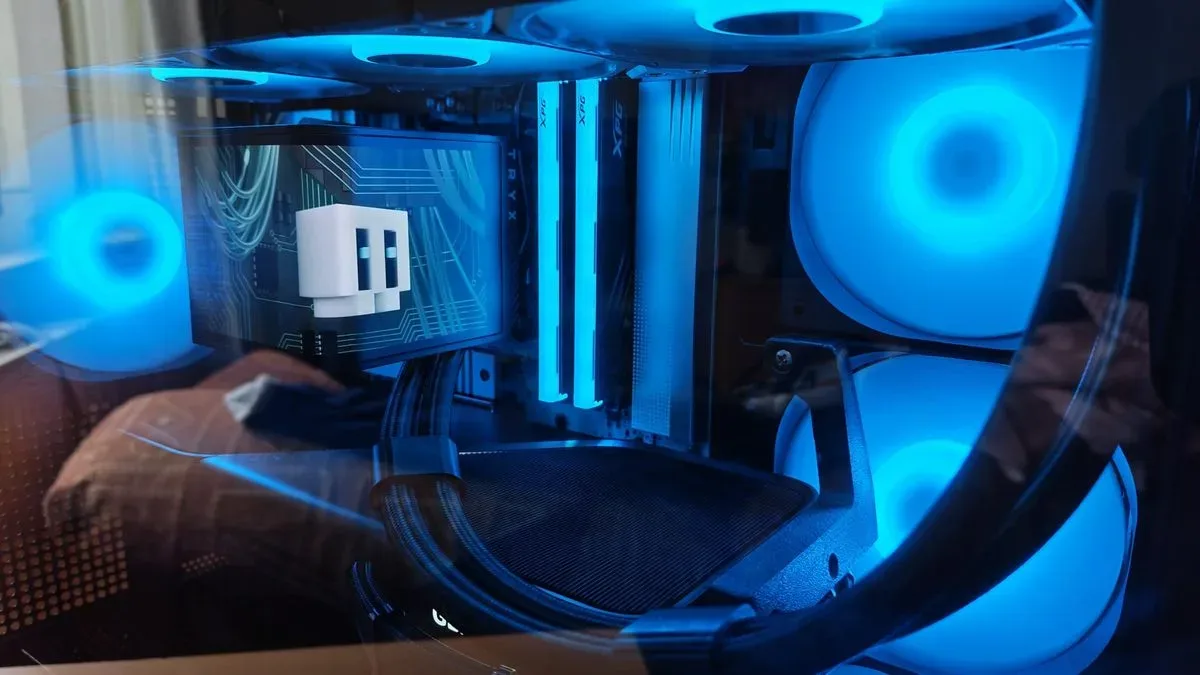
That presentation is helped by a visible all-in-one liquid cooler display, seven preinstalled fans and an exceptionally tidy assembly. The overall effect is deliberately futuristic, but the important part is that the visual design does not seem to rely on one flashy component. The case, cooler, fan arrangement and rear-mounted connections all contribute to a unified look.
For useful background on this topic, read GTA 6 Players Reach Jason and Lucia's Maximum Weight, but Modders May Go Further.
Unlike the first Zero, which used MSI's MAG Pano M100 PZ chassis, the new model uses a Maingear-designed Zero Mk.2 case. It draws on trends seen across the market, including curved and panoramic glass designs, but the chassis is not simply an oversized display box. It is described as a compact mATX-sized design capable of accommodating ATX boards, giving it more placement flexibility than many hulking high-end desktops. It should fit on a desk, in a tighter gaming room or in another visible location without dominating the entire space.
That size is notable because a glass-heavy case can often look larger internally than it really is. Maingear has apparently managed that illusion here without turning the Zero Mk.2 into a full tower. For buyers who want high-end hardware but do not have room for an enormous chassis, that balance is a meaningful selling point.
Build quality goes beyond the headline components
Many prebuilts attract buyers with a powerful CPU and GPU, then quietly save money on the less glamorous pieces. Memory, storage, cabling, mounting hardware and quality control can receive less attention. The Zero Mk.2 seems to take the opposite approach, with an emphasis on premium supporting components and clean physical construction.
The review unit was inspected closely and reportedly showed none of the small mistakes that can undermine confidence in a prebuilt: poorly selected GPU supports, fan interference, messy wiring or mounting choices that make future maintenance frustrating. A checklist in the packaging indicates that the machine has been built and stress-tested before delivery.
There is also an apparent improvement over the original Zero's GPU bracket design. The older system's support hardware reportedly made a basic SSD upgrade more cumbersome because access required significant graphics-card and faceplate disassembly. The Mk.2 is said to address that issue, making the interior more practical even while preserving its immaculate presentation.
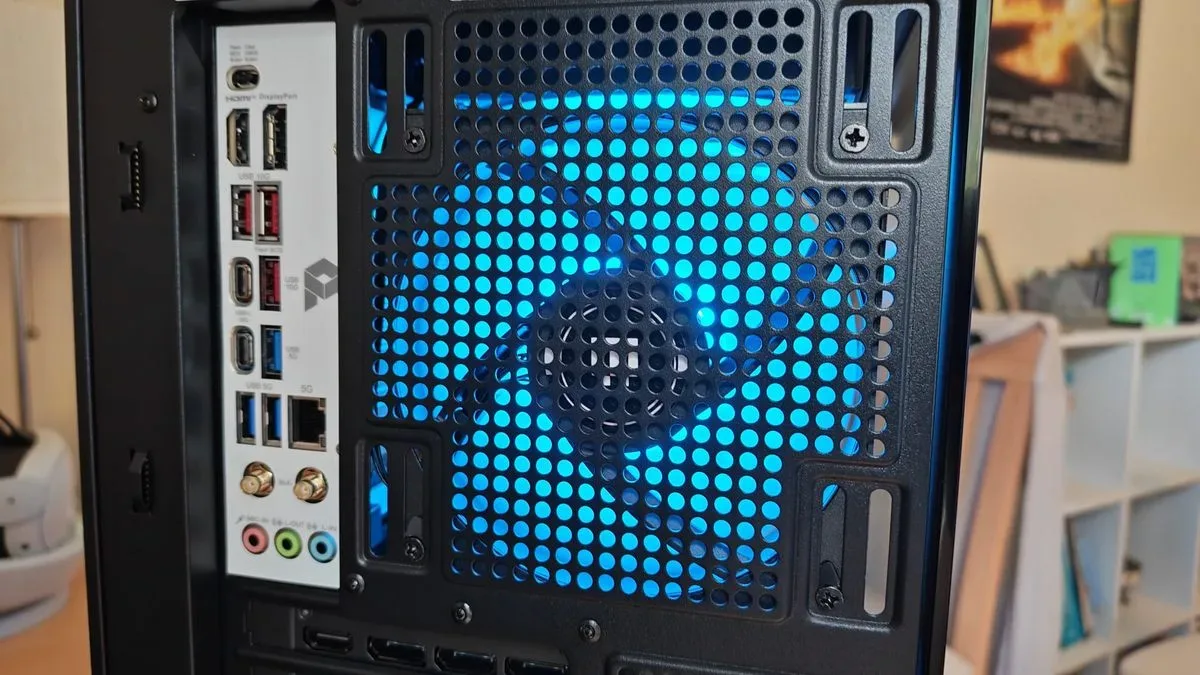
Still, buyers should consider the trade-off inherent in a rear-connect system. The cable-free look depends on a less conventional motherboard arrangement, and that can complicate do-it-yourself upgrades. Online guides generally assume standard front-facing connections and familiar cable routes. Anyone comfortable building PCs can likely work through those differences, but newer owners may find future upgrades more intimidating. There is also a risk that changing components will disrupt the very clean cable management that makes this machine stand out.
Configurations range from expensive to extreme
The Zero Mk.2 is configurable across a broad performance range, but none of its options are positioned as budget hardware. The entry point was listed at $2,988, with an Nvidia GeForce RTX 5060 Ti with 8GB of memory, an AMD Ryzen 5 9600X, 32GB of RAM and a 2TB SSD. Maingear also offers a bring-your-own-RAM option that could reduce the starting cost somewhat.
At the other end, the Amethyst configuration closest to the reviewed machine was listed at about $7,299. That puts it well beyond the level of expenditure most PC gamers will consider reasonable, particularly during a period of inflated memory and storage costs. An Elite version with an RTX 5080 is also part of the range, while the named prebuilt versions were sold out at the time covered here. Buyers could still use the company's configurator to order a tailored system.
The supplied review machine was listed with an RTX 5090, 32GB of XPG DDR5 memory, a TeamGroup storage drive, Maingear's 360mm Epic AIO cooler and a Ryzen 7 9850X3D. Its stated motherboard information identified an MSI Pro B860M-A WiFi and B860 chipset, a combination that warrants clarification because B860 is generally associated with Intel platforms while the quoted processor is AMD. Maingear's available configurator options reportedly include both AMD gaming CPUs and Intel Core Ultra 200S Plus processors, so prospective buyers should verify the exact board, chipset and memory included with their chosen configuration before ordering.
Memory branding may vary as well. While the test unit used XPG RAM, the advertised systems were said to use Kingston Fury memory. That does not inherently indicate a performance problem, but it means benchmark results from one supplied sample should not be treated as a guarantee for every configuration.
RTX 5090 results are predictably enormous
The tested system is a showcase configuration, and its benchmark results reflect that. In Cinebench, it reached 5,605 points in multi-thread testing and 761 points in single-core testing. Its 3DMark results included 36,896 in Time Spy, 66,029 in Fire Strike and 140.94 frames per second in Steel Nomad.
Storage performance was also strong. CrystalDiskMark recorded sequential read speeds of 7,387 MB/s and writes of 6,769 MB/s, squarely in the range expected of a quality PCIe Gen 4 NVMe SSD. The AIDA64 memory reading reached 59,228 MB/s, with timings listed as 30-36-36-76 at 6,000MT/s. These figures reinforce the impression that the Zero Mk.2 is not cutting corners on its SSD and RAM simply to advertise a top-tier GPU.
It is crucial to keep those figures in context. The RTX 5090 version is an extraordinarily expensive system, and buyers selecting an RTX 5060 Ti or RTX 5080 should not expect identical results. The RTX 5090 itself is excessive for many conventional gaming needs and is also relevant to demanding professional, AI and content-creation workloads. Its presence makes this particular review unit a poor representation of the entry configuration, even if it demonstrates the maximum performance ceiling Maingear can offer.
Cooling and noise matter as much as raw speed
High-end glass cases can sometimes sacrifice airflow in pursuit of looks. The Zero Mk.2's thermal behavior suggests Maingear has avoided that pitfall. During 3DMark Time Spy, the Ryzen processor reportedly peaked at 69 degrees Celsius, while the RTX 5090 reached 73 degrees Celsius. The graphics card ran warmer overall than the CPU, which is not surprising given the class of hardware involved, but the 360mm AIO cooler appears to have kept the processor under control during heavy loads.
Just as important, the system was described as quiet during strenuous testing. Its fans did not become a notable distraction from below the desk. For a system designed to sit visibly on a desktop, rather than disappear under it, low noise is a major part of the experience. A beautiful PC is less appealing if it constantly announces itself with aggressive fan noise.
Service is part of the premium proposition
The Zero Mk.2's price is difficult to ignore, and there are undoubtedly competing builders that can provide attractive systems with strong thermals for less money. Maingear's argument is that its premium covers more than specifications. The company offers lifetime service and repair support, with the machine's identifying label and number allowing later owners to contact support even if the PC has been passed on or sold.
The out-of-box experience also appears thoughtfully handled. The system arrives with inner and outer packaging, expandable foam that can be retained for transport or a potential return, setup guidance and minimal extra software beyond what Windows includes. For buyers who do not want to assemble, cable-manage or troubleshoot a powerful PC themselves, those details have real value.
Verdict: a luxury prebuilt for buyers who value the whole package
The Maingear Zero Mk.2 is not an easy recommendation for every gamer. Its cost is formidable, its most impressive benchmark figures belong to a spectacularly expensive RTX 5090 configuration, and its rear-connect layout may be less approachable for future DIY upgrades. A less expensive prebuilt can still deliver excellent gaming performance, appealing styling and capable cooling.
But for buyers seeking a no-compromise display PC, the Zero Mk.2 makes a strong impression. It combines a compact footprint with a genuinely striking cable-free interior, quality components, quiet cooling, thorough packaging and substantial service support. The return of the Zero range appears to be more than a cosmetic refresh: it is a refinement of the original concept into a system that prioritizes both performance and presentation. If the goal is to buy a gaming desktop that performs like premium hardware and looks like it belongs at the center of the room, Maingear's latest Zero is a compelling, if costly, option.
Community
Discussion
Start the conversation.
No comments have been posted yet.