

Mass Effect 2 begins by doing something extraordinarily bold for a major sequel: it destroys the symbol of everything that came before. The Normandy SR-1, the ship that carried Commander Shepard and their squad through the first game, is ripped apart in the opening minutes. Shepard dies, the familiar status quo is gone, and BioWare makes it clear that this will not be a cautious continuation of the first adventure.
That opening is still startling because it is not merely spectacle. It communicates a creative decision. Mass Effect had introduced an expansive original universe, a galaxy full of alien cultures, ancient mysteries, political disputes, and the looming terror of the Reapers. But its sequel understood that potential alone was not enough. The series needed to become more immediate, more exciting, and, crucially, more personal.
Mass Effect 2 did not discard the original game's foundations. Returning players could import a Shepard and bring forward decisions, relationships, credits, and experience-related benefits. Continuity mattered. Yet the sequel also treated itself as an overhaul, revising movement, combat pacing, character progression, mission design, and the emotional shape of the story. It retained the promise of a player-led sci-fi saga while delivering it with much greater confidence.
A sequel willing to change everything
The first Mass Effect was an ambitious action RPG with a distinctive dialogue system and a huge amount of lore. Its sense of scale was impressive, and its central mysteries gave the galaxy an enticing sense of history. At the same time, the road between its strongest story moments could be uneven. Combat often felt rigid, planetary exploration could become repetitive, and too many side activities lacked the dramatic energy of the main plot.
For useful background on this topic, read Katana Zero's Free DLC Has Grown to the Size of a Full Sequel.
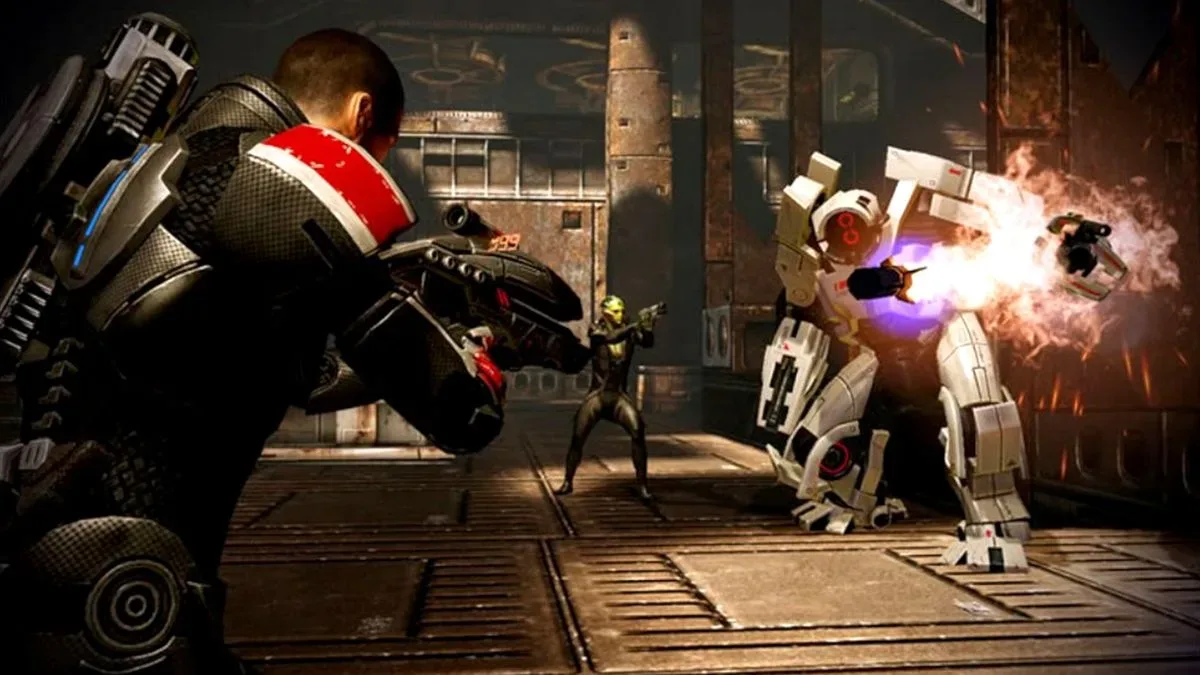
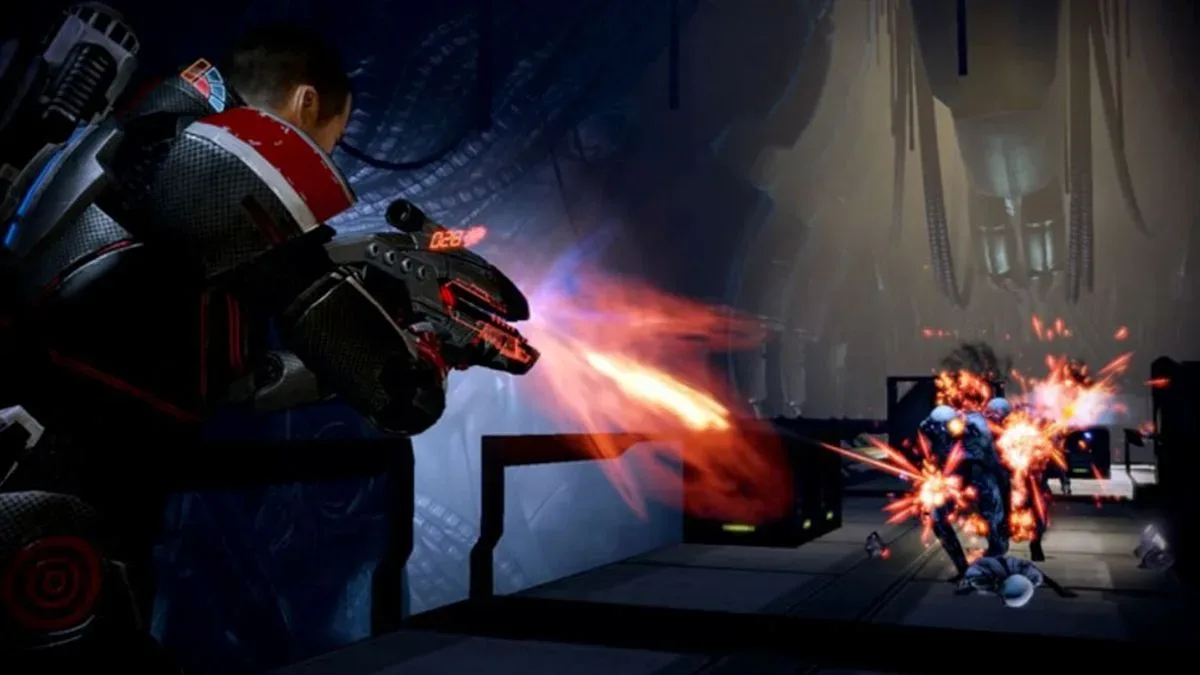
Mass Effect 2 answered those shortcomings with a more focused design. Shepard's movement was faster and more responsive, cover was more central, weapons had greater impact, and encounters were designed around pressure rather than simple endurance. The Commander no longer felt like a comparatively stiff RPG protagonist carrying a gun through long firefights. They felt like the center of a modern squad-based shooter, able to move decisively between cover, command allies, and turn the tide with biotic or tech powers.
The game's shift came at a particularly important time for third-person shooters. Cover-based action had become a major force, and Mass Effect 2 had to prove it could compete without sacrificing what made the series different. Its solution was to make combat both more kinetic and more tactical. Shepard could pause the action through the power wheel, inspect the battlefield, issue squad commands, and select the right ability before returning to the chaos.
That pause function is deceptively important. It lets the game satisfy two audiences at once: players looking for explosive sci-fi action and players who want to make considered RPG decisions in the middle of a fight. On harder settings especially, the pause is not a novelty. It becomes a tool for survival, letting players react to enemy positions, incoming threats, and the specific defenses protecting a target.
Combat with more purpose
Mass Effect 2's enemy defenses helped give its action a clearer tactical language. Shields, barriers, armor, and health were separated, encouraging players to think about damage types, weapons, powers, and squad composition. An SMG could chew through shields, while certain abilities could halt health regeneration or weaken heavily protected enemies. The game did not turn every encounter into an elaborate elemental puzzle, but it created enough distinctions that powers and equipment had practical value.
The result was combat that rewarded awareness. Enemies flanked, rushed positions, pinned Shepard down, and used tools such as flamethrowers to force movement. The player could not always stay safely in one piece of cover and whittle down health bars. They had to manage space, timing, and priorities.
More importantly, the action supported the fantasy of playing Shepard. A biotic charge into an enemy line, a carefully timed blast that sends opponents tumbling through the air, or a squad combination that strips defenses before a finishing shot all make the Commander feel formidable. The game's firefights are loud, dramatic, and often intentionally excessive, but they are rarely mindless. Mass Effect 2 found a way to make its powers feel spectacular without abandoning the need to think.
The crew is the real galaxy
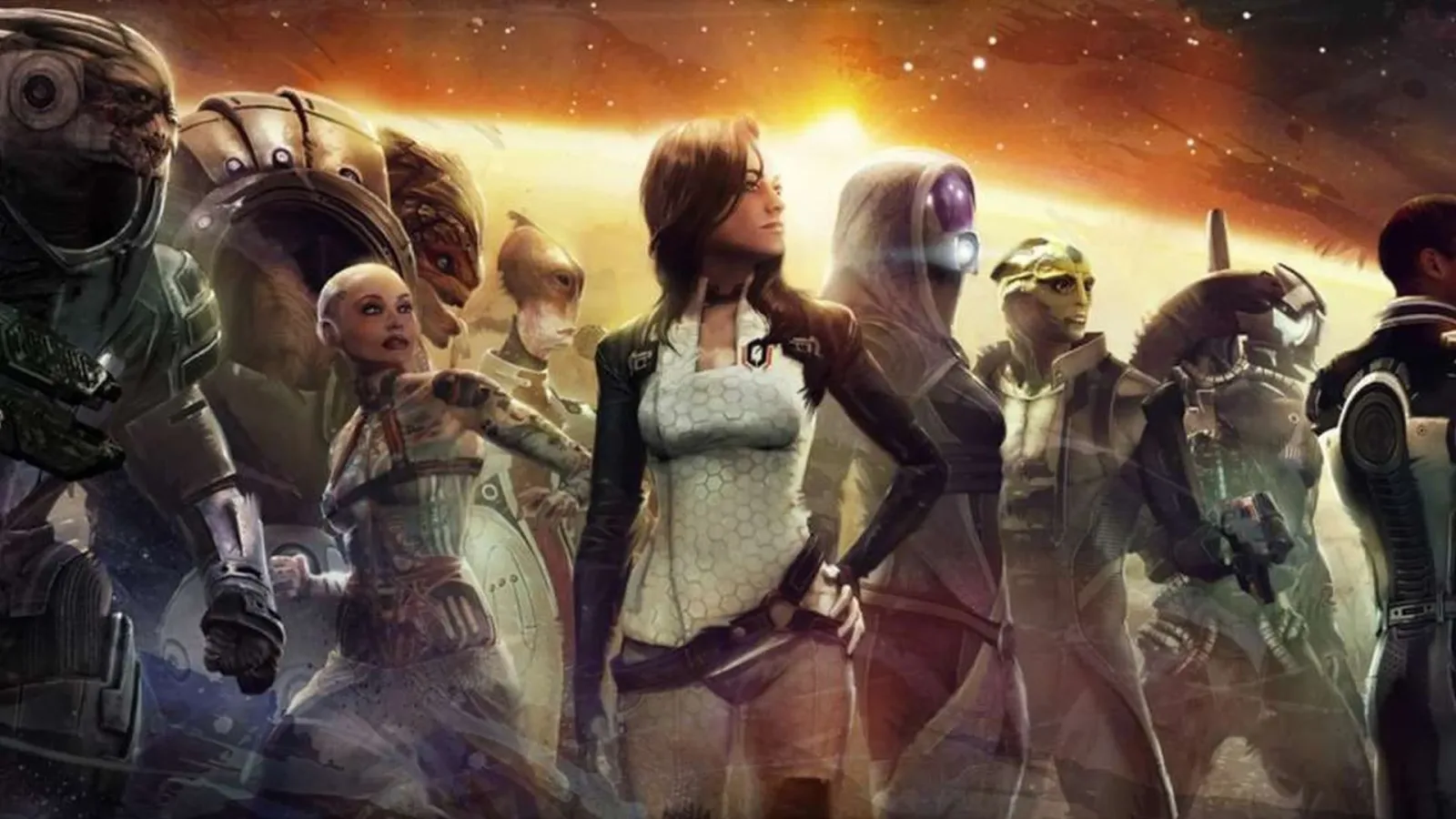
For all its mechanical improvements, the enduring strength of Mass Effect 2 is its people. The Collectors and Reapers provide the galaxy-level stakes, but the heart of the game is the Normandy's crew. BioWare recognized that a universe becomes meaningful when players have people within it they do not want to lose.
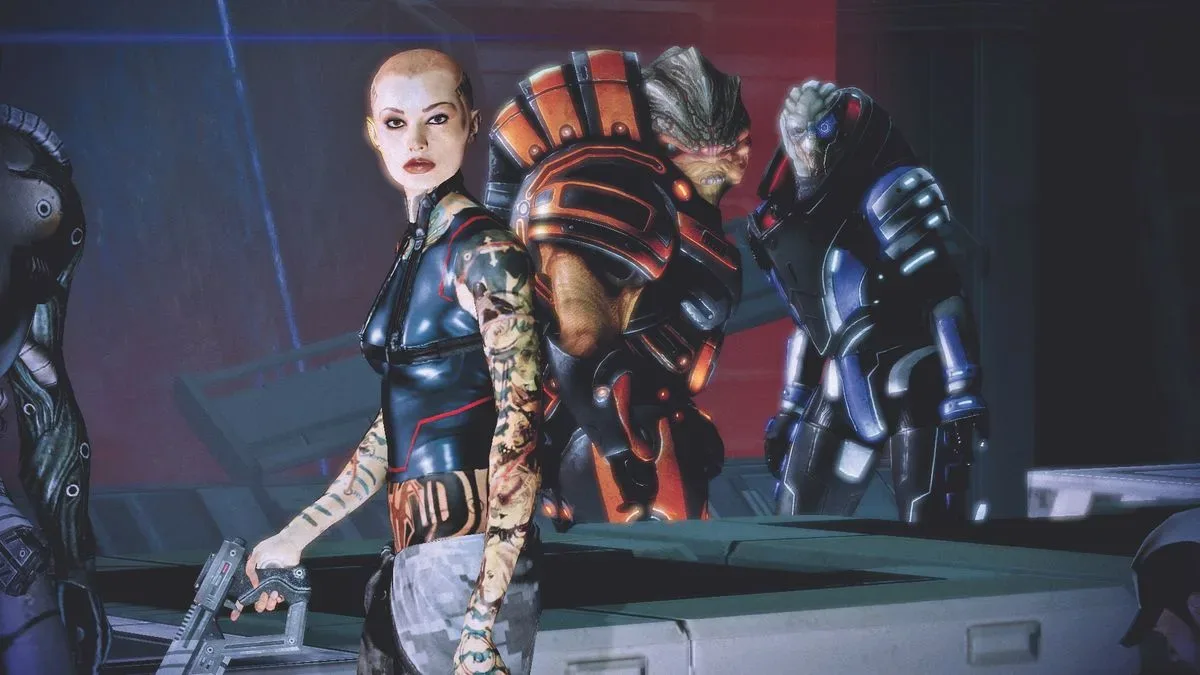
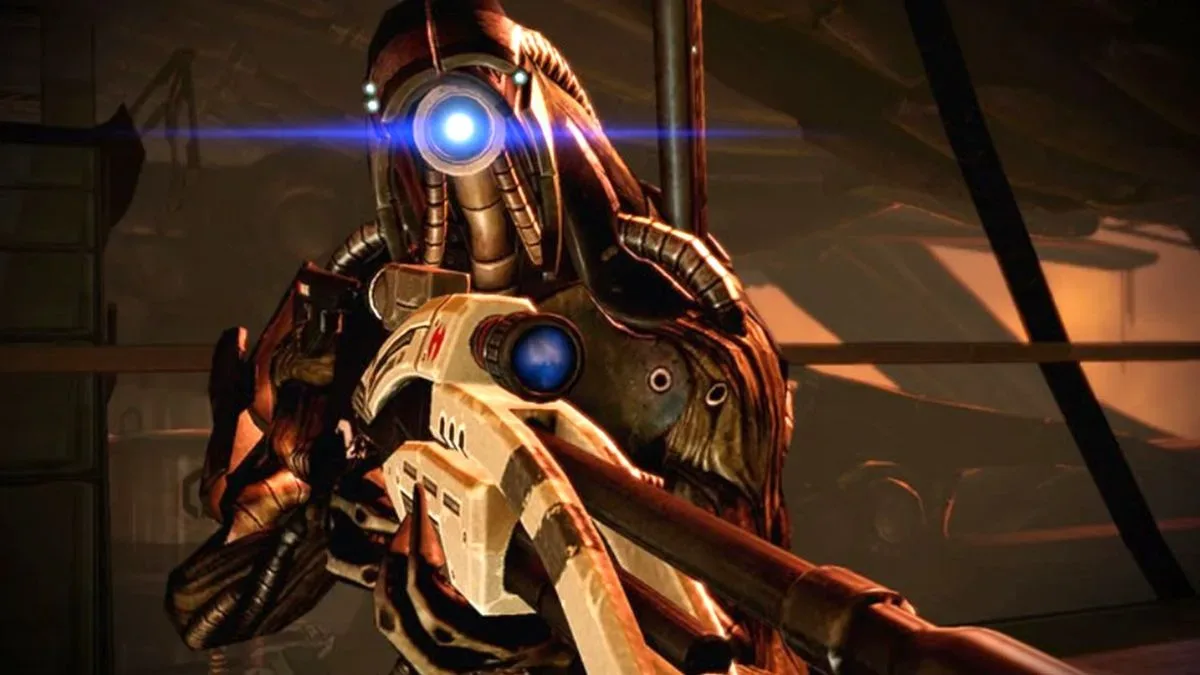
The recruitment structure gives almost every major squadmate room to make a powerful first impression. The team includes familiar faces such as Garrus, but it also introduces characters with wildly different backgrounds, loyalties, and needs. There is Mordin Solus, a rapid-talking scientist wrestling with the consequences of past work; Thane Krios, an assassin confronting terminal illness and regret; Legion, a synthetic being carrying the perspectives of 1,183 geth programs; and Jack, a fiercely volatile survivor of horrific experimentation.
Even before the loyalty missions begin, the Normandy feels like a fragile collection of people who would not naturally belong together. Some distrust Cerberus. Some distrust each other. Some have joined because they see no better path forward. That instability is not a distraction from the mission. It is the point. Shepard is not simply collecting combat abilities for a final battle; they are trying to form a functioning team from people carrying grief, anger, trauma, guilt, ambition, and ideological baggage.
The loyalty missions are where Mass Effect 2 makes its most important narrative leap. Instead of padding the campaign with generic errands, these missions turn side content into character development. Helping a squadmate settle a score, confront a family crisis, seek justice, or face a painful past has tangible consequences. It deepens the relationship, changes how that character is perceived, and affects their readiness for the endgame.
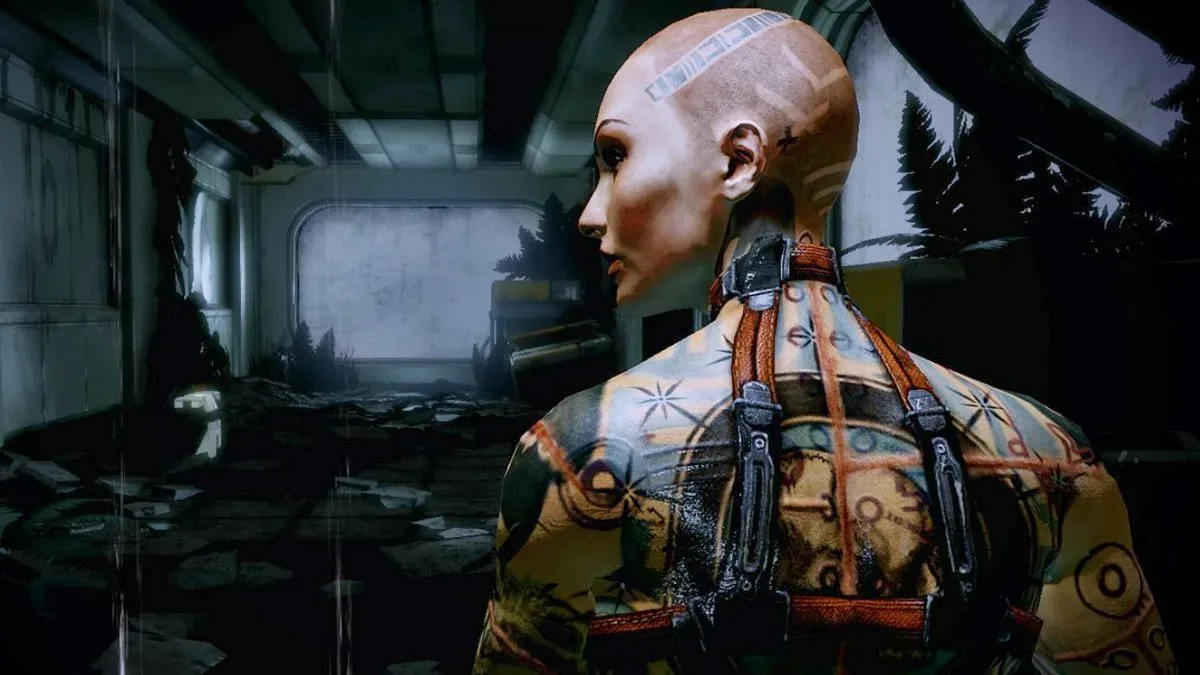
Jack's story is especially emblematic of the game's approach. Her past as Subject Zero is not simply a piece of grim backstory meant to make her seem dangerous. It informs how she treats others, why she resists vulnerability, and what closure might mean for her. The player is invited to engage with that pain rather than merely defeat enemies adjacent to it. These stories make the broader threat feel worth resisting because the galaxy is no longer just a map filled with codex entries. It is home to damaged people attempting to make their lives matter.
Choice gains intimacy
The game's moral choices are not a complete escape from the Paragon and Renegade structure, and they do not always deliver subtle ethical ambiguity. However, Mass Effect 2 gives its harsher choices more context than a simplistic "be cruel" option. Shepard is working with Cerberus, a pro-human organization with extremist and terrorist associations. That alliance immediately creates tension around methods, outcomes, and compromises.
Because of that premise, Renegade decisions can sometimes feel less like random villainy and more like the actions of a commander who prioritizes results. A player might choose intimidation, sabotage, or ruthless expediency in one moment, while still defending someone being mistreated in another. The game allows Shepard to exist in the smaller conflicts of everyday life as well as the giant struggle against extinction.
Those smaller moments matter. Intervening in prejudice, listening to a colleague's anxieties, or deciding how far to go to secure an advantage can say more about a player's Shepard than a single speech about saving the galaxy. Mass Effect 2's choices are memorable not solely because they alter a tally, but because they create a sense of personality. They ask players what kind of leader they want to be when there is no clean answer.
The promise of a continuing saga
Imported saves reinforce that sense of ownership. Decisions from the first Mass Effect can change who appears, what missions become available, and how certain relationships develop. The central structure of Mass Effect 2 remains carefully authored, but the texture around it can vary considerably. A familiar figure may return under unexpected circumstances; an earlier decision can leave an absence that is felt later; the consequences of old actions can complicate a new mission.
That is why replaying Mass Effect 2 remains so compelling. A new class changes the feel of combat, but different conversations, loyalties, romances, imported histories, and moral priorities can alter the emotional experience. The game is not only asking players to see more content. It is asking them to inhabit a different version of Shepard.
Its legacy is therefore larger than its polished shooting or famous final mission. Mass Effect 2 demonstrated that a sequel can honor continuity while radically reassessing its own identity. It took a space opera concerned with ancient machines, interstellar politics, and humanity's future, then grounded it in the private burdens carried by a ship full of extraordinary strangers.
By placing personal crises beside cosmic catastrophe, BioWare gave its universe a human center. The Normandy's crew is not memorable merely because its members are aliens, assassins, scientists, soldiers, and synthetic intelligences. They endure because their fears and hopes are recognizable. Mass Effect 2 made saving the galaxy feel urgent because it first made the people inside that galaxy feel real.
Community
Discussion
Start the conversation.
No comments have been posted yet.