

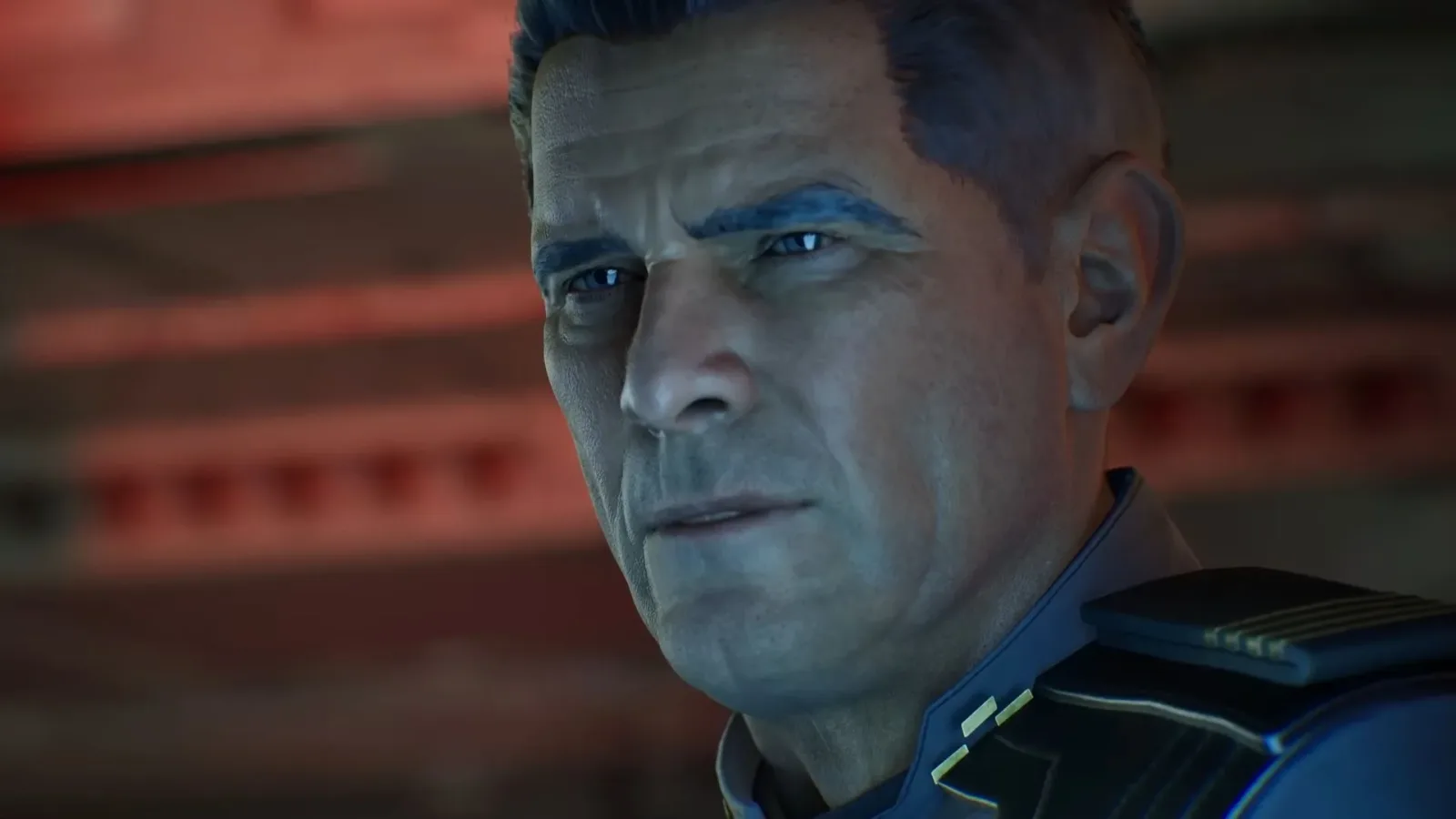
Halo is entering another uncertain chapter after a broad Xbox restructuring eliminated 268 roles across Halo Studios, Xbox Game Studios management, and other first-party teams. The changes leave Halo Studios as a smaller group focused on supporting the existing player community, while Activision takes responsibility for the next major Halo project.
Former Blizzard president Mike Ybarra has offered an emphatic endorsement of that decision. Reacting to the news, Ybarra described it as the best development Halo fans have received in more than 10 years and praised Xbox for making what he sees as a necessary reset for one of gaming's most recognizable franchises.
His response stands in sharp contrast to the concern surrounding the human cost of the restructuring. Hundreds of roles have been removed, and the Halo transition arrives during a period in which Microsoft has repeatedly reorganized its gaming operations, cut staff, and shifted studio responsibilities. The move may represent a major attempt to redefine Halo's future, but it also raises difficult questions about continuity, creative ownership, and the people who built the series' recent releases.
Halo Studios reduced as Activision takes the lead
The reported plan places the next Halo game under Activision's stewardship. Halo Studios, the team previously known as 343 Industries, will continue in a smaller capacity centered on community support for the franchise. That is a dramatic change for a studio that has carried Halo's core development responsibilities for years, including work on Halo 4, Halo 5: Guardians, and Halo Infinite.
For useful background on this topic, read Xbox Hands Halo's Next Chapter to Activision After Halo Studios Layoffs.
Xbox chief content officer Matt Booty has said that the Halo project will be handled by a new purpose-built team within Activision. Crucially, that group is said to be separate from Activision's ongoing Call of Duty development work and its plans for that series. The distinction matters because it suggests Halo is not simply being folded into an existing Call of Duty studio pipeline, even if Activision's leadership and production experience will now be central to the effort.
Activision has set an enormous target for the project. In a statement, the company said its objective is to make the greatest Halo game ever while honoring the universe, legacy, and the elements that originally made players connect with the franchise. That is an ambitious promise for any sequel, particularly for a property with Halo's long history, passionate audience, and recurring debates over what the series should be.
No title, release window, platforms, or detailed creative direction have been announced for the Activision-led Halo game. It is also unclear how much of the prior Halo Studios workforce, technology, or long-term planning will be incorporated into the new effort. Those unanswered questions mean the announcement currently defines a management and organizational shift more clearly than it defines the game players will eventually receive.
Ybarra calls the shakeup a needed reset
Ybarra's reaction focused on the Activision executives now associated with Halo's future. He singled out Activision president Rob Kostich, executive vice president and head of development David Stohl, and Call of Duty head of creative Patrick Kelly. Ybarra characterized them as experienced, traditional game developers who can focus on making a strong Halo experience.
He also argued that they are willing to take risks and can create a Halo entry capable of surprising players and establishing the foundation for the next decade or more. In Ybarra's view, moving the series into Activision's orbit is not merely a change in oversight. It is an opportunity to restore the franchise's standing after years of uneven momentum.
"Props to Xbox for making this decision," Ybarra said while celebrating the transition.
Ybarra further framed the change as a break from what he called political concerns in game development, though he did not identify specific decisions, stories, or events from Halo's recent history that he believed fit that description. His remarks follow separate comments in which he argued that people turn to concerts and video games as an escape from day-to-day political conflict.
That framing is likely to be contentious among Halo fans. Halo has never been a series without themes. Its fiction has dealt with military power, religious extremism, colonialism, genocide, catastrophic weapons, artificial intelligence, and soldiers whose lives were shaped by military experimentation. Even when Halo is remembered first for its combat, co-op, multiplayer rivalries, and science-fiction spectacle, its world has consistently been built around large-scale political and ethical conflicts.
As a result, the more immediate question may not be whether Halo can become completely detached from real-world viewpoints. It may be whether Activision's new team can tell a compelling Halo story and build a multiplayer experience that feels confident, complete, and sustainable without losing the identity that separates the series from other military shooters.
A major responsibility for Activision
Activision's role is especially notable because Call of Duty remains one of the industry's biggest annualized franchises. The company has extensive experience coordinating large teams, supporting games for long periods after launch, operating live services, and delivering polished first-person shooting mechanics at a massive scale. Those strengths are easy to see as potential advantages for Halo, which has faced sustained scrutiny over the cadence and completeness of its post-launch support in recent years.
At the same time, Halo cannot simply become Call of Duty with different armor and alien enemies. Its legacy rests on a particular mix of arena shooting, vehicle combat, sandbox experimentation, science-fiction atmosphere, campaign co-op traditions, Forge creativity, and a distinctive competitive multiplayer feel. The series has changed repeatedly since Bungie's original games, but every shift has generated intense fan discussion about the balance between modernization and familiarity.
The new team will therefore face a difficult double mandate. It needs to make a game that feels contemporary enough to compete in a crowded shooter market, yet recognizably Halo enough to satisfy players who have followed Master Chief and the wider universe for decades. The company's statement about remaining true to what players loved in the first place acknowledges that challenge, even if it does not yet explain how the team plans to meet it.
There is also a practical issue: trust. A new Halo game will need to be judged on more than an announcement or a corporate reorganization. Players will want to see what engine and technology are being used, how the campaign is structured, which multiplayer modes are included at launch, what customization looks like, and how long-term updates will be handled. In a franchise with this much history, confidence will likely have to be earned through concrete details and a finished product rather than promises alone.
Layoffs remain at the center of the conversation
For all the attention on Halo's potential future, the restructuring cannot be separated from the job losses that accompanied it. The elimination of 268 roles spans Halo Studios, Xbox Game Studios management, and other first-party groups. Reducing Halo Studios to a community-supporting team means the transition is not simply a partnership or a studio assisting another studio. It represents a substantial removal of development responsibility from the group that has stewarded Halo for more than a decade.
Criticism of the decision has centered on the recurring pattern of large game companies treating developers as interchangeable during reorganizations. Microsoft has accumulated an enormous collection of game studios and franchises through years of acquisitions, including the purchase of Activision Blizzard. Reassigning major properties may be intended to streamline a complex corporate structure, but those changes can also disrupt teams, erase institutional knowledge, and leave employees bearing the consequences of decisions made far above the development floor.
The Halo move comes alongside other reported changes in Xbox's organization, including Obsidian Entertainment being moved under Bethesda's oversight. Taken together, these shifts suggest Microsoft is still reshaping how its many studios, brands, and leadership layers fit together. Whether that results in more consistent game production is unknown.
For Halo, the stakes are unusually visible. The franchise remains closely tied to the Xbox brand even as Microsoft increasingly pursues a multiplatform strategy across its broader catalog. A successful new Halo could become a major symbol of Xbox's ability to use Activision's resources and experience effectively. A troubled project, however, would intensify concerns that repeated restructures are creating instability rather than solving it.
What comes next for Halo
At present, Activision's stated ambition is broad, Ybarra's approval is unequivocal, and the details of the game itself are scarce. Halo Studios will continue to support the community, while a separate Activision-led group begins the far larger task of defining where the franchise goes next.
That leaves fans with reasons for both optimism and caution. Activision has the scale and shooter expertise to take on a project of this magnitude. Halo still has an extraordinary universe, a dedicated audience, and gameplay foundations that remain influential across the genre. But the cost of the transition is real, and a corporate handoff alone does not guarantee a creative revival.
The next Halo game now carries the burden of proving that this reset was more than a reshuffling of names and reporting lines. It will need to show why Activision was the right home for the series, why the loss of so many roles was worth the disruption, and how Halo can move forward while preserving the qualities that made it an Xbox landmark in the first place.
Community
Discussion
Start the conversation.
No comments have been posted yet.