

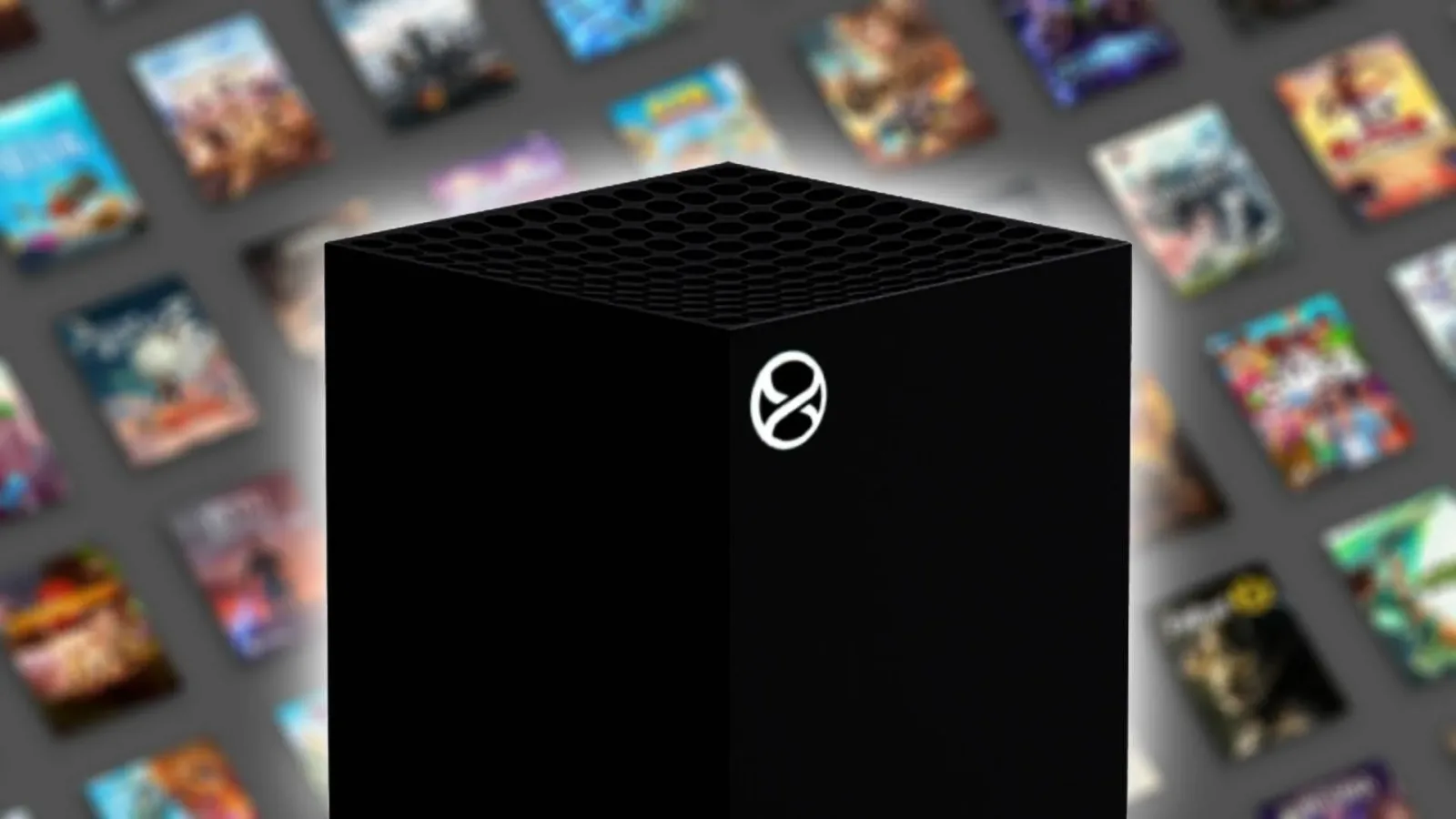
Talk of the next generation of console hardware has taken an unusually sharp turn after a report claimed Microsoft has internally considered a consumer price range of $1,200 to $1,800 for its next home Xbox, unless the company chooses to subsidize the machine and accept losses on each unit sold. Former Blizzard president Mike Ybarra has now weighed in on that possibility, arguing that a console at the upper end of that range would fail to reach the broad audience the category depends on.
Ybarra's reaction is rooted in a simple argument: game consoles have historically been mass-market products, not luxury hardware aimed at a narrow slice of enthusiasts. In his view, a successful machine needs both a compelling software lineup and a price low enough to bring in a large user base. He suggested that a more appropriate entry point would be in the $399 to $499 range, and said that a device priced near the reported figures would not sell enough units to be meaningful against other ways people can play.
The comments arrive at a moment when the cost of building powerful game hardware is under renewed scrutiny. Component prices have been rising amid broader memory shortages, and manufacturers face difficult choices over how much of those increases to absorb. A company can protect a lower retail price by selling hardware at a loss, hoping to recover that money through game sales, subscriptions, accessories, and digital storefront spending. Alternatively, it can pass more of the cost directly to consumers, preserving margin but risking a much smaller installed base.
Embedded X/Twitter post
A Price Far Beyond the Current Generation's Starting Point
The suggested $1,200 to $1,800 range would represent a dramatic departure from the pricing that defined the start of the current console cycle. The PlayStation 5 and Xbox Series X both launched at $500 less than six years ago. Even allowing for inflation, changing manufacturing costs, and ambitions for a major leap in performance, the highest rumored figure would be several times the familiar entry point for a flagship living-room console.
For useful background on this topic, read Xbox Reportedly Expands Puget Sound Office Requirement to Four Days a Week Amid Reset.
That distinction matters because the word console carries a particular expectation. Players generally expect a relatively straightforward, fixed-specification machine that offers a simpler alternative to buying or assembling a high-end gaming PC. Premium versions of consoles can command higher prices, as seen with PlayStation 5 Pro, but their purpose is usually to offer an optional upgrade rather than redefine the baseline cost of entering an ecosystem.
Ybarra's criticism centers on the danger of treating an Xbox console like a boutique device. He said he would not release such a product at all if it required pricing at the rumored level. His position is that manufacturers should avoid forcing an expensive generational transition at a time when many households are already facing higher costs in essential areas of life.
Entertainment spending is often among the first categories to be reduced when budgets tighten. A console purchase does not exist in isolation, either. Buyers may also need to account for new games, subscription services, additional storage, accessories, online memberships, and potentially a display capable of showing off the hardware's features. At $1,200 or more, the purchase would become difficult to justify for many players even before those secondary costs enter the picture.
Why Current Hardware May Still Have Room to Grow
Rather than rushing ahead with a dramatically more expensive machine, Ybarra believes platform holders could continue supporting existing high-end systems while component pricing stabilizes. He specifically pointed to the PS5 Pro and Xbox Series X as machines that remain more than capable for the overwhelming majority of players.
That assessment reflects a growing discussion around diminishing returns in visual technology. The jump from older generations to current consoles brought faster storage, improved CPU performance, ray tracing support, higher-resolution targets, and much more sophisticated rendering techniques. Yet the benefits of additional raw power are not always equally visible to every player, especially when games already offer performance modes, quality modes, variable frame rates, and advanced reconstruction systems.
For many audiences, a stable frame rate, responsive controls, polished game design, and a steady stream of worthwhile releases matter more than another large increase in graphical detail. There is certainly a market for enthusiasts who want the best image quality possible, but Ybarra's point is that this audience alone cannot support the kind of sales scale traditionally expected of a mainstream console platform.
He also argued that developers and platform holders still have substantial opportunities to improve how current hardware is used. Optimization has always extended the practical life of consoles. As tools mature and studios become more familiar with a fixed hardware target, games can frequently deliver stronger results without requiring players to buy a replacement machine.
Upscaling Could Extend the Life of Xbox Series Hardware
Ybarra highlighted Microsoft's recent announcement that its machine-learning upscaler, FSR 4.1, is coming to Xbox Series X and Series S. Upscaling technology has become one of the most important tools for modern game development because it can allow titles to render internally at a lower resolution and reconstruct a sharper final image. That can free resources for higher frame rates, more detailed scenes, or demanding effects such as ray tracing.
For console owners, the practical value is that software advances can improve the experience on hardware they already own. The Xbox Series S is especially relevant in this discussion, since it was designed as a less expensive entry point and can benefit from tools that help developers balance image quality and performance within tighter technical limits.
Of course, upscaling does not eliminate the eventual need for new systems. New game engines, larger worlds, simulation-heavy experiences, and higher display standards will continue to push beyond what today's machines can comfortably deliver. The question is not whether another Xbox generation will happen, but whether the technology and market conditions justify asking consumers to pay an unprecedented premium for it.
Microsoft Faces a Defining Hardware Decision
Microsoft's approach to its next major console will carry particular weight following a significant internal reset under new CEO Asha Sharma, including layoffs. The company's decisions could reveal how it intends to balance traditional hardware ambitions with its wider gaming strategy, which includes subscriptions, cloud technology, multiplatform releases, and a larger PC presence.
An especially expensive Xbox could signal a shift toward a smaller, premium audience that values maximum performance and tight integration with the wider Xbox ecosystem. But such a move would also raise difficult questions. Would developers prioritize a platform with a potentially limited installed base? Would consumers see it as a console, a PC alternative, or a specialized accessory for Game Pass and cloud services? And could Microsoft afford to retreat from the broad, family-room appeal that consoles have traditionally pursued?
Those questions become even more complicated if the device does not support physical games, a prospect that has caused concern among players who value ownership, used-game markets, preservation, and the ability to buy software without relying entirely on a digital storefront. Microsoft has not announced final specifications, pricing, or retail plans for a next-generation Xbox, so the reported figures should not be treated as confirmed consumer-facing details.
Sony and Nintendo Face Different Versions of the Same Problem
Microsoft is not alone in confronting rising hardware costs. Sony will face its own choices whenever it prepares another full PlayStation generation, particularly if it wants to maintain technological leadership while keeping its system accessible. Nintendo operates under different expectations and recently released Switch 2, giving it a more recent hardware launch and a product strategy that has historically prioritized distinctive play experiences over matching the raw performance of competing consoles.
Still, every platform holder must decide how much performance players truly need, how much they are willing to pay for it, and where the line sits between a premium upgrade and an exclusionary price tag. The answer may shape not only hardware sales, but the kinds of games studios are willing and able to build.
Ybarra's comments capture the tension clearly: technological progress is valuable, but it has to arrive at a price people can realistically pay. For now, he sees little evidence of widespread demand for a substantially more powerful console when the PS5 Pro and Xbox Series X remain capable systems and new optimization techniques continue to extract more from current hardware.
Until Microsoft formally unveils its plans, the prospect of a $1,200 to $1,800 Xbox remains a report rather than a confirmed retail proposition. But the reaction shows how sensitive console pricing has become. If the next generation is to be a true mass-market transition, affordability may be as important as teraflops, storage speeds, or any new graphical feature.
Community
Discussion
Start the conversation.
No comments have been posted yet.