

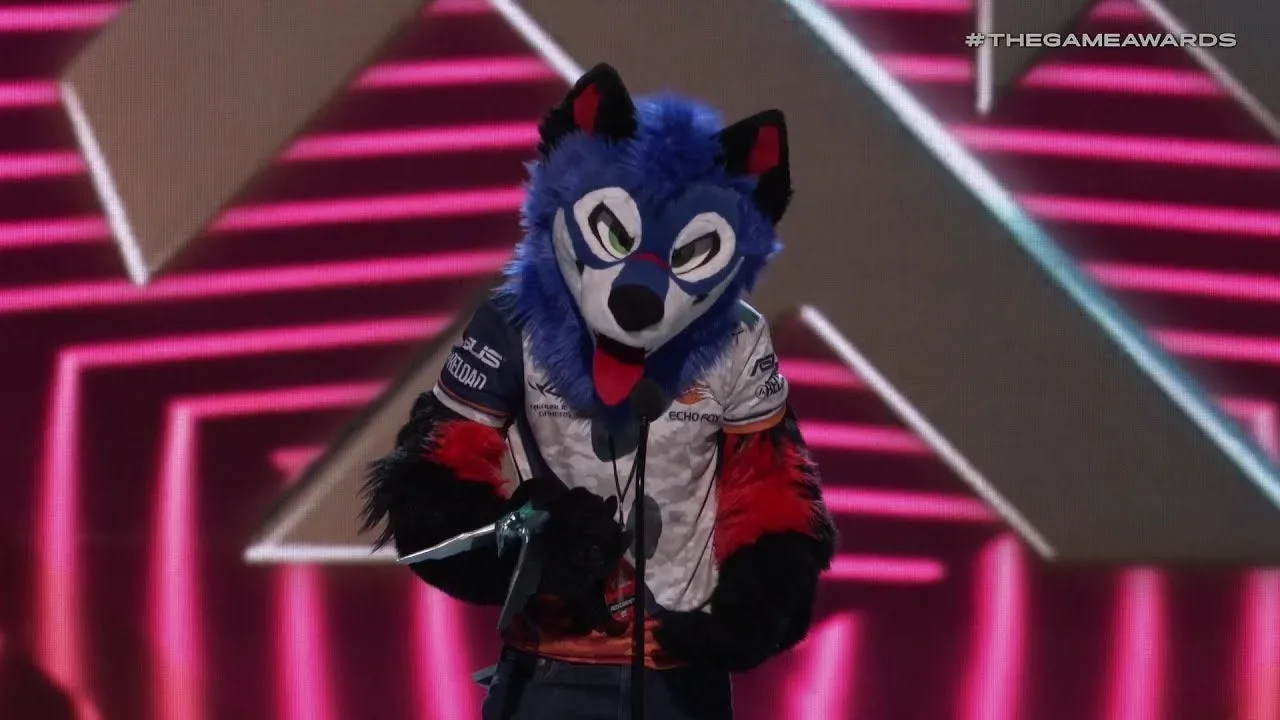
Dominique "SonicFox" McLean will no longer appear at Nexcon 2026 after promotional material for the Oklahoma convention used an AI-generated version of the acclaimed fighting game competitor's likeness. The decision quickly became a high-profile example of the continuing backlash against generative AI in gaming-adjacent promotional work, particularly when the technology is used to depict real people and replace paid creative labor.
SonicFox, one of competitive fighting games' most decorated and recognizable players, announced that their contract had been terminated and that they would not be attending the event. The withdrawal came after they became aware of a promotional flyer that appeared to have been generated with AI. The artwork also reportedly included artificial-looking depictions of other creators expected to take part in the convention.
Nexcon 2026 is described as a convention centered on gaming, anime, and creators, scheduled to take place in Norman, Oklahoma. It is organized by Ninjutsu Entertainment. While the event's organizers did not indicate that the convention itself would be canceled, the dispute has brought attention to the difficult position smaller events can face when trying to market themselves--and to the consequences of deciding that generative tools are an acceptable substitute for commissioning artists.
Embedded X/Twitter post
Embedded X/Twitter post
SonicFox's response was immediate
After seeing the promotional material, SonicFox publicly stated that they would no longer participate. Their message was brief but definitive: the contract was over, and their Nexcon appearance was off.
For useful background on this topic, read The Sims Faces Another Uncertain Turn as EA Pauses Project Lotus.
The speed of the decision matters. Convention guests are often tied to agreements that involve appearance fees, travel planning, schedules, panels, meet-and-greets, tournament participation, and promotional obligations. Ending that relationship after a marketing controversy is not a minor public disagreement; it is a clear declaration that the use of AI-generated imagery crossed a line significant enough to outweigh the value of the booking.
For SonicFox, whose career has made them a prominent figure far beyond any one fighting game, the move also carries weight within an esports community where artists, tournament organizers, commentators, streamers, cosplayers, and players frequently depend on one another. Event artwork is not simply decoration in that ecosystem. It helps establish a convention's identity, signals its priorities, and gives paid work to creatives who are part of the culture an event is attempting to celebrate.
The issue was compounded by the alleged use of SonicFox's own likeness. AI-generated promotional work can raise concerns even when it is wholly fictional, but depicting identifiable guests without properly commissioned artwork adds another layer of sensitivity. A guest's image has professional value, and using a distorted or artificial approximation of that person can create confusion about whether they approved the material or were involved in its production.
For another perspective on this story, read SonicFox Withdraws From Nexcon 2026 After AI-Generated Promotional Flyer Uses Their Likeness.
Organizer accepts responsibility, but explains the choice
Ty Bailey, a founder of Ninjutsu Entertainment, responded in a video after SonicFox's cancellation. Bailey acknowledged using generative AI to create the flyer and said he accepted responsibility for that decision. He also made an emotional appeal for SonicFox to reconsider and return to the event.
Bailey's explanation centered on the financial and staffing pressures behind Nexcon. He said that he and his business partner were handling the convention while also working full-time jobs of more than 40 hours each week. He described the pair as inexperienced convention organizers and said the event's work had left them without money available to hire traditional artists for the flyer.
He also said that he and his partner did not like generative AI, but felt they had no alternative. Bailey further suggested that artists were unwilling to work with the organizers after the group had already begun using AI-generated material. The apology therefore came with an argument that the organizers' circumstances, limited resources, and lack of experience had contributed to the choice.
That explanation is likely to be a familiar one to many people following the AI debate. Generative tools are frequently pitched as inexpensive ways for small businesses and independent organizers to produce visuals quickly. Critics, however, argue that treating AI as a necessity can obscure the practical alternatives available to modest events: simpler designs, text-forward announcements, community submissions with clear terms, delayed marketing, smaller promotional campaigns, or paying an artist within a reduced budget.
The controversy also illustrates the risk in framing AI as a short-term financial solution. A promotional image may cost less upfront than commissioning an illustrator, but the reputational cost can be far higher if guests, fans, and collaborators see the decision as contrary to the values of the community. In this case, the backlash resulted in Nexcon losing one of its highest-profile guests.
A forgiveness message with a firm boundary
SonicFox did not dismiss Bailey's remorse outright. In their response, they said they could hear the regret in his voice and offered forgiveness. But they made equally clear that forgiveness did not mean the appearance would be restored.
"I'm a forgiving person and I can hear the remorse in your voice so I forgive you," SonicFox wrote. "However, there are still consequences to said actions that will prompt me not to attend. Use the money you offered me in contract to hire artists, and maybe next year I'll reconsider. Sorry."
The response draws a deliberate distinction between accepting an apology and removing the consequences of a decision. It is also a practical suggestion rather than a purely symbolic rebuke. SonicFox urged the organizers to use the money allocated for their appearance to hire artists instead. That recommendation directly addresses the explanation Bailey gave for resorting to AI in the first place: a lack of funds for creative work.
Whether Nexcon follows that advice may shape the next stage of the situation. Hiring artists for future promotional assets would not reverse SonicFox's cancellation, but it could demonstrate that the organizers took the criticism seriously and changed their approach. It could also give the event a clearer path to rebuilding trust with prospective guests and attendees.
Why promotional art has become a flashpoint
Generative AI has become one of the most contentious issues in game development, esports, streaming, fan culture, and convention organization. Supporters often focus on speed, convenience, and the ability to produce drafts without an established art budget. Opponents point to concerns over training data, imitation of artists' styles, unclear ownership, unreliable output, labor displacement, and the tendency for AI images to contain visual errors or uncanny depictions of people.
For events built around games, anime, and online creators, the criticism can be especially pointed. These communities are sustained by creative work at every level: official concept art, fan art, posters, stream overlays, tournament graphics, cosplay photography, thumbnails, merchandise, and community-made assets. Choosing AI-generated visuals may be viewed not only as an aesthetic shortcut, but as a decision that conflicts with the artistic culture an event relies on to attract interest.
There is also a fundamental communications problem. Promotional materials are supposed to build enthusiasm and confidence. If attendees believe the people pictured have been represented without consent, or if a flyer looks rushed and artificial, the ad can undermine the event's credibility rather than strengthen it. That concern is magnified when the subject is a public-facing competitor like SonicFox, whose fanbase is likely to notice inaccurate or unapproved depictions quickly.
What comes next for Nexcon 2026
Ninjutsu Entertainment indicated that Nexcon 2026 would continue despite SonicFox's departure. No replacement guest, revised promotional plan, or additional details about future artwork were established in the public exchange described here. The convention now faces the practical task of moving forward while responding to the criticism generated by its initial flyer.
For attendees, the key question will be whether the organizers turn the controversy into a change in practice. An event can make mistakes, particularly when a small team is trying to handle logistics, bookings, marketing, and finances at once. But the response after a mistake is often what determines whether a community is willing to give organizers another chance.
SonicFox left open at least the possibility of reconsideration in a future year, contingent on a different approach. That is not a promise of a return, and it does not lessen their decision to withdraw from the 2026 event. It does, however, establish a straightforward standard: invest in human artists rather than using AI-generated stand-ins.
For now, the most important outcome is unambiguous. SonicFox will not attend Nexcon 2026, and the convention's use of AI-generated promotional art has become a public lesson in how creative decisions can affect guest relationships. In an industry that depends heavily on the work and goodwill of artists, creators, and communities, saving money on a flyer can end up costing much more than organizers expect.
Community
Discussion
Start the conversation.
No comments have been posted yet.