

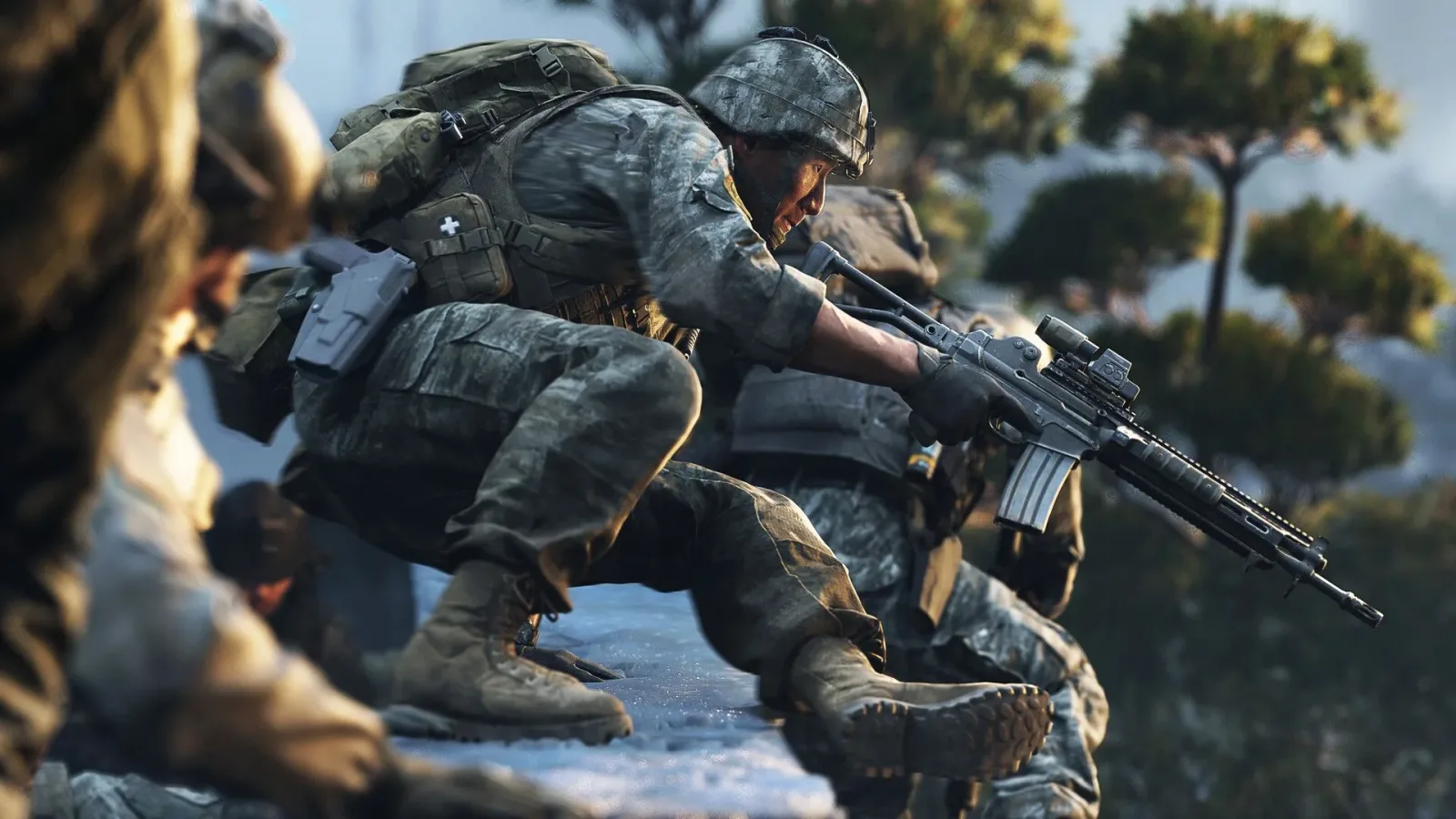
Call of Duty: Modern Warfare 4 is being framed by Infinity Ward as a return to a harsher, more grounded kind of modern military shooter. The game may carry a familiar name, but the studio's stated priority is not simply nostalgia for past Modern Warfare campaigns. Instead, the team wants its new entry to feel immediate, believable, and centered on soldiers caught in a far larger conflict.
That direction applies to both the campaign and multiplayer. Infinity Ward multiplayer technical designer Jack Hoppus has described a guiding vision built around a gritty tone that feels as though it could plausibly emerge from present-day geopolitical tensions, without being an exact reproduction of reality. It is a significant shift in emphasis for a series that, in its more recent stories, has often followed elite operators conducting covert missions away from conventional front lines.
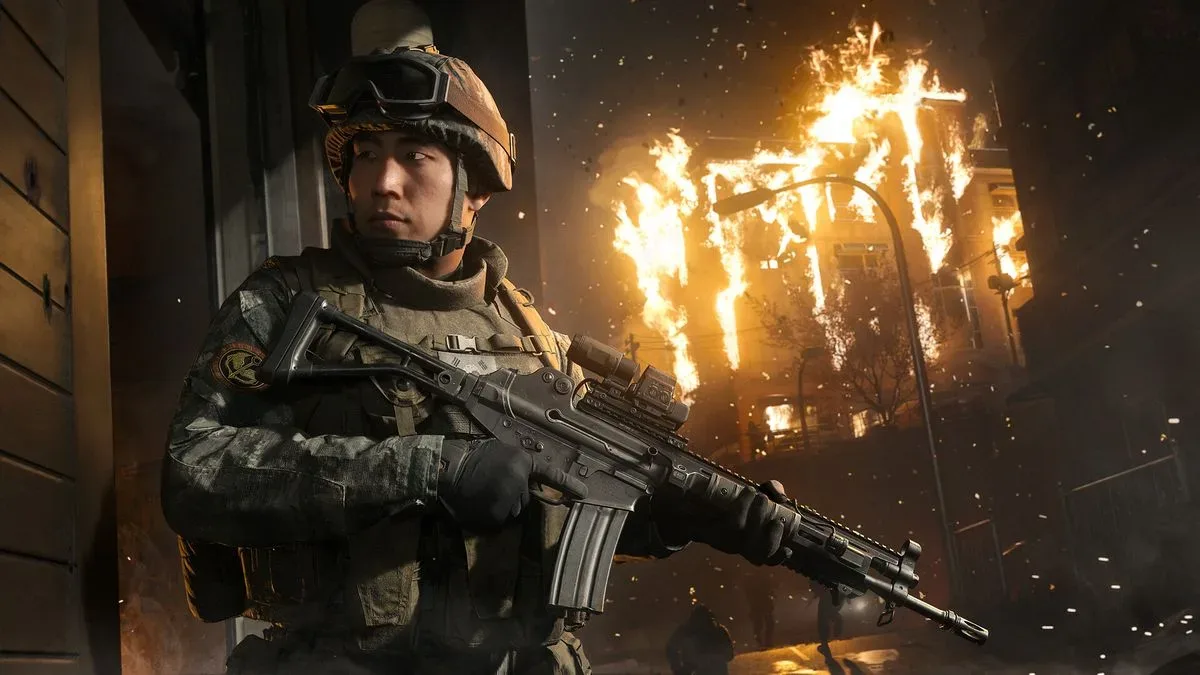
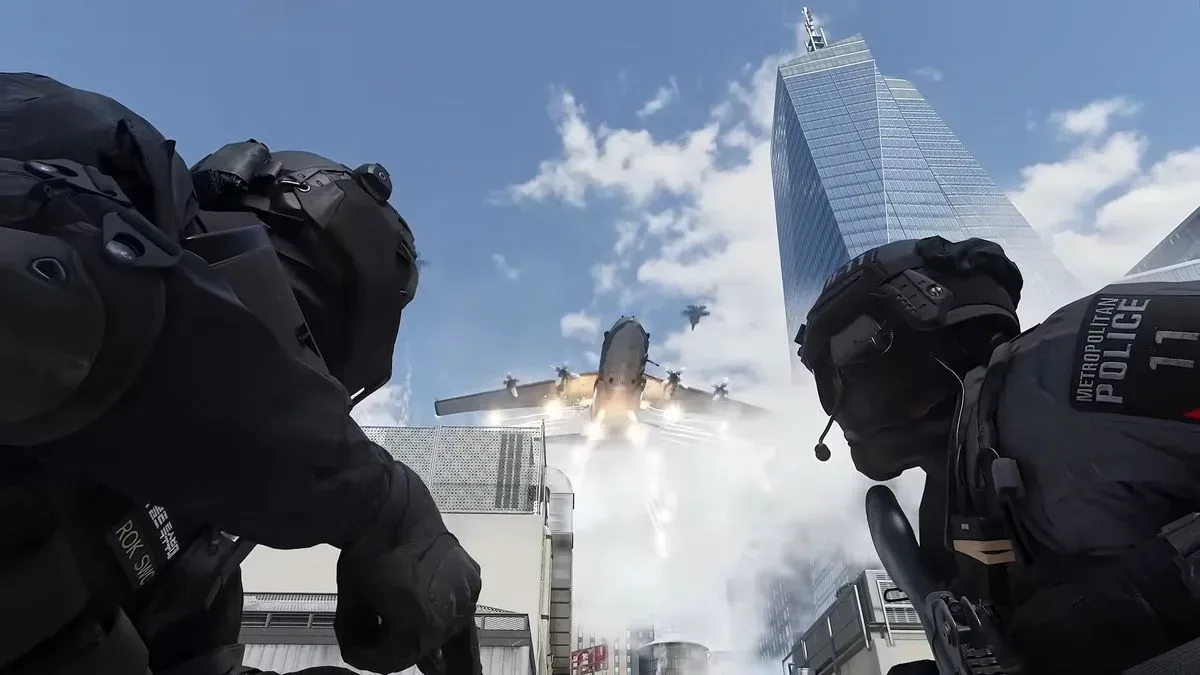
Modern Warfare 4, by contrast, appears ready to put the scale of war back into view. Its campaign trailer depicts North Korea invading the Korean Peninsula, while large military engagements suggest an experience with more in common with the global escalation seen in the original Modern Warfare trilogy. The prospect is not merely a story about a small specialist unit quietly preventing disaster. It is a story about personnel trying to survive and act within a disaster that is already unfolding.
A return to the ordinary soldier's perspective
The original Modern Warfare games became known for taking players across a world rapidly sliding toward a wider war. Their conflicts spread from one flashpoint to another, turning recognizable cities and major regions into active battlefields. The rebooted Modern Warfare line established in 2019 retained a serious military tone, but its recent narratives have leaned more heavily on special operations forces and contained threats.
For useful background on this topic, read The Witcher 3 Remastered Joins Xbox Play Anywhere on September 29.
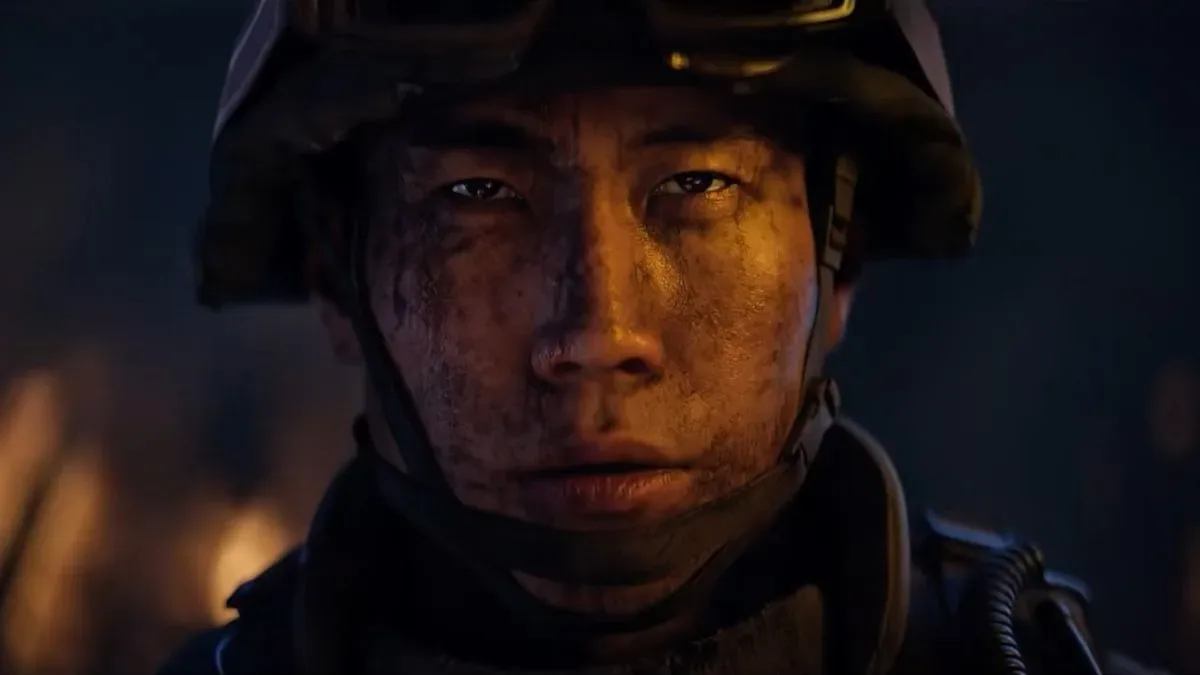
Infinity Ward's present approach signals an effort to widen that lens. Hoppus characterized the campaign's focus as a chance to revisit the "grunt perspective," following a group of less exalted soldiers as they attempt to navigate the chaos around them. That does not necessarily mean the game will abandon highly trained protagonists or cinematic set pieces; Call of Duty's campaigns have long depended on both. But it does suggest that Modern Warfare 4 wants the human scale of the fighting to matter as much as the spectacle.
There is a useful dramatic difference between playing as an almost unstoppable operative and playing as someone who must adapt to a conflict that exceeds their control. The latter viewpoint can make a large invasion feel more unsettling. It can also give military action a sense of place: not simply a sequence of missions, but a struggle to move through damaged streets, contested positions, and constantly changing objectives while a broader war develops in the background.
Infinity Ward has said that this boots-on-the-ground principle has helped align the studio around the game's visual style and tone. That language is important because "grounded" can mean several things in a Call of Duty context. It does not inherently mean slow movement, strict simulation rules, or a complete removal of the franchise's cinematic flair. Rather, it appears to mean that the game should communicate physicality and tension without losing the speed and accessibility that define Call of Duty.
Weapon handling without sacrificing Call of Duty speed
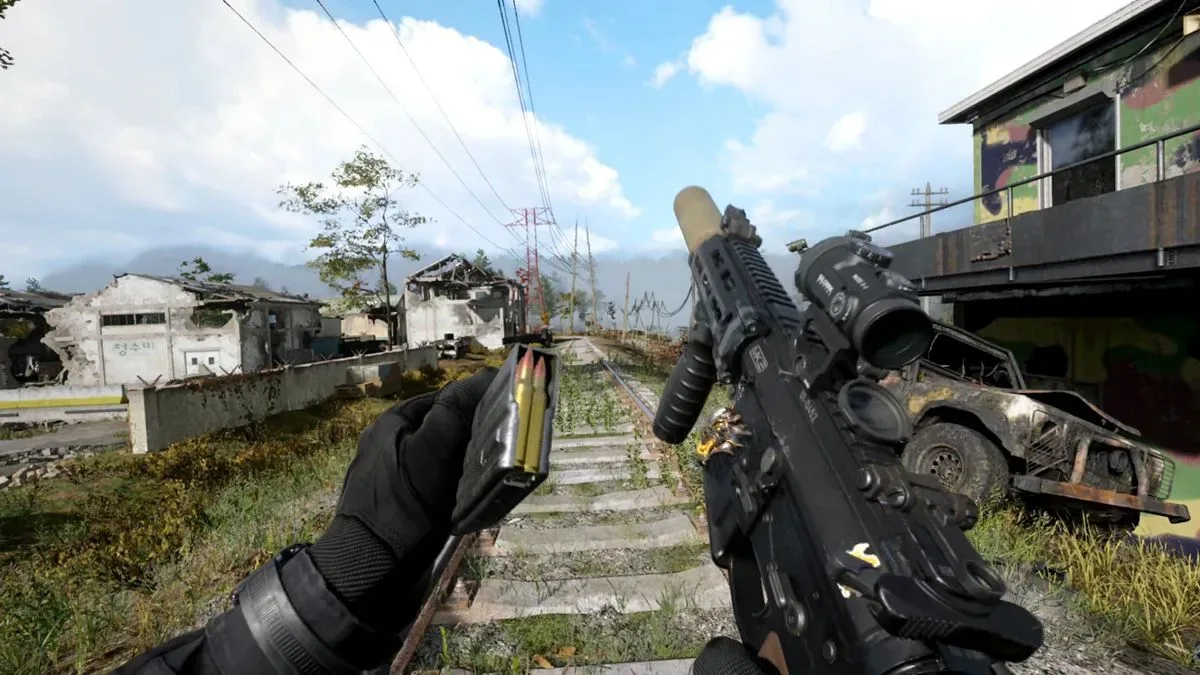
One of the clearest examples of that balance is Modern Warfare 4's handling of weapons. Hoppus said Infinity Ward is concentrating on weapon fidelity: firearms should feel powerful and substantial rather than like lightweight props, while still remaining responsive enough for a fast first-person shooter.
The goal is not to make players feel encumbered by their equipment. Instead, the studio is looking for details that sell the impression of holding and maneuvering a real, high-caliber weapon. A gun will reportedly respond dynamically to nearby surfaces, tilting upward and being held closer to the character's chest when close to a wall. When entering a doorway, the weapon is intended to pivot with the player's arms in a way that evokes trained movement through confined spaces.
These are relatively small animations and positional behaviors on paper, but they can change the feel of a shooter dramatically. In first-person games, the weapon occupies much of the screen and becomes the player's most constant point of contact with the world. If it appears detached from walls, doors, cover, and body movement, the action can feel artificial. If it reacts too aggressively, however, it risks becoming frustrating or reducing player control.
That is the tension Infinity Ward is trying to resolve. The studio wants firearms to have apparent weight and presence, but not the kind of weight that makes combat clumsy. In other words, Modern Warfare 4 is chasing believable motion rather than a full simulation. Players should recognize the physical constraints of moving a rifle around a corner, but should still be able to react quickly in a close-range encounter.
For the campaign, this could help reinforce the game's intended atmosphere. A more tactile weapon model may make every doorway, hallway, and cover position feel more deliberate. In multiplayer, where seconds and even fractions of a second matter, it will be more difficult to judge until players can experience the finished systems for themselves. The crucial question will be whether those details improve awareness and immersion without interfering with the immediacy expected from the series.
Multiplayer is aiming for two kinds of players
Modern Warfare 4's movement philosophy is similarly built around compromise, though "compromise" should not be read as indecision. Infinity Ward is openly attempting to support players who enjoy rapid slides, close-quarters pressure, and high mechanical execution alongside those who prefer to clear angles carefully, hold an advantageous position, and choose their engagements with patience.
That is one of the oldest design challenges in competitive shooters. A game can strongly favor momentum, where the most skilled players are those who can move unpredictably and overwhelm opponents before they can respond. Or it can put greater value on positioning, information, recoil management, and disciplined aim. Both approaches have passionate audiences, and Call of Duty has moved back and forth along that spectrum across its many entries.
Hoppus described a desired outcome where smart decision-making can win gunfights, but exceptional mechanical skill can also prevail. This is an ambitious target. If the game gives too much power to rapid movement, careful players may feel that tactical preparation is meaningless. If it slows everything down too far, players who enjoy Call of Duty's aggressive tempo may find the matches restrictive.
The studio's proposed answer is a "grounded, fluid movement" model. The wording suggests that mobility will remain a major component of multiplayer, but will be presented and tuned with a stronger physical identity. Fast players should still be able to create pressure and outmaneuver enemies. Tactical players should still have reliable tools to check corners, establish control over a space, and benefit from making the better read.
Weapon class balance will be a major part of whether that vision succeeds. Hoppus, who identifies himself as a marksman rifle player, said that players who enjoy those weapons should have a particularly good time in Modern Warfare 4. That is encouraging for fans of longer-range, precision-focused playstyles, though its ultimate meaning will depend on map design, time-to-kill tuning, optics, recoil patterns, and the effectiveness of close-range options.
Building from what did not work before
For a franchise approaching its 23rd installment, the challenge is not finding ideas. Call of Duty has explored historical wars, near-future technology, covert operations, massive set pieces, rapid arcade movement, and more deliberate military action. The harder task is deciding what to carry forward and what to rebuild.
Infinity Ward's internal approach, as described by Hoppus, is to develop from the things the team could not accomplish--or did not execute well enough--in the preceding game. For Modern Warfare 4, that reflection has informed the focus on movement fidelity. The studio is also revisiting the complexity of weapon platforms and the Gunsmith system.
The stated plan is to reduce some of that complexity while making shared attachments between guns easier to incorporate. This could be a meaningful quality-of-life adjustment. Extensive customization can be rewarding for dedicated players, but it can also become a barrier when menus, unlock paths, and compatibility rules make building a preferred loadout unnecessarily confusing. A clearer system that preserves meaningful choices could serve both newcomers and longtime players.
That philosophy fits the broader Modern Warfare 4 pitch. The game is not rejecting detail; it is attempting to make detail more legible and useful. Weapons should look and move with conviction, but remain satisfying in fast combat. Multiplayer should give movement experts room to excel, but preserve tactical decision-making. Customization should offer depth, but avoid burdening players with needless complexity.
What to watch before launch
Call of Duty: Modern Warfare 4 is scheduled to launch on October 22. Ahead of that date, the most revealing look at the game will likely be extended gameplay that demonstrates how its ambitions translate from design language into actual matches and missions.
The campaign will need to show whether its wider-war premise creates a distinct identity beyond familiar military spectacle. The multiplayer will need to prove that its tactical and high-speed playstyles can coexist without one consistently eclipsing the other. And the revised weapon systems will need to show that simplification has not come at the expense of satisfying experimentation.
For now, Infinity Ward's message is clear: Modern Warfare 4 wants to make players feel closer to the conflict, not by slowing Call of Duty to a crawl, but by giving its movement, guns, and soldiers a stronger sense of physical presence. If that balance holds, the next Modern Warfare could offer a familiar kind of blockbuster action with a more grounded point of view.
Community
Discussion
Start the conversation.
No comments have been posted yet.