

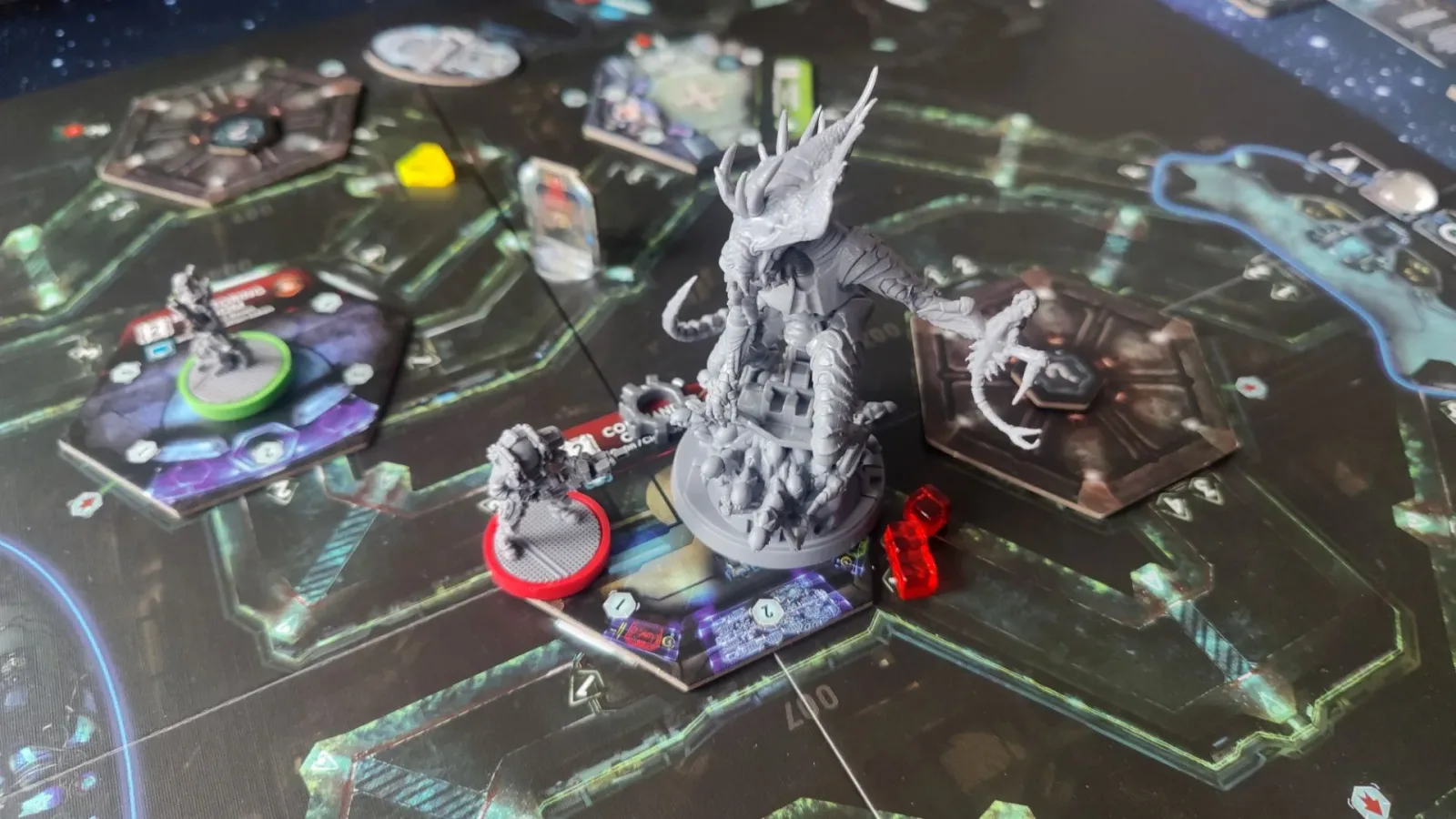
Halloween is a natural excuse to gather friends around a table for something spooky. Board games have no shortage of haunted mansions, cosmic cults, classic movie monsters and suspiciously creaky floorboards. Yet there is a meaningful difference between a game that has a horror theme and one that can make players genuinely uneasy. Most tabletop horror is built for a lively social evening: players laugh at bad decisions, solve mysteries together, and enjoy the spectacle of monsters without ever feeling too threatened.
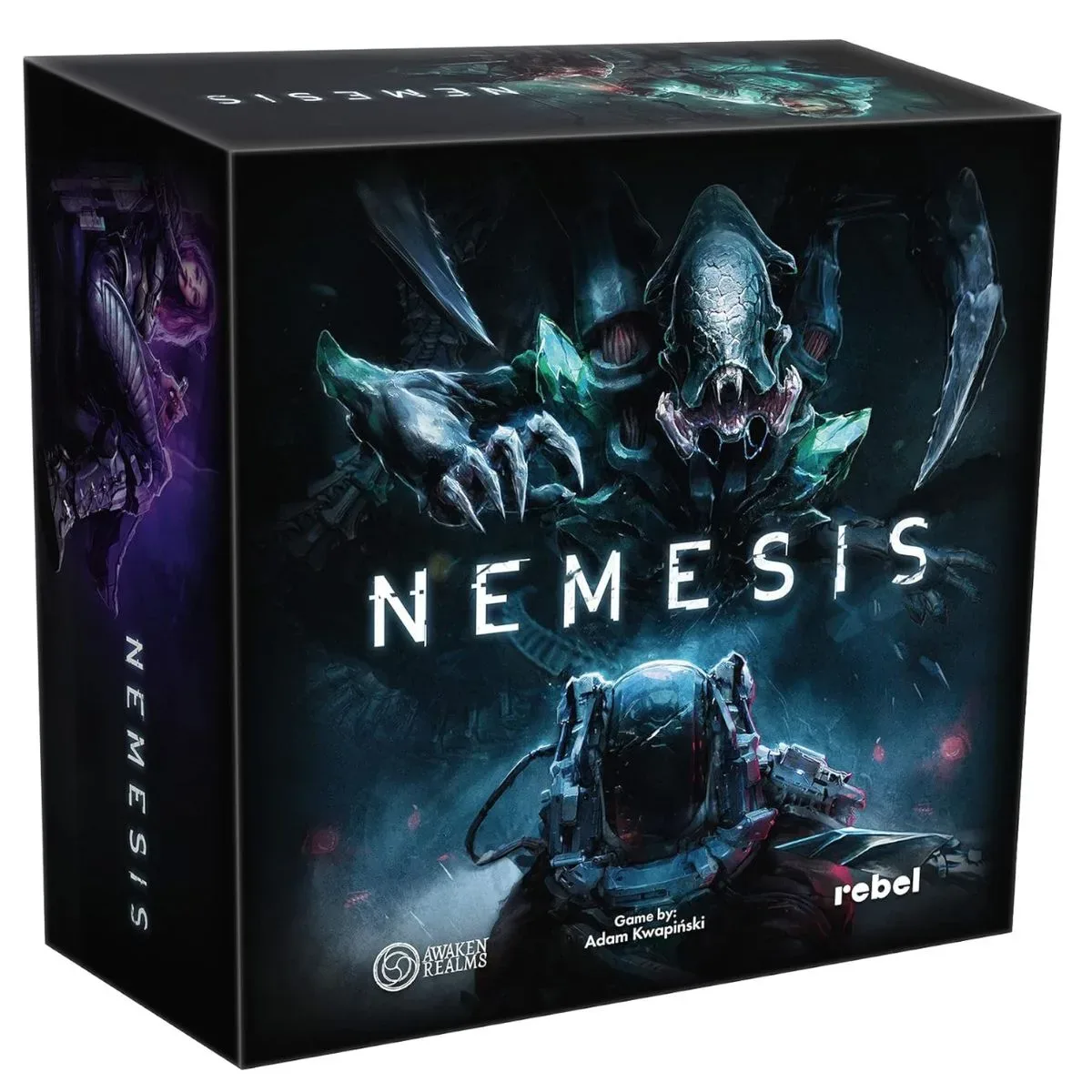
Nemesis is one of the rare exceptions. It is still a social game, and its most memorable sessions will inevitably produce plenty of laughter. But beneath that laughter is pressure: the fear that an alien will appear at the worst possible time, that the ship's systems are not working, that ammunition will run out, or that the person promising to help may have a private reason to leave someone behind.
For a Halloween gathering that wants more than decorative frights, Nemesis offers a tense science-fiction survival story. Its spacefaring nightmare owes an obvious debt to the kind of claustrophobic alien horror in which a crew awakens in danger, discovers something terrible is loose aboard the vessel, and learns that survival is never guaranteed. The names and details are its own, but the mood is unmistakable.
Why tabletop horror is difficult to make frightening
There is an inherent challenge in making a board game scary. Players are generally sitting in a well-lit room with friends, talking through moves and checking rules. The physical act of taking turns gives everyone a degree of distance from the events on the board. That environment is excellent for games such as Betrayal at House on the Hill, Arkham Horror, and Horrified, all of which can create memorable horror adventures. But they often play more like entertaining monster stories than experiences designed to inspire dread.
For useful background on this topic, read Anime Ball Duels codes for October 2026: Active Rewards and Redemption Steps.
Nemesis finds its horror through consequences rather than simply through its visuals or setting. Its aliens, known as Intruders, are dangerous enough that a confrontation can derail a player's entire plan. Injury, contamination, noise, fire and limited resources all create problems that do not politely wait their turn. The game makes players feel that they are not heroic monster hunters clearing rooms at their leisure. They are survivors trying to hold a failing situation together long enough to escape.
That difference matters. A monster is not automatically frightening just because it is on a card or miniature. It becomes frightening when seeing it means a player has to reconsider every decision that follows. Nemesis is particularly effective when it turns an apparently manageable objective into a disaster because a nearby threat emerges, a room proves unsafe, or a route through the ship becomes too risky to use.
A waking nightmare on a randomized ship
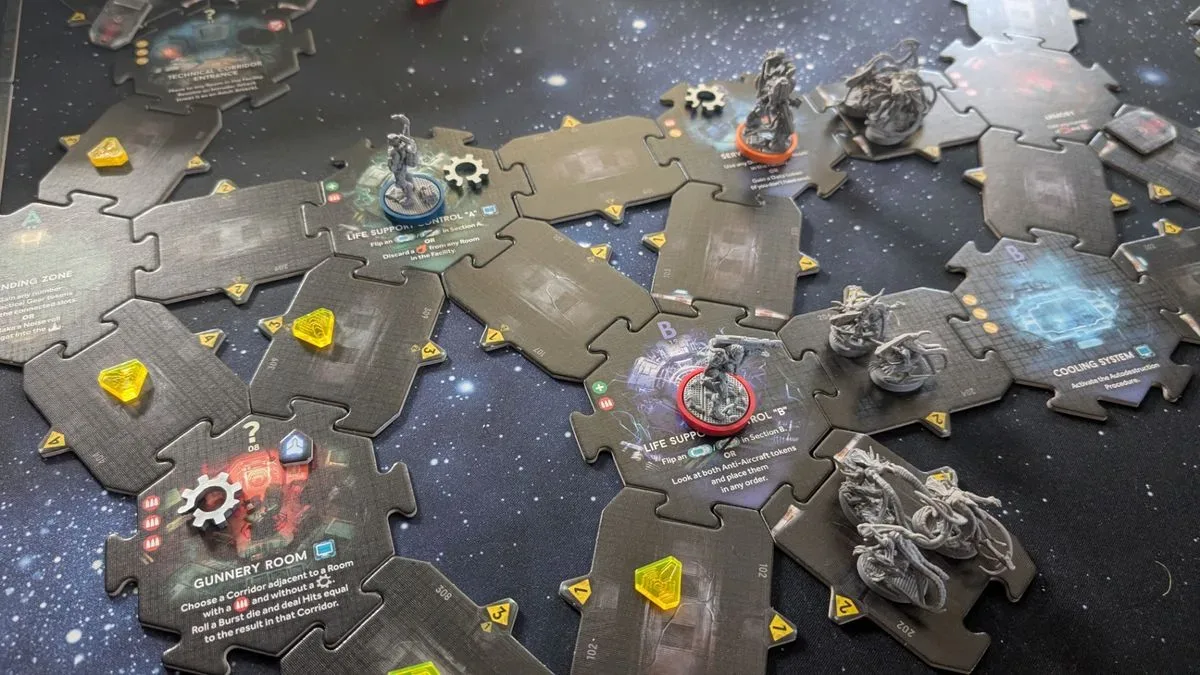
At the beginning of a standard Nemesis session, the characters wake from hibernation with incomplete knowledge of what has happened. A body is already present, but the crew's hypersleep-induced amnesia means the ship itself is not fully understood. The layout is randomized, so players must explore room by room to establish where they are, what systems are operational, and which paths might lead to safety.
This exploration phase is a major part of the game's tension curve. Early turns may feel relatively quiet, apart from the worrying evidence that something is wrong. Players investigate rooms, search for useful items and attempt to establish the state of vital ship components. There is purpose to this work, but there is also uncertainty. No one begins with the luxury of knowing exactly where they need to go or whether the ship is ready to carry them home.
Then the consequences of movement begin to accumulate. Making noise can draw attention. The Intruders can arrive through vents or appear in locations where the crew does not want them. A route that seemed safe can suddenly become a trap. Nemesis is not merely about fighting aliens; in fact, direct combat is frequently a choice players would prefer to avoid. The creatures are savage, and even a successful encounter can cost crucial time, cards, ammunition or health.
That escalating structure gives the game a strong horror rhythm. The early game asks players to investigate. The middle game asks them to improvise under growing pressure. By the end, every action can feel like it needs to accomplish two things at once: keep a character alive now and preserve a route to completing an objective later.
Cooperation always comes with an asterisk
Nemesis is often described as semi-cooperative, and that small qualification is the engine behind some of its best stories. Players need one another. A crew member may provide combat support, repair a vital system, share a useful item or simply make an encounter with an Intruder more survivable. Trying to face every danger alone is usually a bad idea.
At the same time, each character has hidden objectives. Some of these can align reasonably well with collective survival. Others may push someone toward choices that are difficult to explain, such as protecting a specimen, preserving a secret, or making certain that another player does not make it out. The result is a persistent uncertainty that changes the way every offer of help is received.
Did someone truly repair the engines? Is a teammate coming to assist because it is the sensible move, or because they need access to the room? Why is a player carrying something that looks deeply unsafe? These questions are not an optional layer of role-playing pasted over a conventional cooperative game. They are central to the atmosphere.
Players can make rational, useful decisions while still pursuing their own interests, which is what makes the paranoia work. An ally does not need to act openly villainous to be suspicious. They only need to make one choice that benefits them slightly more than it benefits everyone else. In a game where death can come from aliens, fire, the destruction of the ship or the hazards of space, that uncertainty makes human behavior part of the threat.
Nemesis is at its strongest when the table cannot tell whether a rescue is coming or whether someone is quietly arranging an escape for themselves.
Failure is not a footnote in Nemesis
Many board games let players recover comfortably after a setback. Nemesis can certainly produce comeback moments, but it is not designed to make survival feel routine. Death is common enough that players learn quickly to respect the game's threats. A character might be overwhelmed by Intruders, trapped by a disastrous chain of events, abandoned by another survivor, or caught in a ship-wide catastrophe.
That harshness is not for every group. Players looking for a relaxed introduction to board gaming may find its rules, length and unforgiving nature intimidating. It also requires a table that can handle betrayal and sharp reversals without taking them personally. The best Nemesis groups understand that being locked in a burning room or left behind during an evacuation is part of the story the game is designed to tell.
For the right audience, however, these setbacks are exactly why the victories matter. Surviving after a difficult sequence of decisions feels earned. Pulling off a plan with limited resources creates the kind of ending that gets retold long after the box is put away. Even defeat can be entertaining when it arrives in suitably dramatic fashion.
Which Nemesis should new players consider?
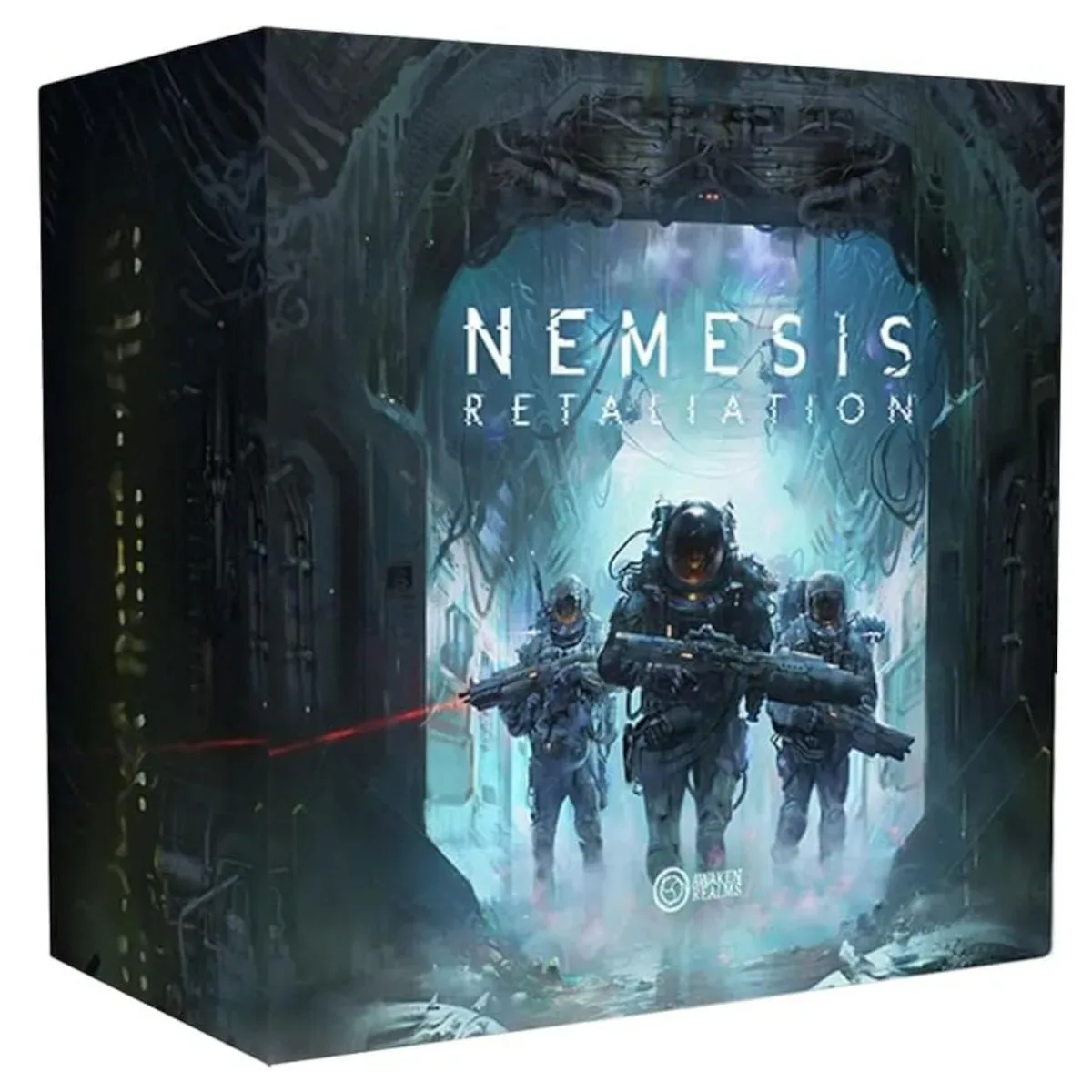
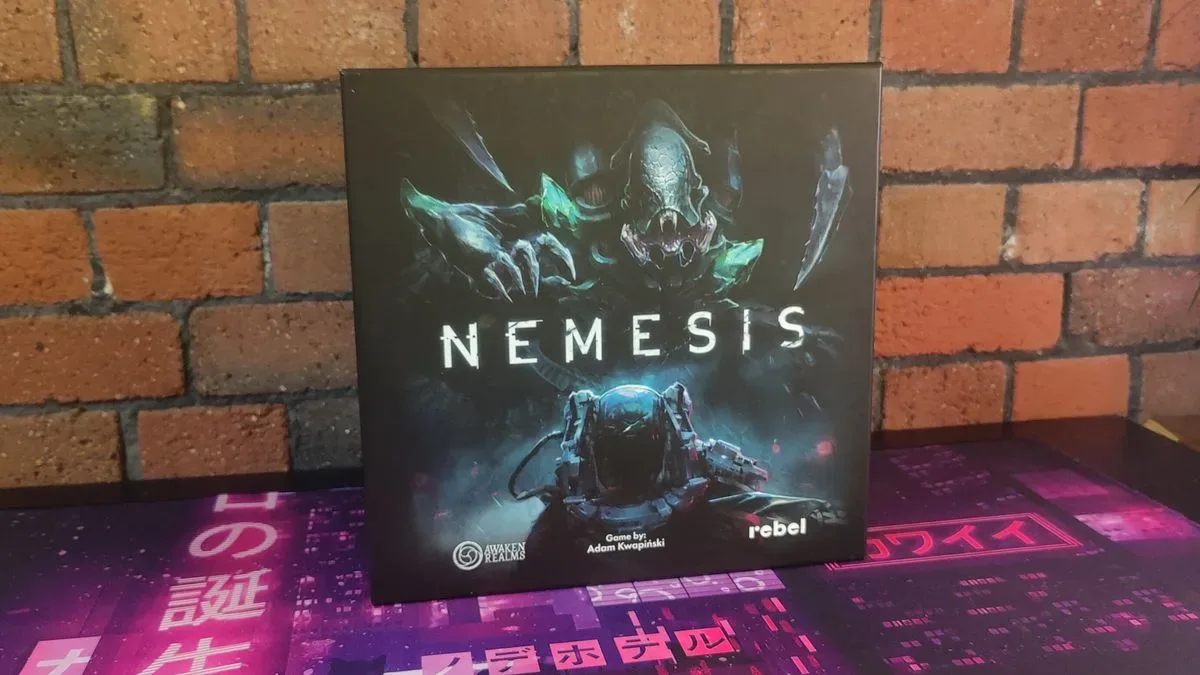
There are currently three main versions of the experience: Nemesis, Nemesis: Lockdown, and Nemesis: Retaliation. They are distinct games and settings, but all deliver variations on the same core appeal: dangerous alien encounters, uncertain cooperation and highly emergent stories.
- Nemesis is the original spaceship survival scenario. It remains the recommended starting point for players who can find it at a reasonable price, but availability can be inconsistent and copies may command more than the suggested retail price.
- Nemesis: Lockdown moves the action to a secret research base. It preserves the series' pressure and hidden-motive structure while shifting the location and specific challenges.
- Nemesis: Retaliation puts players in the role of a highly trained marine squad, giving it a more action-oriented flavor. It is widely available, making it a practical entry point for groups unable to locate the original.
A Legacy version is also planned, offering another future direction for the series. Until then, the simple advice is that the best Nemesis is often the one a group can actually obtain and get to the table. The shared DNA is strong enough that each version can provide the suspense, conflict and desperate escapes that define the line.
A story generator for a properly spooky evening
The greatest strength of Nemesis is not that it perfectly simulates a particular science-fiction film. It is that it gives players the materials to create their own disaster movie. One game may become a tale of an unlikely alliance that kept a damaged ship functioning. Another may end with someone discovering too late that the crew member carrying an Intruder egg had their own agenda. A third may turn into a frantic rush toward escape while the ship burns and every promise of assistance becomes questionable.
Those stories emerge because the game combines randomized exploration, punishing danger, personal objectives and mutual dependence. Players are never just watching horror happen. They are contributing to it, occasionally preventing it, and sometimes making it much worse for everyone else.
For Halloween, that makes Nemesis a particularly strong choice for a group willing to embrace a long, high-stakes game night. Turn down the lights if the table still needs atmosphere, accept that not everyone will make it home, and remember that the aliens are only one of the dangers aboard the ship. In Nemesis, the people sitting beside you may be the reason you survive. They may also be the reason you do not.
Community
Discussion
Start the conversation.
No comments have been posted yet.