

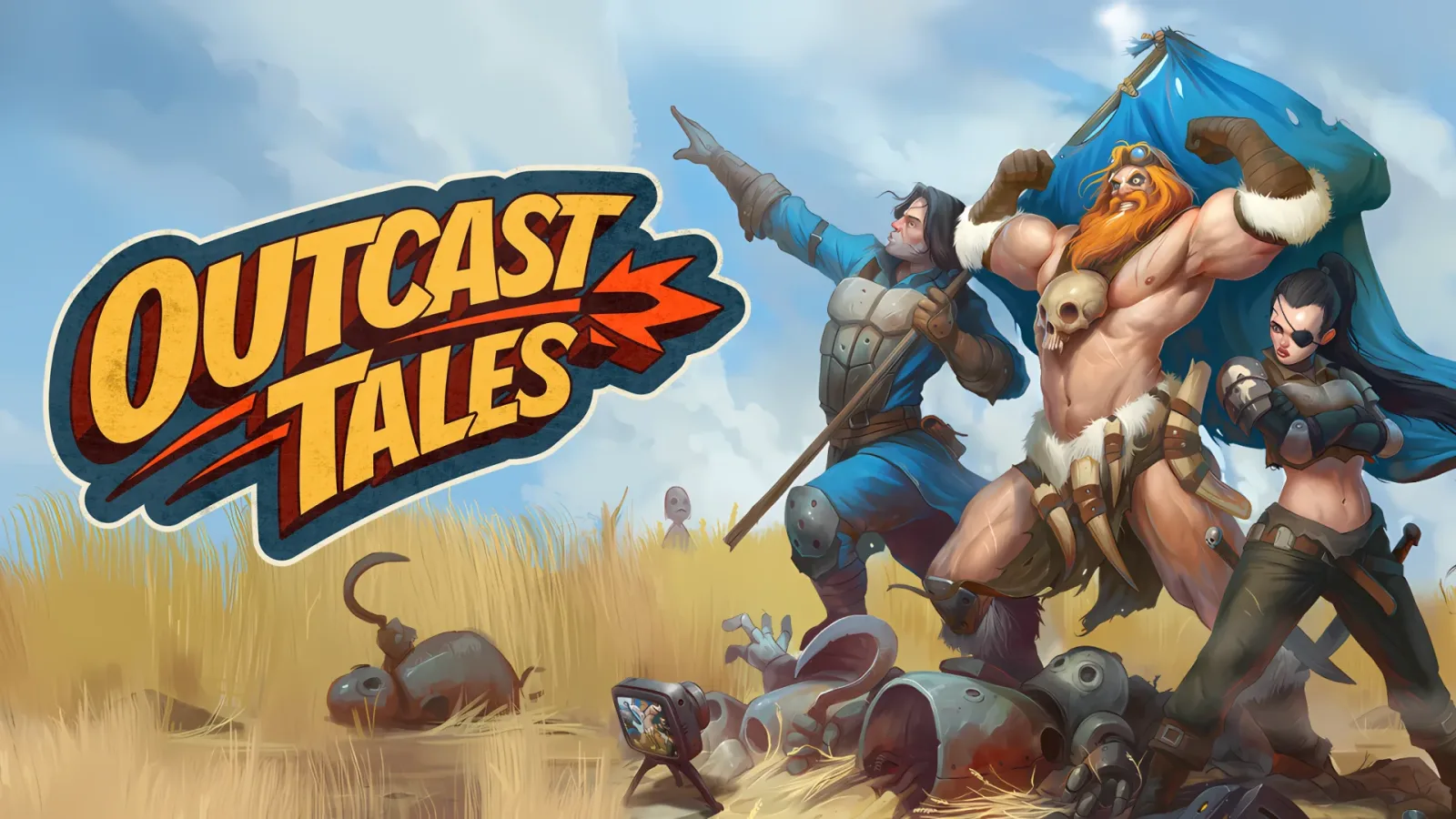
Outcast Tales, the party-focused roguelite RPG from developer Hardlane Studio and publisher Inner Pocket, launched on Steam on October 26, 2026. The game is available as a free-to-play release and puts its central emphasis on the people players bring into the wasteland, not simply the equipment they collect along the way.
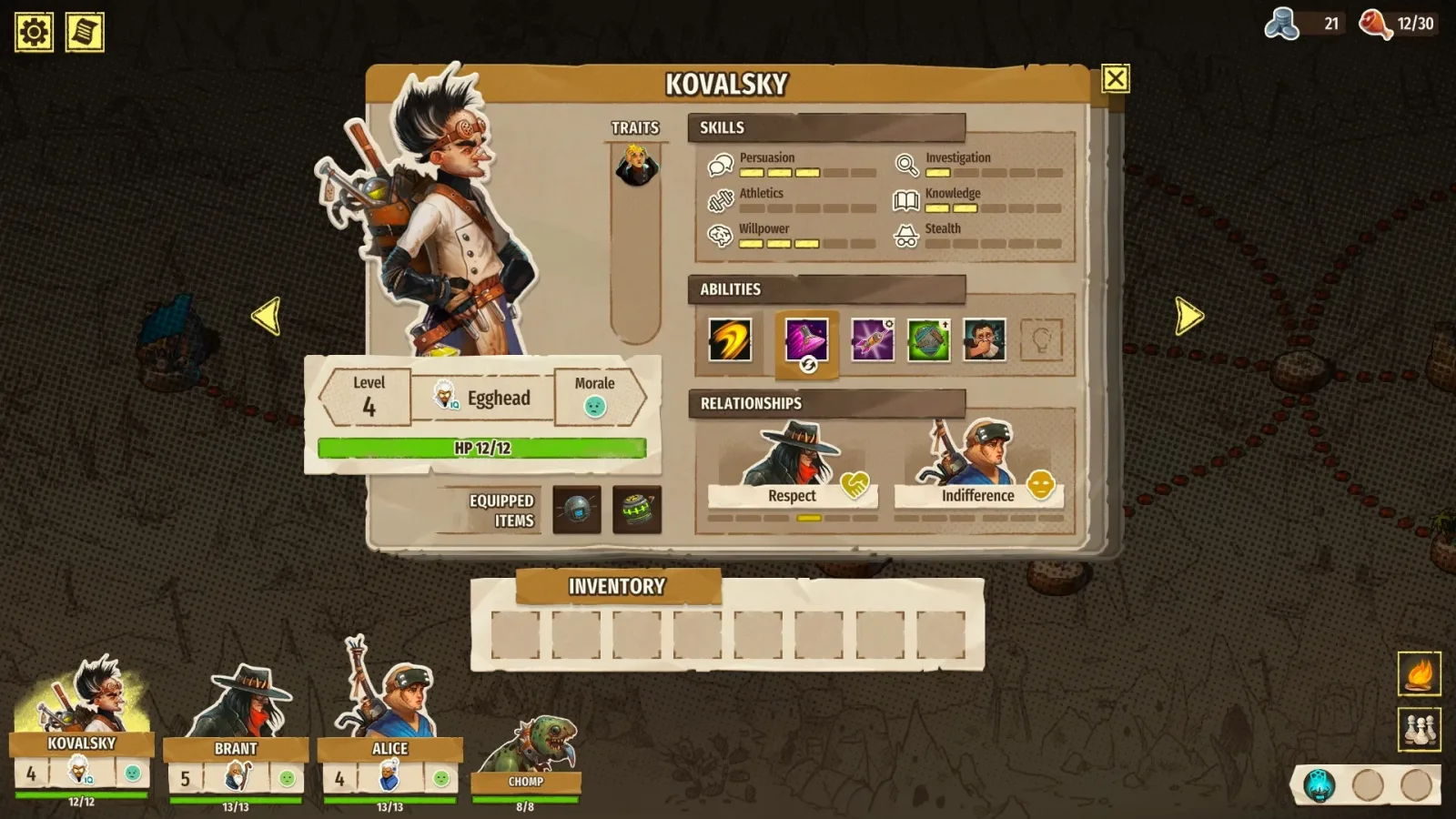
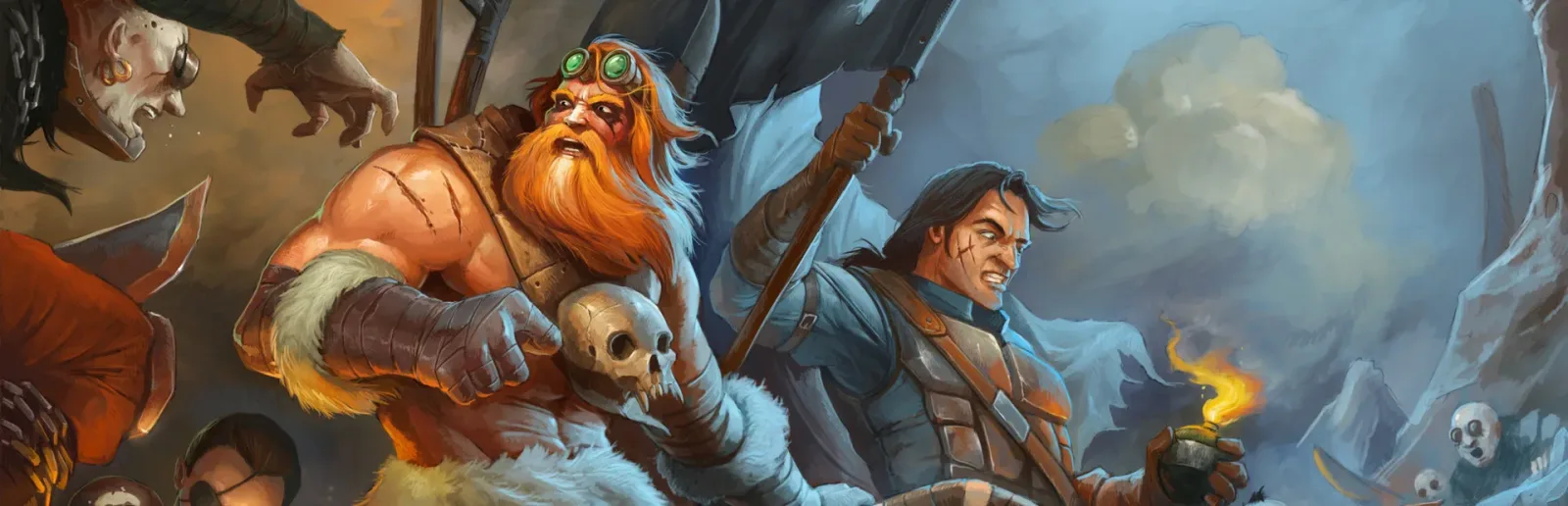
Set across a post-apocalyptic frontier, Outcast Tales combines exploration and branching decisions with turn-based tactical battles. Players assemble a team of three wanderers from a broader cast, then assign each member a personality type. That choice is designed to matter beyond flavor text: personalities can influence story results, alter combat interactions, and help determine whether a group becomes a cohesive fighting unit or a collection of survivors unable to work together.
The result is a roguelite framework where party composition is not merely a question of selecting a healer, a damage dealer, and a defensive specialist. Every crew is also a social experiment. Who travels together, how they react to difficult decisions, and whether their relationships improve or collapse can all become part of the challenge of surviving another run.
A Three-Person Crew at the Center of Every Run
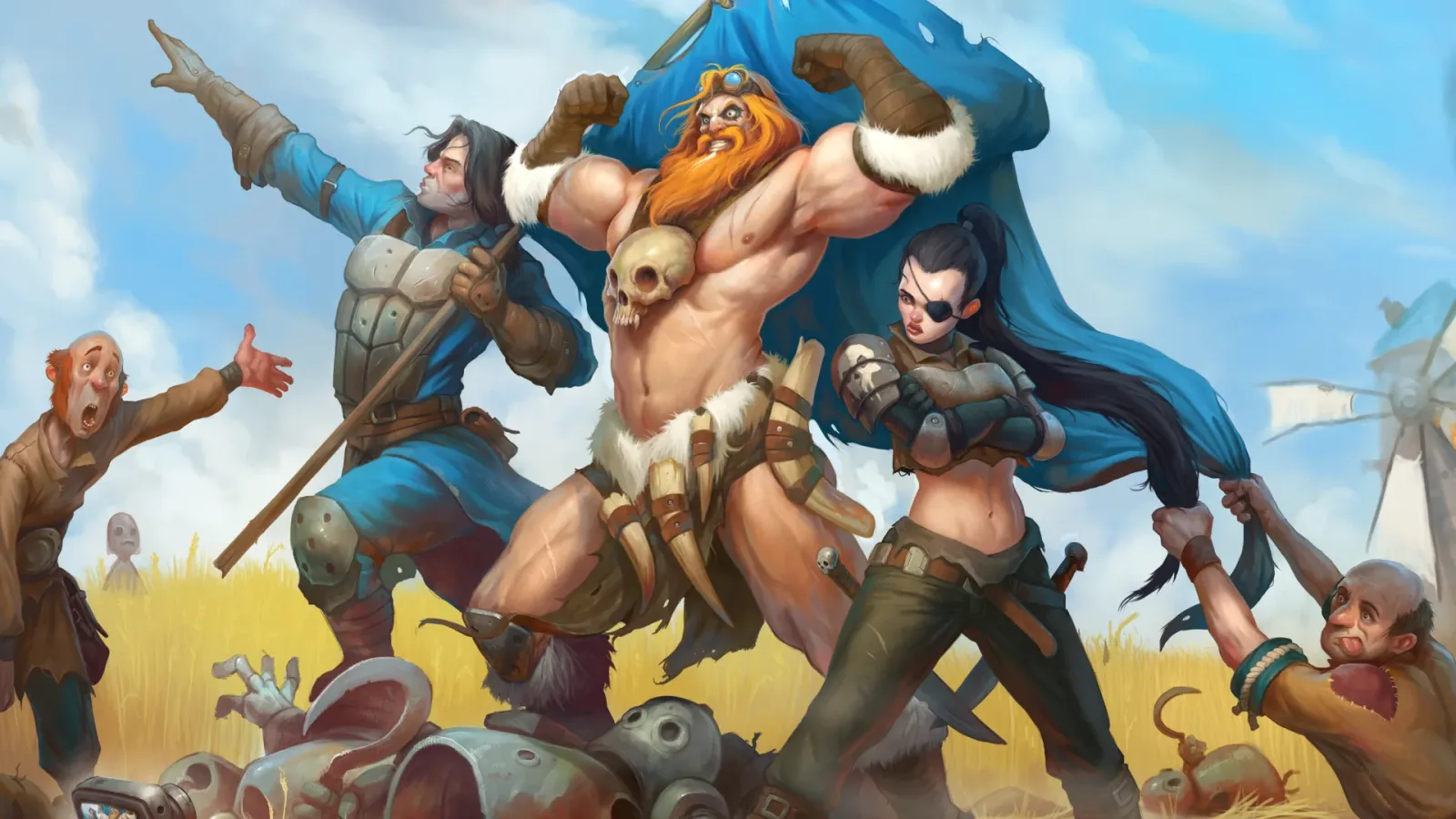
Outcast Tales is built around small squads. Each expedition begins with players choosing three characters from the game's roster of wasteland wanderers, creating a compact party with its own blend of skills, personalities, and potential tensions. The limited team size means every selection should carry weight, both in story sequences and during tactical encounters.
For useful background on this topic, read Huntsman Expands With Protect & Serve DLC and Free Hardcore Mode.
Rather than treating characters as interchangeable units, the game makes their individual dispositions a defining component of a run. Players assign personality types to heroes, and those traits can affect the way characters engage with the world and with one another. A response that seems useful in a narrative moment may have consequences for the group's internal balance later on, while a personality pairing that creates friction may make a battle more complicated than expected.
That approach gives Outcast Tales a distinct party-management angle within its roguelite structure. There is still an incentive to test different builds and combat options, but there is also reason to revisit the cast in new combinations. A crew that thrives because of one relationship dynamic could play very differently when a single member or personality assignment changes.
Relationships Can Create Synergy or Conflict
The game's intraparty relationships are intended to be an active mechanical consideration. Strong connections between characters can unlock powerful synergies, giving players an incentive to nurture combinations that complement one another. These benefits can be especially important when a crew faces increasingly demanding tactical situations.
For another perspective on this story, read Outcast Tales Arrives on Steam With Free-to-Play Tactical Runs Shaped by Party Personalities.
However, not every relationship will be positive. Outcast Tales also allows characters to become unwilling to cooperate. When party members clash, their disputes can change the practical flow of encounters rather than remaining isolated to dialogue scenes. A team with poor chemistry may find itself dealing with complications precisely when dependable coordination is most needed.
This makes each party more than the sum of its statistics. A character might appear ideal on paper because of their combat abilities, yet become a risk when paired with particular teammates or assigned a personality that provokes tension. Conversely, a less obvious choice could develop into a valuable part of the crew through an effective relationship and the synergies it enables.
For players who enjoy experimenting with team-building systems, this creates several layers to consider at once. The immediate question is whether a group can handle an upcoming fight. The longer-term question is whether that group can remain functional as choices and relationships shape the rest of the run.
Turn-Based Battles With Upgradeable Skills
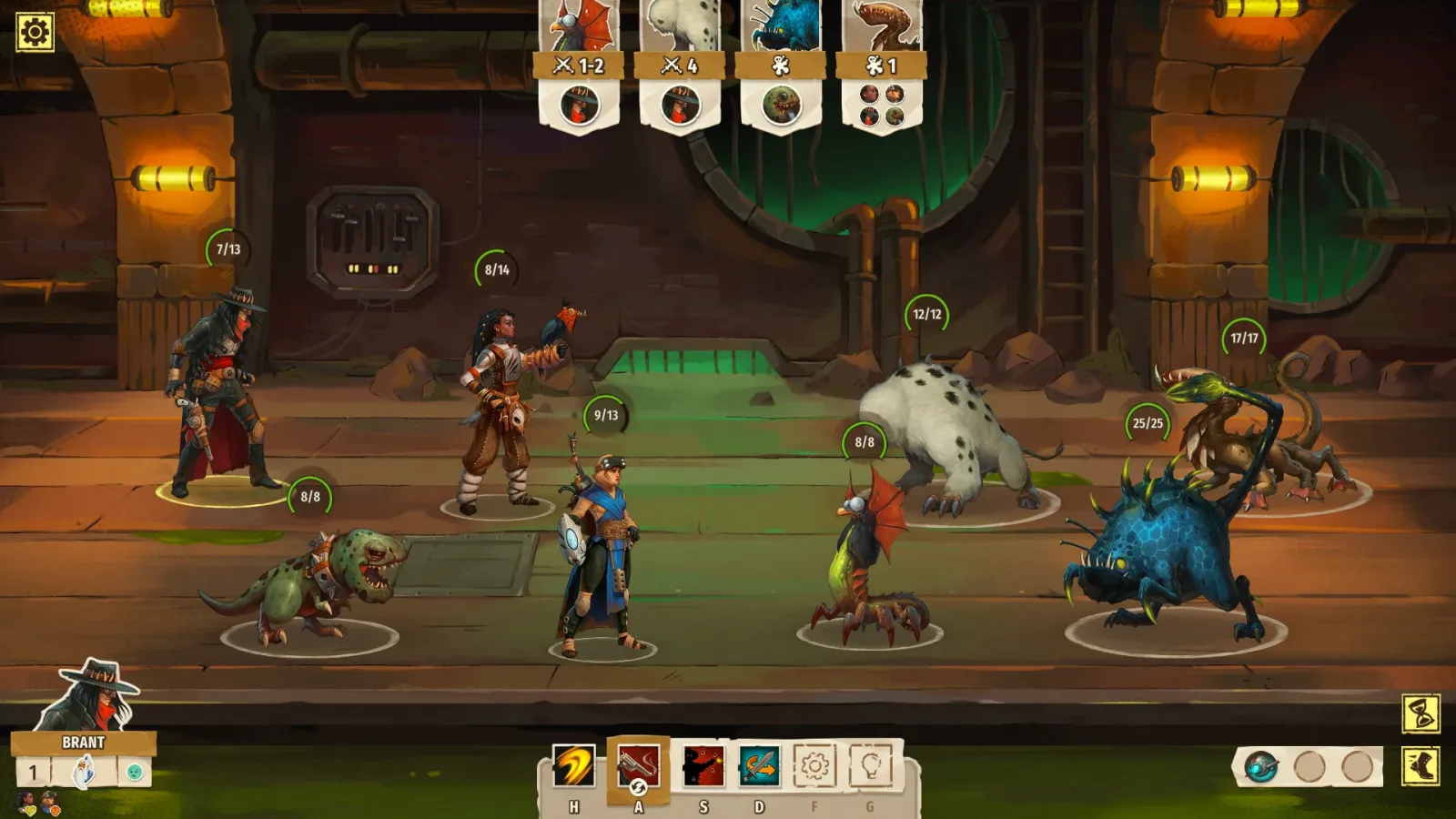
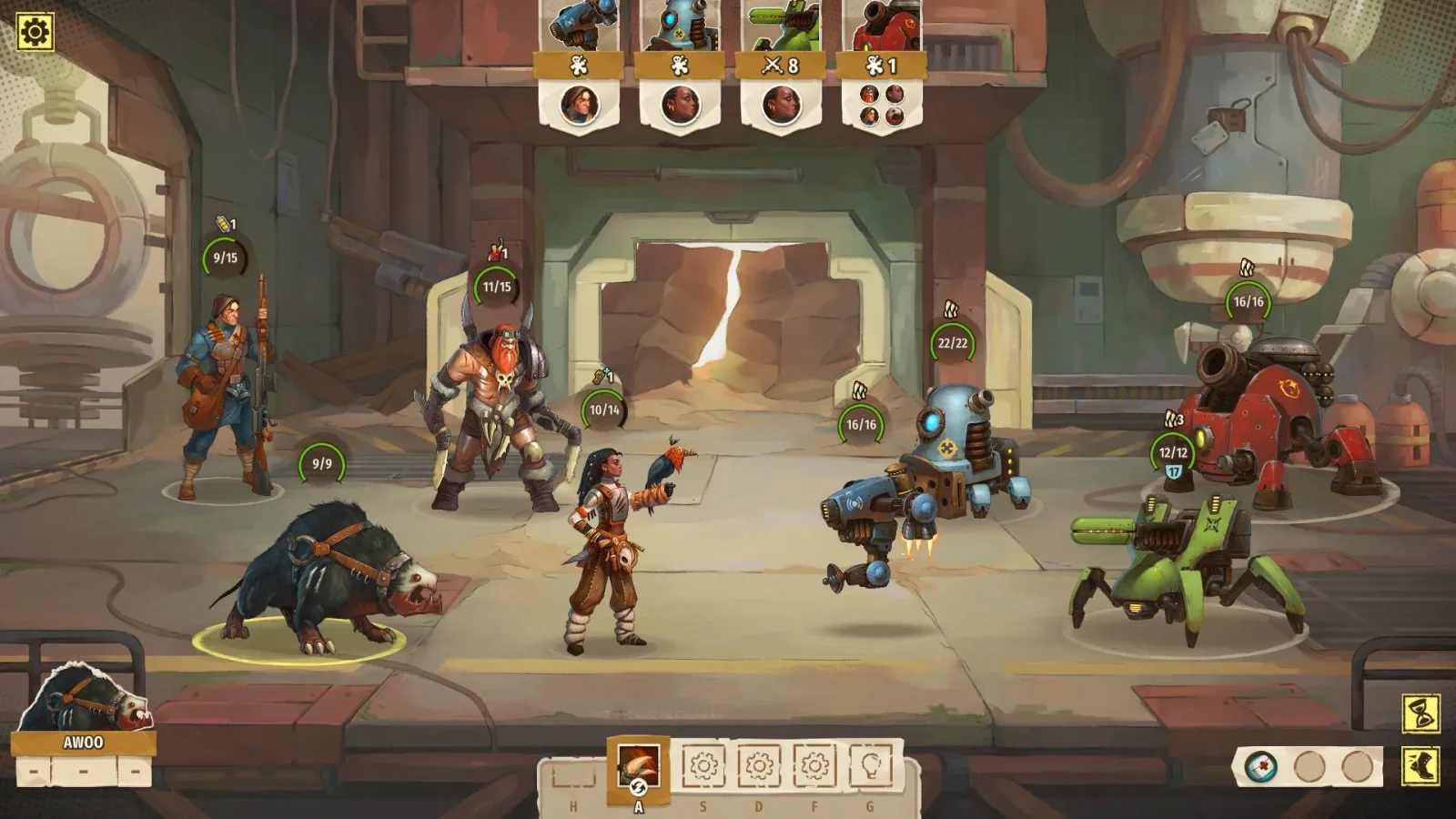
Combat in Outcast Tales is turn-based and tactical, placing the three-person crew against the threats of its post-apocalyptic setting. Characters have upgradeable skills, giving players opportunities to develop their chosen team over the course of a run and adapt to the challenges ahead.
The tactical layer is closely tied to the game's social systems. Personality choices and party relationships can influence combat interactions, which means skill upgrades and character selection do not exist in isolation. A powerful ability may be more useful in a party that can consistently coordinate around it, while tension within the group could force players to account for unexpected limitations.
Because the game encourages experimentation with both personalities and party composition, defeat and repetition are positioned as part of the process of learning what works. Players can explore different crews, adjust personality choices, and see how newly formed relationships influence their tactics. That structure fits the roguelite format while giving repeated runs a narrative and interpersonal dimension.
Exploration and Choices Across a Wasteland Frontier
Outside of battle, Outcast Tales presents story-rich exploration in a ruined frontier landscape. Players make branching choices that can shape a run and affect the dynamics of the crew. These decisions are part of the game's broader focus on replayability: a different path through the wasteland can produce a different chain of events, just as a different party can produce a different set of reactions.
The choice system also reinforces the importance of personalities. Since character traits can affect story outcomes, the same situation may not unfold identically for every crew. A party that approaches a problem with one set of attitudes and relationships could reach a different conclusion from a team assembled around another mix of wanderers.
This connection between exploration, decision-making, and party behavior gives the game a clear identity. Outcast Tales is not solely about finding the strongest tactical combination. It is also about managing a group of individuals whose ability to survive depends on the way they relate to the journey, its dangers, and each other.
What Players Can Expect From Outcast Tales
At launch, the game's core offering centers on repeatable runs through a post-apocalyptic world, with party experimentation serving as a key reason to return. The available systems invite players to test whether a carefully planned team will develop the right chemistry or whether conflict will disrupt an otherwise promising strategy.
- Three-person party construction: Choose a crew from a roster of distinct wasteland characters.
- Personality assignment: Give heroes personality types that can affect narrative developments, relationships, and combat interactions.
- Relationship-driven outcomes: Build connections that may unlock effective synergies, while navigating the possibility that characters refuse to cooperate.
- Turn-based tactical combat: Take crews into strategic encounters using characters with upgradeable skills.
- Branching decisions: Make choices during exploration that can influence the direction of a run and the group's evolving dynamics.
- Roguelite replayability: Revisit the wasteland with different party combinations and personality setups to discover new approaches.
A Free-to-Play Entry Point on PC
Outcast Tales is available now on Steam as a free-to-play game. Its launch gives PC players a new tactical roguelite built around an unusual question: not just whether a party has the right abilities for the job, but whether its members can stand one another long enough to use them.
For players drawn to turn-based strategy, branching narrative choices, and character-driven runs, the game's relationship system may be its most notable feature. It turns every crew selection into a decision with potential consequences across multiple systems. A successful group may grow into a tightly linked unit with useful combat synergies, while a mismatched team can turn the same journey into a struggle against threats both outside and inside the party.
With its Steam launch now underway, Outcast Tales offers a free-to-play route into a wasteland adventure where tactical planning and interpersonal management share equal importance. The strongest survivors may not always be the characters with the biggest attacks or the most upgrades. They may be the ones who can still work together when the frontier puts their crew to the test.
Community
Discussion
Start the conversation.
No comments have been posted yet.