

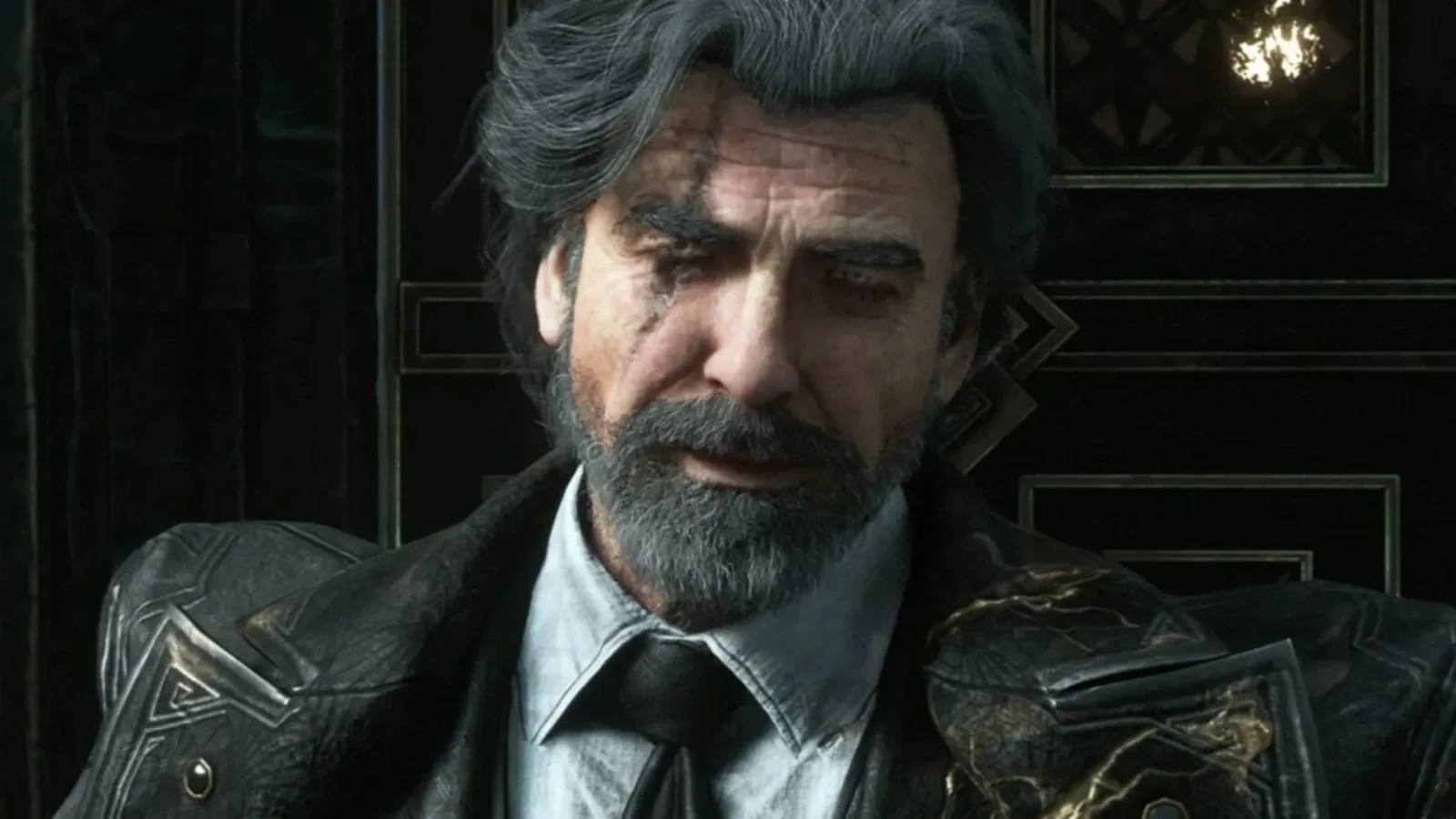
The argument over what qualifies as an indie game has become increasingly difficult to settle, particularly as smaller teams work with publishers, receive outside investment, and release games that compete for attention alongside the industry's largest productions. John "Bucky" Buckley, Pocketpair's head of publishing and communications, has added his view to that continuing conversation: the defining question should be whether a studio retains creative control.
Buckley discussed the issue while reflecting on the position of Pocketpair, the studio behind Palworld. He said the company is fully self-funded and does not have outside financial influence, a situation that makes its independent status relatively straightforward in Pocketpair's eyes. But he also acknowledged that the broader label has become much less clear-cut as game development costs rise and studios seek help to get projects completed, marketed, and seen.
His central point is that accepting support does not automatically mean a developer has surrendered its independence. For Buckley, the important distinction is whether another company is directing the game's creative decisions or applying pressure that meaningfully changes the studio's authorship over its work.
Embedded X/Twitter post
Creative freedom as the dividing line
In Buckley's view, creative independence is the most meaningful standard for deciding whether a studio can reasonably be called independent. A team that has genuine freedom over its game's direction, he argued, can still fit the indie description even if it has received money or assistance from elsewhere.
For useful background on this topic, read Final Fantasy Resonance Producer Pushed Back Against a Basic Brave Exvius Port.
The opposite is also true. If an external partner is making key creative calls, setting the project's direction, or otherwise exercising control over what the developer makes, the claim to independence becomes harder to defend. This approach shifts the conversation away from a simple question of budget and toward a question of authority.
That matters because "indie" has never been a perfectly stable business category. In its most literal form, the word suggests independence from a larger owner or corporate structure. In common gaming use, though, it often carries several other meanings at once: a small team, a modest budget, an unusual idea, a distinctive art style, or a game made outside the conventional blockbuster pipeline. Those meanings frequently overlap, but they do not always describe the same thing.
A studio can be small yet work under restrictive publishing terms. Another can employ dozens of people, have a substantial marketing campaign, and still retain final say over the game itself. A developer might finance a project independently but later partner with another company for distribution, testing, localization, console work, public relations, or marketing. Treating all of those arrangements as identical makes the label less useful rather than more precise.
Why Clair Obscur: Expedition 33 entered the discussion
Clair Obscur: Expedition 33 became part of the conversation because its Best Indie Game nomination at The Game Awards prompted debate over whether outside publishing support should affect its indie status. Buckley questioned the idea that a game should be treated as non-indie solely because another party helped with marketing.
The issue illustrates why the word has become so contentious. Players can see a polished presentation, broad promotional reach, or a publisher's name attached to a game and reasonably conclude that the project has more resources than a typical one-person or garage-based development effort. Yet promotional support is not necessarily the same as control over the creative work. A publisher can be deeply involved in one project and relatively hands-off in another. The contract, financing structure, rights ownership, approval process, and day-to-day relationship all matter.
There is also no single universally accepted threshold at which a game becomes too successful, too expensive, or too visible to be considered indie. That ambiguity becomes especially obvious during awards season, when games with dramatically different team sizes and business arrangements can compete in the same category. Critics may feel that a well-funded project crowds out smaller teams. Supporters may argue that independence should not be revoked simply because a developer made an ambitious game or found a partner capable of expanding its audience.
Buckley's argument does not eliminate that tension, but it does offer a clearer principle than judging a game solely by its public profile. A large marketing push may tell audiences that someone believes in a game's commercial potential. It does not, on its own, establish who made the creative choices.
Stardew Valley remains a useful example
Buckley also pointed to Stardew Valley, asking whether past marketing help from Chucklefish should disqualify it from being considered indie. The example is a particularly useful one because Stardew Valley has grown into an enormous success while remaining closely associated with its creator, ConcernedApe, and a small team.
The game's scale as a cultural phenomenon is far greater than what many people picture when they hear the term indie. Its music has an official concert tour, and its reach has extended well beyond the narrow audience that may have first encountered it as a farming and life simulation game. Even so, commercial success alone does not retroactively turn a creator-led game into a major corporate production.
This is one of the industry's recurring contradictions. Players often celebrate indie games precisely because they can break through and become huge. But once they do, the size of their audience can lead some observers to question whether the label still applies. If indie status is tied to remaining obscure, then the term becomes a measure of market performance rather than ownership, creative autonomy, or development circumstances.
That would create a strange standard: a game is independent only until it succeeds too visibly. Buckley's emphasis on creative control pushes back against that assumption. Under this view, a team does not stop being independent simply because its work finds a massive audience, receives marketing assistance, or gains enough revenue to grow.
Why funding still complicates the issue
Creative authority may be the strongest measure of independence, but it is not the only factor people will consider. Funding arrangements can have major consequences even when a studio appears to retain control. Investors, publishers, platform holders, and other partners can shape a game indirectly through milestones, budgets, release expectations, exclusivity arrangements, and the practical need to satisfy commercial goals.
At the same time, outside funding is often essential. Games take years to make, and developers need to pay staff, contractors, and operating costs long before sales revenue arrives. Requiring every indie team to self-fund would exclude many creators who are independent in their artistic goals but lack the personal resources to shoulder the entire risk alone.
That is why a strict "no outside money" definition is difficult to apply across the modern industry. It may describe some studios, including Pocketpair's stated self-funded position, but it cannot capture every legitimate path through which a developer can retain control. A better discussion has to account for degrees of independence rather than treating the matter as an all-or-nothing badge.
- Ownership: Who owns the studio and the intellectual property?
- Creative approval: Who has the final decision on design, story, art, and major production choices?
- Funding: Does outside financing come with control, or does it primarily provide resources?
- Publishing support: Is the partner handling marketing and distribution, or actively steering development?
- Team scale: How large is the developer, and how much of the work is done internally?
No single item on that list can provide a complete answer. But together they offer a more useful picture than assuming that a publisher logo, a successful launch, or a bigger-than-expected production value settles the question.
The label may be less important than the conditions behind it
The indie label still matters because it helps players discover games outside the established blockbuster ecosystem. It can signal that a project may bring a different perspective, take an unusual creative risk, or be made by a team with more direct ownership over its ideas. However, the label also carries commercial value, which helps explain why the debate can become so heated. Being identified as indie can shape press coverage, storefront visibility, community expectations, and awards eligibility.
For that reason, there will probably never be a definition that satisfies everyone. Some players will prioritize budget and team size. Others will look at whether a publisher is involved. Still others will focus on ownership and final creative authority. Buckley's stance is not a claim that every project with marketing help belongs in the same category, but rather a warning against using one factor as a shortcut for a far more complicated business relationship.
His final principle is simple: creative control is paramount. As development becomes more expensive and the lines between self-publishing, co-publishing, investment, and marketing partnerships continue to overlap, that may be the most practical question to ask. Not merely who paid for a campaign, but who had the power to decide what the game would become.
Community
Discussion
Start the conversation.
No comments have been posted yet.