


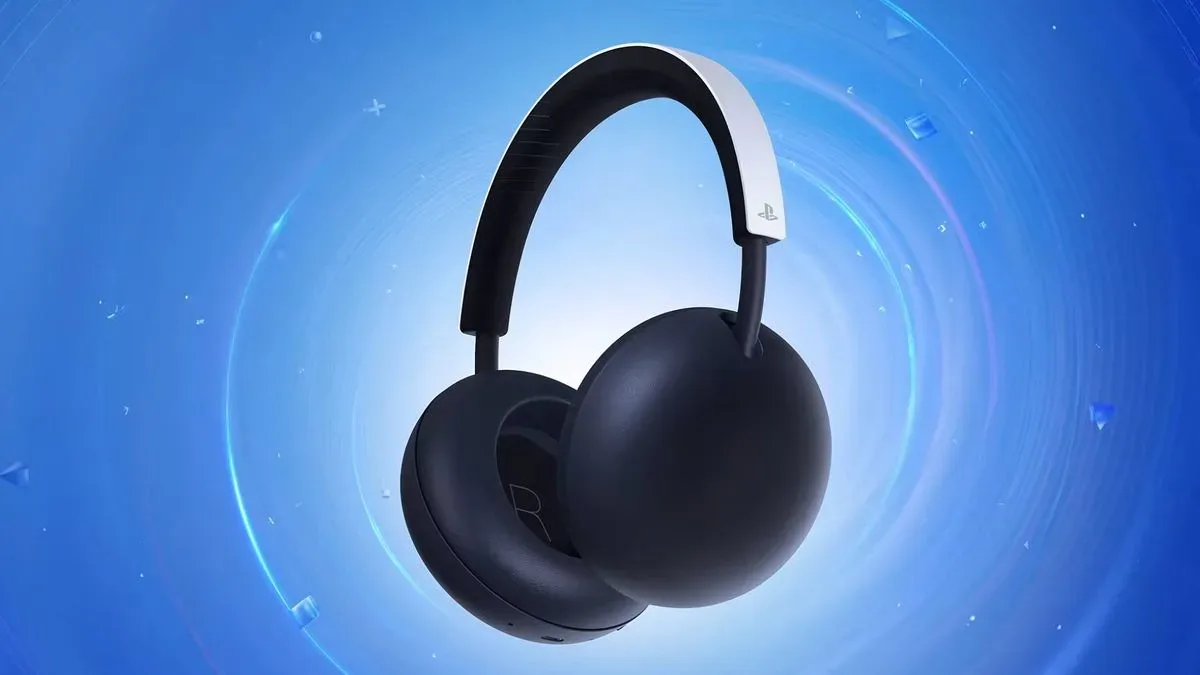
PlayStation is preparing a new pair of wireless audio products built around planar magnetic driver technology. The newly announced PlayStation Pulse wireless headset and PlayStation Pulse Edge wireless headset are intended for the PS5 ecosystem and will both support PlayStation Link connectivity for use with PS5 and PS Portal.
The two models are not arriving at the same time. PlayStation expects the standard Pulse wireless headset to launch during the holiday season, while the more feature-rich Pulse Edge wireless headset is planned for early 2027. Prices have not yet been announced, though PlayStation has said further details should arrive soon.
The announcement signals a continued commitment to planar magnetic audio in the company's gaming hardware. Rather than treating the technology as a niche addition, the new headsets place it at the center of their sound design, with larger planar audio drivers than earlier Pulse products. The goal is fuller, deeper bass without sacrificing the clean presentation that players expect from game audio, music, and voice chat.
Planar magnetic drivers take center stage
Planar magnetic drivers work differently from the conventional driver designs found in many headphones and gaming headsets. They use a very thin diaphragm with conductive wiring spread across its surface. Magnets positioned around that diaphragm create the magnetic field that moves it in response to an audio signal.
For useful background on this topic, read Wo Long 2: Wings of Ember Launches March 4, 2027, With Alpha Demo Live Now.
That approach can allow the diaphragm to move more evenly, which is one reason planar magnetic designs are often associated with detailed sound and controlled bass. It is also a more complex arrangement than the hardware used in many standard headset drivers. More magnets and larger components can potentially add weight, however, and PlayStation has not provided the final weight specifications for either new model.
Both incoming Pulse headsets use planar drivers, but the Pulse Edge is positioned as the premium option. Sony Interactive Entertainment Vice President of Engineering Joe Bentley said that the Edge includes double the magnet volume of the standard Pulse model. The Pulse Edge will have eight magnets per planar driver, compared with four magnets per driver in the Pulse.
In practical terms, the extra magnets are designed to support more even air movement and a clearer, more substantial low-end response. That does not automatically establish how the products will compare with other gaming headsets once they are available, but it sets a clear technical distinction between PlayStation's two forthcoming models.
Pulse Edge adds ANC, case, and audio controls
The Pulse Edge wireless headset carries the larger feature set of the two. Most notably, it will introduce active noise cancellation to this part of the PlayStation Pulse lineup. ANC is designed to reduce unwanted environmental sound, potentially making it more useful for players gaming in busy homes, shared spaces, or other noisy environments.
The Edge will also include a detachable boom microphone for voice communication and AI-enhanced noise rejection. Those features are intended to help isolate a player's voice from surrounding noise during multiplayer sessions and party chat. A removable boom mic also gives users the option to alter the headset's setup when they are not communicating with others.
PlayStation has confirmed several additional conveniences reserved for the Edge: a carrying case and integrated game-audio/chat-balance controls. Dedicated balance control can be particularly helpful in competitive games, allowing players to adjust the relationship between game sound and teammates' voices without leaving the action to search through console menus.
With ANC, the higher magnet count, the carrying case, and the additional controls, the Pulse Edge is clearly being framed as the enthusiast-oriented model. It is worth noting that neither a price nor detailed information on battery life, weight, or broad device compatibility has been provided yet. Those unanswered details will matter when players are deciding whether its expanded feature list justifies the eventual cost.
The standard Pulse arrives sooner
Players interested in PlayStation's new planar magnetic direction will not need to wait for the Edge's early 2027 launch. The standard Pulse wireless headset is scheduled for the holiday season, making it the first of the two to reach the market.
It will retain several core features shared with its premium counterpart. The Pulse will support PlayStation Link, include a detachable boom microphone, and use AI-enhanced noise rejection. It will also deliver planar magnetic sound, albeit with four magnets per driver rather than the Edge's eight.
The standard model will not include active noise cancellation, the Edge's carrying case, or built-in controls for balancing game audio and chat. Those omissions create a straightforward choice between the two products: Pulse is the earlier, less elaborate headset option, while Pulse Edge layers on more hardware and quality-of-life features for those willing to wait longer for it.
PlayStation has also confirmed White and Midnight Black color options for the Pulse wireless headset. No equivalent color details were specified for the Pulse Edge in the announcement information. As with pricing, further design and configuration details may clarify the final range closer to launch.
Designed around PS5, PS Portal, and PlayStation Link
PlayStation Link support is a major common thread between the new headsets. The proprietary wireless connection is set to let players pair the Pulse and Pulse Edge with PS5 as well as PS Portal. That makes the products relevant not only for console sessions in front of a television, but also for remote-play use through PlayStation's handheld accessory.
For PS Portal owners, headset support can be especially important. A wireless audio option designed specifically for the wider PlayStation ecosystem gives users a route to private listening and chat without relying on a living-room speaker setup. The shared Link support means a player choosing between Pulse and Pulse Edge does not have to give up that ecosystem integration.
There are still boundaries to what has been confirmed. PlayStation has not announced final retail pricing for either headset, and there is no stated release day beyond the holiday-season window for Pulse and the early-2027 window for Pulse Edge. Technical information such as headset weight has also not been detailed, despite the potential impact of the more magnet-heavy Edge construction.
A broader planar audio push for PlayStation hardware
The headset announcement follows PlayStation's recent interest in bringing planar magnetic technology to more of its audio hardware. Players who want a different form factor have another upcoming option in the Pulse Elevate wireless speakers, which are available to pre-order through PlayStation Direct for $219.99 in the US and £199.99 in the UK.
That larger strategy makes the new Pulse models more than a routine peripheral refresh. PlayStation is building multiple products around a particular audio approach, spanning speakers and headsets while continuing to support PS5 and PS Portal through PlayStation Link.
For now, the standard Pulse is the model to watch for players seeking a new PlayStation wireless headset in the nearer term. The Pulse Edge, meanwhile, appears intended to be the more comprehensive follow-up: one with active noise cancellation, extra magnets in each driver, a protective case, and direct game/chat balance controls. The remaining questions are significant--especially price, comfort, and battery performance--but the broad division between the two models is already clear.
PlayStation's next audio lineup will therefore offer a choice based not just on color or wireless support, but on sound hardware and feature depth. More information is expected before the products arrive, and those details should determine where the Pulse and Pulse Edge ultimately sit in the increasingly competitive console-headset market.
Community
Discussion
Start the conversation.
No comments have been posted yet.