

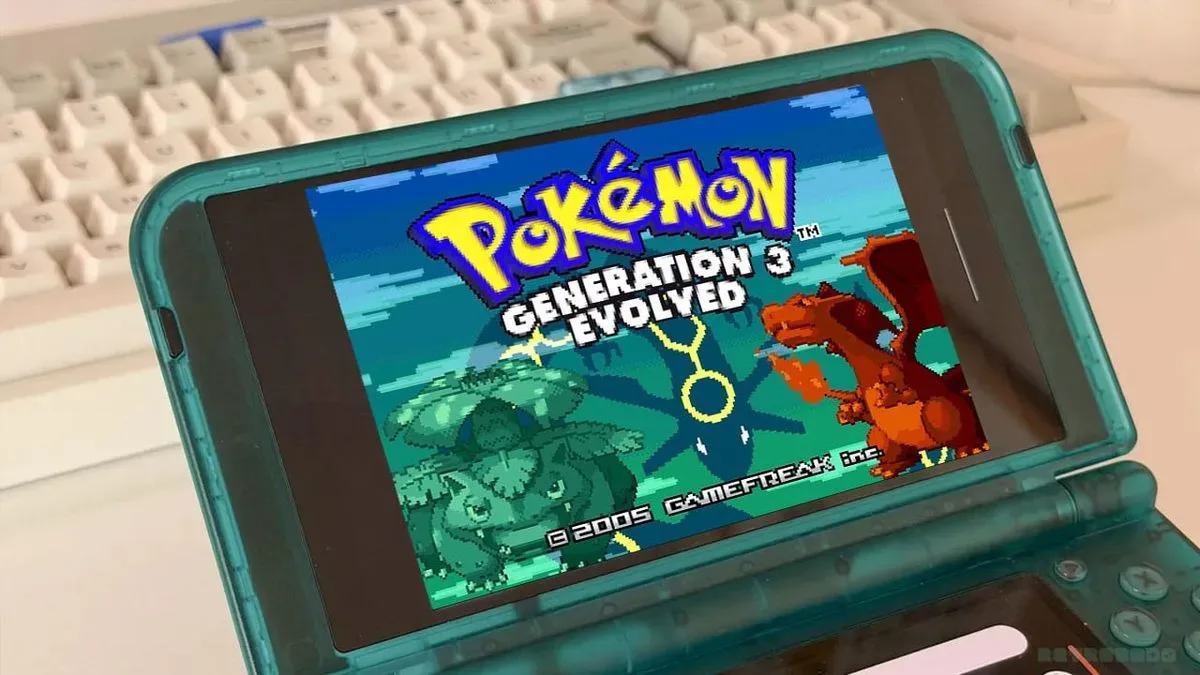
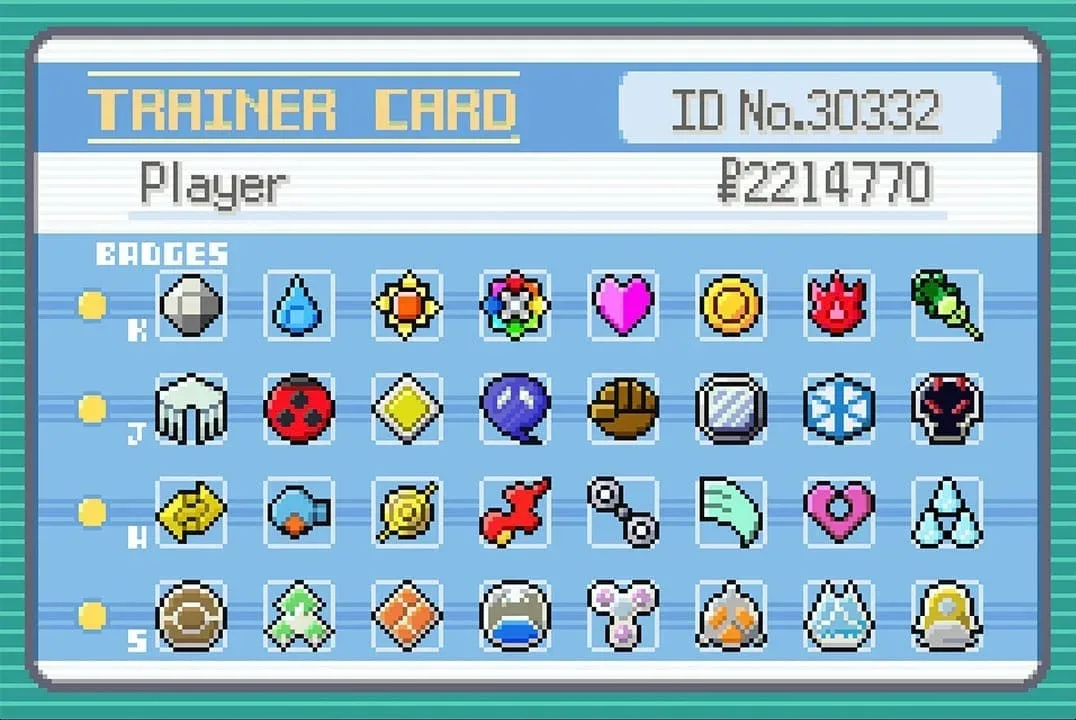
Pokémon Gen 3 Evolved is aiming for a scale that is rare even within the exceptionally ambitious world of Pokémon fan projects. Built as a patch for Pokémon FireRed (USA, Version 1.0), the ROM hack links Kanto, the Sevii Islands and Hoenn into one extended adventure while making all 1,025 Pokémon available to obtain. It also layers later-generation battle ideas onto the Game Boy Advance foundation, including Fairy-types, Mega Evolution, Dynamax, Z-Moves and Terastallization.
That combination makes the project more than a straightforward expanded Pokédex hack. Its premise is built around continuing exploration long after a player might normally expect a Generation 3-style journey to be over. Regions have more Pokémon to search for, battles have been adjusted, and a large post-game is designed to give the adventure momentum after the regional Pokémon Leagues have been cleared.
For fans who enjoy the pacing, art direction and overworld structure of the Game Boy Advance era but want the breadth of Pokémon's much longer history, Gen 3 Evolved is an unusually comprehensive attempt to bridge those two experiences. It preserves the FireRed starting point while reaching far beyond what the original cartridge could offer.
Three familiar areas form one much larger journey
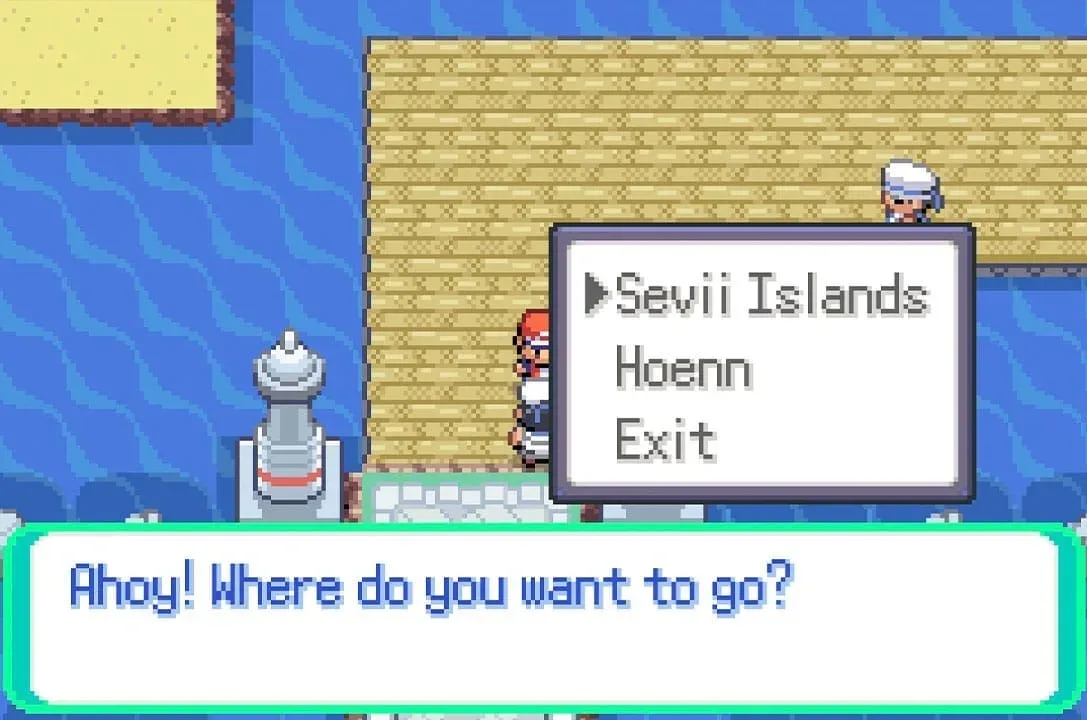
The game lets players travel through Kanto, the Sevii Islands and Hoenn, with further areas also implied by its expanded structure. That immediately gives the project a different cadence from a typical single-region Pokémon release. Rather than treating the credits as a final stopping point, it is structured around moving onward, finding species placed in new locations and taking on more major battles.
For useful background on this topic, read Chauncey and the Videotic Quest Brings Zelda-Style Adventure Back to Game Boy.
Every Pokémon being included naturally changes the purpose of exploration. Pokémon that would never have existed during FireRed's original release must be distributed through the world in new ways, giving returning players a reason to revisit routes and pay attention to altered encounters. The goal is not merely to catch a familiar Kanto roster again; it is to assemble a collection across the entire franchise's available species.
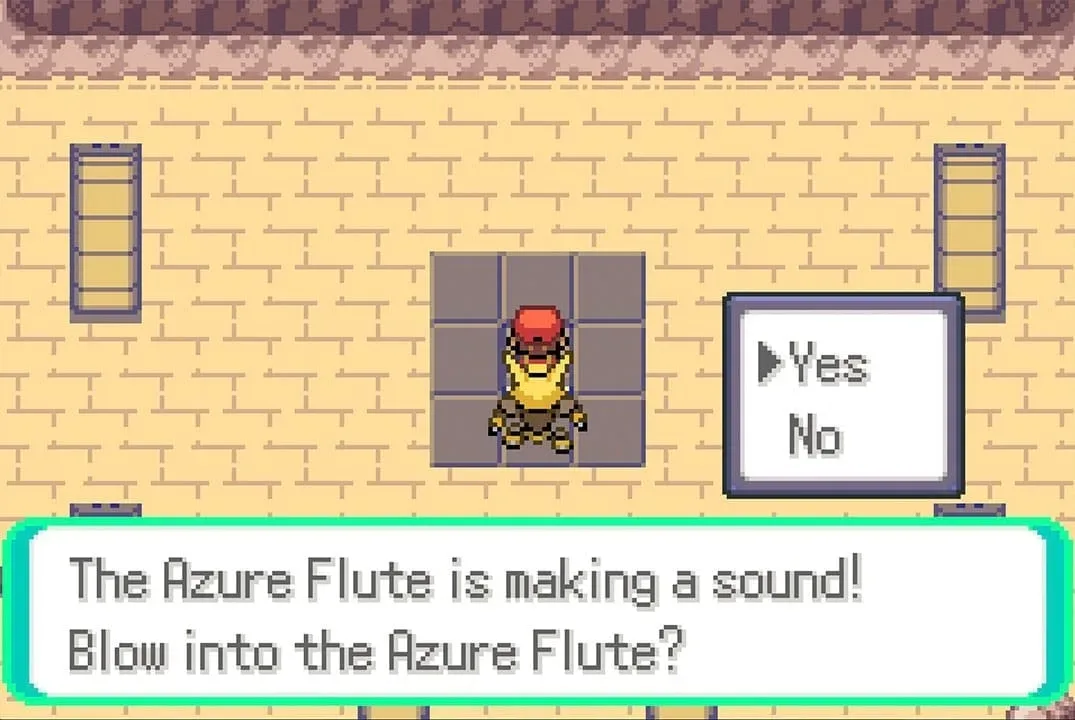
The design also takes precautions against permanent Pokédex failures. Regular Pokémon can be obtained repeatedly, while Legendary Pokémon return on the following day if an encounter ends without a successful capture. That means a player should not be able to accidentally lose access to completing the Pokédex because a Legendary was knocked out or fled from an encounter.
This is a particularly welcome quality-of-life decision for a game built on collection. Large Pokémon games can become frustrating when a single mistake turns completion into an impossibility. Gen 3 Evolved instead emphasizes a repeatable, less punishing route toward filling out its enormous roster.
Modern battle mechanics meet a Generation 3 base
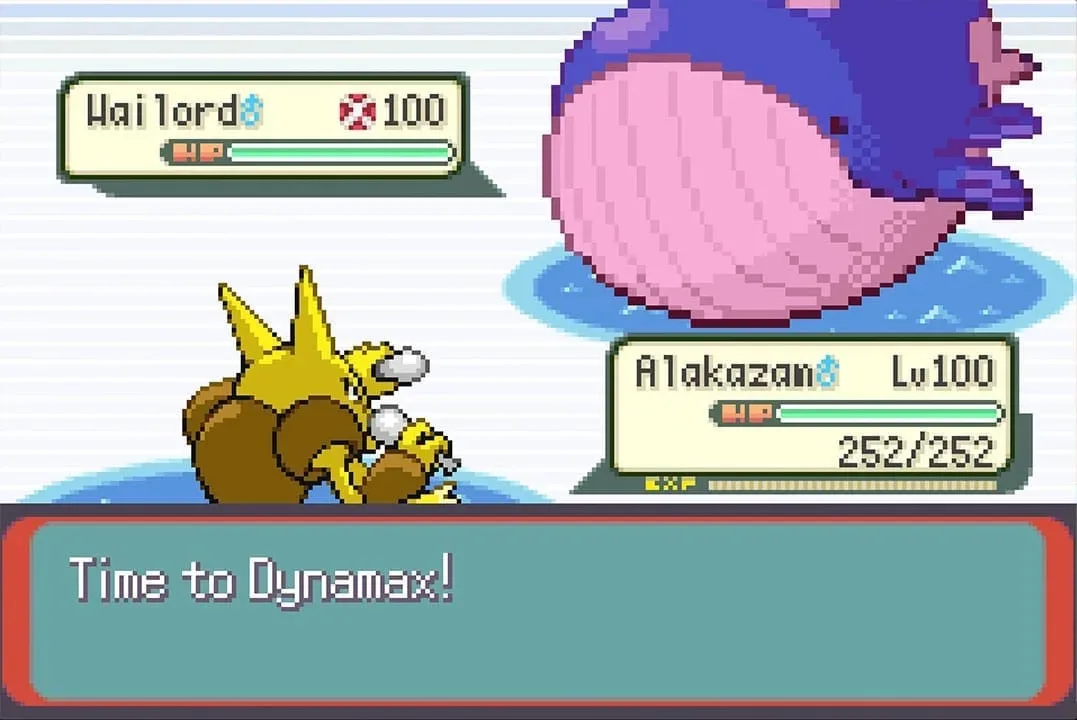
One of Gen 3 Evolved's biggest changes is its attempt to accommodate multiple generations of signature combat systems at once. Mega Evolution, Dynamax, Z-Moves and Terastallization are all present, but they are regulated through held items and a shared once-per-battle limit. In practical terms, players must decide which major transformation or powered-up option best serves a given fight rather than attempting to stack several headline mechanics in one battle.
Mega Evolution generally follows its established behavior. However, fully evolved Pokémon with Gigantamax forms have had those G-Max forms converted into Mega Evolutions. Dynamax doubles a Pokémon's HP, retains access to unique G-Max moves and requires a held Dynamax Core. Z-Moves use a single universal Z-Crystal rather than separate crystals for each type, allowing the holder to upgrade any of its moves. A Z-Move consumes five PP from the original move and always results in a critical hit.
Terastallization requires a Tera Shard matching the Tera type the player wants to use. It is a system that could significantly broaden team-building options, especially in a game where the roster spans every generation. A familiar Pokémon can potentially find a new role through its Tera type, while rare held-item choices force players to weigh their preferred battle gimmick before entering a difficult encounter.
Fairy-type Pokémon and Fairy-type interactions are included as well, bringing the type chart beyond the limits of the original GBA games. The project's battle reworking extends to trainer teams, which have all been handcrafted or retouched rather than simply left as they appeared in FireRed and Hoenn's original outings.
Fog expands the weather game
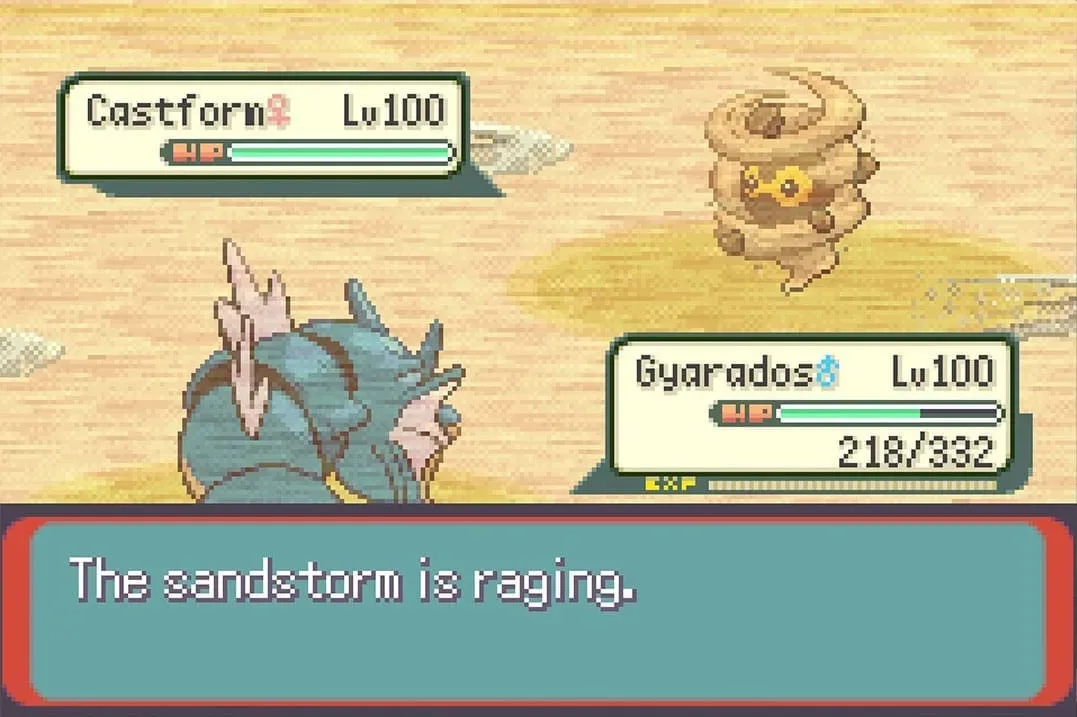
Weather is another area receiving more attention. Gen 3 Evolved supports fog as a full weather condition, complete with unique move, ability, type and form interactions. Under fog, move accuracy falls to 80% instead of 60%. Dark-type Pokémon, along with Pokémon that have the new Prowler Ability, do not suffer that accuracy reduction.
Prowler doubles a Pokémon's Speed while fog is active, while Ominous Veil creates fog when its user enters battle. The new Enshroud move also summons the weather, and a Murky Rock extends fog created through Enshroud. Ghost-type attacks receive a boost in fog, whereas Fairy-type moves are weakened. Moonlight treats fog as its favorable weather, while Moonblast avoids the Fairy damage reduction. Weather Ball and Castform have also been adapted to recognize the condition, including a dedicated Castform form.
Those details turn fog into more than a visual flourish. It can shape accuracy, offensive choices, Speed control and team composition, which is useful in a project that wants encounters to remain interesting across several regions.
New support abilities and broader training options
The hack introduces party-wide support Abilities that help eligible teammates but do not benefit the Pokémon holding the Ability. Serenity increases teammates' chances of triggering secondary move effects by 50%. Rally improves teammates' physical damage by 10%, Spotter raises their move accuracy by 20%, and Field Medic restores 5% of maximum HP to active teammates at the end of each turn.
These effects could encourage players to think beyond the traditional idea of six individually powerful battlers. A Pokémon may occupy a valuable spot because it improves its allies, creating combinations that are less common in older official Pokémon games. The system should be especially relevant in a game with a massive selection of potential team members.
Progression has received attention outside of battles, too. Its revised experience formulas help underleveled Pokémon catch up more quickly, while discouraging extreme overleveling in the absence of hard level caps. This could make it easier to experiment with newly found Pokémon without making the full adventure effortless.
Nature Mints are renewable and can be grown like Berries, helping players tailor a Pokémon's nature without treating the resource as permanently scarce. The game also expands TM and Move Tutor compatibility in a convenient way: Pokémon can be taught directly from storage Boxes, so players do not need to repeatedly move candidates into the active party simply to adjust movesets.
An expanded Pokédex includes information such as learnsets, Abilities and evolution methods. The enhanced DexNav can show possible held items for each Pokémon. Together, these changes make the project friendlier to players who want to hunt specific traits, optimize a team or simply understand an unfamiliar species from a later generation.
Contests, Safari Zone changes and redesigned caves
Gen 3 Evolved does not focus solely on competitive-style battle mechanics. It retains and expands several of the side activities closely associated with the Generation 3 era. Pokémon Contests, NPC trades and the Safari Zone are all part of the feature set.
Pokémon can consume unlimited Pokéblocks, removing restrictions tied to Berry types and the limited number of available NPCs. Winning a Contest for the first time with a Pokémon awards a cash prize. NPC trade Pokémon are customizable like any other Pokémon and always arrive holding a Lucky Egg, making them more useful additions than one-off novelty trades.
Secret Dens replace Secret Bases. Pokémon found in them may have Hidden Abilities, turning these locations into another meaningful destination for players interested in uncommon builds. Pokéblock Feeders in the Safari Zone can also attract Pokémon with Hidden Abilities, while the Trick House has improved rewards.
Both Altering Caves have been rebuilt into distinct locations rather than remaining a curiosity with limited purpose. These smaller changes matter because they reinforce the project's broader philosophy: old spaces should have something worthwhile to offer in a game designed around repeated exploration.
A scalable endgame built for rematches
Perhaps the clearest sign of Gen 3 Evolved's long-term ambitions is what happens after the player becomes Champion of Hoenn. Trainer battles and wild encounters scale to the player's team, providing a fresh challenge for a stronger party. Every trainer can be rematched, and all 32 Gym Leaders can be challenged once each day.
That structure gives players reasons to keep training and catching after completing the major story milestones. Instead of rapidly exhausting the available opposition, a player can return to former routes and leaders with a different team, test a newly obtained Legendary Pokémon or build around one of the new weather and support mechanics.
Dynamic time-of-day and weather systems further help the world feel less static during those return visits. With broad adjustments to Pokémon, items, Abilities, movesets and evolution methods, Gen 3 Evolved is clearly designed as a long-form Pokémon sandbox rather than a brief nostalgia replay.
What players need to begin
Pokémon Gen 3 Evolved requires a legally acquired Pokémon FireRed ROM from the USA Version 1.0 release, which is then used to apply the project's patch. As with ROM hacks generally, players should ensure they are using their own legally obtained game data and follow the patch project's instructions carefully.
For players willing to take that setup step, the result is a strikingly large reinterpretation of the Generation 3 formula. Kanto, the Sevii Islands and Hoenn are no longer isolated pieces of Pokémon history. They become the framework for an all-generation collecting adventure, full of revised systems and enough rematches, post-game activity and team-building possibilities to keep a completed League run from feeling like an ending.
Community
Discussion
Start the conversation.
No comments have been posted yet.