

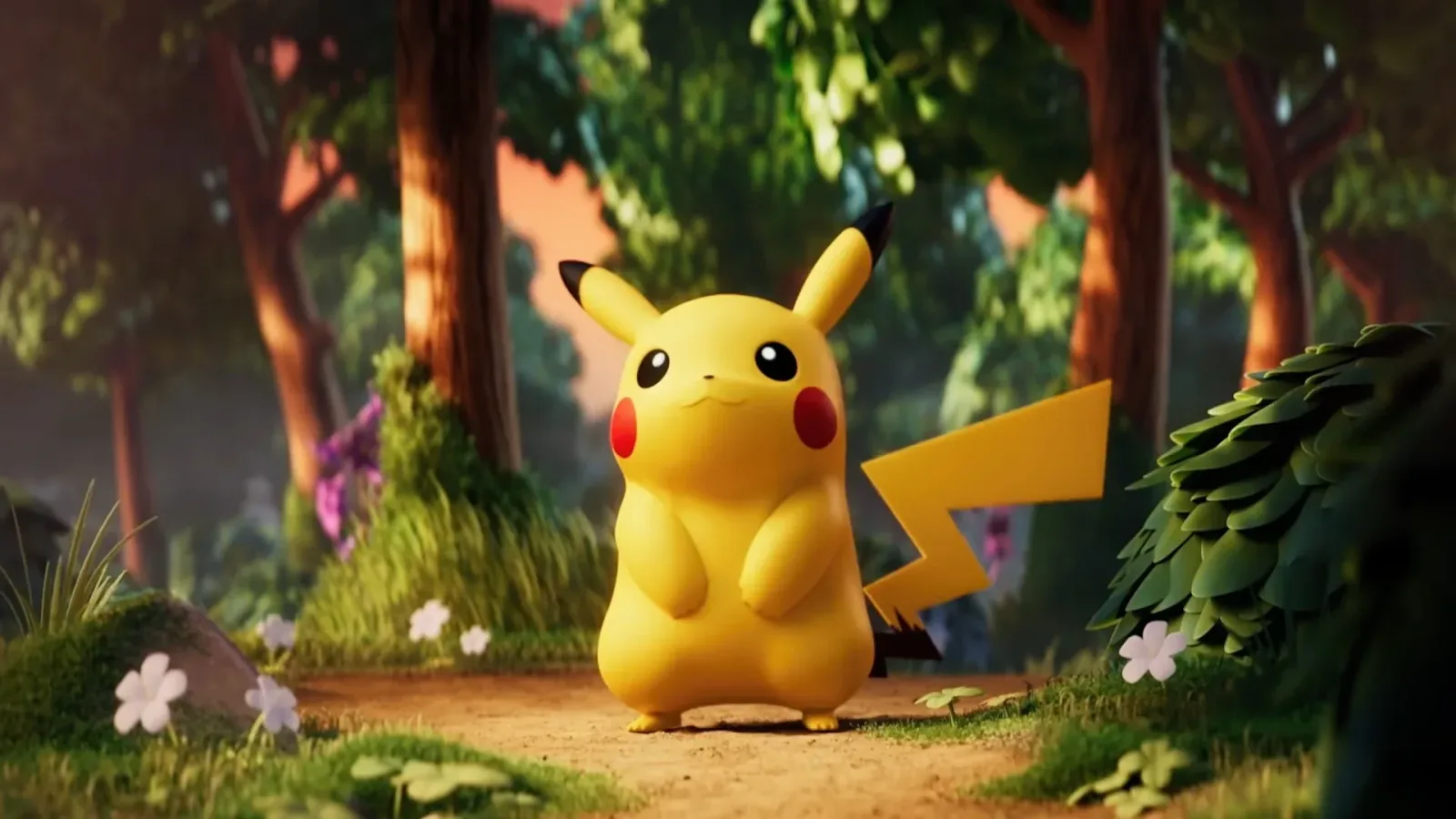
Pikachu is taking a starring role in the Pokémon Trading Card Game's 30th anniversary celebration. The upcoming commemorative set includes 34 Pikachu cards, giving the franchise mascot an exceptionally large presence within a single release. The cards are not simply duplicates with minor visual changes: they span distinct rarities, gameplay effects, and illustrations, creating a substantial collection for players and collectors alike.
That number alone makes the Pikachu focus notable. Pokémon's electric mascot has never lacked for Trading Card Game appearances, and its popularity has made it one of the hobby's most enduring collecting targets. But devoting 34 cards in one anniversary set to Pikachu and its various treatments turns the character into a major throughline for the set rather than merely one featured Pokémon among many.
For the Pokémon TCG, anniversary products are an opportunity to look both backward and forward. They can celebrate the series' long history, invite longtime collectors to revisit a character with deep personal significance, and give newer fans a highly recognizable entry point. Pikachu is uniquely suited to that role. It is immediately identifiable even to people who do not actively play the card game, while its extensive history gives artists and designers a great deal of room to explore different moods, settings, poses, and gameplay identities.
A collection built around Pokémon's mascot
The 34-card count means the anniversary set has enough Pikachu material to appeal to several different audiences at once. Competitive players can look at the mechanical differences between cards and consider how individual effects may fit into decks. Art-focused collectors can compare the visual direction of each piece. Completionists, meanwhile, have a defined but still ambitious goal: obtaining every Pikachu variant included in the set.
For useful background on this topic, read Overwatch's Doctrine Looks Set to Shake Up Support Play When He Arrives October 6.
It is also a format that naturally invites comparison. Even when the featured Pokémon remains the same, card art can radically alter the feeling of a collection. One illustration may emphasize Pikachu's cute and cheerful side, while another could frame it as an energetic battler, a traveling companion, a relaxed creature in a scenic environment, or an iconic symbol of the larger Pokémon world. Rarity treatments can add another layer, making certain versions especially desirable for binders, display cases, or framed collections.
The broad selection also underlines how flexible Pikachu has become across three decades of Pokémon. The character can carry a nostalgic, classic look, fit a modern full-art presentation, or sit comfortably within one of the TCG's more elaborate rarity tiers. A set with 34 cards has space to acknowledge that range rather than presenting only a single definitive version.
Rarity, effects, and artwork all matter
Trading Card Game collecting is rarely about just one thing. A card can stand out because it is difficult to pull, because it is useful in play, because the illustration has a memorable style, or because it connects to a particular era or personal memory. The 30th anniversary Pikachu lineup is positioned at the intersection of those interests, with differences in rarity, in-game effects, and art separating the cards from one another.
For players, the gameplay text is important. Different effects mean the cards are not only visual variants; they may serve different purposes when building decks or considering the set's broader strategy. For collectors, rarity introduces the familiar chase-card dynamic. The more elaborate or scarce a given treatment is, the more attention it is likely to attract from people trying to fill out a master set or secure a favorite illustration.
Artwork may be the most personal factor of all. A collector does not need a card to be the rarest version in the expansion for it to become a favorite. Sometimes the most appealing piece is a regular card with an expressive pose, a playful detail, or a scene that captures why Pikachu has remained so popular. With 34 options, there is plenty of room for individual preferences rather than one universally agreed "best" card.
That variety may be especially valuable for people who enjoy display collecting. A single prized card can make a strong centerpiece, but a full group of Pikachu cards can become a visual record of how many ways the TCG can interpret the same character. A binder page, wall frame, or dedicated display could place cute illustrations beside more dramatic ones, while rarity differences provide an additional sense of progression.
The appeal and challenge of a 34-card chase
Collecting every version of a popular Pokémon can be exciting, but it also comes with the familiar realities of modern card collecting. Pikachu cards tend to draw interest well beyond dedicated tournament players, and highly sought-after cards can become difficult to obtain through ordinary pack openings. A 34-card subset creates a clear collecting project, yet it is large enough that completing it may require patience, trading, or buying specific singles rather than relying only on sealed packs.
That does not make the set any less appealing. In fact, the clearly defined nature of the Pikachu lineup may help collectors set their own goals. Some may pursue all 34. Others may want one card from every rarity tier, a small group of favorite artworks, or only the versions that best fit their personal collection. The anniversary framing gives each approach a sense of occasion without requiring every fan to chase the same finish line.
There is an understandable tension in the hobby between the thrill of opening packs and the predictability of acquiring singles. Opening packs offers the surprise of discovering a coveted card firsthand, but it can also become expensive when the goal is a specific rare pull. Buying individual cards provides a more direct route, though desirable cards may command substantial prices once collectors identify their favorites. The breadth of this Pikachu group makes that choice particularly relevant.
For anyone drawn primarily to the art, a sensible approach may be to decide early which cards matter most. The complete 34-card display is an appealing ambition, but the anniversary set's biggest strength may be that it gives fans so many distinct versions of Pikachu to choose from. A modest personal selection can still capture the spirit of the release.
Why Pikachu remains the natural anniversary star
Pikachu's role in the anniversary set is not difficult to understand. The character has been central to Pokémon's identity for decades, appearing across games, animation, merchandise, competitive events, and the Trading Card Game. It is a mascot, but it is also a character with a vast visual history. That makes Pikachu one of the few Pokémon capable of sustaining a 34-card spotlight without the concept feeling repetitive on paper.
The character's evolutionary family broadens that legacy further. Pichu, Pikachu, and Raichu each occupy their own place in Pokémon fandom, while forms such as Gigantamax Pikachu and Mega Evolutions associated with the family demonstrate how often the franchise revisits electric-type favorites in new ways. Pikachu itself remains the centerpiece, however, and the anniversary set appears designed to embrace that status rather than downplay it.
There is also something fitting about using Pikachu as a bridge between generations of collectors. Someone who remembers early Pokémon releases may recognize the character as an emblem of the franchise's formative years. Someone who discovered Pokémon much later may know Pikachu through recent games, shows, and card sets. The same card subject can therefore carry nostalgia for one collector and fresh excitement for another.
A celebration with room for personal favorites
Because the anniversary expansion includes so many Pikachu cards, discussion around the set will likely extend beyond questions of which card is strongest or rarest. Fans will compare illustrations, debate the most charming poses, identify their preferred treatments, and build personal rankings that reflect what they value in Pokémon cards. In a collection this large, "best" is likely to mean different things to different people.
One person may gravitate toward the card with the most impressive rarity treatment. Another may prefer a piece of art that presents Pikachu at its most adorable. A player may choose the version with the most useful effect, while a longtime fan may choose the one that most strongly recalls an earlier era of Pokémon. Those competing perspectives are part of what makes a focused subset like this compelling.
The Pokémon Trading Card Game's 30th anniversary set is therefore more than a routine collection of mascot cards. With 34 distinct Pikachu entries defined by varied rarities, effects, and art, it gives the character an expansive showcase. Whether collectors aim for a complete set, seek out a few standout illustrations, or simply enjoy seeing Pokémon's most famous face take over an anniversary release, Pikachu is set to be one of the defining presences of the celebration.
Community
Discussion
Start the conversation.
No comments have been posted yet.