

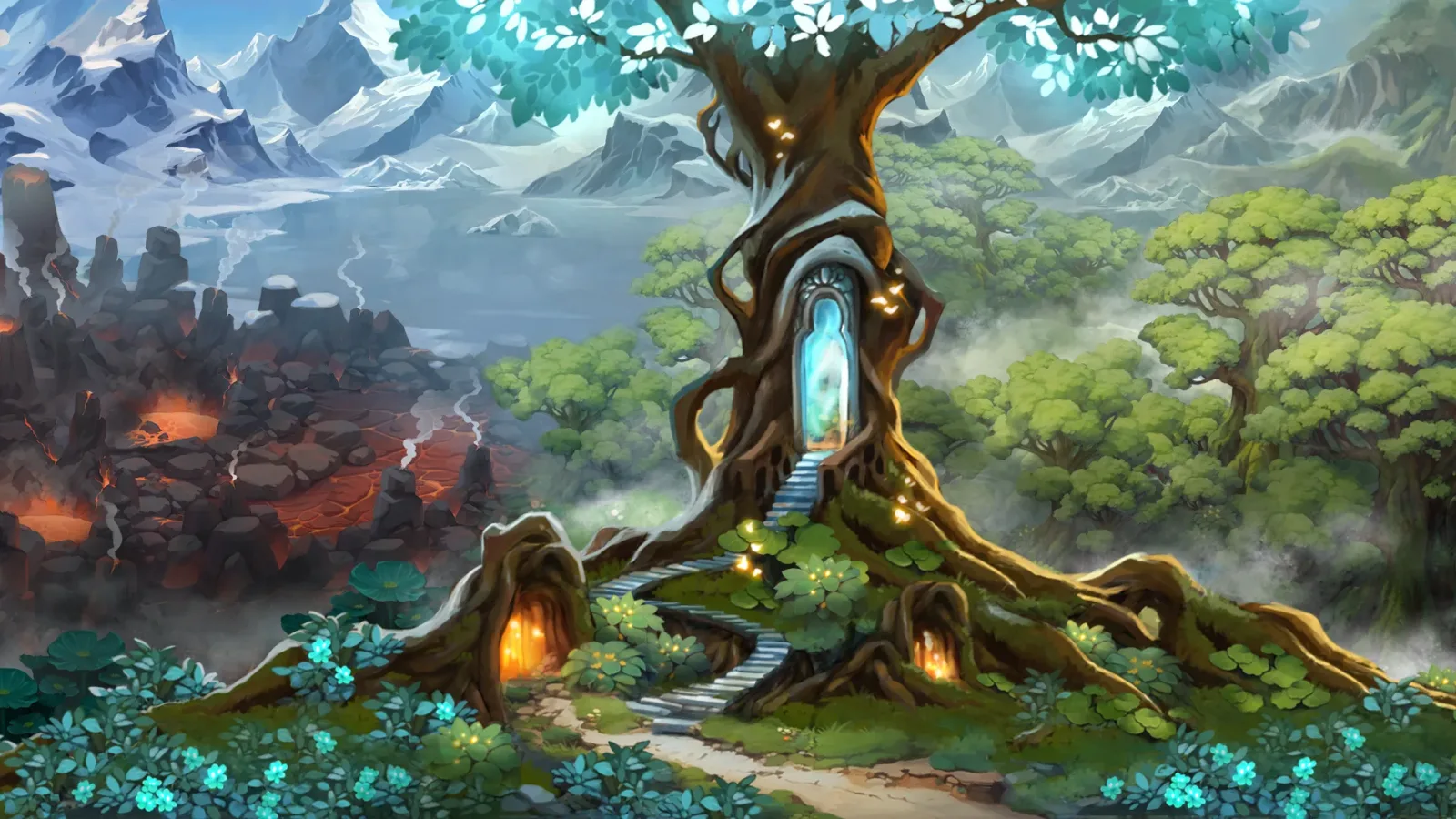
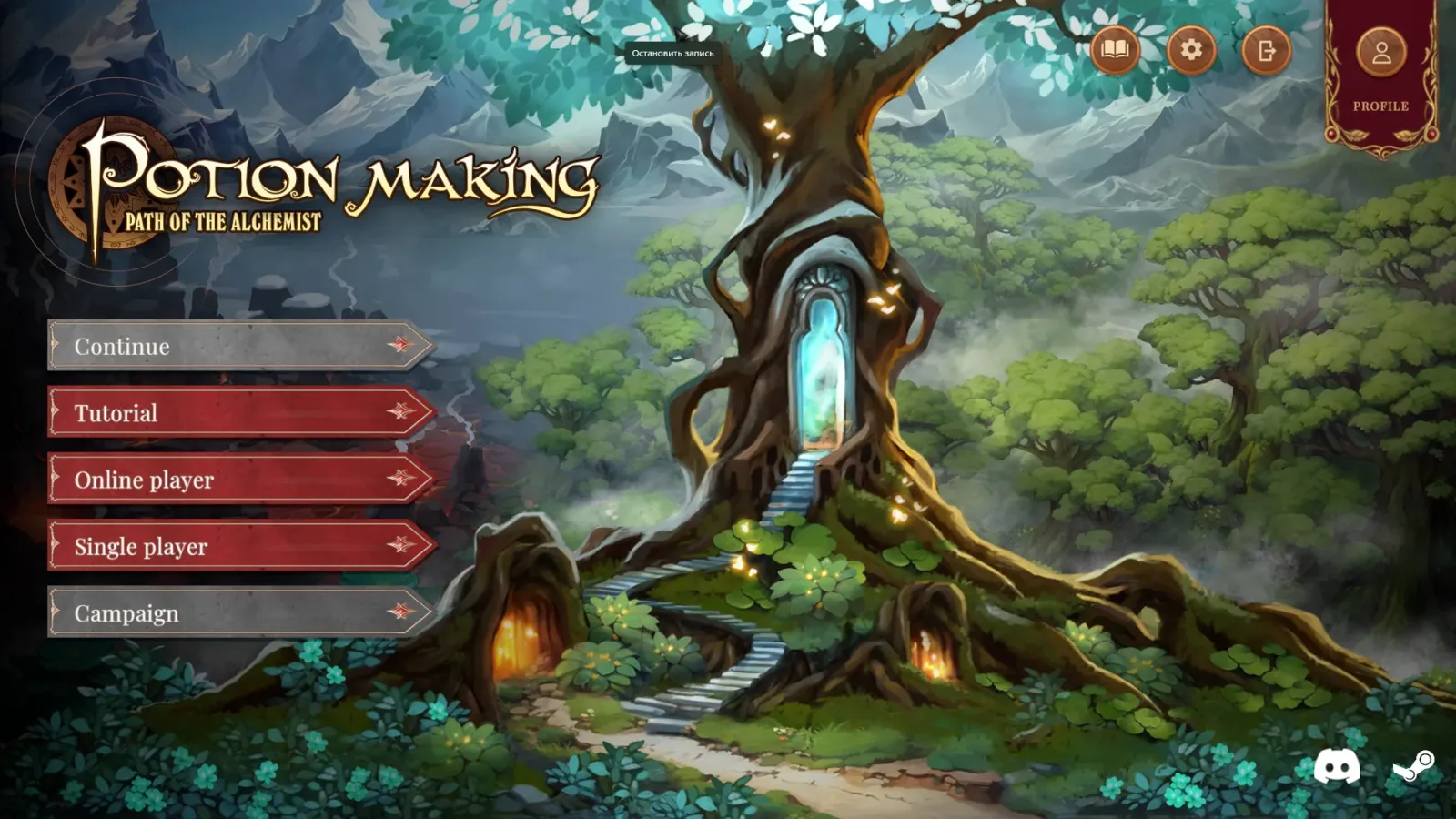
Potion-making: Path of the Alchemist is scheduled for its full Steam release on November 10, expanding the currently available demo into a complete board-based alchemy experience. Developed by Oduvan Games, the game combines potion brewing, recipe chains, movement decisions, and opportunities to steal as players compete across a set of maps with distinct board rules.
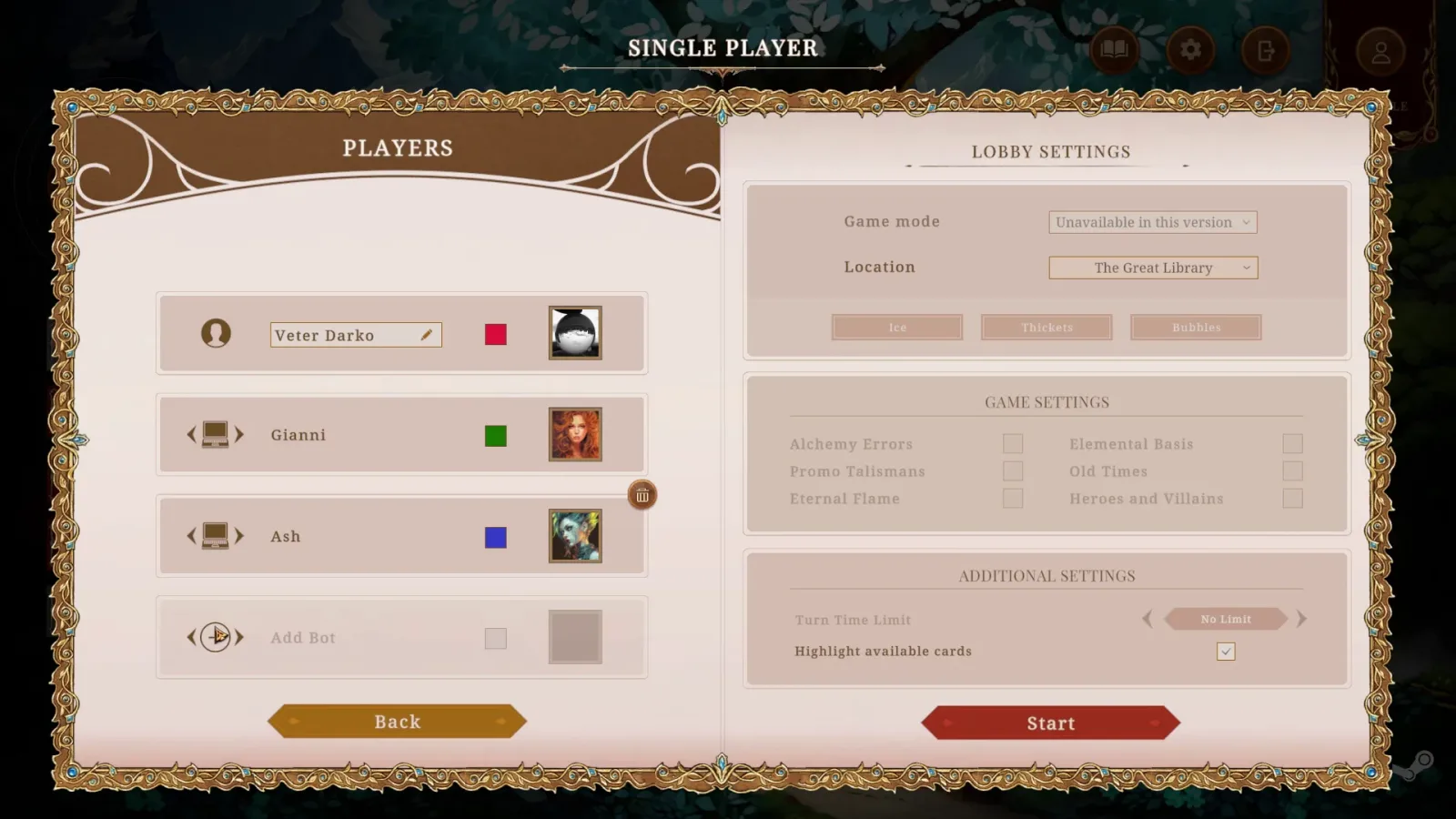
The full version will include six maps in total, with each one changing how players navigate the board and manage the tokens needed to move. Those boards will be usable in both supported match formats: online multiplayer for racing against friends and single-player games against AI-controlled rivals. The launch build is also set to introduce player-token customization, including hats and visual travel effects displayed as a piece moves across the board.
For players curious about the fundamentals before the full release, the Steam demo already offers the game's central systems. Brewing remains the heart of the experience, while stealing and recipe chains add competitive and tactical layers to each run around the board. The demo is also taking part in Steam Next Fest, running from October 19 through October 26.
Six boards, each with its own movement complications
The biggest distinction between the maps in Potion-making: Path of the Alchemist is not simply their visual setting. Every board brings a different rule or obstacle that affects movement, making route planning and token management more important as players move beyond the introductory layout.
For useful background on this topic, read Wo Long 2 Alpha Feedback Leads to Combat, Clarity and Performance Changes.
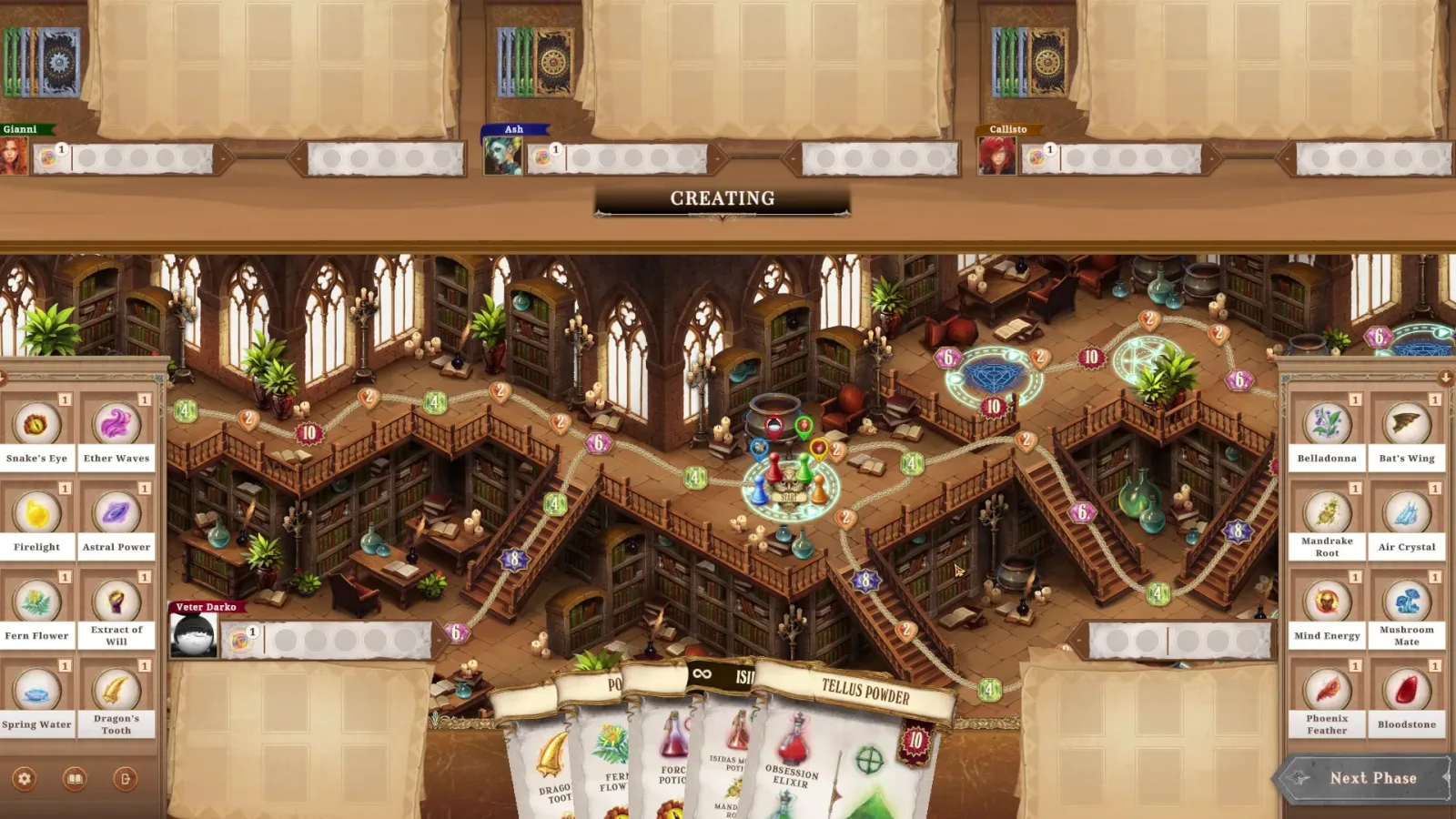
The Library of Five Worlds serves as the classic board. It uses the basic movement rules and provides the most straightforward setting for learning how a match flows. As a result, it should be the natural starting point for players trying the demo or getting acquainted with the relationship between movement, brewing, and recipes.
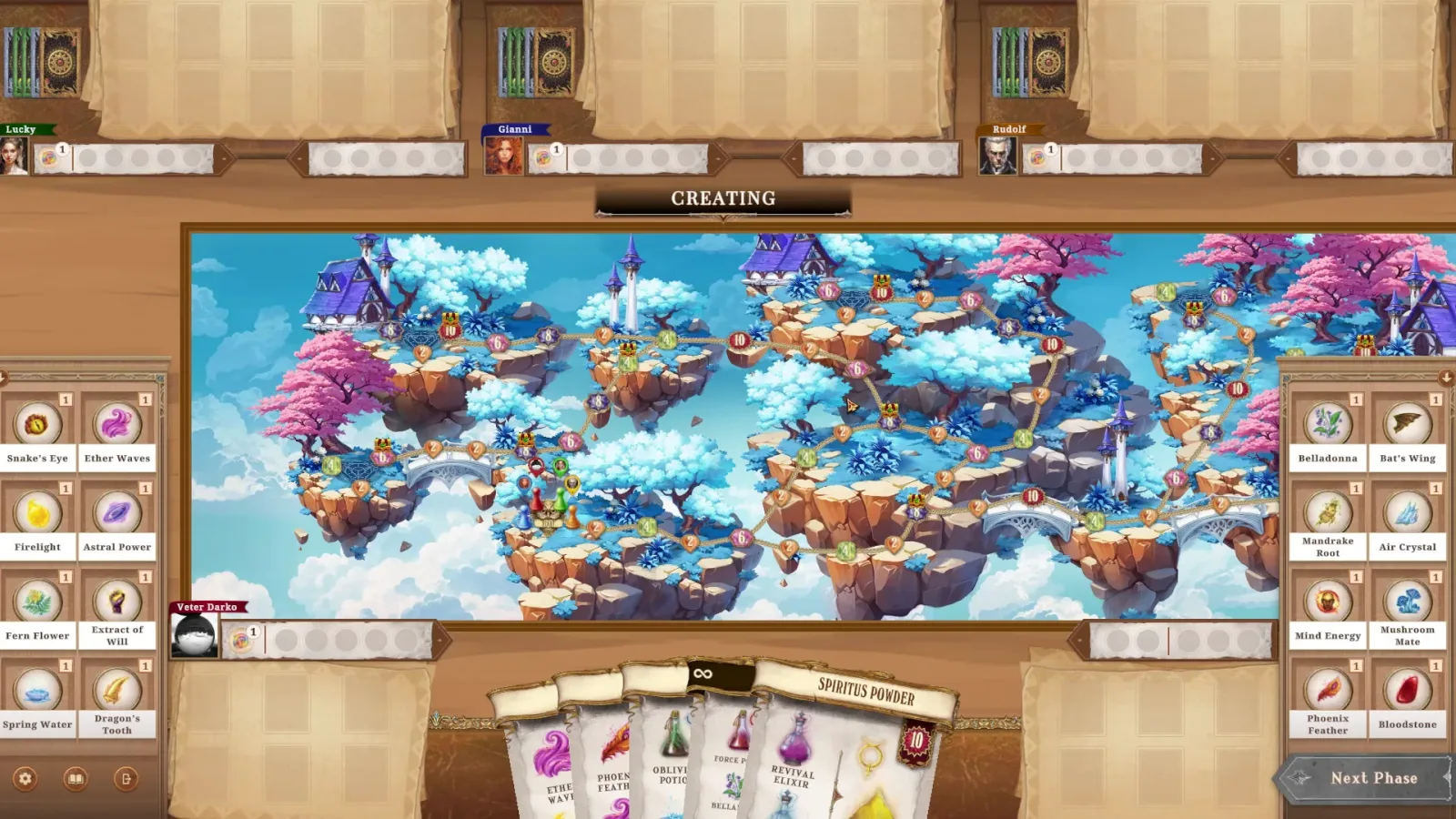
The Floating Islands add chests containing talismans to the map. Their presence introduces another point of interest during a match, encouraging players to consider where these chests appear and whether changing course is worthwhile.
In the Great Forest, thickets become a restrictive terrain feature. Players cannot skip over them, meaning movement can be interrupted by forced stops. That creates a more constrained board where the ideal route may be less direct than it first appears.
The Snow Realm changes the rules through slippery ice. Moving over ice requires only a power token with a value of "1," an unusual condition that can alter the value of tokens in a player's hand. A low-value token that might otherwise seem limited can become especially useful when an icy path lies ahead.
The Underwater World places bubbles on the board. Rather than using a single token for movement, players must spend a pair of tokens to move through them. This makes bubbles a more demanding obstacle and raises the importance of retaining the right combination of resources rather than focusing solely on one strong movement option.
Finally, the Valley of Creation is positioned as the most challenging map in the set. It combines thickets, ice, and bubbles, bringing together the movement restrictions found on the other specialized boards. Players will need to account for forced stops, the special ice requirement, and paired-token bubble movement within the same match.
Brewing and competition remain at the center
Although the maps reshape the conditions surrounding movement, the game's existing core remains consistent. Players brew potions, work through recipe chains, and can steal in the course of competing with opponents. The combination gives the game a board-game structure while retaining the active rivalry expected from a race between alchemists.
Recipe chains are especially important to the game's identity. Rather than treating each brew as an isolated action, the system points players toward linked decisions and longer-term planning. The available map mechanics can then complicate the practical task of getting where a player needs to go in order to continue that plan.
Stealing adds another competitive element. In a game built around gathering, brewing, and progressing through recipes, the ability to interfere with another player's position means opponents are not merely moving in parallel. Players will need to pay attention not only to their own brewing goals, but also to what competing alchemists may be able to take or disrupt.
The six-map lineup should give these systems different contexts without changing the game's core premise. The Library of Five Worlds offers the uncomplicated baseline, while later boards appear designed to test how well players adapt their movement decisions to terrain-specific rules.
Online races and solo AI matches
Every map in the full release will support both online multiplayer and single-player play against AI opponents. That means the board selection will not be limited by mode: players can race friends online on any of the six maps, or practice the same boards in solo matches.
Online multiplayer is framed around racing friends, fitting the game's competitive board progression. The addition of AI opponents also ensures that the full map roster is available for players who want to experiment with recipe chains and terrain complications without arranging a multiplayer session.
The shared map pool may be particularly useful for learning the more elaborate boards. A player can first see how bubbles alter resource demands in the Underwater World, or how forced stops affect routes in the Great Forest, before bringing that experience into an online race. Conversely, multiplayer sessions can offer a more unpredictable environment for systems such as stealing, where the actions and priorities of other players become a major part of the match.
Cosmetics let players personalize their pieces
Alongside its gameplay additions, the full version will add customization for player tokens. Players will be able to equip hats for their game piece and choose travel effects that appear while it crosses the board.
These options are cosmetic details rather than announced mechanical changes, but they should make individual tokens easier to distinguish during a multiplayer race. Since movement is such a visible part of the game's board-focused presentation, travel effects offer a way to add personality to each trip across the map.
The customization feature also arrives with the broader full-release package rather than being described as part of the current demo. Players trying the Steam build now can focus on the underlying brewing, stealing, and chain systems, while the November 10 version is intended to deliver the expanded map roster, both match types, and personalization options together.
Demo available during Steam Next Fest
The demo for Potion-making: Path of the Alchemist is available now on Steam and is participating in Steam Next Fest from October 19 to October 26. It provides access to the game's foundational mechanics, giving prospective players a chance to assess its blend of board movement and alchemical competition before the complete release.
With November 10 set as the planned launch date, Oduvan Games is preparing a fuller package centered on variety in board design. The six maps range from a standard ruleset to a final board that merges several hazards, while online multiplayer and AI matches make that variety available to both groups and solo players.
For anyone interested in a strategy game where movement conditions can be as important as the potions being prepared, the demo offers an early look. The full release will determine how the game's brewing, theft, and recipe-chain systems hold up across the complete collection of increasingly demanding alchemical boards.
Community
Discussion
Start the conversation.
No comments have been posted yet.