

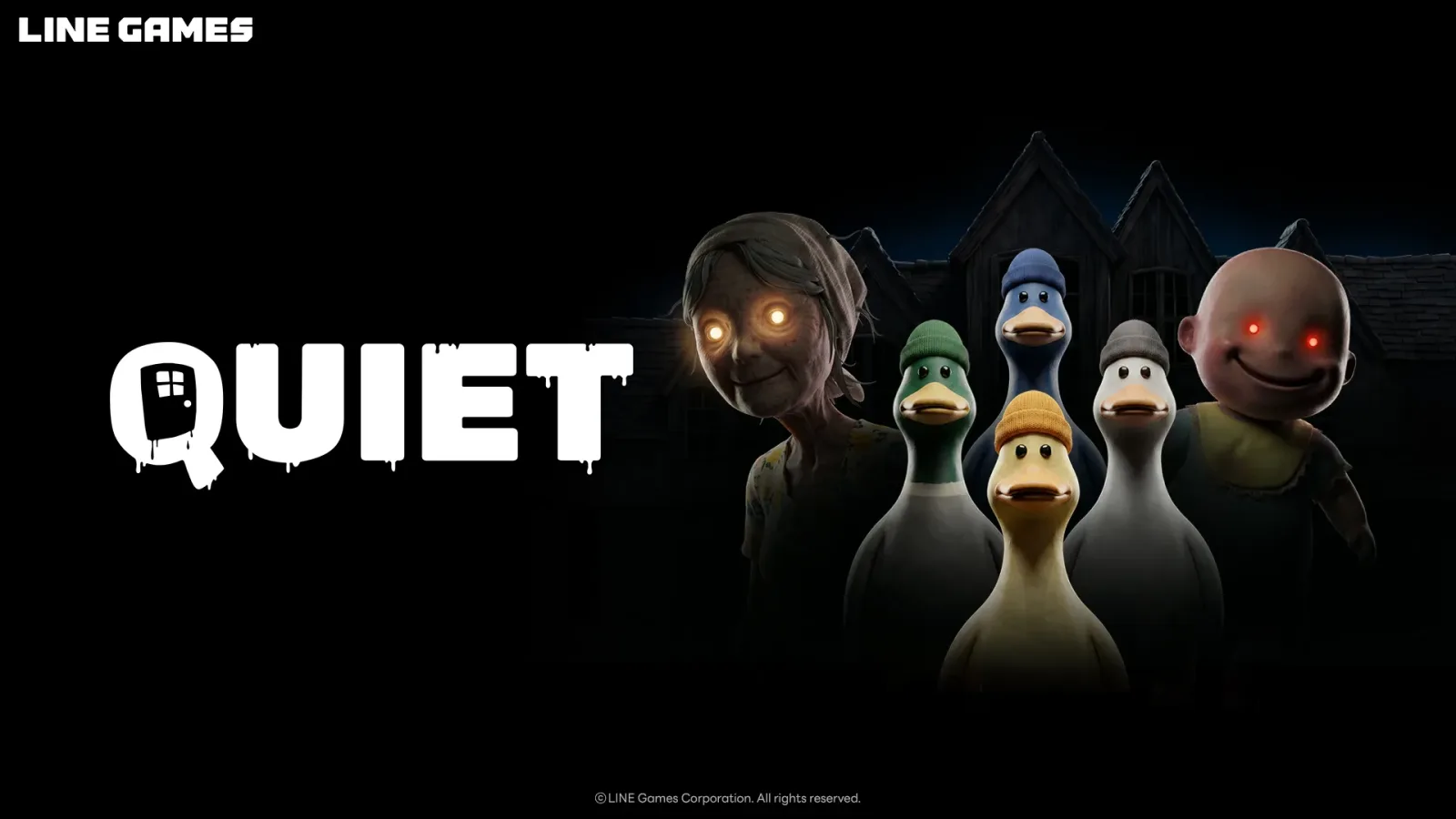
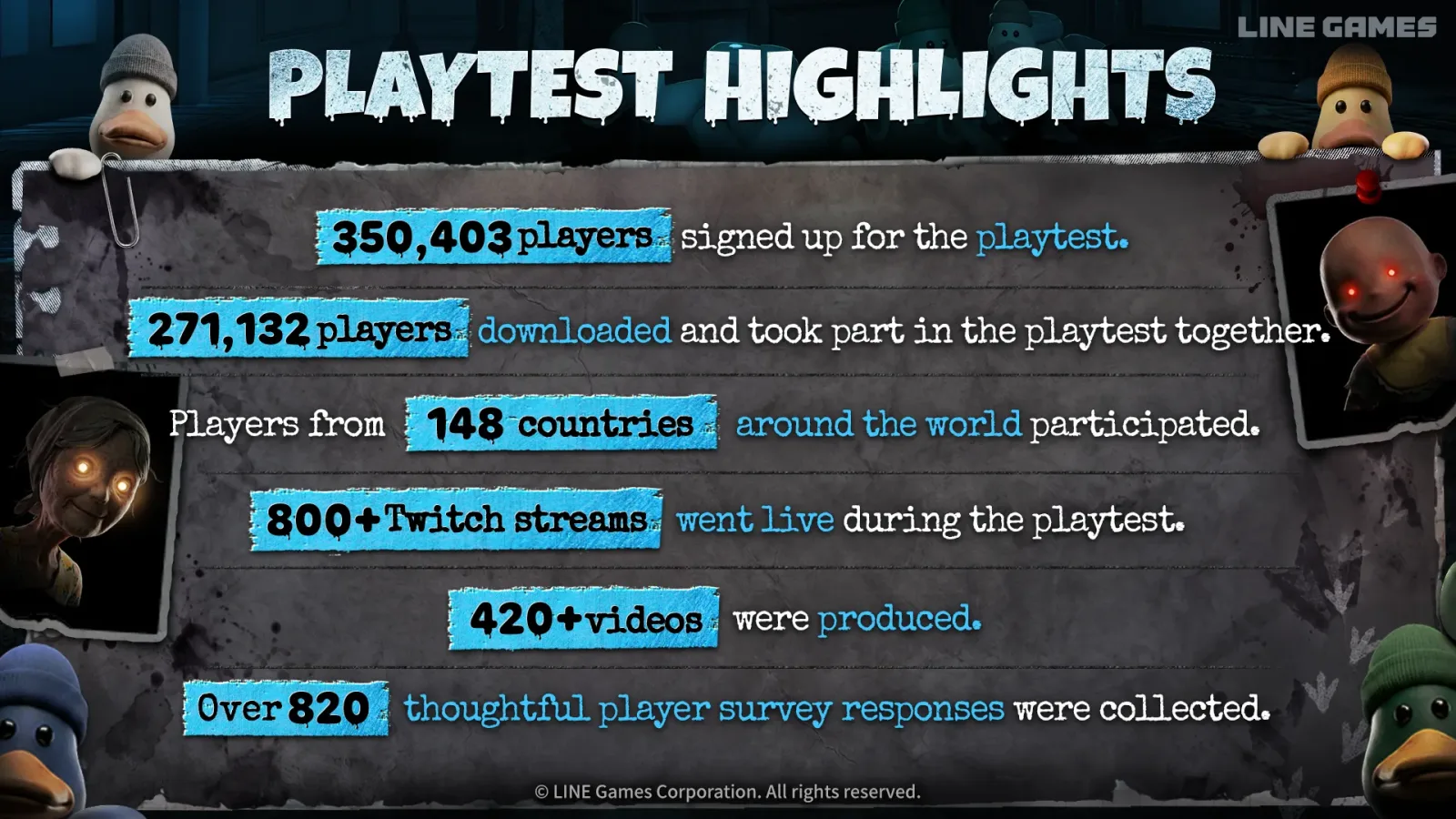
LINE Games has wrapped up the first playtest for QUIET, its upcoming one-to-four-player cooperative horror game, and the early participation figures are substantial. The publisher says that 350,403 players registered for the test, while 271,132 ultimately downloaded and participated. Those players came from 148 countries, giving the development team a notably broad pool of gameplay data and feedback to consider as work moves into its next phase.
The test was also highly visible across streaming and video platforms. More than 800 Twitch streams went live during the playtest period, while players created more than 420 videos. Alongside that public activity, LINE Games received over 820 completed player survey responses. Together, those figures suggest that the first public hands-on opportunity generated both a significant audience and a useful volume of direct impressions for a game whose central mechanics depend heavily on communication, coordination, and player behavior.
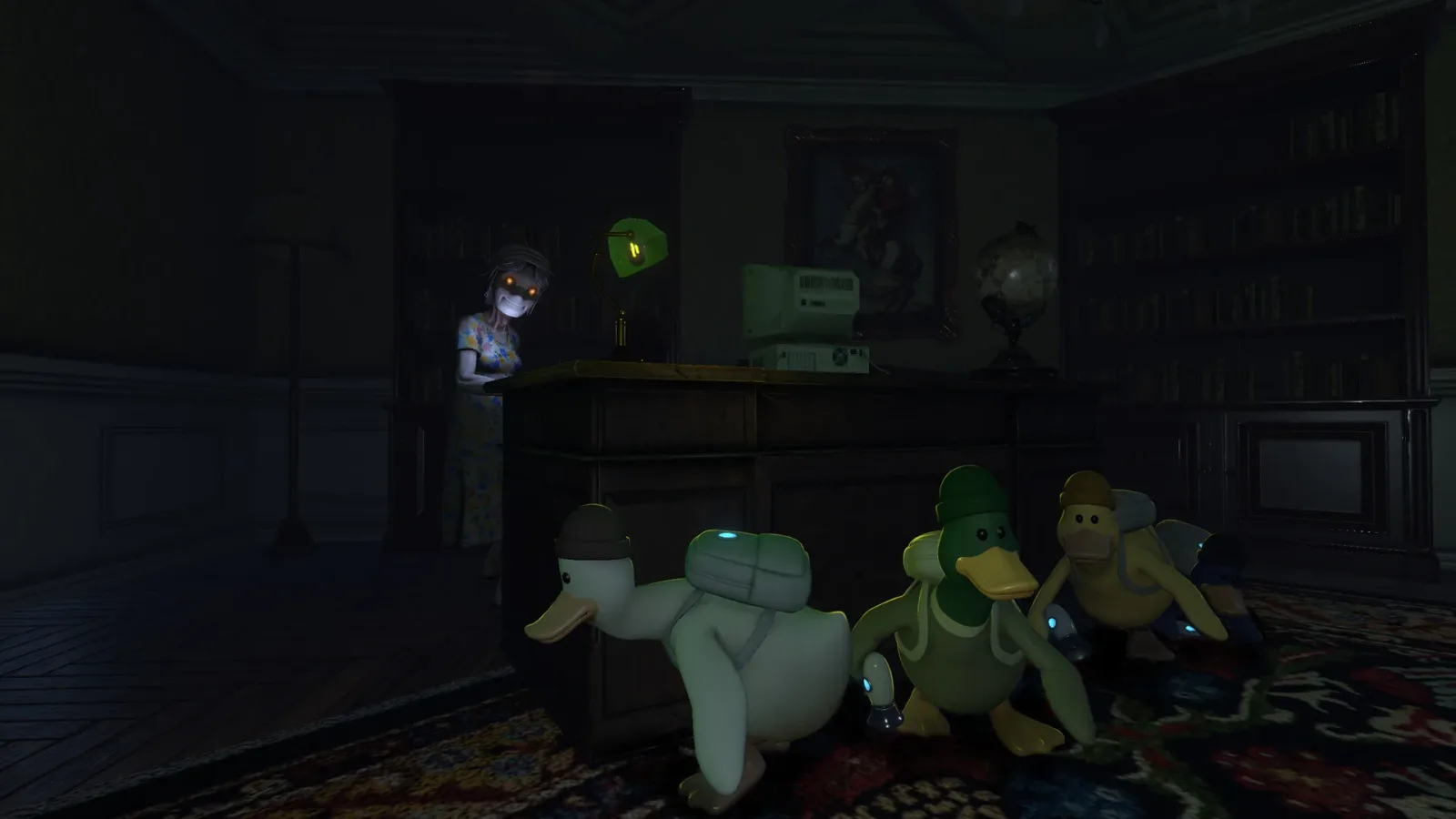
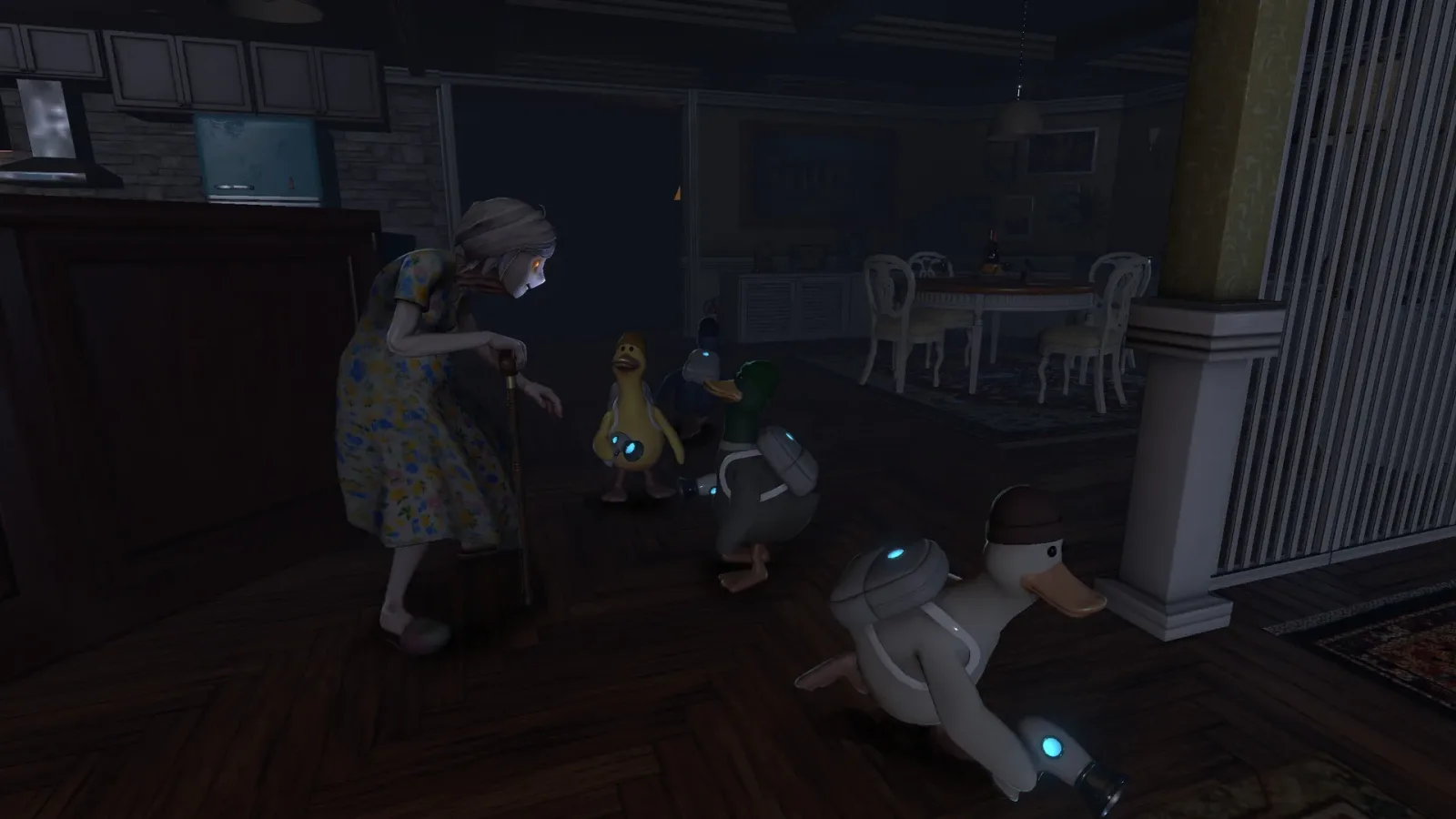
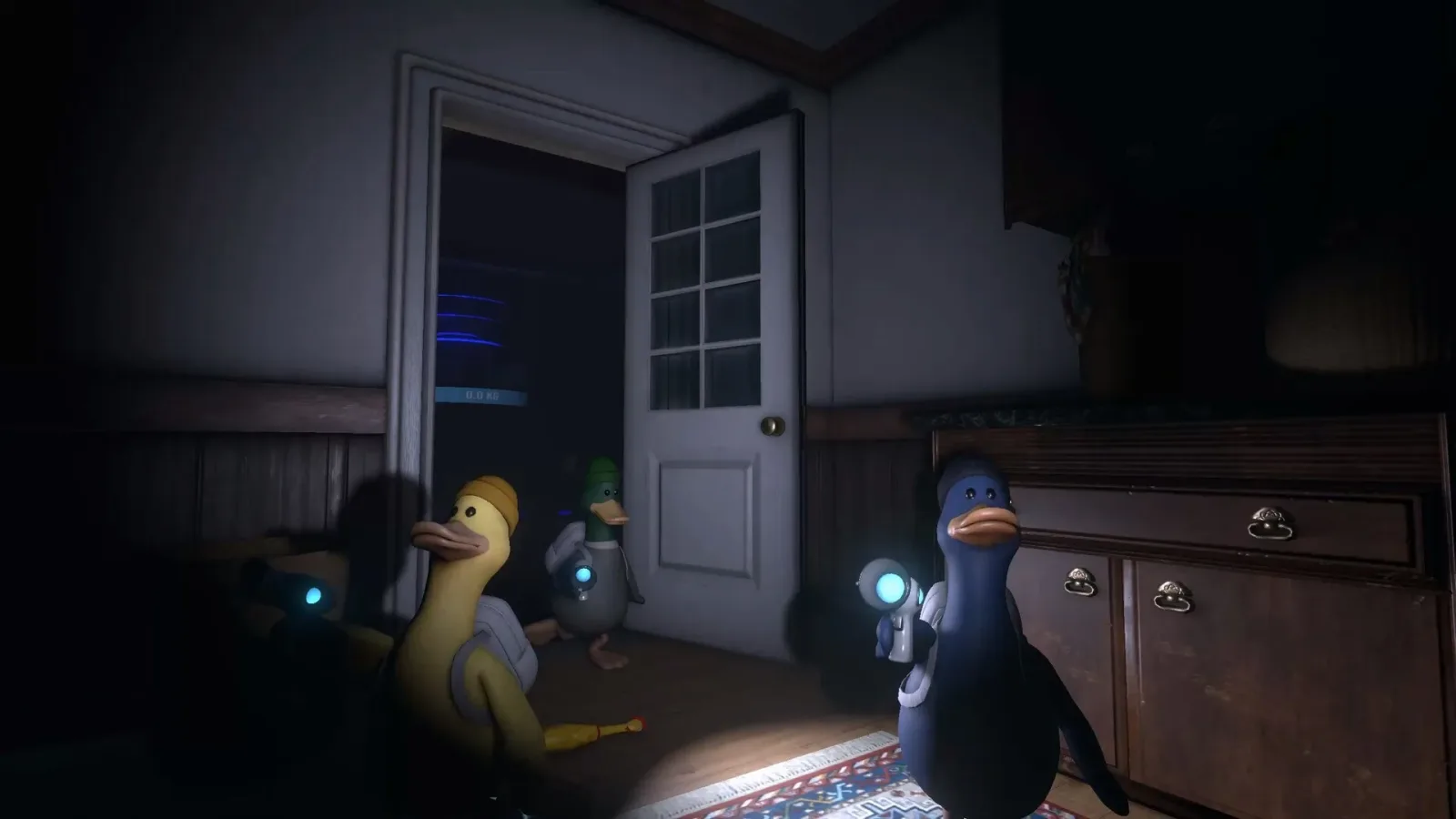
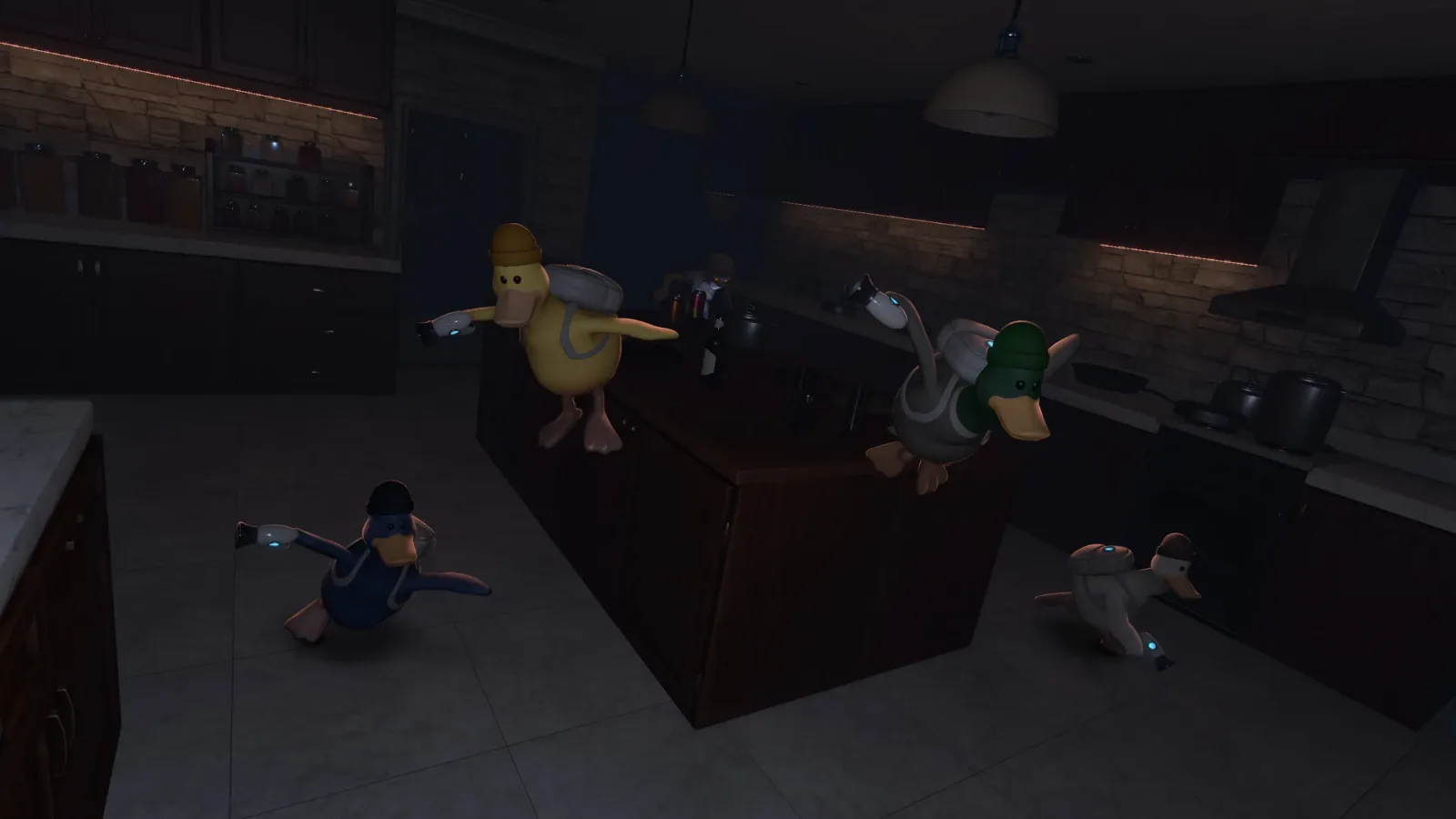
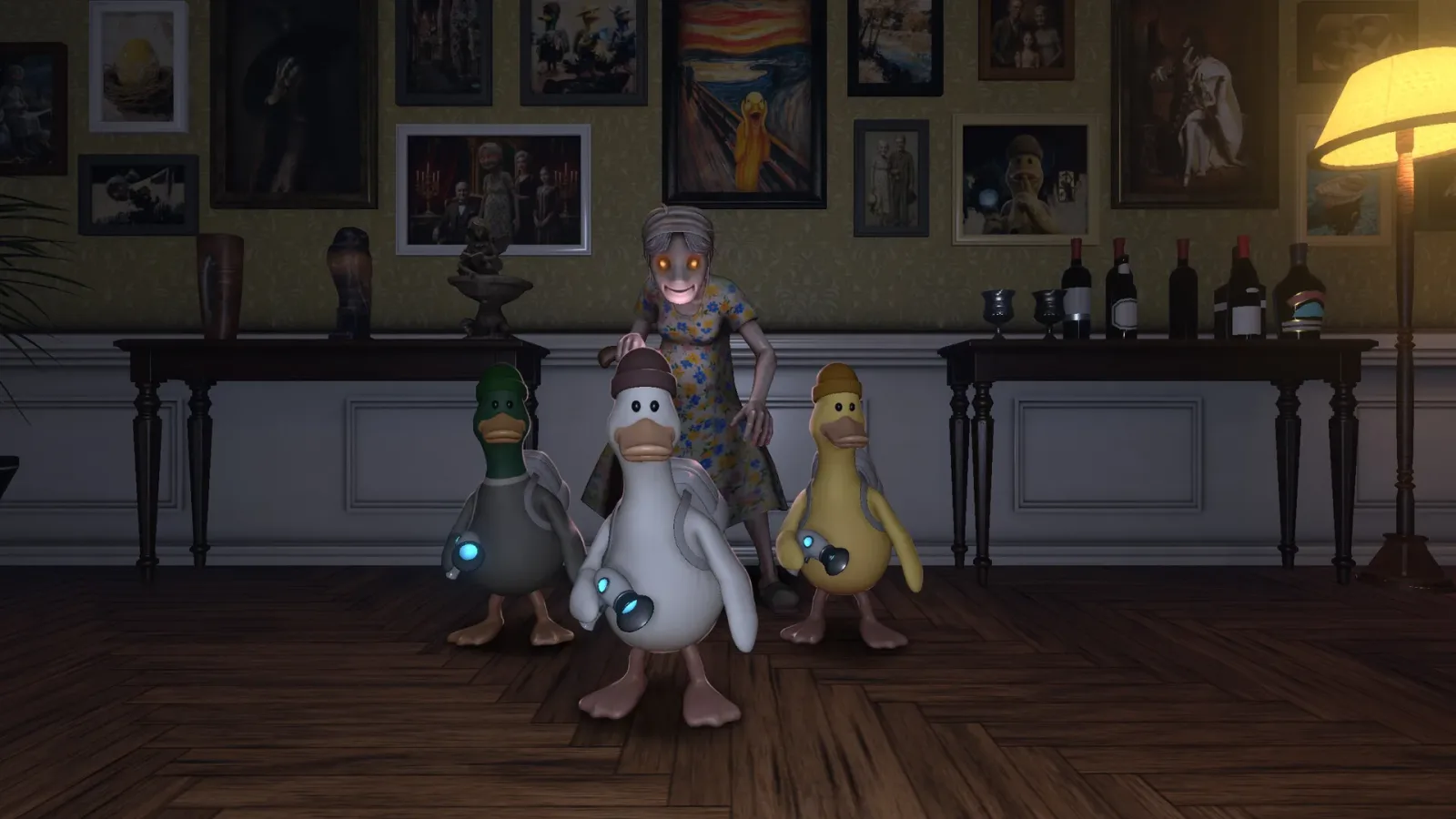
QUIET has an intentionally unusual premise for a horror title. Players take control of alien ducks that have become stranded far from home. Their route to escape leads through a paranormal mansion, where the team must search for parts needed to repair its ship while trying to survive the dangers occupying the building. The game supports solo play as well as teams of up to four players, but its systems are designed to make cooperation as risky as it is necessary.
A large first test for a game built around noise
The difference between registrations and actual participants is worth noting. More than 350,000 people signed up, and 271,132 of them downloaded the playtest client and joined in. For an initial test, that gives LINE Games information from a large number of sessions, players, regions, and team compositions. A co-op horror game can behave very differently when played alone, with a small group of friends, or with a full team of four, so a player count of this scale can be useful beyond simply measuring interest.
For useful background on this topic, read Star Conflict: Burrownauts Brings Roguelite Mining and Bullet-Heaven Defense to Steam.
QUIET's defining concept is sound-based stealth. The paranormal mansion is not just a space to explore for objectives; it is an environment where noise can have consequences. Movement can alert the homeowner. Dropping objects can do the same. Most distinctively, the game uses real-world voice as part of that danger, meaning players' microphone audio can expose them and their teammates. A microphone is required for play.
That setup changes the familiar rhythm of cooperative horror. In many games, players are encouraged to constantly exchange information: call out threats, describe routes, ask for help, and react loudly when something goes wrong. In QUIET, those natural reactions may become another source of risk. A warning intended to save a teammate could potentially draw attention to the team. Panic can become a gameplay event rather than merely a player response.
It also means that a four-player group has to contend with more than enemy encounters and item gathering. Every additional player can contribute useful awareness and manpower, but also more potential noise. A team needs to decide when conversation is worth the danger, when to move carefully, and how to handle an accident that may put everyone in jeopardy. The design gives the word "quiet" a literal mechanical role rather than using it only as horror atmosphere.
For another perspective on this story, read QUIET's First Playtest Draws 271,132 Players for Co-Op Alien Duck Horror.
Searching for a way home
The objective outlined for the playtest is straightforward in concept: locate ship repair parts so the stranded alien ducks can escape. The pressure comes from having to conduct that search inside a mansion shaped by paranormal threats and an active homeowner. Gathering what the team needs is therefore tied to exploration, stealth, and survival rather than being a simple scavenger hunt.
The game's cooperative structure raises the stakes of small mistakes. LINE Games specifically highlighted that noisy errors can endanger the whole group. If someone moves recklessly, knocks something over, or speaks at the wrong moment, the consequence is not confined to that one player. This creates a shared responsibility that fits the game's horror focus: teammates may be each other's best chance of getting out, while also being the most immediate source of chaos.
For solo players, the same systems should create a different type of tension. There are no teammates who might accidentally betray a position with a careless sound, but there is also no one to divide up the search, provide backup, or help manage an emergency. The stated one-to-four-player format gives QUIET room to test how its sound mechanics scale across different approaches, from a lone player trying to remain disciplined to a full group attempting to stay coordinated under pressure.
The alien duck characters help distinguish the game's identity from more conventional haunted-house horror setups. The setting and threat structure are paranormal, but the cast is not made up of the usual investigators, survivors, or military specialists. They are extraterrestrial visitors attempting to repair their transportation after becoming trapped in a deeply unsafe place. That contrast gives the premise a lighter visual hook while leaving the gameplay stakes centered on stealth and escape.
Streams, videos, and player feedback shape the next step
More than 800 Twitch streams appeared during the test, and players published more than 420 videos. Those totals are meaningful for a game with a microphone-driven core mechanic because watching another group play can communicate its tension quickly. A sudden silence, a player trying to whisper instructions, or a group reacting to an accidental sound can all be readable moments for viewers even before they understand every rule of the mansion.
Streaming can also place unusual demands on a game about real-world voice. QUIET's playtest data will have included players communicating normally, groups deliberately trying to stay quiet, and creators managing both teammates and an audience. While LINE Games has not detailed specific conclusions from the test, that range of play styles is likely valuable when examining whether sound detection, communication expectations, and cooperative balance are working as intended.
The company says it collected both player feedback and gameplay data throughout the testing period. More than 820 survey responses were submitted, giving participants a formal way to describe their experiences. Surveys can provide context that raw gameplay metrics cannot always reveal: whether players understood why they were detected, whether microphone interactions felt reliable, whether teamwork was clear, and whether the challenge created suspense rather than confusion.
Gameplay data, meanwhile, can help identify patterns across the enormous number of participants. Developers can examine how players approach the search for ship parts, where teams encounter trouble, how often noise leads to dangerous situations, and how behavior changes across solo and cooperative play. LINE Games has not announced particular changes or a date for another test, but it has confirmed that these findings will help guide the next stage of QUIET's development.
What the test results mean for QUIET
The first playtest does not settle how the finished game will look or when it will become available, and no release timing has been announced here. It does, however, establish that there is considerable early curiosity around the concept. More than a quarter of a million players taking part gives QUIET a strong starting point as LINE Games evaluates its core loop of exploration, noise management, and group survival.
The participation spread across 148 countries is especially relevant for a title requiring a microphone and relying on real-time communication. Different groups may have very different habits around voice chat, coordination, and social play. Testing those systems with a worldwide audience can help reveal how consistently the game's central idea works when players bring different languages, communication styles, hardware setups, and expectations into the mansion.
For now, the clearest takeaway is that QUIET is aiming for a form of co-op horror where silence is not simply mood-setting. It is a resource the team must protect. The alien ducks need parts, a route home, and enough teamwork to survive the mansion, but their own voices and actions can compromise all of that. With the first test complete, LINE Games is now positioned to use its player reports and gameplay results to refine that uneasy balance before the project's next development milestone.
Community
Discussion
Start the conversation.
No comments have been posted yet.