

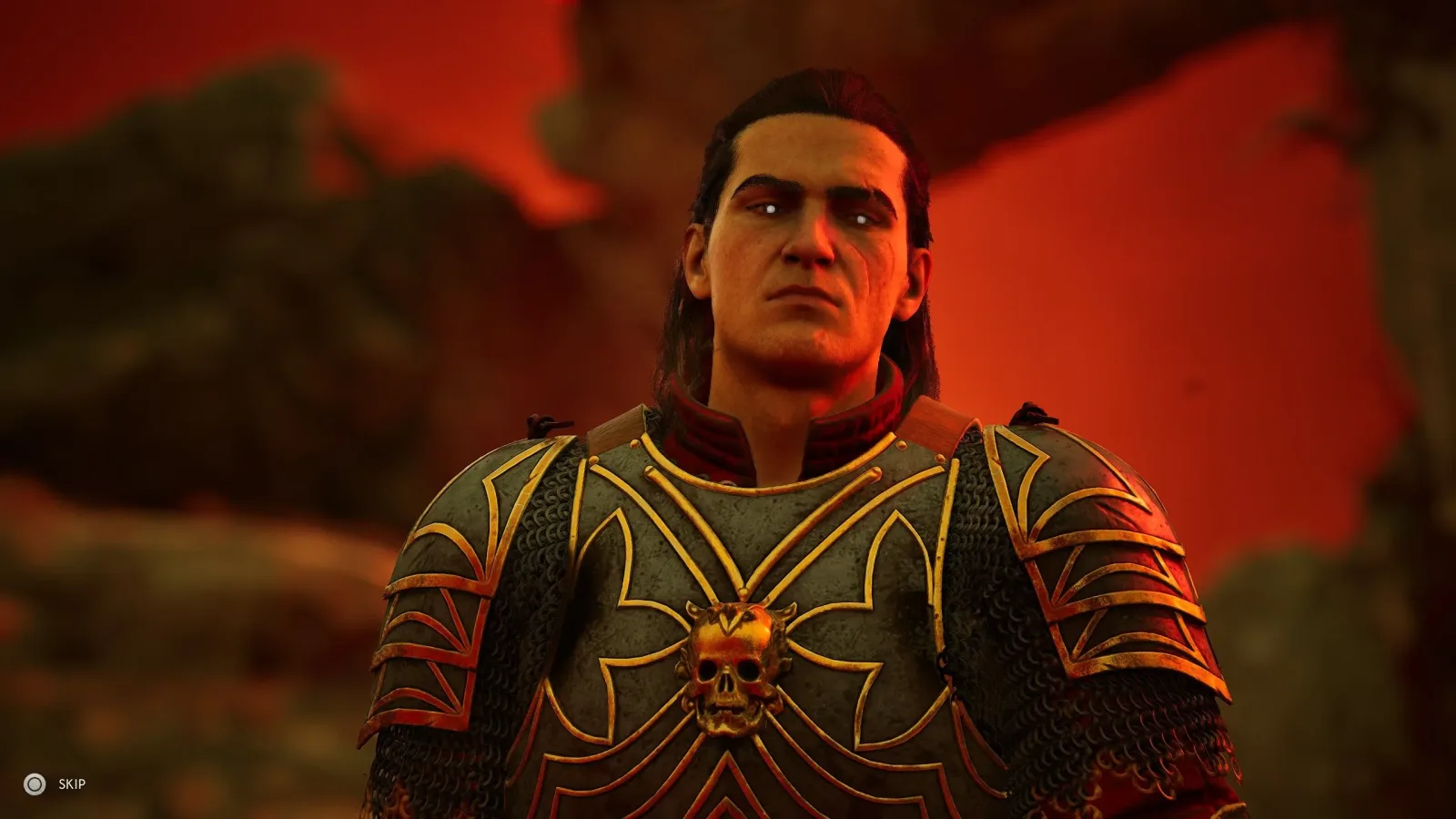
The Blood of Dawnwalker developer Rebel Wolves has laid out a straightforward philosophy for its role-playing games: make the projects the team genuinely wants to play rather than building around the latest market fashion.
The Warsaw-based studio, founded by veteran developers including former The Witcher 3 director Konrad Tomaszkiewicz, has described itself as determined to protect creative focus from the external pressures that can shape big-budget game development. That means resisting stock-market expectations, avoiding rigid deadline-driven decision-making where possible, and retaining the freedom to pursue ideas because the developers believe in them--not because they happen to be popular at a given moment.
It is an appealing principle for an RPG studio, especially one working in a genre where the scale of a game can sometimes obscure its personality. Rebel Wolves' message suggests that it wants the identity of its games to come from the team's own tastes: its interest in dark fantasy, gothic horror, meaningful choices, and systems that ask players to live with consequences.
Creative control is central to Rebel Wolves' identity
Rebel Wolves was established with the stated aim of creating an environment where the development team could concentrate on the project itself. Studio leadership has said that the founding ambition was to avoid being steered by stock-market pressure or by overly restrictive schedules.
For useful background on this topic, read VTuber Ember Paradox Loses Collaborators and Followers After Discussing Identity on Stream.
That does not mean the studio is working without partners. NetEase is a minority stakeholder, while Bandai Namco is publishing The Blood of Dawnwalker. However, Rebel Wolves remains an independent developer and says it has full creative control over the games it makes.
That distinction matters. Outside funding and publishing support can give a new studio the resources needed to realize a large-scale RPG, while independence can preserve the ability to make unusual calls that may not fit a conventional commercial blueprint. In practice, balancing those two needs is one of the hardest tasks in modern game development. Big games require substantial investment, but investment can bring pressure to pursue safer, more familiar ideas.
Rebel Wolves is presenting its structure as a way to avoid that compromise. The studio's public stance is not that audience expectations are irrelevant, but that the first question should be whether its own creators find an idea exciting and worthwhile. As the team puts it,
"We are rebels. We don't want to follow trends. We want to make games that we ourselves want to play and enjoy."
An old-school RPG sensibility in a modern setting
The Blood of Dawnwalker is Rebel Wolves' debut title, and the game's direction reflects the background of many of the people building it. Tomaszkiewicz's history with CD Projekt Red naturally invites comparisons with The Witcher, and there are clear genre touchstones shared by both series: mature fantasy storytelling, morally difficult decisions, a central character navigating a dangerous world, and an emphasis on quest design.
Yet The Blood of Dawnwalker is intended to stand apart through its own horror-rooted atmosphere and gothic identity. The game blends action RPG ideas with an ominous setting, presenting a world shaped by vampiric power and a protagonist caught between humanity and supernatural transformation. The mood, themes, and structure give it a distinctly different foundation from a more traditional monster-hunting fantasy adventure.
That willingness to embrace a specific mood is arguably part of what Rebel Wolves means by refusing to chase trends. The studio is not attempting to make a version of every currently successful type of game at once. Instead, it is leaning into the traits it considers compelling: darkness, tension, replayability, and decisions that can meaningfully alter a player's experience.
For role-playing game fans, that kind of clarity can be more valuable than a long list of fashionable features. A game with a strong point of view may not appeal to everyone, but it can build a more memorable world for the players who do connect with it.
The time-limit mechanic shows the risks of following conviction
One of the most notable and debated elements of The Blood of Dawnwalker is its timed quest structure. The mechanic is designed to create urgency and consequences: players cannot necessarily see and complete every available objective, and the passage of time can carry real weight in the story and in the world.
For some players, this is exactly the kind of feature that makes an RPG feel alive. When a game allows quests to wait forever, even when the fiction presents them as urgent, the world can start to feel static. A time limit can restore tension. It asks the player to prioritize, to accept that not every outcome can be optimized in a single run, and to make choices without perfect information.
That structure can also support repeat playthroughs. If one run cannot contain every storyline, relationship, or resolution, a later run can offer a different path rather than simply repeating the same checklist. In a narrative RPG, that can make player choice feel less cosmetic.
At the same time, timed content can create anxiety. Players who enjoy exhaustive exploration may worry about missing important scenes, rewards, or character arcs. The fear of missing out can be especially potent in a large RPG, where players may already be balancing exploration against story momentum. A mechanic meant to create dramatic stakes can instead become a source of pressure if players feel pushed to rush.
Rebel Wolves' willingness to use such a system is a useful example of its broader philosophy. Trend-chasing often leads to broadly inoffensive design: features are softened until they are unlikely to alienate anyone. But a system with no sharp edges may also have little impact. The time mechanic in The Blood of Dawnwalker has been controversial precisely because it is trying to achieve something specific rather than simply accommodating every possible playstyle.
Why resisting trends is easier to say than to do
"Don't chase trends" is a powerful creative statement, but it is not a simple recipe. Developers still have to consider practical realities, including audience feedback, production costs, technical constraints, accessibility, and the expectations created by their previous work. Rejecting trend-driven design does not mean ignoring players. It means deciding which feedback aligns with the game's core identity and which requests would transform it into something else.
There is also a difference between refusing to copy a trend and refusing to learn from the wider industry. Great RPGs frequently borrow ideas, refine them, and combine them in fresh ways. The important question is whether those choices serve the game's own goals. A system should be present because it strengthens the setting, the story, and the player experience--not merely because another successful release used something similar.
For Rebel Wolves, creative independence appears to be less about isolation and more about having the authority to make that call. The studio can listen to discussion around its games, including criticism of systems such as timed quests, while still deciding that some degree of discomfort or limitation is essential to what it wants to create.
What this could mean for the sequel
Rebel Wolves has indicated that it sees room to expand the world of The Blood of Dawnwalker in a sequel. Exactly what form that next project will take remains unclear, and there is no firm indication of how soon more details might emerge.
Still, the studio's stated principles offer some clues about what players may expect. A follow-up is likely to retain a commitment to a distinctive dark-fantasy tone rather than pivoting toward whatever style dominates the market at that time. It may also continue to prioritize replayability and consequential choices, even if the details of its systems evolve.
The timed-quest debate could be particularly significant. Rebel Wolves may refine its approach, communicate the rules more clearly, or find new ways to make urgency feel fairer for different kinds of players. But the studio's comments suggest it is unlikely to remove challenging design ideas solely because they sparked disagreement. If a mechanic is integral to the experience its developers want to make, it has a stronger chance of surviving the usual push toward safer design.
That does not guarantee that every choice will work for every player. It does, however, point to a studio trying to build a recognizable voice. In an RPG landscape full of enormous worlds and feature lists, a developer willing to make difficult, potentially divisive decisions in service of its own vision may have a better chance of creating something with lasting character.
Rebel Wolves' goal is clear: build RPGs with the confidence to be particular. Whether players embrace every element of that approach or challenge some of its sharper mechanics, the studio is signaling that it would rather make a game with a point of view than one assembled around the industry's current checklist.
Community
Discussion
Start the conversation.
No comments have been posted yet.