

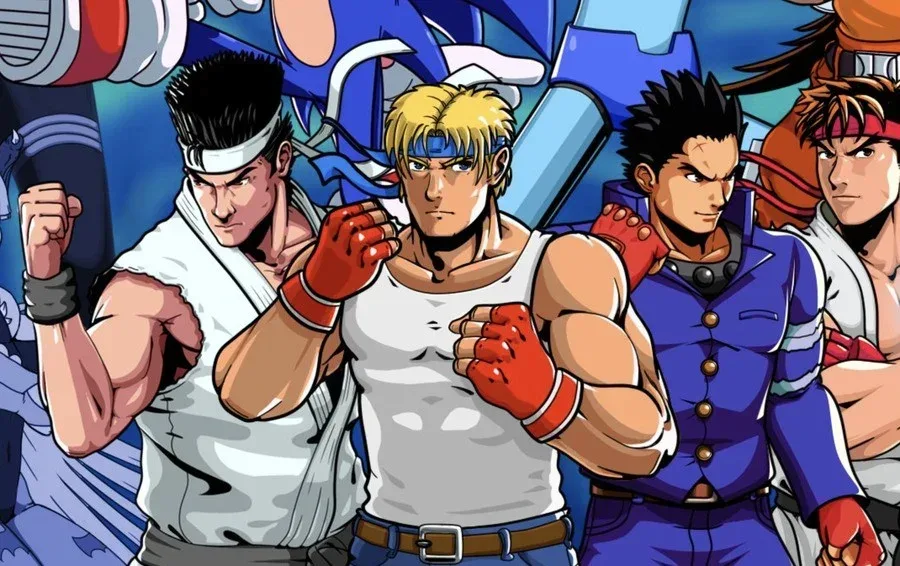
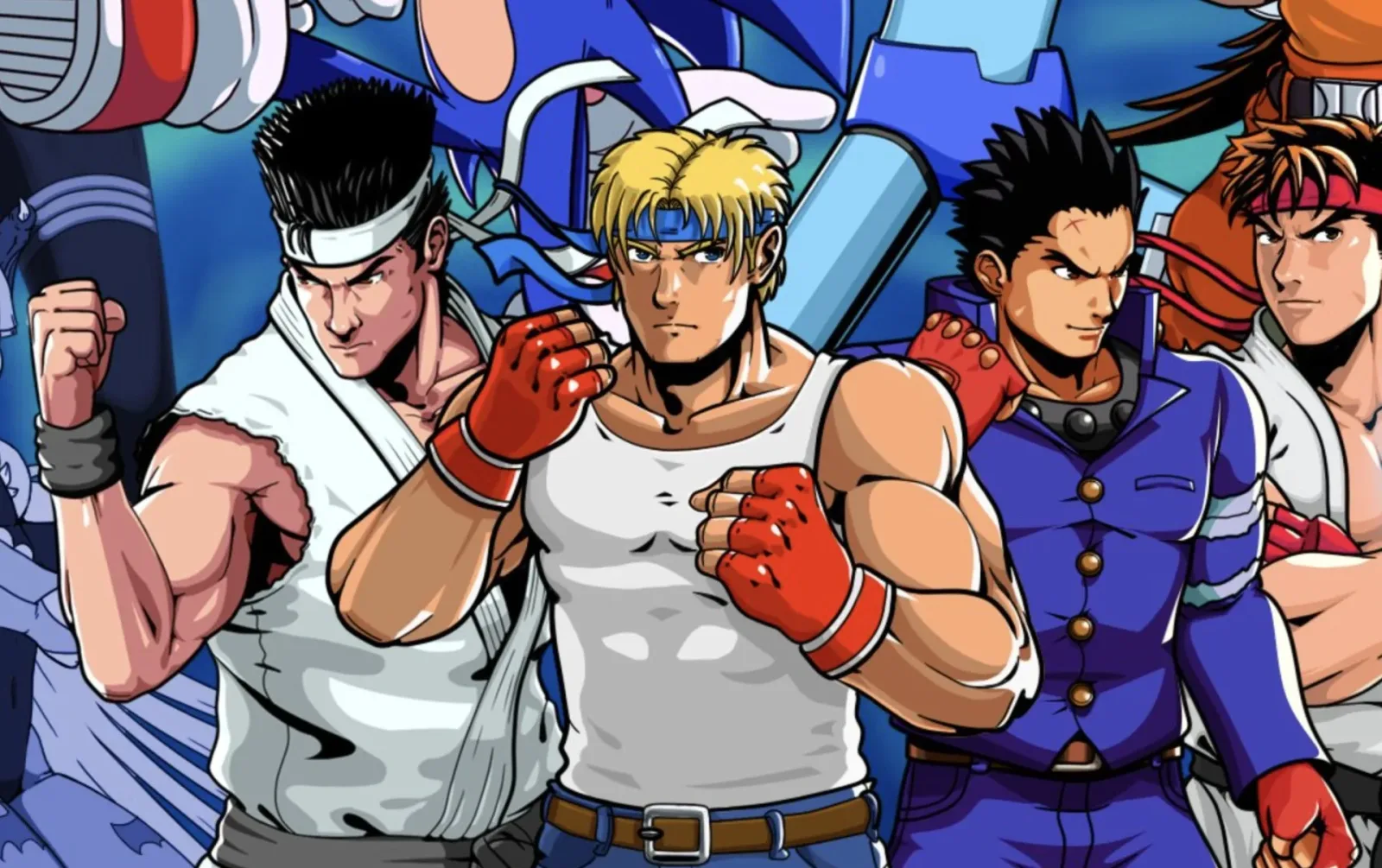
Sega Vs Capcom, a fan-made crossover fighting game that brought together characters associated with both companies, has been discontinued. Developer 4CYDE Studios announced that the project had been shut down because it used Capcom characters and their likenesses, ending a game that had been publicly available online for years.
The team addressed the situation in a brief public statement, making clear that the use of Capcom-owned material was the reason for the shutdown. 4CYDE Studios also acknowledged the inherent uncertainty behind developing a fan game built around another company's intellectual property. While the news has prompted disappointment among players who followed the project, the developer said it does not regret having made it and was pleased that the game reached its Season 1 release.
Downloads for the PC fighting game have since been pulled. Footage of Sega Vs Capcom remains available in videos posted over the course of its development, preserving at least some record of the work that went into the project and the version players were able to experience before its removal.
Embedded X/Twitter post
A crossover built outside the official fighting-game circuit
The premise behind Sega Vs Capcom was immediately understandable to fans of arcade fighters and crossover games. Sega and Capcom each have extensive back catalogs filled with distinctive characters, settings, visual styles, and competitive-game history. An unofficial one-on-one fighter combining that material naturally appealed to people who have long imagined a formal collaboration between the two publishers.
For useful background on this topic, read Sunlit Ends Collaboration With KandoWontu Over AI-Driven Star Fox PC Port.
Capcom, in particular, has a major legacy in crossover fighting games. Its history includes projects that paired Capcom characters with Marvel heroes, SNK fighters, Tatsunoko personalities, and others. Sega, meanwhile, has been home to franchises with their own strong arcade and console identities. A matchup between the companies had obvious nostalgic value even without an official release.
That appeal, however, also created the issue at the center of the shutdown. The project did not merely take inspiration from Capcom's fighting-game history. It used Capcom characters and their recognizable identities. Even when a fan project is distributed without a price tag, the owners of those characters retain control over how their copyrighted and trademarked material is used.
4CYDE Studios' statement reflects the difficult balance that many fan creators face. Fan games can be passion projects, technical learning exercises, portfolio pieces, and tributes to beloved series. At the same time, their existence can depend on rights holders choosing not to intervene. Once that tolerance ends, a project can disappear regardless of how long it has been available or whether its creators made money from it.
Developer says there are no regrets
Rather than frame Sega Vs Capcom as a wasted effort, 4CYDE Studios presented the project as a valuable stage in its development. The team said it hoped people would view the work as a learning experience that could help lead to future original games. It also indicated that creating original titles had already been part of its ambitions before Sega Vs Capcom came to an end.
"With any fan game, that's the risk and we have no regrets making the game happen," 4CYDE Studios said while thanking those involved with the project.
That perspective is important in the context of small-team game development. Building a fighting game requires more than putting familiar characters on screen. Developers need to work through movement, attacks, hit detection, animation timing, collision behavior, balance, user interfaces, menus, visual effects, audio implementation, and the huge number of interactions that emerge when a roster of fighters meets a competitive ruleset.
For creators looking to make their own commercial or original projects later, a fan game can provide practical experience across those disciplines. It can also build a community around a team's work. Yet the removal of Sega Vs Capcom is also a reminder that experience gained through fan work does not guarantee a project will remain accessible indefinitely.
The developer's emphasis on future original work gives the shutdown a more forward-looking ending. Sega Vs Capcom may no longer be downloadable, but the skills developed through the project can carry over into games whose characters, worlds, and mechanics are fully owned by their creators.
Debate over copyright and preservation
Reaction to the announcement has included sympathy for 4CYDE Studios, frustration from people who enjoyed or admired the game, and arguments over the broader rights-holder perspective. That mixture is familiar whenever a fan project is removed. Players often focus on the creative labor that has vanished from public access, while companies and industry professionals emphasize the legal and commercial importance of protecting intellectual property.
Hidetoshi Ishizawa, also known as Neo_G, commented on the matter and argued that using Capcom's copyrighted material was not acceptable. Ishizawa has notable experience with Capcom's fighting-game catalog, having directed Street Fighter III: 3rd STRIKE and served as the main planner on Capcom Vs. SNK 2.
During the discussion, Ishizawa initially claimed that the Sega Vs Capcom team had directly taken character models from Tatsunoko vs. Capcom. He later withdrew that allegation after being corrected. His broader view remained unchanged: Capcom's legal position did not depend on whether the project was free or on where the people involved were located.
That distinction matters because online conversations about fan games can sometimes turn into arguments about cultural attitudes toward copyright enforcement. Ishizawa rejected the idea that this was simply a difference between Japanese and Western perspectives, maintaining instead that the ownership question was clear regardless of geography.
For fans, the case also raises preservation concerns. A free, non-commercial project can still become part of a community's shared history, particularly when it represents years of iterative work and a niche idea that may never receive an official equivalent. Once downloads are gone, players can no longer easily test the game, study its systems, or revisit it firsthand. Videos can document how it looked and played, but they cannot completely replace an interactive build.
Free distribution does not remove the risk
The Sega Vs Capcom situation underlines a point that is easy to overlook when fan games are widely shared: offering a project for free does not automatically make it permissible. Copyright and related rights are not limited to products sold for money. A rights holder may object to unauthorized use of characters, designs, names, music, art, or other protected elements even when the creators are not directly profiting from the work.
There are several reasons a company might choose to act. It may wish to control the quality associated with its characters, avoid confusion about what is official, protect potential future products, enforce rights consistently, or prevent unlicensed uses from spreading further. Fans may disagree with a decision or feel that a tribute project helps keep an older series visible, but that does not erase the owner's ability to defend its property.
At the same time, fans are not wrong to recognize the amount of effort behind projects such as Sega Vs Capcom. The shutdown does not mean the team lacked talent or that the game's supporters were mistaken to appreciate it. It simply demonstrates the unstable foundation of work that relies on franchises controlled by others.
For aspiring developers, the practical lesson is not that fan projects have no value. They can teach useful skills and inspire communities. The more durable route, though, is to take those lessons into original games, where teams can establish their own casts, visual language, story worlds, and long-term plans without facing the same ownership conflict.
What remains of Sega Vs Capcom
Although the playable downloads have been removed, Sega Vs Capcom has not vanished entirely from view. Existing videos still show the game in motion and offer a glimpse at the crossover concept that 4CYDE Studios pursued. For followers of independent fighting-game development, those clips now serve as a record of a project that reached a public Season 1 release before ending.
The game's closure is unlikely to end demand for an official Sega and Capcom fighting-game crossover. The idea remains appealing precisely because both companies have deep histories and recognizable characters. But any official project would require formal agreements, approval from the rights holders, and the production resources expected of a licensed release.
For now, 4CYDE Studios appears focused on turning its experience into something new. Its message is notably not one of bitterness over the time spent on Sega Vs Capcom. Instead, the team has characterized the fan game as a meaningful learning process and an important step toward original work. That may be the project's most lasting legacy: not a downloadable build, but the foundation it gave its creators for whatever comes next.
Community
Discussion
Start the conversation.
No comments have been posted yet.