

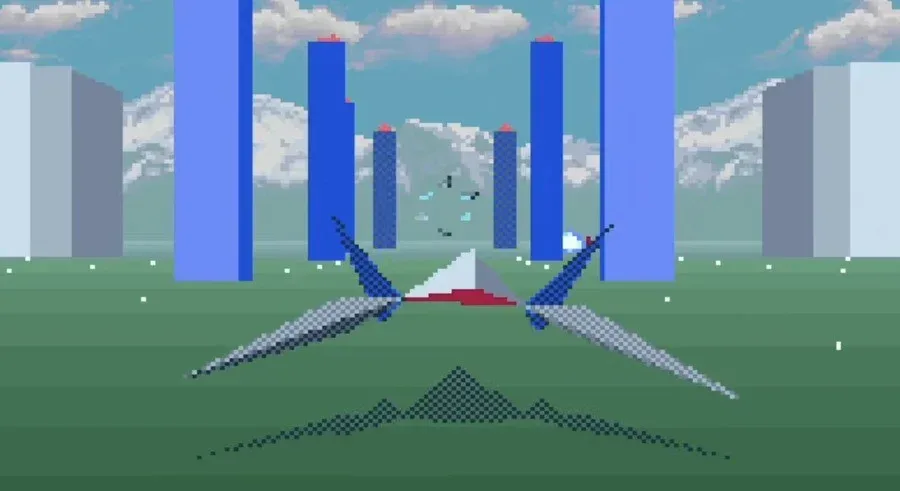
Two names long associated with the Star Fox modding scene are no longer working together. Sunlit, one of the contributors behind the fan-made SNES enhancement project Star Fox EX, has publicly ended their association with KandoWontu after objecting to KandoWontu's reported use of AI tools on a native PC port of Nintendo's original Star Fox.
The disagreement is not simply about whether AI tools can have any place in development. Sunlit made clear that they use AI in limited ways for support work, including help with scripts, tools, and learning unfamiliar technical concepts. Their objection is to allowing generative systems to directly create the game itself, particularly when the material being fed into that process includes a project built by a team of human modders.
It is a sharp split between collaborators whose work has been familiar to fans of one of the Super Nintendo's most technically unusual games. It also places an increasingly common debate in game development into the close-knit world of fan preservation, reverse engineering, hacks, and homebrew: is an AI assistant a useful productivity tool, or does reliance on it undermine the creative and technical journey that makes a community project meaningful?
Embedded X/Twitter post
A partnership ends over a new Star Fox project
Sunlit's statement centers on KandoWontu's current effort to produce a native PC version of Star Fox with AI tools. Sunlit said they "very strongly" disapprove of the project's direction and no longer feel comfortable maintaining an association with KandoWontu.
For useful background on this topic, read Konami Wai Wai World Craft Trailer Shows a Game Builder Full of Characters, Traps and Social Sharing.
In particular, Sunlit raised concerns that the PC effort draws substantially from their own work and that the entirety of Star Fox EX had been supplied to an AI system. Star Fox EX is a fan project that expands the original Super NES title, an important point in Sunlit's criticism because it represents work created over time by a group of people motivated by enthusiasm for the game and the platform.
Sunlit's view is that the goal of this kind of modding work should not be reduced to reaching a finished build as quickly as possible. Instead, they described the process itself--learning, problem-solving, designing, and building alongside other people--as central to the value of the work.
"The reason why we work on these projects and do what we do is not for the final product itself, but the journey we take to get there," Sunlit said.
That distinction matters especially in retro-development circles. Projects involving old console software can require extensive examination of technical limitations, unfamiliar programming practices, bespoke data formats, unusual hardware behavior, and original code that was never intended to be modified by the public. A finished patch or port can be the visible result, but much of the community value comes from the research and skills accumulated along the way.
Sunlit draws a line between assistance and authorship
Sunlit did not frame their statement as an absolute rejection of all AI use. They acknowledged using AI tools in an assistive role, such as generating utility scripts or helping explain areas they are still learning. That is a distinction many developers have tried to make as such tools become common in programming workflows: assistance can speed up repetitive tasks or provide another avenue for research, while the developer still makes the technical decisions and authors the final implementation.
For Sunlit, the line is crossed when AI is used directly to program or design the actual game or project. They said the finished work they release will remain programmed and designed by humans, arguing that an AI system should function as an assistant rather than take over the task.
This position does not depend on treating every form of automation as identical. Development has always involved tools that reduce labor, from compilers and debuggers to graphics utilities, assembly tools, version control, and community documentation. The concern voiced here is more specific: a system that produces major portions of a codebase or project output without the creator understanding how that output works can change both the authorship and the long-term maintainability of the project.
Sunlit argued that using AI to rush toward a final product may leave the person directing it without meaningful experience or knowledge. They also warned that the result can be a costly, opaque codebase whose creator does not understand its internal workings, potentially leading to a mediocre final product despite the appearance of rapid progress.
Why code understanding matters for fan projects
The concern over an opaque codebase is particularly relevant to an unofficial game project. Fan work often develops over years, with contributors revisiting old systems, fixing compatibility problems, responding to bugs, and documenting discoveries for the next person. A native PC port, if it is to be maintained, is not merely a one-time conversion. It may need adjustments for different hardware, operating systems, input devices, rendering behavior, performance targets, and future additions.
When the underlying code is understood by the people maintaining it, problems can be isolated and fixed. When a project becomes a "black box," as Sunlit described it, future work can become harder even if an early version appears functional. This is not an issue unique to AI-generated code, but AI-assisted output can intensify it when code is accepted wholesale without careful review, testing, or comprehension.
There is also a cultural dimension. Retro fan communities frequently share technical findings, create tools, preserve knowledge about aging platforms, and teach newcomers how software from earlier eras worked. The educational value is not incidental. It is one reason projects such as enhancement hacks, engine recreations, and decompilation efforts can matter beyond their final downloadable build.
Sunlit's comments place that culture at the heart of the dispute. In their view, bypassing the learning process risks giving up the very creative and intellectual work that makes a project worthwhile.
Star Fox EX carries collaborative history
Star Fox remains a notable SNES game because of its use of the Super FX chip to create its polygonal 3D presentation. The game's technology, visual identity, and place in Nintendo's history have made it a natural subject for enthusiasts interested in pushing its original framework further. A project such as Star Fox EX therefore sits at the intersection of game modification, retro hardware curiosity, and fandom.
Sunlit emphasized that Star Fox EX was made by humans working from passion. That framing explains why the alleged use of the complete project as AI input was a major factor in the decision to sever ties. Even in collaborative fan communities where work is shared openly or built on prior discoveries, contributors can have strong expectations around credit, stewardship, and the manner in which collective work is reused.
It is important to separate the stated dispute from broader assumptions about the eventual fate of any PC port. Sunlit's comments concern their own association with KandoWontu and their objections to the reported development approach. No release date, formal distribution plans, or platform support details for the PC project were provided in the statement.
A broader debate reaches the retro scene
AI's role in games is being debated across commercial studios, independent development, modding communities, art circles, and programming spaces. Supporters often point to faster prototyping, coding assistance, accessibility for newcomers, and help handling tedious tasks. Critics raise questions about training data, attribution, labor, artistic identity, accuracy, quality control, and whether creators remain meaningfully involved in the work attributed to them.
The Sunlit and KandoWontu split illustrates how those issues can become especially personal in a community project. There is no large studio structure insulating contributors from one another. The project history, the learning invested in technical breakthroughs, and the trust between collaborators can all be closely connected. A disagreement over tools can therefore become a disagreement over the purpose of making the project at all.
Sunlit's final message was critical but not entirely hostile. They said it saddened them to see KandoWontu taking this route and wished them well in whatever they do next, while making clear they will not be joining them. The result is an apparent end to a creative association that helped produce one of the more recognizable fan expansions connected to the original Star Fox.
For observers of retro modding, the immediate story is a collaboration ending. The larger story is likely to continue: communities built around old games are now deciding where they stand on modern AI tools, what counts as acceptable assistance, and how to protect the human knowledge and care that have kept decades-old software alive.
Community
Discussion
Start the conversation.
No comments have been posted yet.