

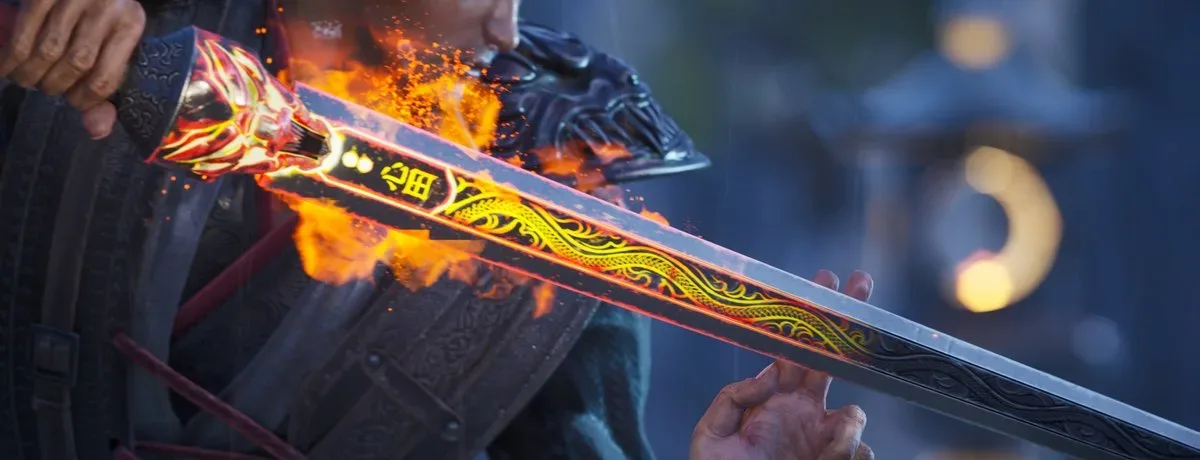
Burning Sword: Death Sun now has a free demo available on Steam, giving PC players an early chance to test the wuxia-inspired hack-and-slash from Bangkok developer Nomadic Games and publisher Rising Tide Publishing. The demo has been reworked with a clearer priority: get players into the game's sword combat quickly, then let its systems reveal the precision, resource risks and aggressive movement expected of a martial-arts revenge story.
Built in Unreal Engine 5 by a 25-person team, Burning Sword: Death Sun draws its action identity from classic wuxia cinema. That means a focus on expert fighters, heightened martial abilities, dramatic rivalries and duels where reading an opponent matters as much as landing a hit. Rather than positioning the experience as a broad, button-mashing fantasy brawler, the game emphasizes fast and exact swordplay, with a collection of mechanics intended to reward confident offense and disciplined resource management.
A revenge journey led by Zhang Yixian
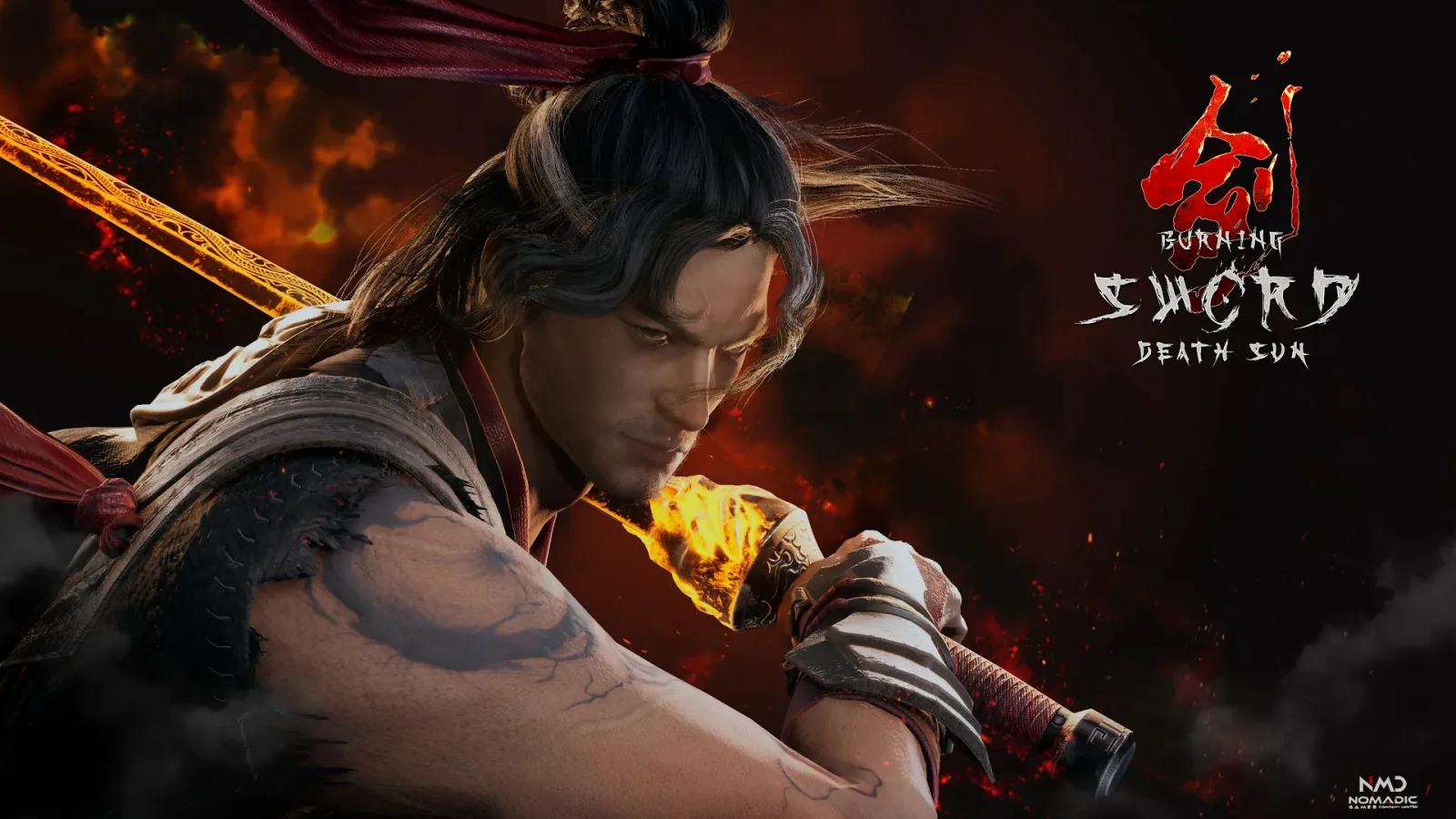
Players take the role of Zhang Yixian, leader of the Crimson Dust Demon Sect. Having returned from the edge of death, Zhang begins a pursuit of Gao Tianqi, the master associated with the Death Sun poison. The path to that confrontation is not direct: masters who stand between Zhang and his target must be defeated.
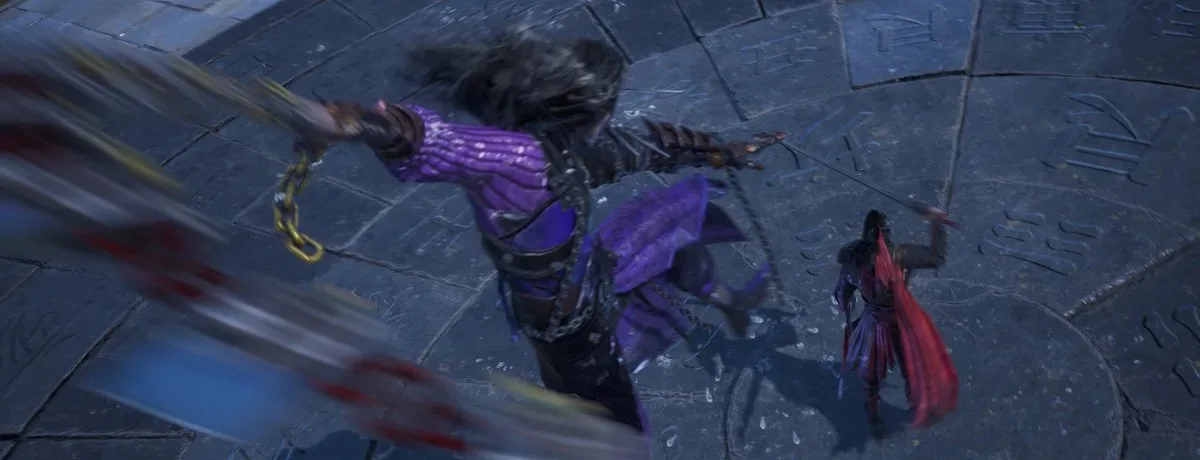
That setup gives the game's boss encounters a central narrative place rather than treating them as occasional roadblocks between ordinary combat encounters. Each master is meant to present a distinct duel, asking players to adjust to different threats and fighting styles. For a wuxia game, that emphasis is especially fitting. Rival masters are often the heart of the genre's most memorable confrontations, where techniques, mobility and resolve all become part of the spectacle.
For useful background on this topic, read Shawn Layden Calls Xbox's Crossroads a 'Dreamcast Moment' for New CEO Asha Sharma.
The demo is therefore an opportunity to see how Nomadic Games balances that cinematic foundation with a more mechanically driven action-game structure. Its combat includes familiar action-game progression systems, but the stated goal remains to preserve the importance of player skill and the core difficulty of its sword fights.
The Burning Sword and the risk of exhausting Qi
At the center of the game's toolkit is the Burning Sword mechanic. Players can build this power and then release it to produce stronger attacks. In practice, that creates an additional decision layer during a fight: use the enhanced attack as soon as an opening appears, or continue building toward a more significant payoff while facing the danger of a difficult opponent.
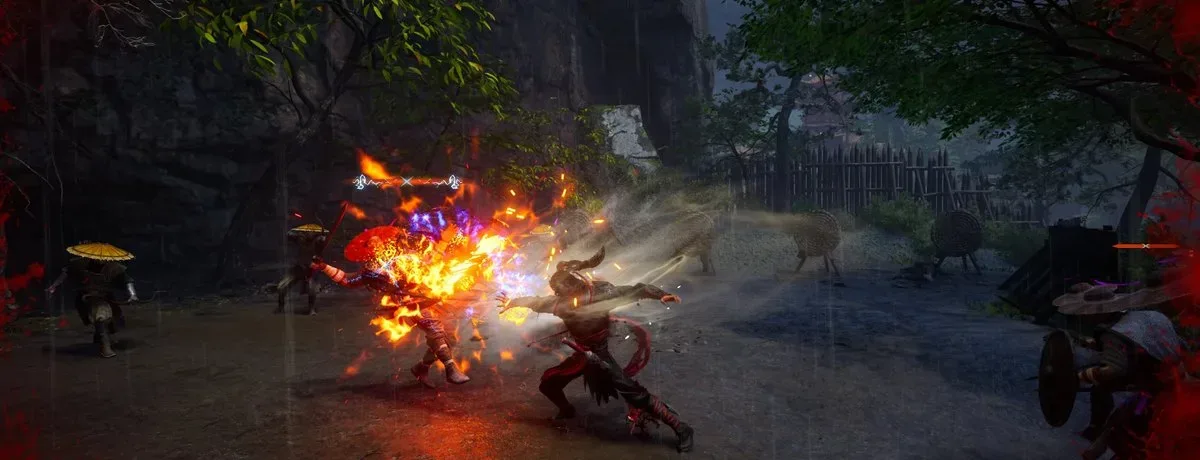
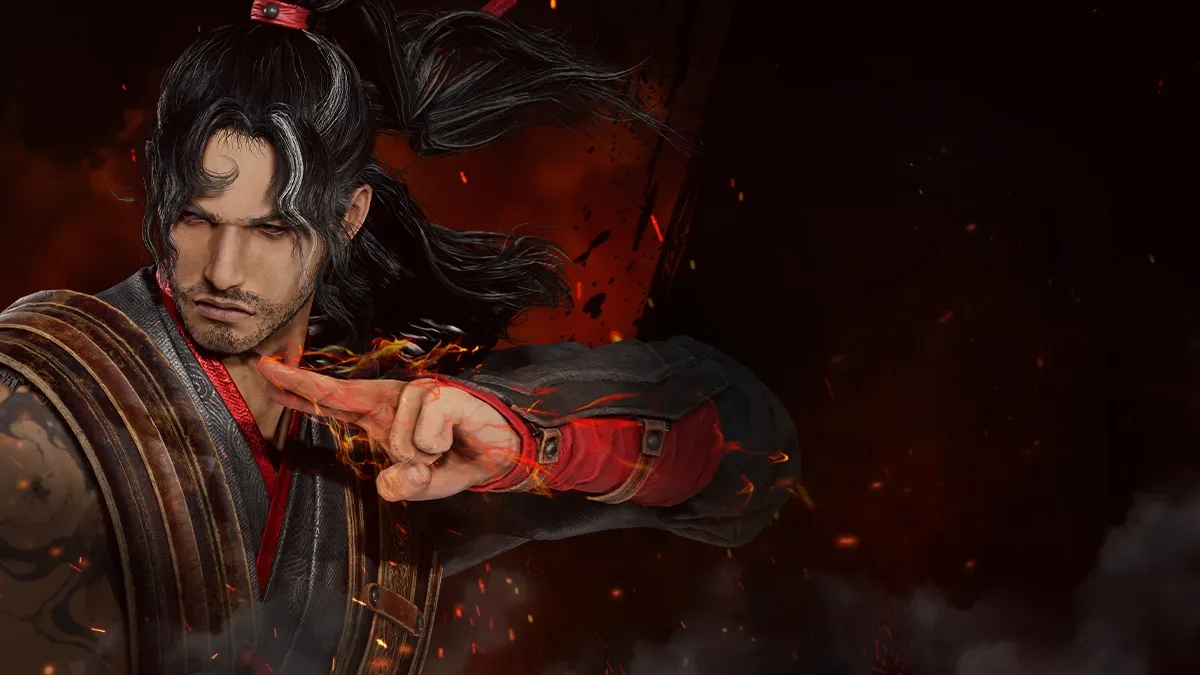
Qi is another key combat resource. It powers skills as well as ranged blasts, giving Zhang access to more than his standard close-range sword attacks. However, the system comes with an important penalty. If Qi is entirely depleted, it begins consuming health. That turns ability use into a pressure point rather than a straightforward path to safety. Spending Qi may create the opening needed to finish an enemy or evade a dangerous sequence, yet reckless use can put the player into a more precarious state.
For another perspective on this story, read Burning Sword: Death Sun's Free Steam Demo Brings Wuxia Swordplay, Qi Risk and Boss Duels to PC.
This kind of trade-off should make moment-to-moment decisions more consequential. A player with a nearly empty Qi reserve cannot simply rely on special moves without considering the health cost. Conversely, someone who holds Qi too tightly may lose access to the tools that would make a boss pattern manageable. The tension between aggression, preservation and timing appears to be one of the defining ideas behind Burning Sword: Death Sun.
The combat kit also includes Qi Drain, described as a forbidden technique that steals both life and Qi. It offers an especially aggressive answer to resource pressure, potentially helping players recover in the middle of a dangerous battle. Its presence reinforces the game's interest in systems that connect survival directly to combat initiative. Instead of stepping back and waiting for a situation to improve, players can use a risky martial technique to take what they need from an opponent.
Movement and arenas are part of the fight
Nomadic Games is not limiting the action to sword swings and supernatural energy. Zhang has access to Qinggong, the acrobatic martial-arts movement associated with wall-running and aerial maneuvering. That should give the game a more vertical sense of motion, allowing players to navigate arenas with the kind of rapid, stylized agility that wuxia stories often demand.
A separate ability called Rebound lets players send objects from the arena back toward enemies. Environmental interaction can give a combat space more tactical character, particularly when players are facing opponents who control the pace of a duel. Rather than viewing the surrounding arena as decoration, players may be able to turn it into another offensive option.
The full combat design also includes a skill tree with unlockable combos and heavy techniques. Some of those heavier moves draw on Qi, once again tying character growth to the central resource-management system. Unlocking a powerful sequence is useful, but the player still needs enough Qi to make use of it safely. The result is a progression model that appears intended to broaden options without removing the need for clean execution.
Light roguelite elements aim to support different builds
The updated demo introduces light roguelite elements that allow players to lean toward different playstyles on each attempt. This approach can make repeated runs more interesting, particularly for a combat-focused demo where players may want to explore the flexibility of Zhang's abilities instead of only reaching a single endpoint.
Importantly, those elements are not being framed as a reduction in the game's challenge. The adjustments are designed to offer variation without changing the underlying emphasis on difficulty, mechanical understanding and player skill. In other words, the demo's run-to-run choices may influence how a player approaches an encounter, but they are not meant to replace learning enemy behavior, managing Qi or using the sword precisely.
That distinction matters for an action game built around boss duels. Roguelite systems can provide exciting experimentation, but if upgrades become too dominant they can make careful combat fundamentals feel secondary. Here, the goal appears to be greater expression within the existing combat structure. Players might find a setup that complements ranged blasts, a more forceful sword-focused approach, or a build that makes particular use of mobility and life-stealing options, while still needing to meet each encounter on its own terms.
A newly recut introduction for the Steam demo
The available demo is a redesigned version intended to reach its swordplay more quickly. That is a practical change for a game whose appeal rests heavily on the feel of combat. Demos have limited time to make their case, and a faster route to the core systems gives players a better sense of whether the game's rhythm, precision and martial-arts style suit them.
For newcomers, the demo should provide a focused first look at the relationship between the Burning Sword, Qi, Qinggong and the game's more specialized techniques. For players already interested in the project, the revised structure makes it possible to assess how the newer roguelite touches fit around the original action-game foundation.
The team reached this demo milestone under difficult real-world circumstances. Parts of Bangkok were experiencing flooding while the developers were pushing to complete the final demo build. The release materials include photographs of the crew from that period, offering a glimpse at the conditions surrounding the final stages of the demo's preparation.
What Steam players can try now
The free Steam demo is the currently confirmed way to play Burning Sword: Death Sun. It presents the game's revenge-driven premise and places its most important gameplay ideas front and center: rapid sword combat, charged Burning Sword attacks, Qi-powered abilities, the danger of resource depletion, forbidden Qi Drain, wall-running movement, arena-object Rebound attacks, unlockable techniques and master-versus-master boss encounters.
For fans of wuxia films and demanding character-action games, that is a promising mix. The ultimate question will be whether all of these mechanics come together into duels that feel as fluid, dramatic and exacting as their inspirations. With the demo now live on Steam, players can begin finding out for themselves--and can experiment with the different approaches its light roguelite systems encourage without losing sight of the blade-first combat at the game's core.
Community
Discussion
Start the conversation.
No comments have been posted yet.