

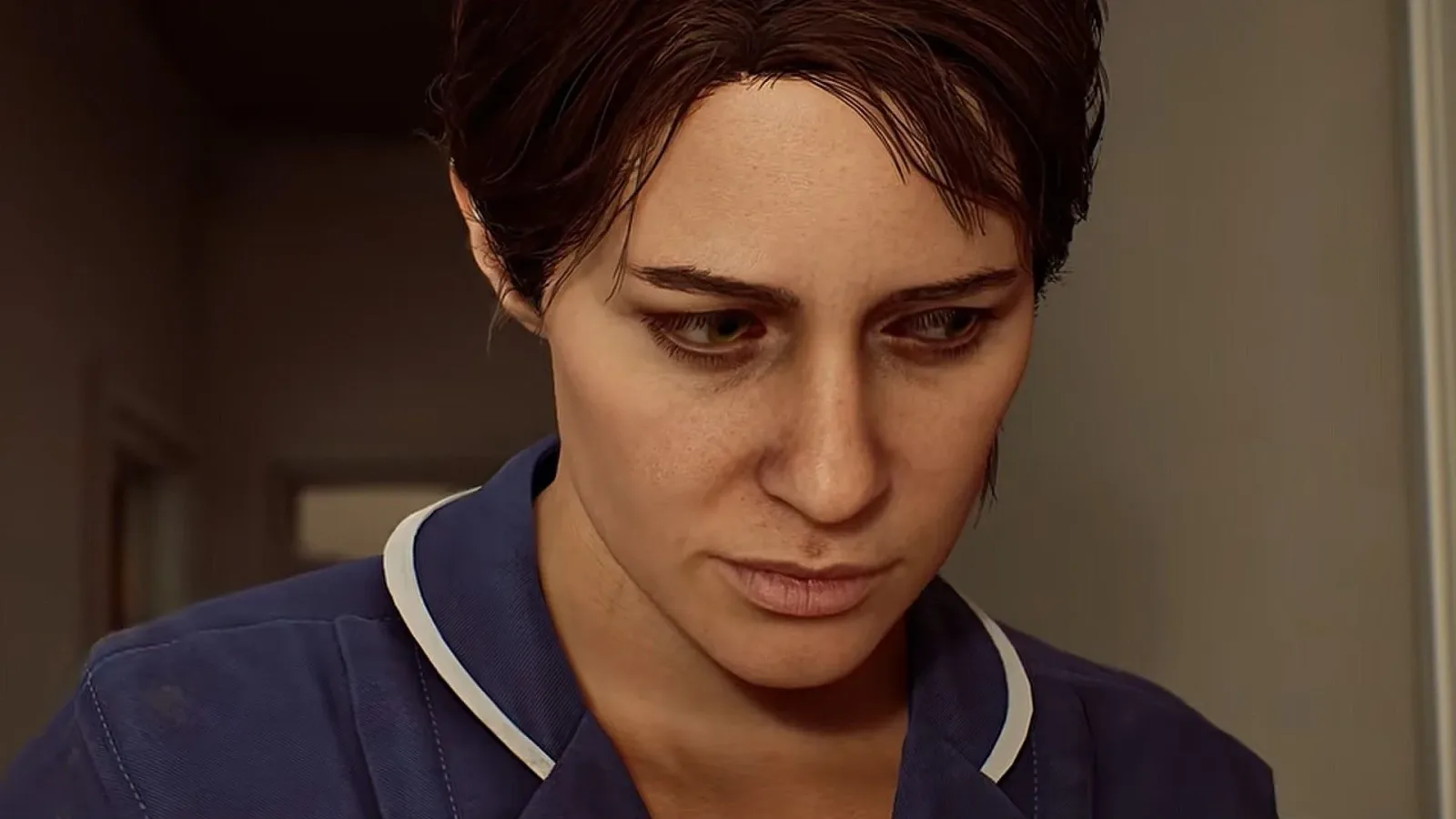
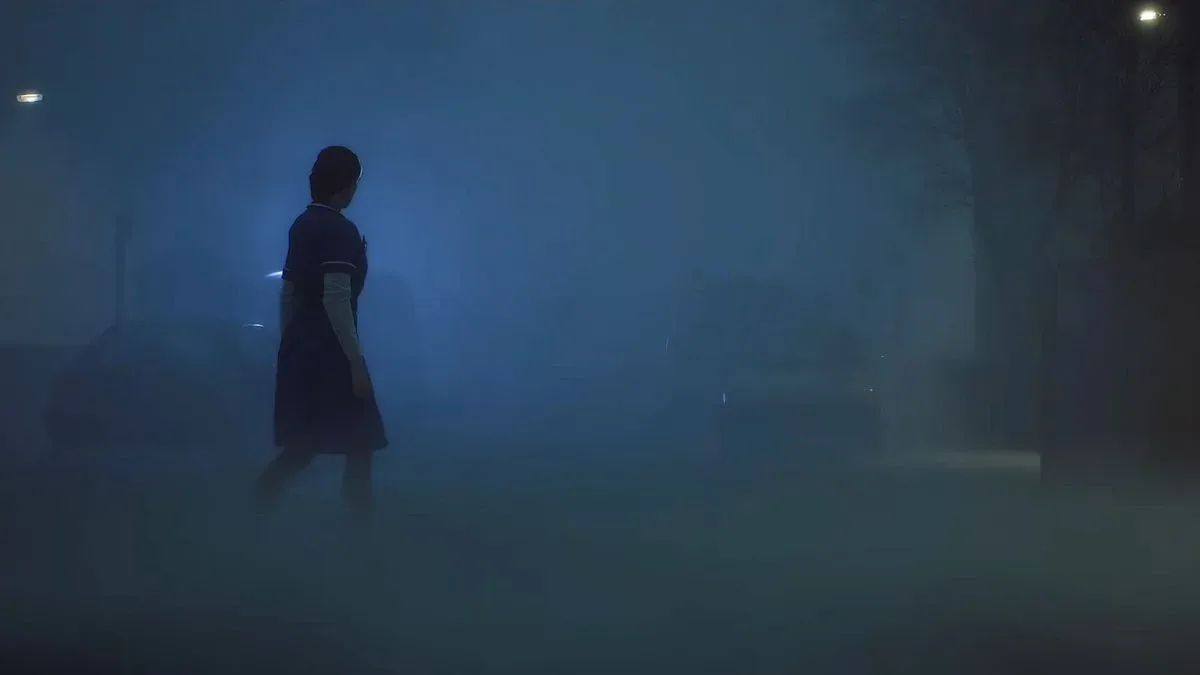
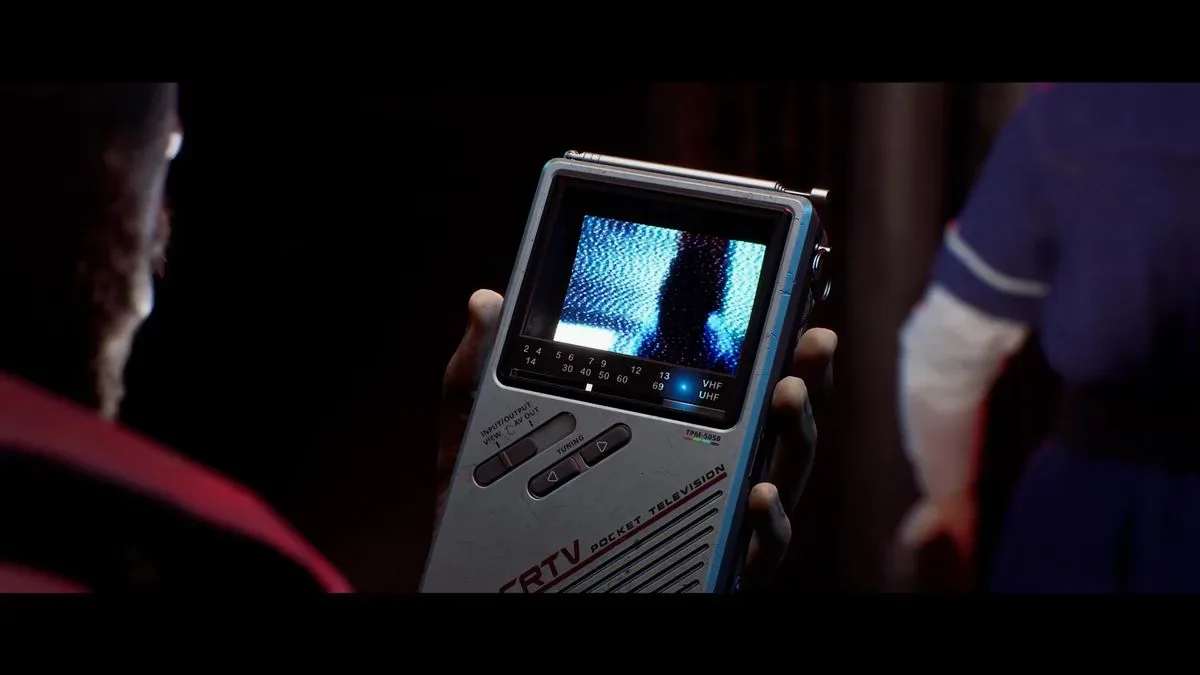
Silent Hill Townfall may initially appear to belong to Simon, its central figure moving through the fog-shrouded streets of St. Amelia with a handheld CRTV as his unsettling connection to the town's mysteries. Yet one of the game's most revealing stretches belongs to somebody who spends much of its opening hours unheard, unseen, and seemingly out of reach: nurse Zoe Ellis.
Her voice arrives through Simon's strange device, fragile and urgent, asking him to return and to free her. That setup has an intentionally familiar Silent Hill quality. A distant woman, a guilty man, a decaying town, and a plea that could be supernatural, metaphorical, or both: the series has always understood how effectively those ingredients can summon dread. But Townfall does not leave Zoe as a disembodied prompt for Simon's progress. Once the game reaches its second section, her role expands into something much more consequential.
By letting players take control of Zoe during a flashback, Townfall changes not only whose story is being told, but how its horror is felt. Simon can fight. Zoe mostly cannot. Simon encounters grotesque threats that read as monsters. Zoe sees damaged, vulnerable human forms. Simon's journey is tied to survival amid the town's hostile spaces. Zoe's is built around care, guilt, exhaustion, and the impossible expectation that one overworked woman should be able to prevent suffering everywhere at once.
That makes Zoe far more than a helpful voice guiding a protagonist through a nightmare. She becomes one of Townfall's clearest emotional lenses, and perhaps its most quietly heroic character.
For useful background on this topic, read Nobuo Uematsu Says Final Fantasy VII's More Restrained Music Was a Deliberate Choice.
A nurse pulled beneath an impossible workload
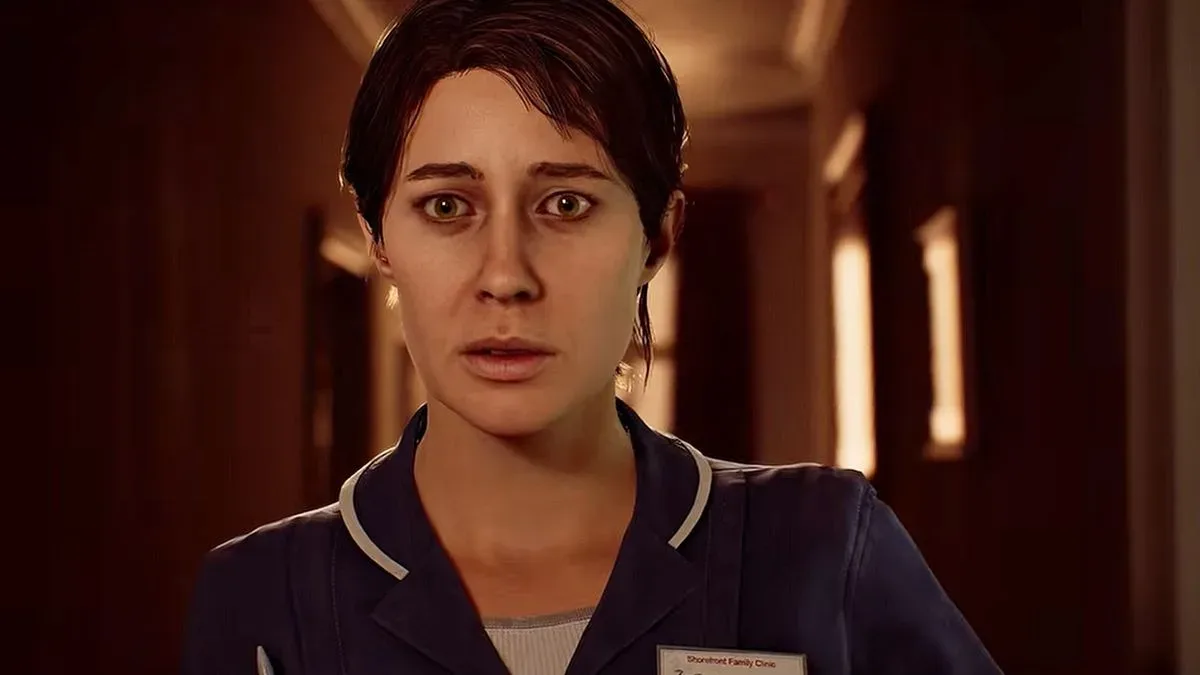
Zoe's playable material is set in mid-1990s Scotland and begins with an everyday professional tool that becomes loaded with menace: a pager. She is called to a home on Church Avenue to help Mr Stewart, an elderly regular patient. The call is troubling because Zoe had already failed to visit him after a sharp increase in her workload left her overwhelmed.
Townfall's horror is strongest when it recognizes that this is not a simple individual failing. Zoe is not presented as careless, cruel, or indifferent. She is worn down by demands that have exceeded what one person can reasonably handle. Still, when a patient suffers, the burden is placed onto her shoulders. The situation is frightening before any creature enters the scene because it reflects a recognizable fear: being responsible for lives while lacking the time, staffing, authority, or institutional support necessary to do the job properly.
Her position as a nurse matters enormously. Zoe performs difficult care work, faces the consequences of medical crisis directly, and is expected to absorb emotional damage along with practical tasks. Yet the hierarchy surrounding her grants doctors greater prestige and power. Townfall roots this imbalance in an era and workplace culture where women's labor is treated as essential but too often considered secondary. Doctors are framed as the educated authorities, while nurses are expected to be endlessly capable caregivers.
The game's premise therefore gives Zoe a brutal double standard. She is asked to do more than her title implies and to carry burdens beyond her station, but she is still denied the recognition and standing that might accompany that responsibility. If anything goes wrong, she remains vulnerable to blame. The expectation is not merely that she should work; it is that she should somehow make an under-supported system function through personal sacrifice.
Fear changes when Zoe takes control
Moving through St. Amelia as Zoe creates a stark contrast with the game's Simon-focused chapters. The same streets become more oppressive because Zoe enters them with fewer tools, less security, and a very different purpose. Her path is not a search for power or a confrontation she can solve with a weapon. It is a desperate attempt to reach someone who needs help, followed by the crushing realization that she may already be too late.
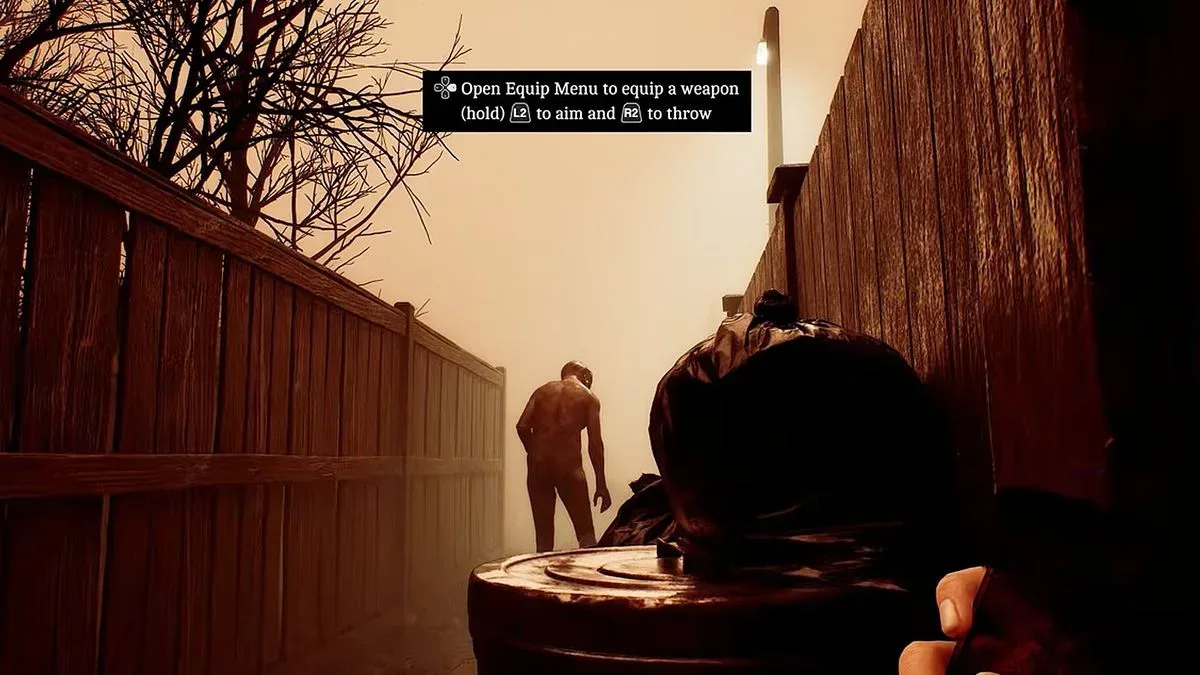
That distinction has mechanical consequences. Simon has access to weapons and occasional chances to defend himself. Zoe instead relies on evasion and improvisation. Discarded bottles can become distractions or short-lived means of stunning an enemy, but they are not solutions. They buy seconds. Her encounters ask the player to flee, hide, judge space, and preserve momentum rather than stand ground.
Such limitations make the danger more immediate. In horror games, combat can provide a degree of reassurance even when ammunition is scarce. A weapon says that the player may be able to regain control. Zoe's sections deliberately withhold that comfort. Her ability to endure is not rooted in physical dominance. It comes from awareness, urgency, and the refusal to stop moving even as every system around her suggests she has already failed.
The vulnerability is reinforced by her physical reactions while searching Mr Stewart's home. Her fear is audible and palpable. She is not an action hero whose anxiety disappears once the player takes over. She is a professional trying to remain functional while confronting a situation that has moved beyond anything training could prepare her for.
Monsters shaped by compassion and institutional cruelty
Silent Hill has a long tradition of using its creatures as expressions of trauma, repression, guilt, desire, and social violence. Townfall's contrast between Simon's enemies and Zoe's is therefore especially meaningful. Simon confronts hammer-headed figures stumbling through the mist with their wrists bound behind them, monstrous images that create a more recognizable obstacle between the protagonist and his destination.
Zoe's enemies are different. They resemble people: exposed, bloated, scarred, and deeply vulnerable even in their grotesquerie. They are horrifying, but not abstracted into faceless demons in the same way. The design reflects how Zoe sees the world. As a nurse, she cannot entirely stop seeing bodies as people in need of care. Her nightmare does not allow her to detach from suffering.
That empathy becomes part of the terror. Zoe is haunted by human pain rather than permitted to turn it into something easily dismissed as evil. Even the threats that pursue her carry the language of medical injury. Cannula needles emerge from reopened surgical wounds on long tubes, snapping toward her like predatory limbs. They evoke treatment gone wrong, wounds that will not stay closed, and an institution whose harm reaches the workers charged with healing others.
There is a bitter symbolism to these attacks. Medical tools are supposed to assist recovery, but here they become instruments of pursuit and punishment. Zoe is chased by the very imagery of a healthcare system that has taken too much from her. Meanwhile, the structures above her remain insulated. The person with the least power is made to feel personally accountable for every fracture.
Blame is Townfall's most persistent weapon
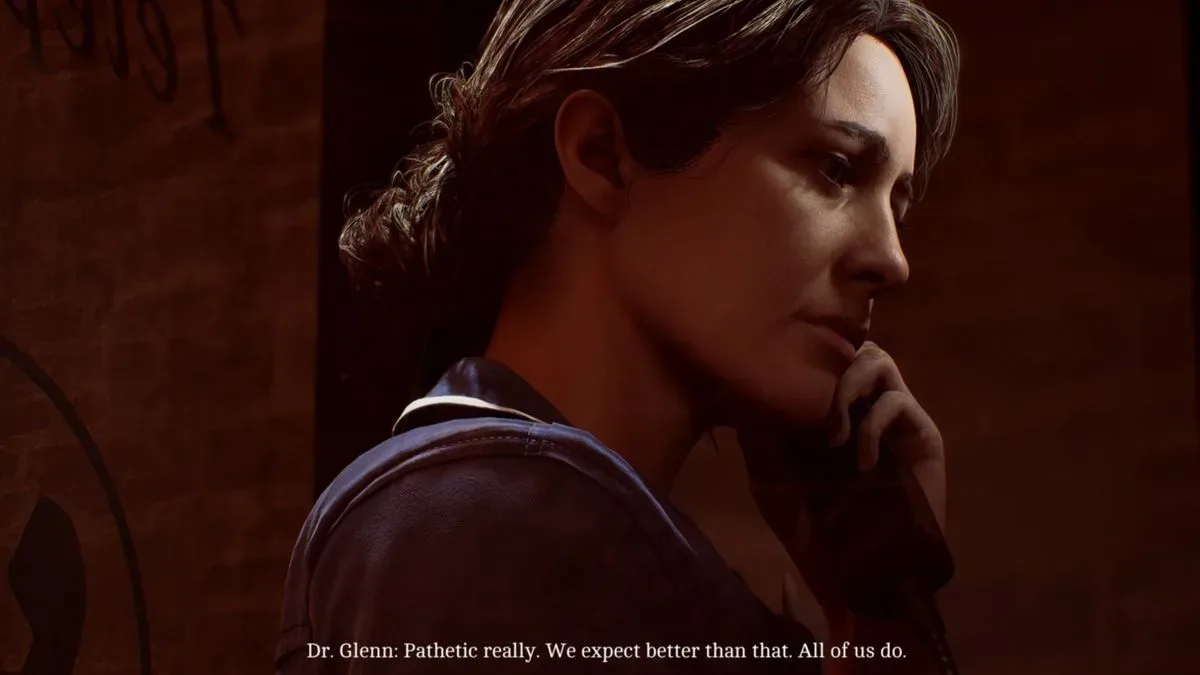
The phone call with Dr. Glenn makes the cruelty explicit. Zoe is berated over Mr Stewart's death and made to absorb accusations that expand far beyond one missed visit. The message is merciless: it is her fault he died; it is her fault that everyone is dead.
It is an accusation designed to weaponize a caregiver's conscience. Zoe clearly cares deeply about her patients, which means she is uniquely susceptible to taking that blame inward. Townfall's tragedy is not that Zoe lacks empathy or commitment. It is that those qualities leave her exposed to exploitation. She is expected to care without limits and then punished when limits inevitably assert themselves.
This is what gives her arc its force. The game does not need to turn Zoe into an invincible survivor to make her compelling. Her heroism is in continuing to act despite the shame being imposed upon her. She wants to save St. Amelia, and she still wants to save herself, even after the town's horrors have made her feel inadequate, isolated, and powerless.
That is a distinctly Silent Hill kind of resilience. The series' characters are rarely clean-cut heroes who conquer evil through strength alone. They are damaged people navigating environments that transform inner wounds into external nightmares. Zoe fits that tradition, but her conflict centers on professional care and gendered expectations as much as private guilt. She is a person trying to survive a psychic landscape built from the demand that she must always be enough for everyone else.
A different kind of feminist horror protagonist
Townfall's portrayal of Zoe also creates an interesting contrast with Silent Hill f and its protagonist Hinako. Hinako's story is marked by brutal confrontations that symbolize pressure, pain, and the social expectations placed upon her. Zoe faces similarly gendered pressures, but Townfall gives them a different physical expression. Her conflict is not principally about overpowering threats. It is about being unable to fight them directly at all.
That does not make Zoe passive. Her agency exists in persistence, compassion, and decision-making under unbearable pressure. She uses what is available. She runs when she must. She keeps answering calls, following leads, and confronting the possibility that she cannot fix everything. The game's most meaningful statement is that these actions count as courage.
Gothic horror has frequently assigned women narrow roles: victim, seductress, absent ideal, or tragic object around which a male character's suffering can revolve. Townfall knowingly brushes against that tradition when Zoe first appears only as a voice reaching Simon through technology. The later shift into her perspective refuses to leave her there. She is not simply a mystery for someone else to solve or a symbol of someone else's redemption.
Instead, Zoe's chapter reveals the human cost beneath St. Amelia's supernatural crisis. The town is not merely fog, monsters, and occult ambiguity. It is also a place where workers are stretched beyond capacity, caregiving is undervalued, and women are blamed for systemic failures they did not create. By putting players in Zoe's shoes, even briefly, Townfall makes that cost impossible to ignore.
The heroine hiding in plain sight
Simon remains important to Silent Hill Townfall, but Zoe Ellis gives the game its most concentrated expression of fear and meaning. Her limited defenses make every corridor more frightening. Her empathy makes the monsters more disturbing. Her treatment by the medical hierarchy gives the town's nightmare a painfully tangible foundation.
Most importantly, she demonstrates that heroism in Silent Hill does not have to mean winning a fight. It can mean continuing to care after care has been exploited. It can mean moving forward when the people in authority have made failure feel inevitable. It can mean refusing to surrender one's humanity in a place built to make humanity unbearable.
Zoe may begin Townfall as a voice on a small screen, but she emerges as much more than a supporting presence. In a story crowded with fog and guilt, she is the character carrying the heaviest burden--and the one still trying, against every awful sign, to do the right thing.
Community
Discussion
Start the conversation.
No comments have been posted yet.