

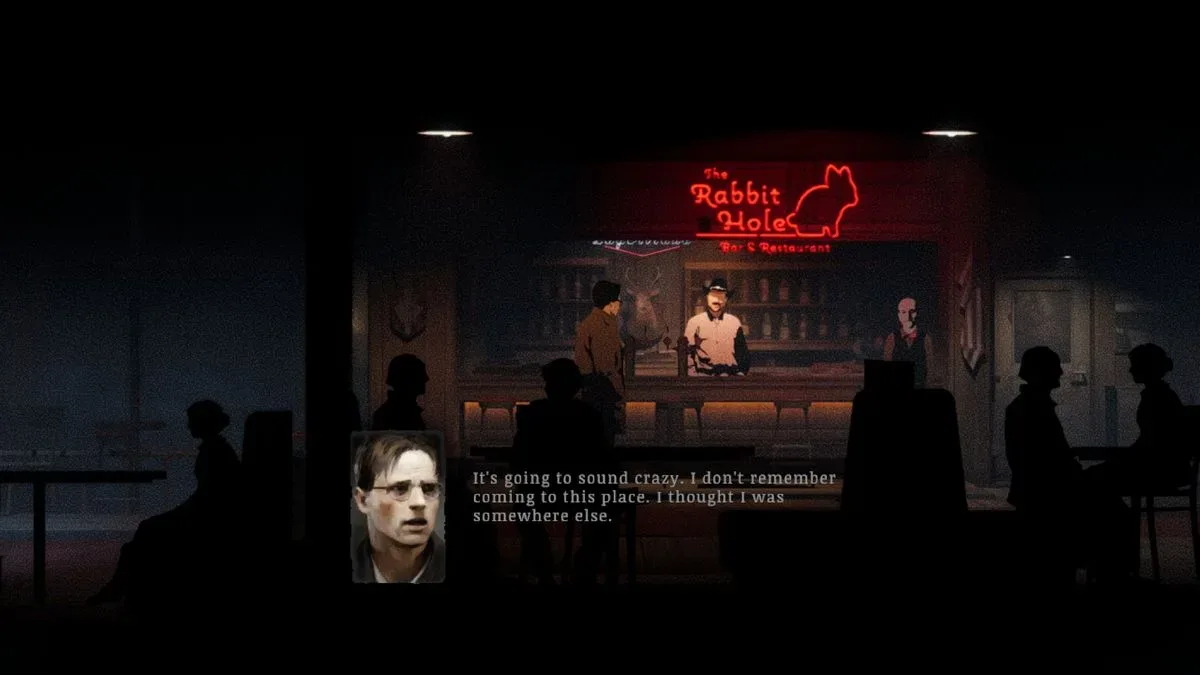
Silver Pines is built from familiar horror materials: an isolated town, a detective with a personal stake in an unsettling case, monsters that should not exist, limited inventory room, and an ever-deepening uncertainty over what is real. Yet Wych Elm Games does far more than simply stack recognizable influences together. Its survival horror Metroidvania turns those pieces into a compelling, carefully paced investigation that makes even routine exploration feel like detective work.
Detective Walker arrives in the forgotten town of Silver Pines while pursuing a missing musician. What begins with a strange awakening in a diner soon opens into a far broader and stranger journey through abandoned streets, locked buildings, underground routes, and locations that seem to obey dream logic as much as physical geography. The game wears its affection for psychological horror and classic survival horror openly, but it has a strong identity in the way its systems reinforce Walker's investigation.
That combination is the key to why Silver Pines is so difficult to put down. It is not merely about defeating enemies or finding a colored key for the next door. It is about building a private case file in your head, revisiting suspicious details, testing routes that were previously inaccessible, and wondering whether a tiny oddity that seemed meaningless hours ago might be essential. The game is at its best when it makes the player feel observant rather than simply well-equipped.
A town designed for curiosity
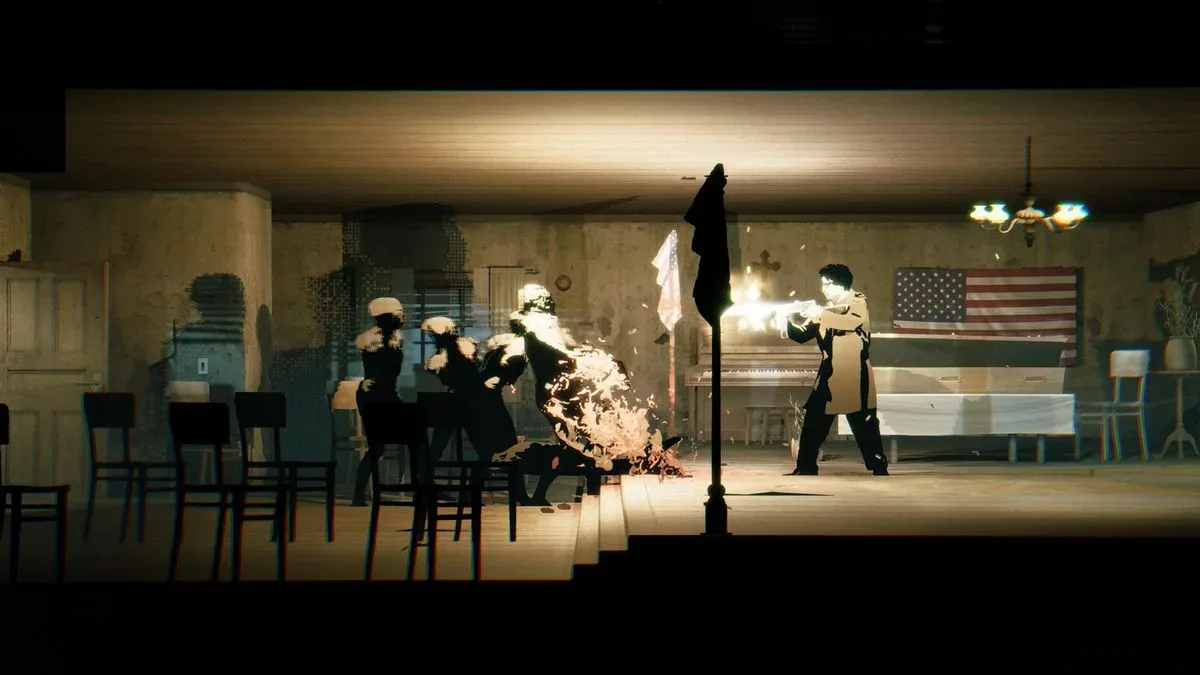
Silver Pines has a richly painted visual style that makes its decaying environments attractive without softening their menace. The contrast is striking. Locations can look almost beautiful at a glance, then reveal their rot, emptiness, and disturbing details once Walker gets closer. This painterly presentation helps the town feel distinct from the more overtly grimy industrial horror settings that inspired part of its design.
For useful background on this topic, read Prime Day Switch 2 Gear Deals Could Help Prepare for Zelda: Ocarina of Time's Return.
Sound does just as much work. Quiet exploration is often broken by ambient music drifting from a jukebox or radio, adding a strangely comforting texture to places that should not be comfortable at all. Those musical moments heighten the unease rather than dispel it, because they make Silver Pines feel like a place with an obscured past instead of a simple combat arena. The atmosphere constantly hovers between tranquil, dreamlike, and nightmarish.
That mood supports a mystery-driven story in which reality is increasingly questionable. Walker is a capable central figure, and the case gives the journey a useful throughline, but the town itself is the bigger draw. Every new location suggests another story, another connection, or another question. Silver Pines understands that psychological horror can be most effective when it does not rush to label every strange occurrence.
The result is a world that rewards lingering. It encourages the player to inspect signs, examine objects, return to old spaces, and question unusual bits of set dressing. A phone number, a television program, the price on an old advertisement, or an overlooked passage can all feel worth remembering. That active engagement is central to the game's appeal.
Survival horror structure with Metroidvania momentum
Silver Pines applies the tension of survival horror to the satisfying forward pull of a Metroidvania. New tools allow Walker to cross previously impassable obstacles, opening parts of the detailed map that were visible but unavailable earlier. This makes backtracking feel purposeful. Rather than revisiting a room solely because a new key happens to fit a lock, the player is often pushing outward against the boundaries of the town.
The structure creates a steady rhythm of discovery. A blocked route raises a question. A newly acquired item provides a potential answer. Returning to a prior area can lead to a hidden shortcut, another puzzle component, supplies, or an entirely fresh line of investigation. Silver Pines regularly gives the impression that there is one more secret just beyond the edge of the current map knowledge.
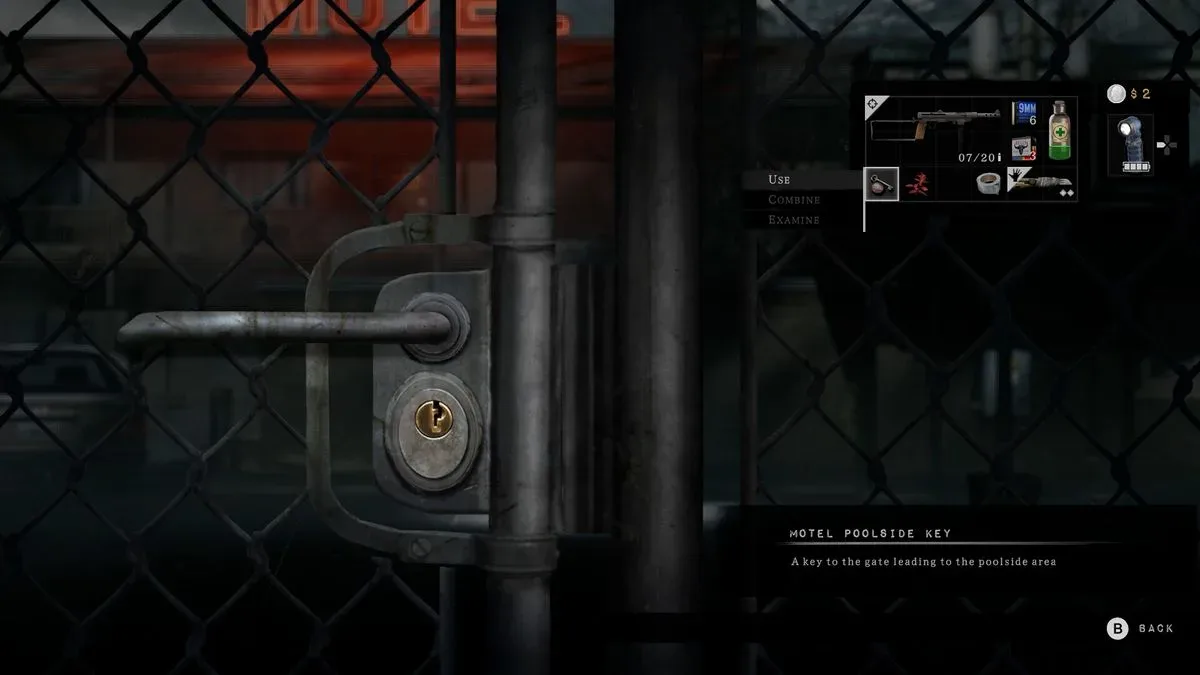
Its tools are not all equally elegant, but they generally make sense in this framework. The crowbar, for example, can tear down wooden panels and also serves as a melee weapon. It consumes more inventory space than the smaller box cutter, but its versatility makes carrying it feel justified. The manhole cover key is more frustrating. Important objects tend to remain in the inventory longer than comparable keys might in other survival horror games, which can make space management more cumbersome than it needs to be.
Still, Silver Pines gives players several ways to manage that pressure. Items can be combined, firearms can be upgraded to occupy less space, and puzzle pieces can often be left at the place where they will eventually be used. Storage boxes are frequent enough to make swapping loadouts practical, whether the next excursion calls for healing materials, weapons, or a specialized tool. The game does expect regular inventory rearrangement, rotation, and planning, though. That can be satisfying for players who enjoy classic item-grid management, while others may find the constant optimization a little demanding.
The camera is an essential detective tool
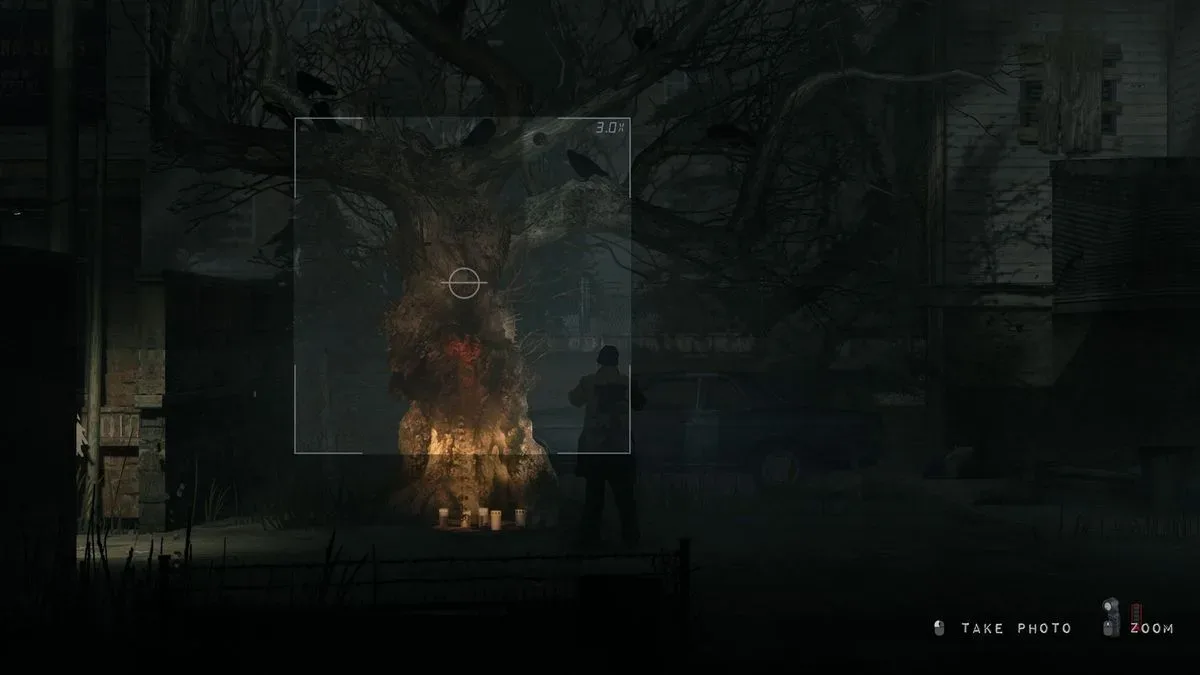
One of Silver Pines' smartest features is its camera system. Walker can photograph points of interest, creating a personal visual record of clues, locations, signs, and objects that may become relevant later. The game prompts players to use it at obvious investigative moments, but the real value comes from treating it as an everyday tool.
That transforms the act of taking notes into part of the fiction. A good detective would document a suspicious phone number, an odd symbol, or a locked location that cannot yet be accessed. Silver Pines rewards the same behavior. Taking photographs of details that appear unimportant can save a great deal of wandering later, especially when a newly acquired item suddenly makes an old clue meaningful.
The feature also softens one of the genre's traditional frustrations: leaving an item behind due to lack of inventory space, then spending an overly long time trying to remember exactly where it was. A quick photograph can preserve the location and context. It is a simple idea, but it fits the premise beautifully and gives players a useful degree of agency in how they organize the mystery.
Players who rely on memory alone can still progress, but Silver Pines is much stronger when approached methodically. Photograph freely, revisit old leads, and keep an eye on routes that were previously blocked. The town is dense enough that careful documentation feels less like busywork and more like the natural way to investigate it.
Pay phones, vending machines, and welcome pacing
Small details help Silver Pines turn its basic systems into an evocative whole. Pay phones are used for both saving and story progression, and using one costs coins. That creates a low-level but persistent concern during exploration: finding a phone is reassuring, but it is only useful if Walker has enough money for the call. Rummaging through coin slots and searching for spare change become meaningful habits rather than flavor alone.
Calling Walker's client, Mr. Jackman, when saving also offers a clean narrative recap. These conversations can clarify the current objective and provide a sense of whether the investigation is moving in the right direction. The game sometimes gives Walker a call following major story beats, often after a boss encounter, creating valuable free save opportunities for players who are short on coins.
Item vending machines add another pleasingly grounded layer to the town's systems. Along with the camera and phone network, they make Silver Pines feel like it has considered how its strange world functions on an ordinary level. These mechanics do not overwhelm the horror; instead, they give the player tangible routines inside a place that otherwise seems increasingly unstable.
Pacing is especially strong across the broader adventure. New areas, tools, enemies, and revelations are distributed in a way that keeps the investigation moving. The game rarely leaves the player without a lead, even if that lead is ambiguous enough to require some thought. Boss fights punctuate larger story moments without taking focus away from navigation and discovery.
An excellent journey that leaves difficult questions
Silver Pines is a game that invites repeat play. Multiple endings encourage players to revisit the town, search every vent and ledge, open remaining routes, clear lingering enemies, and turn over every apparent clue. Completion does not necessarily quiet the urge to investigate. If anything, it can make the unanswered questions louder.
That is both a compliment and the game's biggest weakness. Silver Pines does exceptional work establishing intrigue around its setting, its strange media, its cryptic details, and the broader nature of Walker's case. Even after seeing all of its endings, however, some revelations feel as though they stop a little short of the most satisfying destination. The open questions can inspire theories, but they may also leave players feeling that a crucial piece of the puzzle is missing rather than deliberately withheld.
Psychological horror often thrives on uncertainty, and not every mystery needs a clean answer. Silver Pines clearly understands that. Yet its meticulous worldbuilding makes the lack of fuller resolution more noticeable. The game is so good at making details seem intentional that loose ends can be difficult to accept as atmosphere alone.
Even so, the journey is remarkable. Silver Pines blends visual mood, careful pacing, inventory tension, meaningful backtracking, and investigative play into a cohesive horror adventure. It makes the player want to keep pushing through the town not just to reach an ending, but to understand it. For fans of survival horror that values thoughtfulness as much as combat, this is an absorbing mystery with a world that remains compelling long after the credits.
Verdict: Silver Pines is a superb survival horror Metroidvania, elevated by its detective-focused camera system, satisfying exploration, and immersive atmosphere. Some story threads may prove more frustrating than haunting by the end, but the town's pull is powerful enough to make the search worthwhile.
Silver Pines launches October 8, 2026 for PC, PlayStation 5, Xbox Series X, Nintendo Switch 2, and Nintendo Switch. The game was evaluated on PC via Steam Deck using a copy supplied by the publisher.


Community
Discussion
Start the conversation.
No comments have been posted yet.