

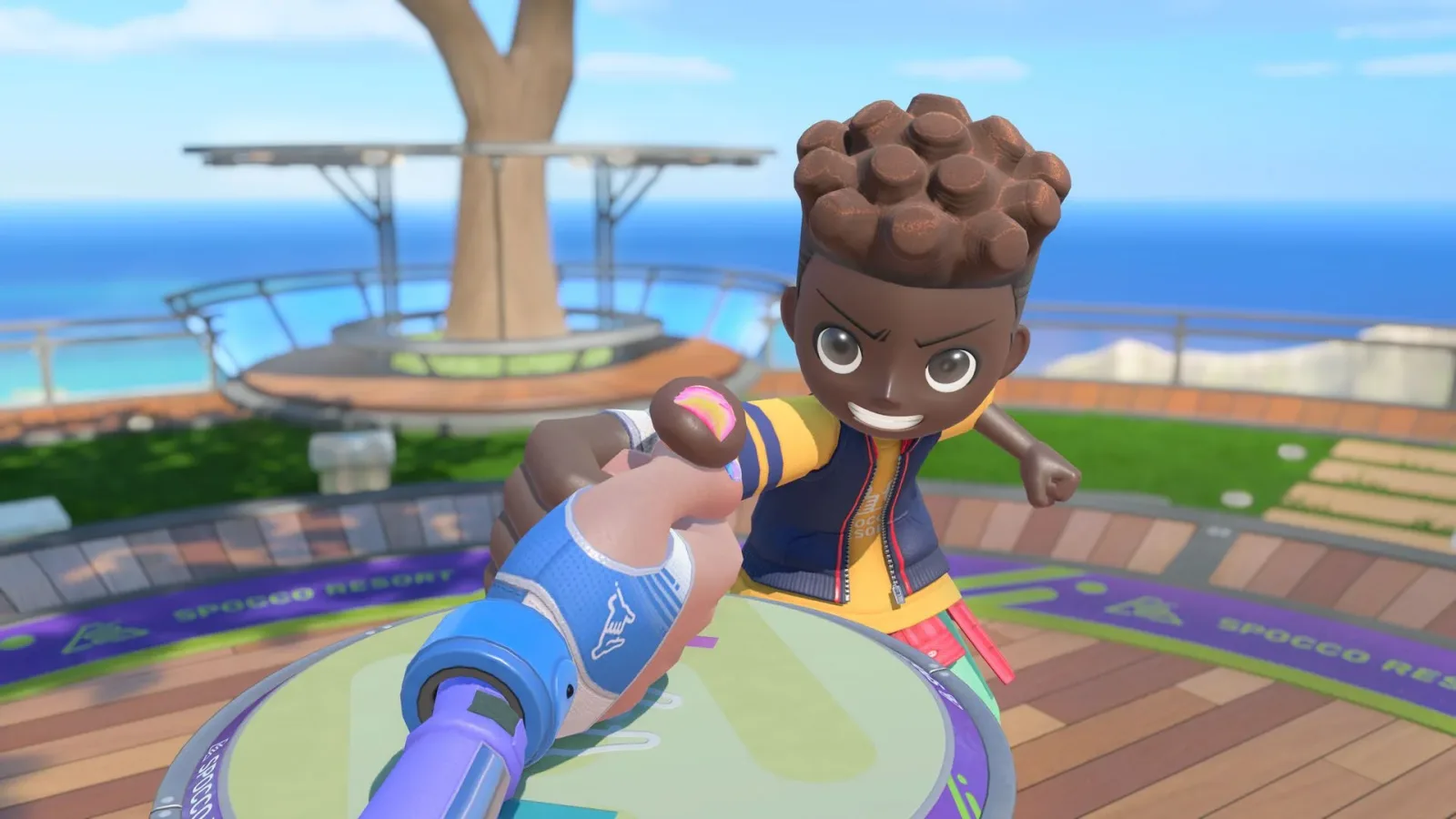
Nintendo Switch Sports Resort is bringing Wuhu Island back for Nintendo Switch 2, and early hands-on impressions point to a sequel that understands why the original Wii Sports Resort setting became so memorable. Competitive events such as Table Tennis and Archery are returning with new wrinkles, while entirely new activities including Thumb Wrestling, Skateboarding and Prop Plane aim to make fuller use of the Joy-Con 2's motion and mouse-style controls.
Most importantly for players who spent hours freely circling Wuhu Island in 2009, the new game appears to treat exploration as more than a nostalgic backdrop. The island has been expanded with surrounding locations, dedicated sightseeing modes, collectible photo opportunities, and an enlarged volcanic interior. Yes, one particularly important piece of Wii Sports Resort history survives: players can still fly straight down the volcano.
Nintendo Switch Sports Resort is scheduled to launch for Nintendo Switch 2 on October 22, 2026. A recent preview session covered several returning and new sports, offering a first indication of how the game plans to balance competitive multiplayer chaos with the more leisurely appeal of revisiting Wuhu Island.
Wuhu Island is bigger, and its volcano has more to explore
For many Wii Sports Resort players, Wuhu Island was as central to the experience as any individual sport. Island Flyover transformed what might have been a simple menu-world into a place worth studying from the air. Flying low across the roads, gliding past landmarks and hunting for hidden points made the island feel unusually lived-in for a sports collection.
For useful background on this topic, read Prime Day Switch 2 Gear Deals Could Help Prepare for Zelda: Ocarina of Time's Return.
Nintendo Switch Sports Resort seems set to build on that attachment. Three activities in the preview were described as casual exploration experiences rather than straightforward contests, each designed around seeing the wider island from a different angle. The new version of Wuhu Island includes a collection of additional islands around the original setting, giving the surrounding sea more purpose and providing new sights for players travelling by air, land and water.
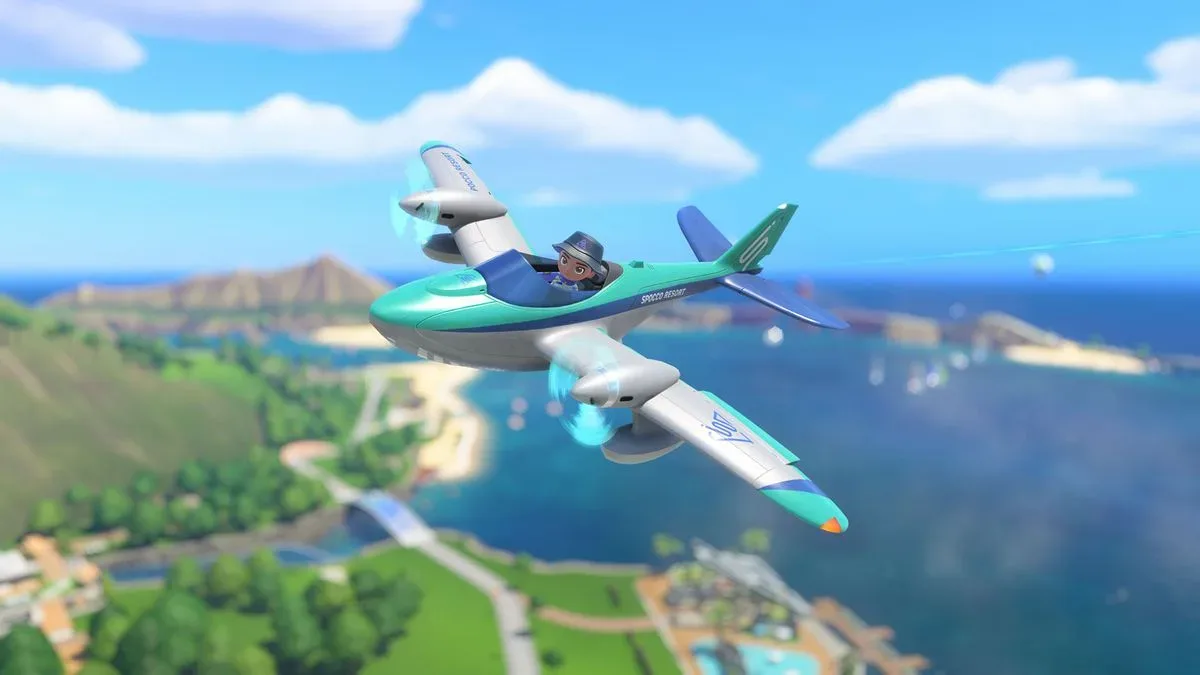
Prop Plane Sightseeing Tour is the clearest successor to Island Flyover. It lets players take to the sky in a small plane, with the Joy-Con 2 held and moved in a way that evokes steering a paper aeroplane. That physical idea is exactly the sort of accessible, immediately understandable motion-control concept Nintendo has traditionally pursued in its sports games.
The volcanic descent remains possible in Prop Plane, but it is no longer merely a familiar stunt. Hands-on impressions say the inside of the volcano has been developed into a larger cave system than the one seen in Wii Sports Resort. That change is small in the grand scheme of a sports game, yet it speaks to a welcome design priority: Wuhu Island is not simply being reproduced for recognition alone. It is being extended for people who remember its original routes and secrets.
There is also Power Cruising Sightseeing Tour, which moves the exploration focus onto a jet ski. With new islands added around Wuhu, travelling on the water should involve more than racing across an empty horizon. Meanwhile, Skateboarding Sightseeing Tour offers a more deliberate ground-level perspective, asking players to travel through the island and collect "Spocco Photos." These function in a similar spirit to the i Points scattered around the original game's world.
That range of transport matters. The appeal of Wuhu Island has always been the sense that it is a coherent holiday destination rather than a set of disconnected arenas. Seeing it from a prop plane, jet ski and skateboard could make the updated setting feel more complete while offering different reasons to search for collectibles and unusual routes.
Returning sports retain their competitive edge
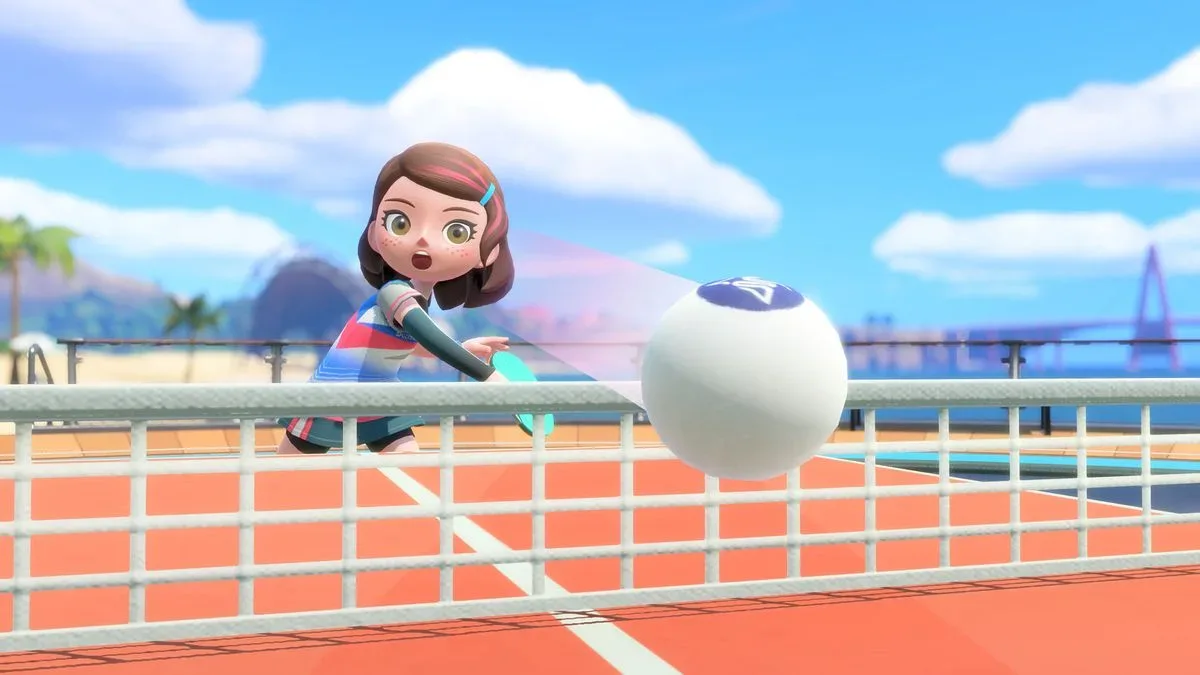
Exploration may be the emotional hook for long-time fans, but Nintendo Switch Sports Resort is still built around the familiar tension of trying to outplay someone standing beside you--or, this time, competing online. Table Tennis returns from Wii Sports Resort, retaining the rapid back-and-forth that made it one of the standout events in the 2009 release.
The hands-on session specifically highlighted the satisfaction of punishing a late return with a powerful smash. It is a simple moment, but it captures why Table Tennis works so well in this format. The sport is intuitive enough that almost anyone can hit the ball back, while timing, placement and anticipation create room for players to become dramatically better than their opponents.
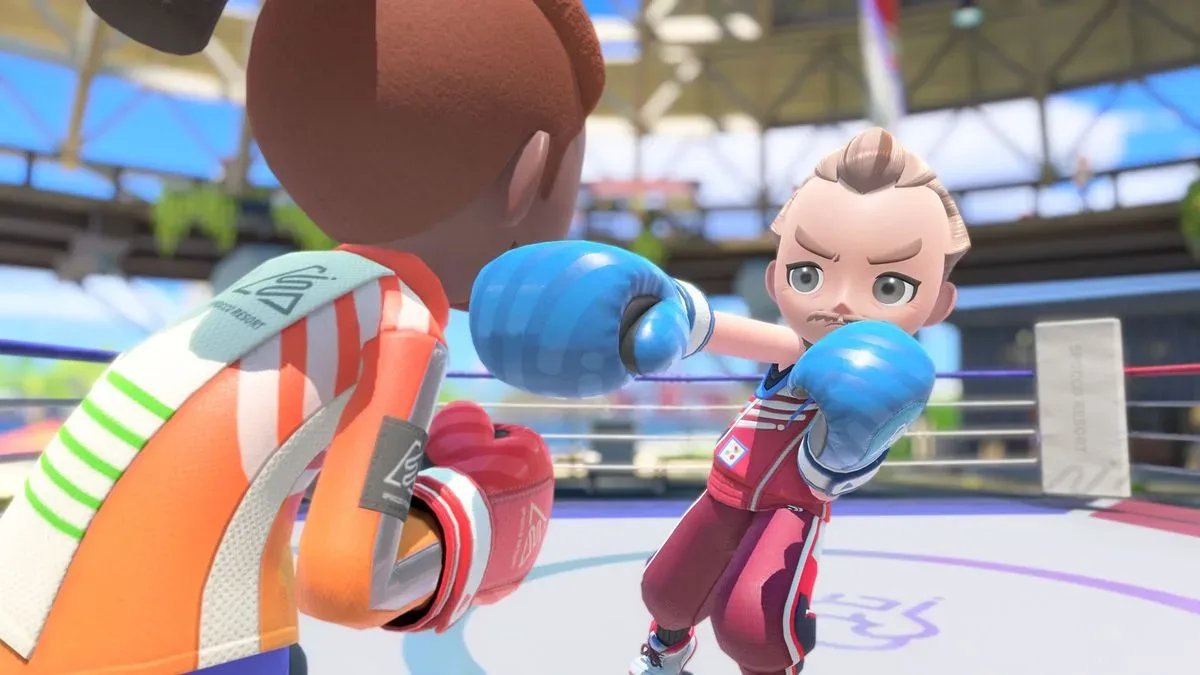
The Joy-Con 2 is said to make those motion inputs feel more responsive than the original Wii Remote controls. That does not mean the game is abandoning the broad, swing-based accessibility that defined Wii Sports and Wii Sports Resort. Instead, it appears to be refining that familiar approach for newer hardware, particularly in events such as Table Tennis and Boxing.
Archery is also back, though the preview focused on a special-rules variant rather than a standard target challenge. In this mode, a target is divided into four coloured sections. Each participant can score only by landing arrows in their own assigned segment. The catch is that stronger performance makes the relevant scoring area smaller in the next round, creating a built-in comeback mechanism.
That rule turns Archery into more than an exercise in steady aim. A player with an early advantage must manage an increasingly difficult target, while a trailing player has an opportunity to recover. In the hands-on match, a late turnaround decided the result. It sounds like a smart multiplayer modification for a game where a highly skilled player might otherwise run away with every round.
Thumb Wrestling introduces a fast, strange mind game
Among the new additions, Thumb Wrestling may be the most overtly Nintendo-like. It is silly on its face, but the early description suggests there is more going on than frantic shaking. Players watch their opponent and attempt to grab their thumb only when it is exposed. Successful grabs help enlarge the player's thumb to an exaggerated size, improving the strength of a future attempt.
If caught, the other player has to shake the Joy-Con 2 from side to side to escape. The controller is held upright, with the trigger being pressed as though a player is physically pinning down a rival's thumb. It is a compact piece of motion-control theatre: easy to understand at a glance, amusing to watch, and tied to a simple competitive bluffing game.
Unlike Table Tennis, where practice and physical timing should produce measurable improvement, Thumb Wrestling appears to be driven more by reading another person. Feints, hesitation and the threat of a grab could matter as much as quick reflexes. Its rounds are reportedly short and frenetic, making it a potentially strong fit for local multiplayer sessions where players want something immediate between longer events.
Joy-Con 2 features appear built around physical play
The broadest takeaway from the preview is that Nintendo Switch Sports Resort is not relying on high-resolution visuals alone to justify a return to Wuhu Island. The game is using several control approaches to give each activity its own character. Standard gesture-driven swinging remains important in sports such as Boxing and Table Tennis, but the newer events are using the hardware in more specific ways.
Skateboarding, for example, uses the Joy-Con 2's mouse controls to imitate the motion of pushing off with a foot. Prop Plane asks players to hold and guide the controller like a paper plane. Thumb Wrestling turns the orientation of the controller and a trigger press into a playful approximation of the real contest. None of these gestures needs to be a perfect simulation to succeed; the point is that each one gives an activity a distinct physical language.
This design philosophy was fundamental to the Wii era at its best. The strongest motion-controlled games did not ask players to master complicated button combinations before they could have fun. They connected a recognisable real-world action to a simple input, then let players discover depth through timing, positioning or competition. Nintendo Switch Sports Resort appears to be taking that same approach while adding more varied uses for the Switch 2 controller.
A return aimed at nostalgia, but not limited by it
There is understandable skepticism whenever a beloved Wii-era concept returns. Familiar sports, upgraded visuals and a famous location can create a pleasant first impression without necessarily adding enough to sustain a new game. The early Nintendo Switch Sports Resort session, however, indicates that the project has more ambition than a visual revisit.
The larger Wuhu Island area, the expanded volcano cave, collectible Spocco Photos and multiple sightseeing tours all suggest a meaningful effort to make exploration relevant again. Returning events such as Table Tennis and Archery preserve the competitive foundations, while Thumb Wrestling and the different control schemes offer new reasons to pass a Joy-Con 2 around.
Online play will further change the equation. The Wii Sports Resort experience was often rooted in couch competition, but online matches mean familiar rivalries can extend beyond a living room. For players who remember Wuhu Island as a calm place to fly around between sports, that added competitive access may be as exciting as it is dangerous for their friends.
Nintendo Switch Sports Resort launches October 22, 2026, exclusively for Nintendo Switch 2. If the final game delivers on the promise of its preview, it could offer a notably thoughtful return: one that preserves the simple pleasure of swatting a Table Tennis shot past an opponent, while recognizing that Wuhu Island itself was always worth another trip.
Community
Discussion
Start the conversation.
No comments have been posted yet.