

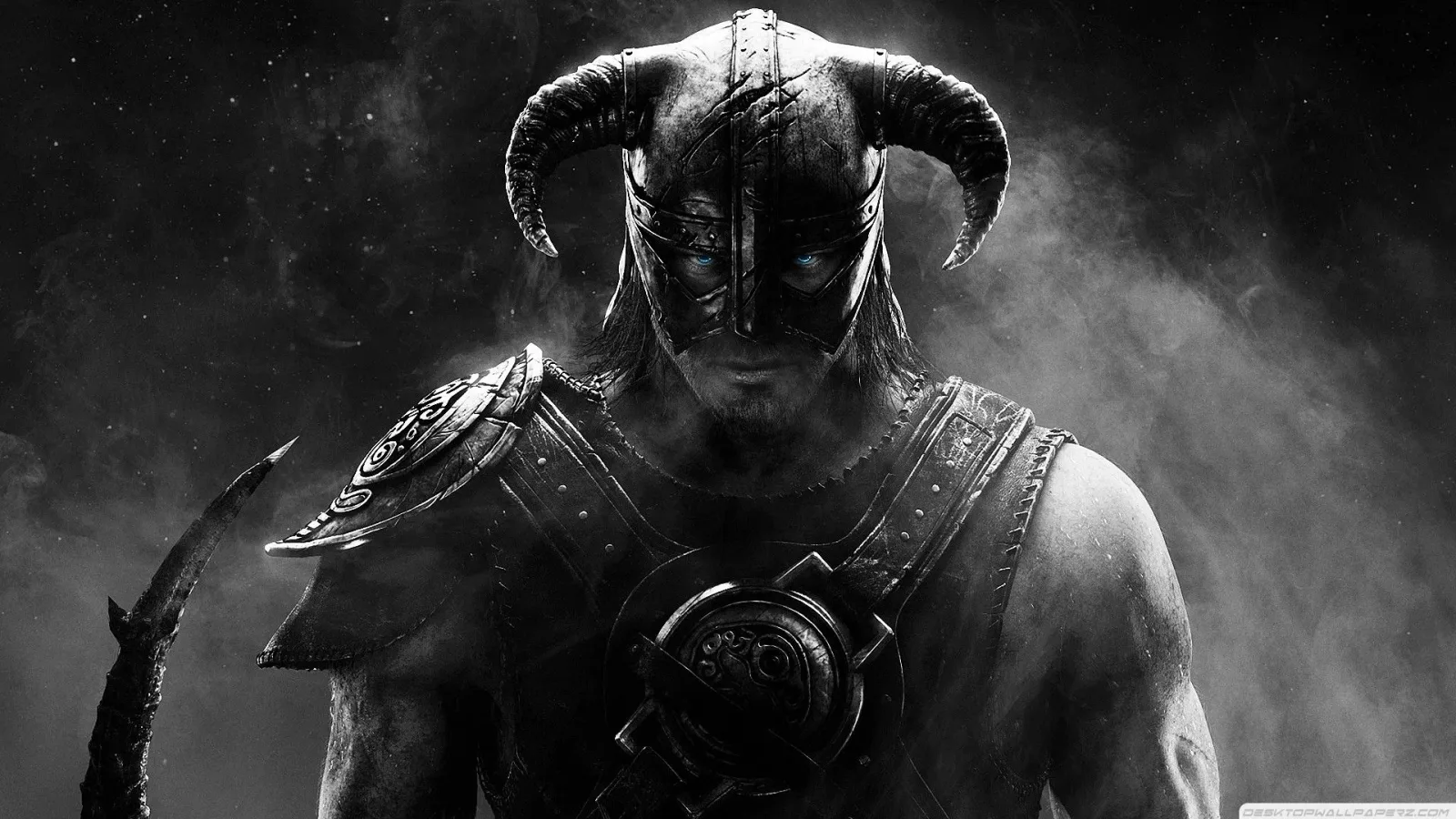
The Elder Scrolls V: Skyrim was built around the idea that players would see most of its major content well before reaching the absolute limits of their character's progression. In practice, though, the game's enormous popularity and the personal attachment many players formed with their Dragonborn made that assumption look very different after launch.
Bruce Nesmith, Skyrim's former lead designer and a longtime former Bethesda developer, has reflected on the game's original level cap of 81, describing it as a decision he initially did not expect players to find problematic. Speaking on the Examined Game podcast, Nesmith explained that the cap followed naturally from the mathematics of Skyrim's skill system: each of the game's skills could be raised to 100, and maxing them all out led to a maximum overall character level of 81.
At the time, that seemed like more than enough room for an ordinary playthrough. Bethesda's broad target, Nesmith said, was generally for players to have encountered the bulk of a game's content at around level 50. That number was never intended as a rigid rule. A player leaning heavily into stealth, spellcasting, combat, crafting, or a particular mix of systems could progress at a different pace. Still, the design expectation was that level 81 would sit comfortably beyond the point at which most players had effectively completed their adventures.
What the team underestimated was not merely the quantity of quests left to do. It was the importance of continuity. Skyrim players did not necessarily see level 81 as a natural finish line for a long-running save. For many, the character was the entire point: a carefully developed warrior, thief, mage, assassin, explorer, or hybrid whose identity had been formed across hundreds of hours.
For useful background on this topic, read The Blood of Dawnwalker Update 1.2 Will Add New Game+ and Raise Level Cap to 100.
"The players didn't want to finish playing their character at 81 and start a new one," Nesmith said. "They had a character they loved, why couldn't they keep playing?"
Why level 81 became a bigger issue than expected
In a more linear RPG, reaching a maximum level can feel like a conventional conclusion. The player may have reached the final chapter, defeated the central antagonist, finished the most important side stories, and exhausted the intended challenge curve. Starting over with a new class, build, or set of decisions can be an attractive way to experience the game again.
Skyrim operates differently. Its main quest is only one strand in a much larger open-world experience, and the game encourages players to inhabit its world at their own pace. A player can spend dozens of hours avoiding the central story altogether while joining guilds, clearing caves, collecting gear, crafting equipment, following faction storylines, or simply roaming through Skyrim's wilderness.
That freedom makes a single character feel unusually durable. A Dragonborn is not just a class choice made at the beginning of a campaign. The character accumulates memories, possessions, homes, allies, enemies, completed stories, and a distinct build shaped by the player's habits. Someone who began as an archer might eventually add illusion magic, smithing, enchanting, and one-handed combat. Another player might build a warrior who slowly becomes a master alchemist, or a mage who later develops into a stealth-focused adventurer.
At level 81, the original system effectively told the most committed players that advancement had ended, even if their interest in the character and the world had not. That clash between a progression system and an open-ended role-playing fantasy was especially noticeable in a game that remained popular for years after release.
There is also an important difference between finishing content and finishing a character. Even if a player had completed the largest quests by the expected level range, they might still want to visit places they missed, pursue optional objectives, experiment with crafting, tackle expansion content, or continue playing with community-made modifications. For that kind of player, a hard ceiling can feel less like a reward for mastery and more like an interruption.
The Dragonborn answer: resetting skills
Skyrim eventually received a way around the cap. The mechanism arrived with the Dragonborn DLC, allowing players to reset a skill by spending Dragon Souls. When a skill was made Legendary, it returned to level 15 and could be raised again, letting the character continue gaining overall levels.
The system was later introduced more broadly through a free update alongside Legendary Mode. Rather than permanently ending progression at level 81, it created a loop: master a skill, reset it, and build it back up through continued play. Players could therefore keep advancing the same Dragonborn indefinitely rather than needing to begin a wholly new save to continue earning levels.
Nesmith was candid that he did not consider the eventual implementation ideal. "It wasn't my favorite mechanic the way we did it," he said, before adding that it worked. That assessment captures the compromise at the center of Legendary skills. It solved the fundamental problem of a terminal level cap, but it did so by asking players to deliberately reduce a fully developed skill to its starting value.
That can create its own role-playing and gameplay oddities. A master of destruction magic, for example, can abruptly lose access to powerful spells until the skill is raised again. A heavily invested combat ability can become weak at precisely the moment the player is choosing to extend a veteran character's journey. On the other hand, resetting skills can encourage experimentation and prevent a character from becoming permanently locked into a completed state.
For many players, the trade-off was worth it. The key benefit was psychological as much as mechanical: their existing character could remain alive within the game's progression system. Skyrim no longer had to imply that a level-81 Dragonborn had reached the end of a meaningful journey.
A lesson in how players inhabit open worlds
Nesmith's reflection highlights one of the enduring challenges in designing massive RPGs. Developers can plan a content curve, estimate how quickly players will level, and calculate the boundaries of a progression system. Players, however, can develop relationships with characters that exceed those models.
Skyrim was already designed around broad player freedom, but its audience expanded that freedom further. The game became a long-term hobby for countless fans rather than a one-time adventure. Its replayability comes not only from making a new build, but also from returning to a familiar save and continuing the story of a particular Dragonborn.
That response is a reminder that role-playing systems are not just balance tools. Skill trees, level caps, inventories, homes, companions, and quest decisions all contribute to a player's sense of ownership over a character. Once that attachment is strong enough, asking someone to abandon a save in order to keep progressing can be a far greater ask than a spreadsheet of expected completion levels might suggest.
The issue also shows why a numerical ceiling is especially sensitive in a game where players may continue discovering new activities long after the central narrative is complete. A level cap is not automatically a mistake; many RPGs use them effectively to control balance and establish clear endgame goals. But in an open-ended sandbox, it needs to coexist with the promise that the player can keep living in the world they have helped shape.
What it could mean for future Elder Scrolls games
Nesmith's comments do not confirm any specific design plans for the next Elder Scrolls game. They do, however, offer a useful view into a lesson learned during Skyrim's lifetime. The original cap was rooted in a reasonable development assumption: most players would have played through the intended material long before level 81. The eventual Legendary skill system acknowledged that the assumption did not fully account for how Skyrim would be played over time.
Any future entry will face a related challenge. Players will want meaningful advancement, builds with real distinctions, and enough limits to keep choices important. At the same time, a modern Elder Scrolls audience is likely to expect flexibility for long-lived characters. The answer need not be identical to Skyrim's Legendary skills, particularly given Nesmith's reservations about that mechanic, but the underlying concern is hard to ignore.
Skyrim's level-cap story ultimately became a small but revealing part of its larger legacy. The game was not simply something players completed. For a great many fans, it became a place they returned to with a character they considered their own. The later progression change recognized that, in an RPG built for wandering and self-directed stories, the player's desire to continue can matter more than the point at which a designer expected the adventure to be over.
Community
Discussion
Start the conversation.
No comments have been posted yet.