

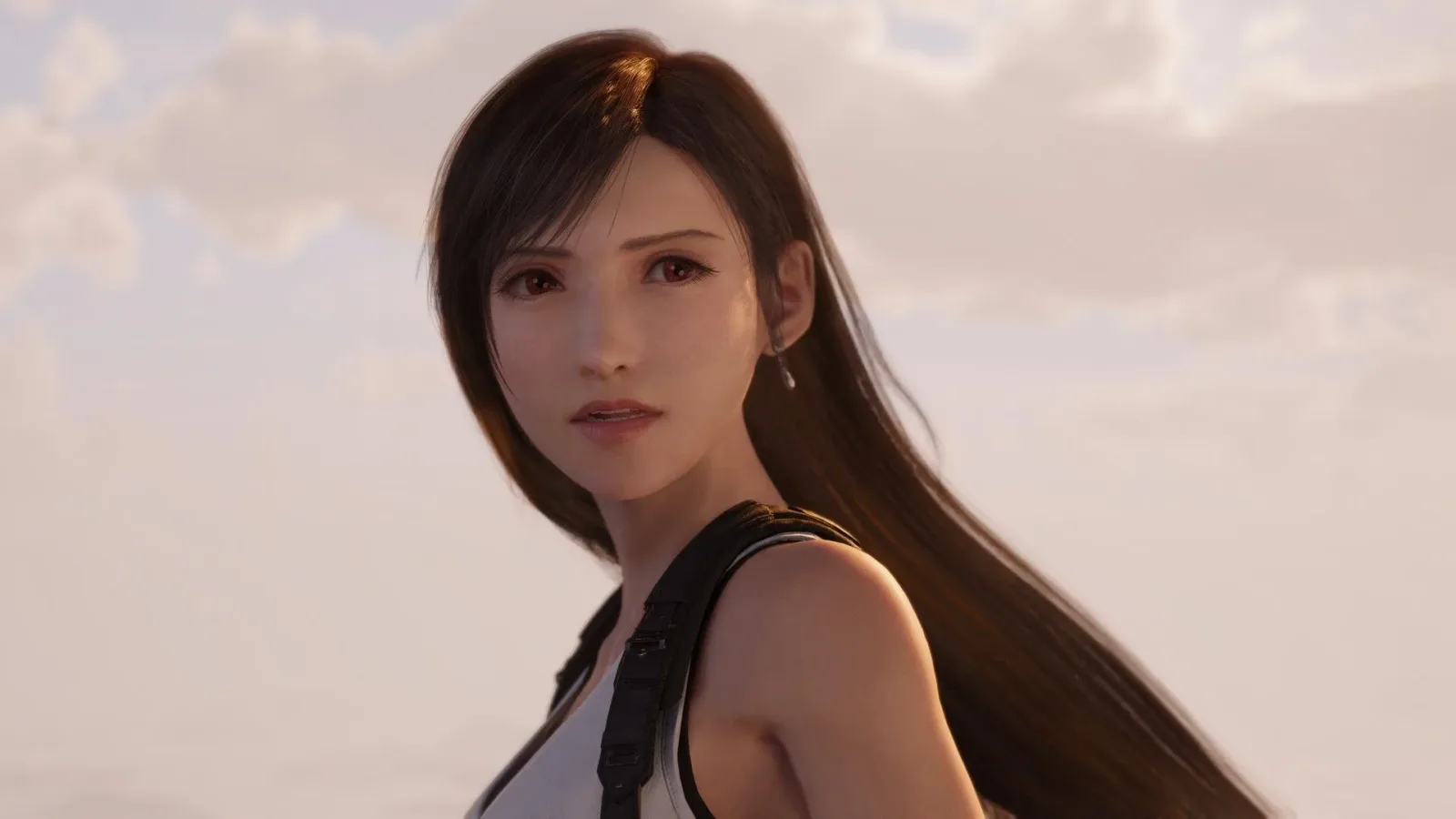
Square Enix appears to be thinking beyond the conclusion of the Final Fantasy 7 Remake trilogy. While Final Fantasy 7 Revelation is expected to bring the current three-game remake project to its climax next year, comments from game director Naoki Hamaguchi suggest the company's ambitions for Cloud Strife, his allies, and their world do not necessarily end there.
During a PAX West panel titled From Reunion to Resolve, Hamaguchi discussed the purpose behind revisiting one of role-playing game history's most celebrated stories. Through a translator, he described the remake trilogy as more than an exercise in updating a landmark 1997 game with modern technology. Instead, he said the project has been an effort to pass Final Fantasy 7 to the next generation of players.
That distinction matters. A conventional remake might primarily be judged by how faithfully it recreates an older work. The Final Fantasy 7 Remake project has taken a considerably more expansive route, revisiting familiar events while restructuring story beats, developing characters in greater depth, and creating room for major new mysteries. Hamaguchi's comments indicate that Square Enix views that approach as a foundation for the property's continued relevance, not simply as a one-time retrospective production.
"We want to make this a work that creates new fans 20 or even 30 years from now," Hamaguchi said through a translator.
For useful background on this topic, read Ananta Hands-On: A Huge Free-to-Play Open World Still Searching for Its Own Identity.
For a franchise with this kind of legacy, that is a significant long-term goal. The original Final Fantasy 7 became a defining release for an entire generation, helping establish Japanese role-playing games with a far broader international audience and turning characters including Cloud, Aerith, Tifa, Sephiroth, Barret, and Red XIII into enduring icons. Nearly three decades later, Square Enix is aiming for the remake project to achieve something comparable for players who did not experience the PlayStation original at launch.
A future larger than a remake finale
The strongest indication of plans beyond the trilogy came from an on-screen presentation slide shown during the panel. One of the project's stated goals was to expand the future of Final Fantasy 7, moving it beyond its status as a classic from the past and shaping it into an intellectual property with an "ever-evolving future."
That wording stops short of confirming a specific new game, film, series, or other product. Square Enix has not announced a post-Revelation project, and there are no confirmed details about what form any continuation could take. Still, the language strongly suggests the company sees the setting as something with potential beyond the three core remake releases.
That could mean many things in practice. The world of Final Fantasy 7 has already proven capable of supporting stories with different tones, casts, gameplay styles, and formats. Its conflict between Shinra, Avalanche, Sephiroth, and the wider environmental stakes around the Planet offers a vast amount of material that can be explored from perspectives other than Cloud's central journey. Whether Square Enix ultimately chooses more games, animation, additional character-focused projects, or another kind of expansion remains unknown.
For now, it is important to separate the clear signal from speculation. Square Enix has communicated a desire for an ongoing future for the brand. It has not revealed what the next step after the remake trilogy will be.
Final Fantasy 7 has expanded before
There is ample precedent for Square Enix treating Final Fantasy 7 as more than a single game. In the years following the original release, the company expanded the setting through what became known as the Compilation of Final Fantasy 7. That wider collection included games, other story material, and the animated sequel film Final Fantasy VII: Advent Children.
The results of those expansions varied in reception, but their existence demonstrated the unusual reach of the setting. Some projects found passionate audiences, while others became much less visible over time. Even so, the overarching idea was clear: the original game's world was large enough to sustain stories outside its initial structure.
The remake era has already revisited portions of that broader history. It has also given Square Enix a chance to reinterpret concepts and characters for an audience with very different expectations from those of 1997. Modern production values, cinematic presentation, voice performance, action-oriented combat, and expanded environmental storytelling have all altered how the company can portray Midgar and the journey beyond it.
That does not mean future projects would need to follow the exact model used by the earlier Compilation. The phrase "ever-evolving future" implies flexibility rather than a return to any one established formula. The company could build directly on the remake continuity, revisit older side stories in new ways, or tell entirely new tales within the setting. At present, though, none of those possibilities have been confirmed.
The trilogy's immediate priority remains Revelation
Before any broader plans can take center stage, the remake trilogy itself still needs to reach its conclusion. Final Fantasy 7 Revelation is positioned as the final chapter of the three-part project, following Final Fantasy 7 Remake and Final Fantasy 7 Rebirth. Its arrival will be an important moment not only because it resolves the present arc, but because it will shape how players judge the full remake undertaking.
The trilogy has always carried a difficult balancing act. It must honor the emotional importance of the original while justifying the existence of a new version that is not merely a scene-for-scene recreation. The first two entries established a more elaborate vision of the world and introduced changes that have encouraged years of debate among fans. The final game will need to bring those threads together while delivering on the expected dramatic weight of the story's later sections.
Hamaguchi's hope of creating fans decades from now raises the stakes further. A work intended to endure cannot rely exclusively on nostalgia. It needs to stand on its own for players whose first contact with this universe is through the remake series. That means its storytelling, characters, mechanics, and final resolution will all matter to people who have no personal attachment to the original game's release-era impact.
The immediate plans mentioned so far include Final Fantasy 7 Revelation and two DLC packs. Beyond that, Square Enix has offered no official announcements. Fans should therefore be cautious around assumptions that a particular sequel, spin-off, or adaptation is already in production.
Building a new audience without losing the old one
The idea of passing Final Fantasy 7 to a new generation also reflects a broader challenge faced by long-running game series. Historical importance alone does not guarantee that a classic will remain accessible. New players need a reason to care, and developers need to find ways to preserve what made the original meaningful without making unfamiliarity feel like a barrier.
Square Enix's remake trilogy has addressed that challenge by turning a single, enormously influential RPG into a larger contemporary project. It offers longtime fans the chance to revisit famous places and encounters with modern production values, but it also frames those elements for audiences encountering them for the first time. The ongoing narrative deviations have been particularly important in this respect, because they make the remake story something that can still generate uncertainty even among people who know the 1997 game closely.
That strategy has risks. Changes to beloved material naturally invite scrutiny, and any ending to the trilogy will be compared with the original for years. But the potential reward is a version of Final Fantasy 7 that remains active in conversation rather than being treated only as a museum piece from a previous era of games.
Square Enix's presentation language makes that goal explicit. The company is not positioning Final Fantasy 7 solely as a past achievement to preserve. It is framing it as a living property capable of changing, attracting new audiences, and supporting further creative work.
What comes next is still unknown
For now, the central takeaway is not the announcement of a specific successor. No new post-trilogy game or media project has been named, and there are no confirmed platforms, release windows, or story details for whatever may eventually follow. The only firm near-term focus remains Final Fantasy 7 Revelation and its two planned DLC packs.
Even so, Hamaguchi's comments and the panel's stated goals offer a clearer view of Square Enix's broader thinking. The remake trilogy is being treated as an investment in the long-term future of one of gaming's most recognizable worlds. If the company follows through on that ambition, the conclusion of Cloud's current remake journey may be less of an endpoint than the start of the next phase for Final Fantasy 7.
Community
Discussion
Start the conversation.
No comments have been posted yet.