

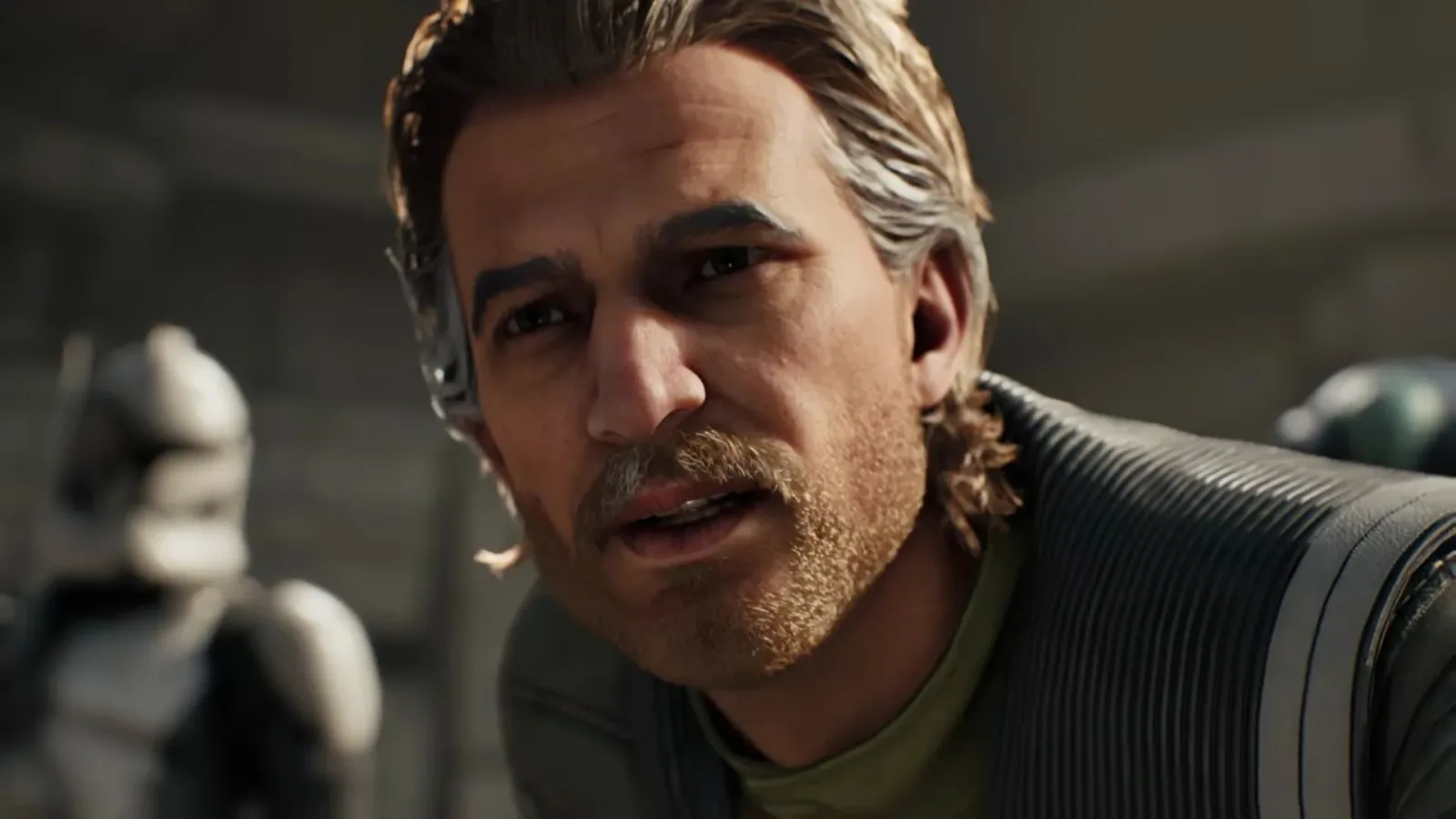
Star Wars Zero Company has received its first major post-launch patch, bringing a broad range of fixes to the tactical strategy game. The update addresses around 60 reported issues across stability, performance, visual presentation, mission flow, customization, the databank, strategy systems, and tactical gameplay. For players dealing with rough performance on older Nvidia hardware, the patch notes also identify one graphics option that may provide a worthwhile frame-rate boost.
The most important changes are placed front and center: fixes for assorted crashes and visual stutters. Those are welcome priorities for any tactics game, where a lengthy mission can involve careful positioning, layered abilities, resource decisions, and potentially a great deal of time spent building toward a successful outcome. A crash during that process is frustrating under normal conditions, but the impact is even greater in Zero Company's more punishing Beskar mode.
Beskar mode receives key reliability fixes
Beskar mode is designed to make each campaign run feel far more consequential. Players have only one save, and the death of a critical character can end the run. It is a ruleset built around commitment and risk, but technical faults can undermine that tension when they interfere with progress outside the player's control.
The new patch resolves a recurring crash affecting Beskar mode. It also fixes an issue in which Beskar saves could be temporarily deleted. Even when a save eventually returns, seeing it disappear in a single-save mode is understandably alarming. Correcting both problems should make the high-stakes format feel closer to its intended challenge: difficult because of tactical decisions and battlefield outcomes, rather than instability or uncertainty around campaign data.
For useful background on this topic, read Elderwood Shuts Down After Jagex Notice Over RuneScape-Like MMO.
That focus also reflects the special demands of a turn-based Star Wars experience. A game that asks players to accept permanent consequences needs clear and dependable systems. When a mission goes badly, players should understand why it happened, whether that was a poor engagement, an unexpected enemy ability, a risky objective push, or a hard choice made earlier in the operation. The patch's Beskar changes are therefore among its most meaningful improvements, even within a much wider list of fixes.
A practical performance tip for GTX 10 and RTX 20 owners
Alongside the general stability and stutter work, Bit Reactor has included a specific recommendation for PC players using Nvidia GTX 10-series or RTX 20-series graphics cards. If frame rates are lower than expected, setting Environment Geometry Detail to Off may improve overall performance.
The advice is notable because it gives affected players a clear setting to test instead of simply suggesting that they lower every visual option. Environment geometry can be especially demanding in strategy games with detailed battlefields, dense scenery, destructible-looking set dressing, cinematic camera angles, and maps that need to remain readable from multiple viewpoints. Turning the option off may reduce environmental detail, but it could be a sensible compromise for players who value smoother tactical responsiveness.
Frame rate is not the only measure of a game's quality, but consistent performance can matter greatly in a tactics title. Smooth camera movement, readable battlefield information, timely menu feedback, and stable transitions between turns all help players keep track of an encounter. Players on the specified card generations who have experienced slowdowns may want to change Environment Geometry Detail first, then assess whether the trade-off is acceptable before making broader graphical reductions.
Mission and menu improvements round out the patch
Beyond the larger technical repairs, the patch makes a couple of targeted quality-of-life and progression changes. In the Weapons Mod menu, using the back option will now close the tutorial. It is a relatively small adjustment, but menu behavior matters in a game with multiple equipment and customization layers. A back command behaving as players expect removes friction from actions that may be repeated frequently between missions.
There is also a fix for the final battle in Tel-Rea's hero mission. That encounter will now conclude at the end of the final enemy's turn rather than ending too early. Premature mission completion can affect the pacing of a finale and create confusion about whether every intended action, objective, or scripted beat has properly resolved. By shifting the success trigger to the end of that final enemy turn, the update aims to ensure the mission closes at the correct point.
The broader issue list spans several major portions of Zero Company. Customization, databank material, the strategic layer, and tactical encounters all receive attention, alongside the headline crash and stutter changes. A patch of this scale is not merely an isolated hotfix for one badly behaving mission or menu. It is a sweeping maintenance update intended to remove many different pain points that players may have encountered during their campaigns.
Why a wide-ranging patch matters for a new tactics game
Post-launch support is especially important for a strategy title because its interconnected systems can create bugs that do not appear in a straightforward action game. A problem can emerge in squad management, then affect a mission trigger; a UI issue can obscure critical information; a save fault can compromise a campaign structure built around long-term planning. Even visual stutters can have an outsized effect when the game's appeal depends on studying a battlefield and weighing the consequences of every move.
Zero Company also carries the expectations that come with the Star Wars setting. Players are likely to arrive with enthusiasm for assembling a team, shaping characters, using signature equipment, and navigating dramatic operations in a galaxy they already know. To sustain that interest, the underlying tactics systems need to remain dependable. The current patch appears designed to strengthen that foundation, with fixes that range from serious save and crash faults to smaller interface and mission-flow improvements.
For returning players, the update may be a good reason to revisit a campaign that had been paused because of a particular crash, stutter, or Beskar concern. For new players, it means entering the game after an early period of technical cleanup. As always with a large patch, some players may need time to see whether the fixes address the particular issue they encountered, especially because performance can vary significantly by hardware configuration and in-game scenario.
Development uncertainty adds weight to the update
The patch arrives after concerning reports that much of Bit Reactor's staff had been furloughed before the game's launch amid reported financial pressure. There was also the possibility that team members could return if Zero Company performs successfully. That backdrop gives the update additional significance: it represents substantial post-release work at a time when the studio's future staffing situation has been uncertain.
It would be premature to treat one patch as a complete answer to every technical concern or to the studio's larger circumstances. However, addressing roughly 60 issues in an initial substantial update is an encouraging sign for players looking for a more stable experience. The attention paid to crashes, stutters, one-save-mode reliability, progression behavior, and a concrete performance setting suggests an effort to tackle both severe problems and everyday frustrations.
Players using GTX 10-series or RTX 20-series GPUs have the most immediate troubleshooting step: disable Environment Geometry Detail and check whether frame rates improve. Everyone else can expect a broad collection of fixes intended to make the game's strategic planning and tactical battles more reliable. With Beskar saves no longer subject to the reported temporary-deletion issue and the recurring mode-specific crash addressed, Zero Company's toughest challenge mode should now be better equipped to test players on its own terms.
Community
Discussion
Start the conversation.
No comments have been posted yet.