

Steam's annual community-voted awards have returned for their 10th edition, and this year's most attention-grabbing category looks back rather than forward. Voting has opened across 14 categories, including the new Hall of Fame Award, which asks players to select the platform's number-one game from the past decade.
The Hall of Fame ballot brings together a list of games that represent Steam's winners from 2016 through 2025. It is an unusually broad group, ranging from enduring open-world blockbusters to difficult action RPGs, an acclaimed party-based role-playing game, survival phenomena, horror, and a Metroidvania sequel with an exceptionally devoted audience.
The nominees are Grand Theft Auto 5, The Witcher 3, PUBG, Sekiro: Shadows Die Twice, Red Dead Redemption 2, Resident Evil Village, Elden Ring, Baldur's Gate 3, Black Myth: Wukong, and Hollow Knight: Silksong.
It is a formidable lineup, and it also makes the Hall of Fame vote more interesting than a simple contest between the most recent releases. Each contender arrives with a different kind of legacy: years of ongoing popularity, major critical acclaim, distinctive design influence, or an intensely engaged Steam community. As a result, the winner may say as much about the voting habits of Steam users as it does about broader awards-season consensus.
For useful background on this topic, read Two Lands of Lore Projects Aim to Bring Westwood's Dungeon Crawler to Amiga.
A decade of Steam winners in one ballot
The Hall of Fame candidates are arranged around the award years they represent. In release-year order, the selections begin with Grand Theft Auto 5 and The Witcher 3, followed by PUBG, Sekiro: Shadows Die Twice, Red Dead Redemption 2, Resident Evil Village, Elden Ring, Baldur's Gate 3, Black Myth: Wukong, and Hollow Knight: Silksong.
That sequence is not a release history, and some players may immediately notice a strange detail: Grand Theft Auto 5 was not originally released in 2016, while The Witcher 3 was not originally released in 2017. The explanation is tied to the Steam Awards' early structure.
Valve did not present a conventional Game of the Year category in each of those first award years. For the Hall of Fame ballot, it has used past category winners as stand-ins for those missing Game of the Year selections. Grand Theft Auto 5, which won the 2016 "Whoooaaaaaaa, Dude!" award, has been treated as that year's representative. The Witcher 3, winner of 2017's "Choices Matter" award, has similarly been designated as the representative for 2017.
It is an unconventional solution, but it creates a complete 10-game field and recognizes two titles that have remained extraordinarily important to PC players long after their original launches. Both games also illustrate why a retrospective Steam vote is difficult to predict. A game's importance can grow over time through mods, repeat playthroughs, technical updates, sales, community discussion, or simply the staying power of its world and characters.
The likely favorites have very different strengths
Several names on the ballot will likely be viewed as immediate contenders. Grand Theft Auto 5 has maintained a massive presence for years, supported by the continuing appeal of its online component and an enormous player-made ecosystem. Its longevity gives it an advantage in a public vote where familiarity matters.
The Witcher 3 remains one of the defining open-world RPGs of its era. Its quests, storytelling, expansions, and detailed fantasy setting have helped it remain a frequent point of reference in conversations about the genre. The fact that its Steam recognition is being retroactively repurposed for the Hall of Fame may be unusual, but its standing among players is not.
Red Dead Redemption 2 has an equally powerful case built around immersion, performance capture, environmental detail, and a deliberately paced Western narrative. Its fan base has stayed vocal for years, and the game's status as a landmark large-scale single-player release makes it an obvious choice for voters who value craft and atmosphere over speed or trend.
Then there is Elden Ring, whose impact was immediate and widespread. FromSoftware's open-ended approach to exploration brought its challenging action-RPG formula to a vast audience, while its world design generated an enormous amount of player discovery, theory discussion, build experimentation, and shared stories. It is exactly the sort of game that can inspire a concentrated turnout from players who still see it as a defining experience of the decade.
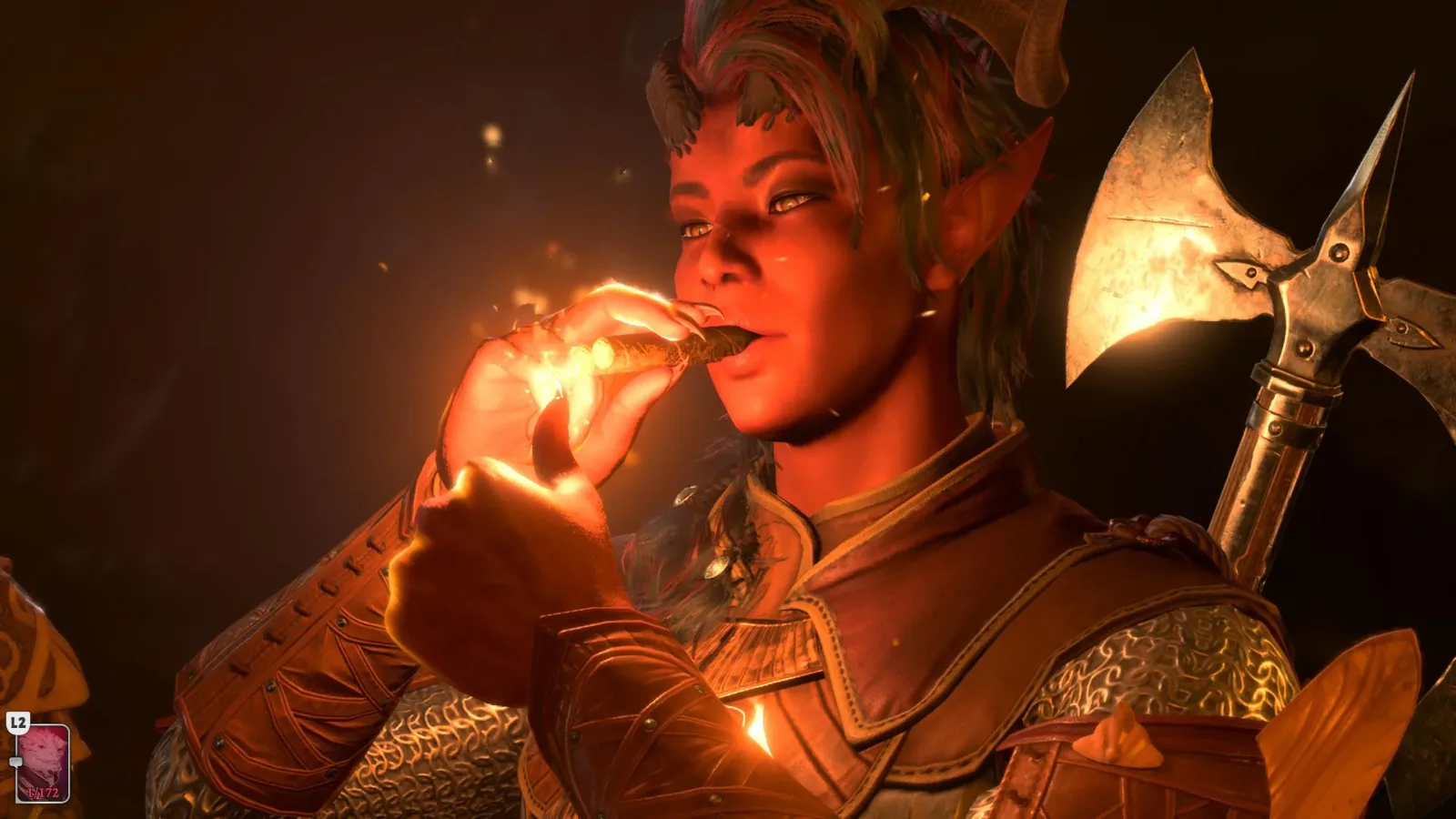
Baldur's Gate 3 is another major frontrunner. Its success extended well beyond traditional CRPG fans, drawing players in with flexible role-playing, cooperative possibilities, character relationships, turn-based combat, and a remarkable range of choices. For many players, it has become a modern benchmark for reactive storytelling and ambitious RPG design. A Steam community vote could be particularly favorable terrain for it, given the game's deep replay value and highly active player conversation.
Every nominee has a path to an upset
While the most commercially familiar contenders may dominate early predictions, a ten-game fan vote is never limited to the expected favorites. Steam's audience does not necessarily vote in the same way as a panel-driven awards program or a broad multi-platform event. A focused, enthusiastic community can make a major difference.
Hollow Knight: Silksong may be the clearest example. Metroidvania players are known for their dedication, and the enthusiasm surrounding Team Cherry's sequel could translate into considerable support. A Hall of Fame award has room for a game whose cultural weight comes not only from scale, but from the passion it inspires among a specific genre community.
Black Myth: Wukong is also positioned as a newer contender with a substantial following. Its place on the list demonstrates how quickly recent releases can enter the conversation when they make a strong enough impression. Voters who prize spectacle, challenging action, or the excitement of a newer breakout success may rally around it.
Sekiro: Shadows Die Twice faces stiff competition from its own developer's later giant, Elden Ring, but that does not diminish its individual appeal. Its focused combat system and demanding rhythm have made it a favorite among players who consider tightly tuned mechanics more important than open-ended scale. In a vote framed around the best game rather than the biggest game, that clarity of identity could matter.
PUBG likewise represents a different kind of historic influence. Its role in popularizing battle royale gaming and creating memorable multiplayer stories makes it a notable candidate even beside polished single-player adventures and RPGs. Nostalgia, social memories, and recognition of genre impact could all motivate support.
And then there is Resident Evil Village, a nominee that may not be the first name many expect to win but remains a compelling choice. Capcom's horror sequel blends uneasy atmosphere, memorable antagonists, action, and a first-person perspective into a sharply paced experience. It is also the kind of game that can inspire especially loyal support from fans who want the Hall of Fame category to celebrate something other than the usual massive fantasy and open-world epics.
What the Hall of Fame result could represent
The new award's title gives the vote a grander tone than a typical annual category. Rather than asking what players enjoyed most in a single year, it asks them to compare games that have had time to settle into their reputations. That makes the contest less about launch-week excitement and more about memory, legacy, and which experiences people are still eager to defend.
There is no objective formula that can settle a ballot like this. One voter may prioritize the game they spent the most hours playing with friends. Another may reward storytelling, challenge, replayability, mod support, or the sense of discovery that accompanied a first playthrough. Some will favor titles that changed a genre, while others will choose the game that simply meant the most to them.
The unusual inclusion of Grand Theft Auto 5 and The Witcher 3 through Valve's retrospective category approach reinforces that point. The Hall of Fame lineup is not intended to be a strict chronology of releases. It is a record of Steam Awards history, adapted into one decade-spanning final contest.
With voting now open in all 14 Steam Awards categories, the Hall of Fame vote will be one of the clearest measures of which recent classic resonates most strongly with the platform's community. Whether the final result goes to a long-running blockbuster, a beloved RPG, a demanding action game, a survival hit, a horror favorite, or a Metroidvania passion pick, the ballot itself is a reminder of just how varied the past decade of PC gaming has been.
Community
Discussion
Start the conversation.
No comments have been posted yet.