


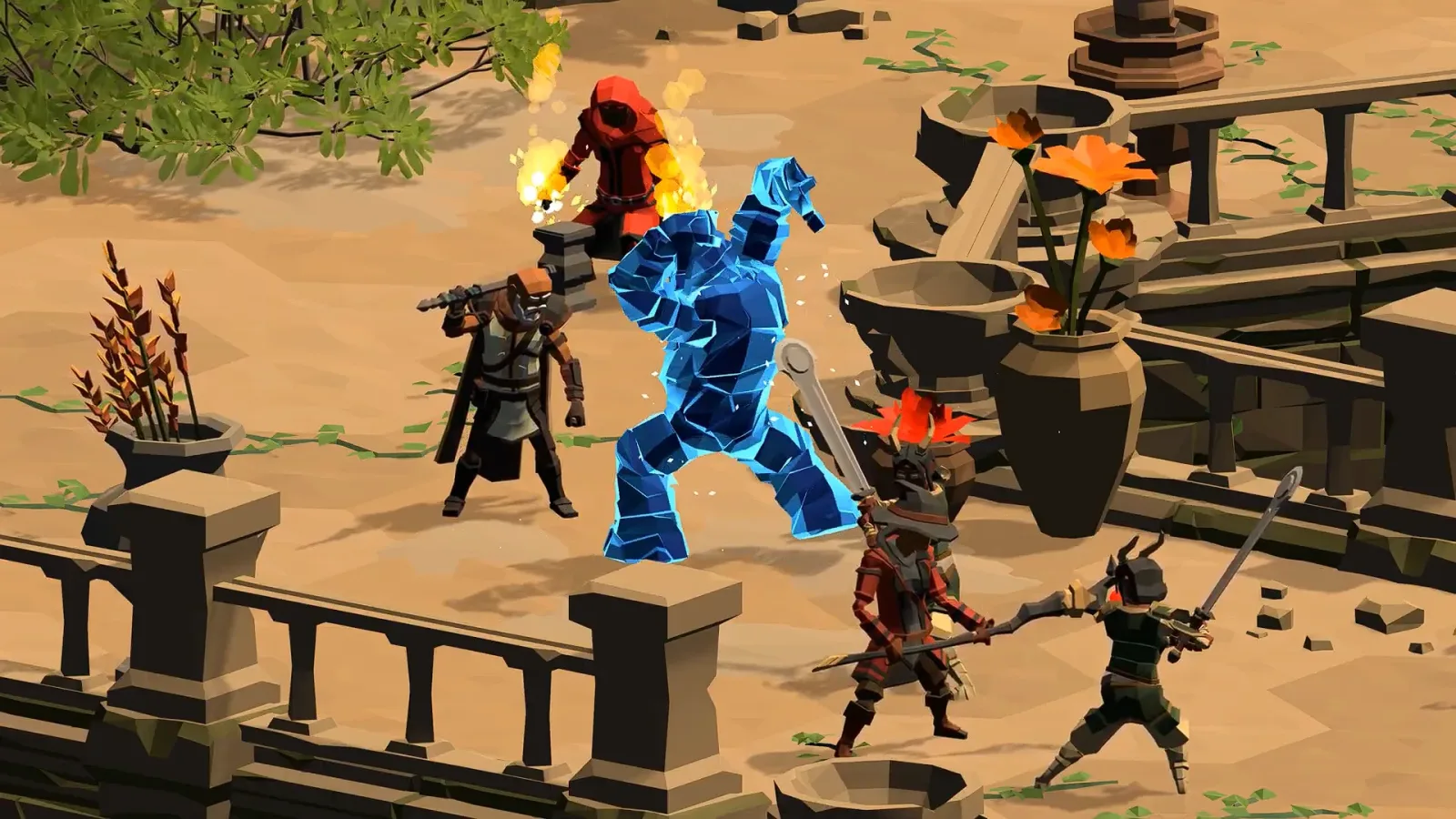
Stolen Realm has expanded its tactical fantasy RPG roster with the launch of the paid Bard Pack DLC on Steam. Released on November 26, 2026, the add-on introduces a Bard class built around musical abilities, escalating Crescendo effects, party-wide benefits, disruption, and explosive offensive payoffs.
The DLC arrives alongside a substantial free update for all Stolen Realm players on Steam. That update adds tougher Chaos Touched variants of Endless Mode bosses, rare Mischievous Familiars that can deliver valuable rewards, a Build Code feature for sharing character setups, and a range of interface, crafting, inventory, balance, gameplay, and multiplayer improvements.
It is a two-part release that gives Bard Pack owners another class to experiment with while also broadening the wider game for the existing community. The paid and free components are closely connected by a common emphasis on choice: players can shape a Bard around team support, enemy manipulation, defense, or damage, and can now more easily share the builds they create.
The Bard is designed around Songs and Crescendo
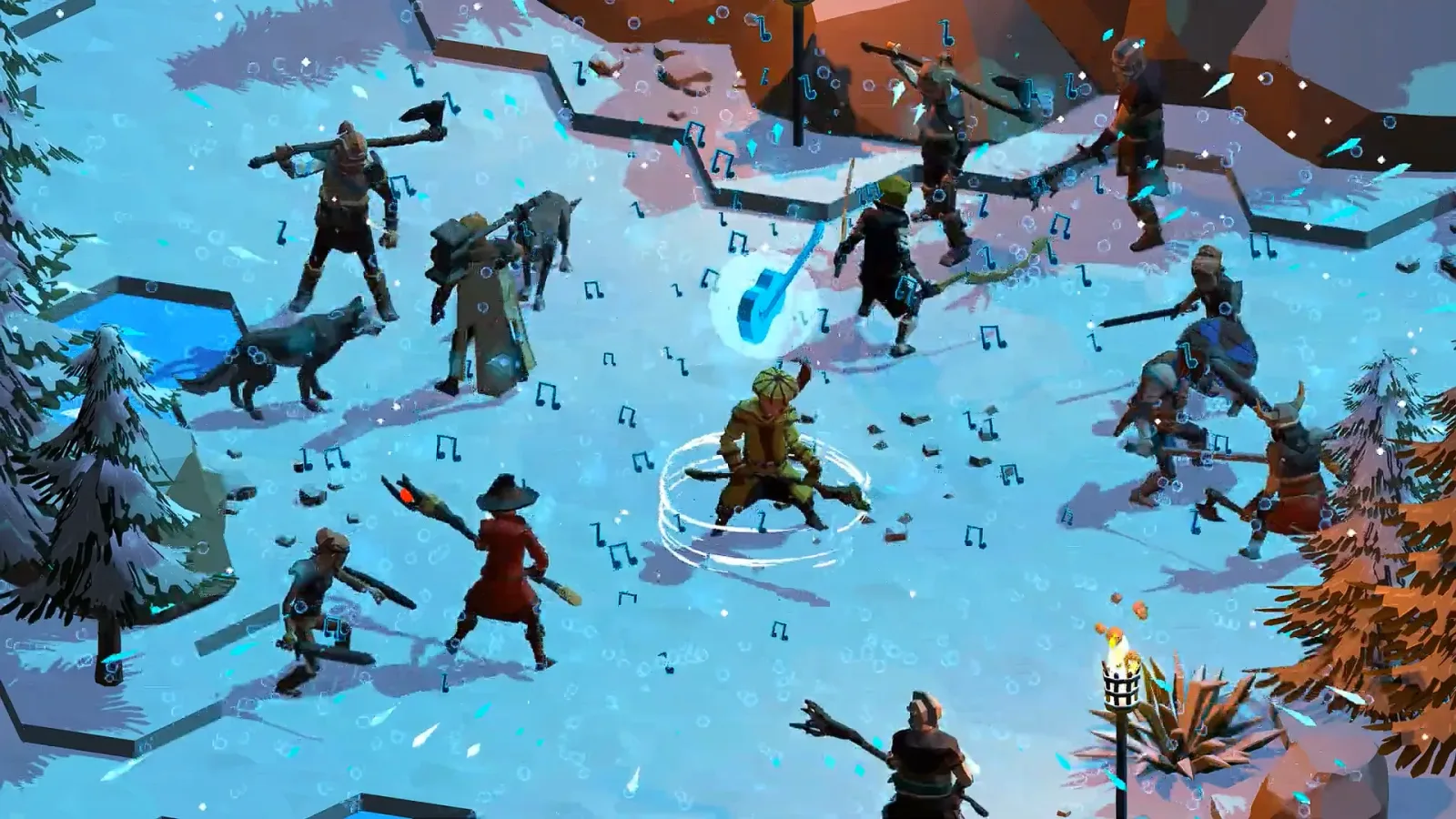
The new class's skill tree is centered on Songs and Crescendo. Songs allow the Bard to affect nearby allies, providing a foundation for players who want to focus on improving their party's durability, resources, and overall performance. Rather than being limited to a single straightforward support role, the class has tools that can be used to influence both friendly and enemy positions on the battlefield.
For useful background on this topic, read Samsung B-Series Soundbar Drops to $70 in Black Friday Deal.
Crescendo is the central mechanic governing the Bard's rising momentum. By continuing to use Songs over successive turns, players can build Crescendo and improve their effectiveness. This creates an incentive to think beyond the immediate turn. A Bard's value may grow as an encounter continues, rewarding players who can maintain their plan and choose the right moments to transition from setup into more decisive actions.
One of the class's defining passives is Improvise. This ability lets the Bard perform multiple Songs at once, with every Song accumulating its own Crescendo. That means the class can potentially manage several ongoing effects and develop separate musical progressions simultaneously. The mechanic should give players room to make more layered decisions: one Song can be focused on keeping allies stronger, while another can prepare a different effect for later in the battle.
The result is a class concept that appears intended to reward planning, timing, and awareness of the entire combat space. In a turn-based tactical RPG, a character who can amplify allies, impair enemies, and preserve a powerful payoff for later can change the rhythm of a fight without necessarily relying on one repeated attack.
For another perspective on this story, read Stolen Realm's Bard Pack hits Steam alongside a free update.
Four directions for Bard builds
The Bard Pack supports several different playstyles instead of pushing every player toward the same set of abilities. Its skill tree includes options for support, battlefield control, protection, and direct damage. Those categories can help players identify a starting role, but the broader design leaves room to combine them depending on party composition and the challenges ahead.
Party support
Support-oriented Bards can strengthen their nearby companions and make a group more efficient. Their Songs can improve healing, reduce mana costs, and grant additional stats and resistances. These effects could be especially useful for a party that depends on frequent ability use or needs help enduring prolonged encounters.
Mana cost reduction can alter how freely other characters use their skills, while improved healing and added resistances can give a group more margin for error. A Bard in this role is not simply reacting after allies take damage; the class can help establish favorable conditions before an enemy's plan starts to take hold.
Battlefield control
Players looking to interfere with opponents have access to Bard abilities that taunt enemies, inflict Fear or Sleep, and influence enemy positioning. Control tools can be valuable in tactical combat because they affect who is able to act effectively, where threats are standing, and which allies are under pressure.
Taunting can redirect hostile attention, while Fear and Sleep offer ways to limit what enemies can do. Positioning control adds another dimension, potentially helping a party create space, protect vulnerable members, or arrange enemies for a more favorable response. These options make the Bard a possible fit for groups that need help managing chaotic fights rather than simply increasing raw damage.
Protection and cleansing
The protection side of the Bard's kit includes crowd-control immunity, the removal of harmful effects, stripping buffs from enemies, and defenses for nearby allies. These abilities offer answers to status-heavy encounters and to enemies that become more dangerous through their own positive effects.
Providing crowd-control immunity can be particularly important when a strategy depends on particular characters remaining active. Removing negative effects gives the party a way to recover from setbacks, while removing enemy buffs can stop an opponent's advantages from snowballing. Protecting nearby allies also reinforces the Bard's identity as a class that pays attention to formation and proximity.
Damage and finishing power
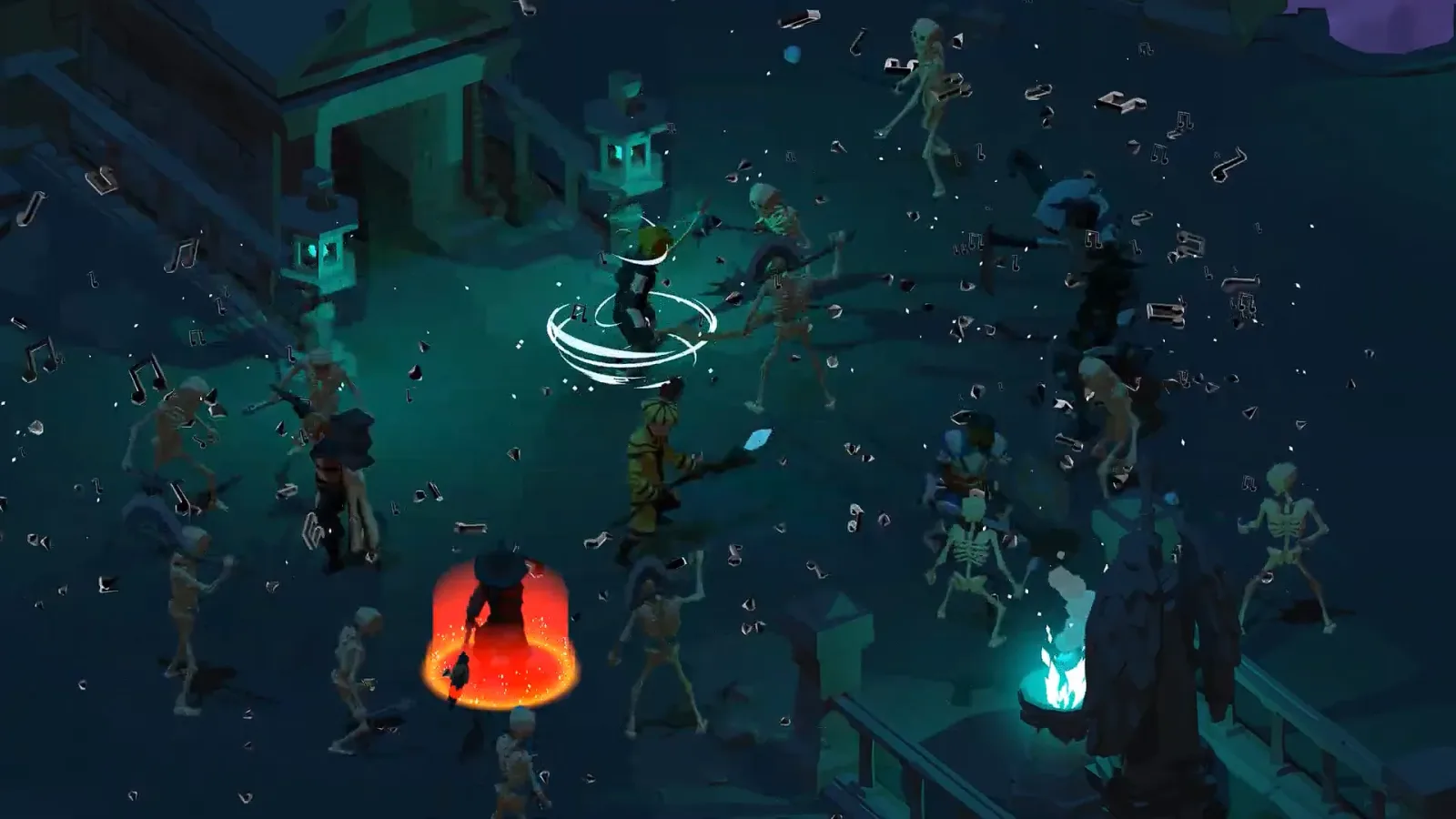
Although the Bard has extensive utility, it can also be built for offense. By building Crescendo, the class can set up powerful barrages and explosive finishing attacks. This makes Crescendo more than a passive bonus to maintain; it can become a resource that is converted into a significant damage moment.
That offensive route may appeal to players who prefer a support character with a clear opportunity to help close out an encounter. The decision to keep building Crescendo or cash it in for a barrage adds a risk-and-reward element. Using the payoff early may secure an immediate advantage, while waiting could produce a stronger result if the Bard can safely continue its sequence.
Free update adds tougher bosses and roaming rewards
All Stolen Realm players receive new content through the accompanying update, regardless of whether they purchase the Bard Pack. The most prominent additions are Chaos Touched Endless Mode bosses. These are more difficult boss versions equipped with extra modifiers and improved loot.
The Chaos Touched variants should provide an added challenge for players venturing through Endless Mode. Extra modifiers can make familiar boss encounters less predictable, while better rewards give players a reason to take on the increased danger. The update therefore extends the game's repeatable challenge content as well as its build-crafting possibilities.
The patch also introduces Mischievous Familiars, rare creatures that can appear during battle. These creatures may attempt to escape, and defeating them before they get away can reward players with rare loot. Their presence adds a situational priority target to combat: players may need to decide whether to continue with their current plan or shift attention toward a potential reward before the opportunity disappears.
That choice fits naturally with the Bard's arrival. A class that can control positioning, hinder enemies, and build toward larger plays could offer useful answers when a rare creature appears at an inconvenient moment, though the free Familiar feature is available to every player whether or not they own the DLC.
Build Codes make character ideas easier to share
Another major free addition is Build Codes, a feature for sharing and discovering character builds. Build experimentation is a major part of creating a party in a tactical RPG, but it can be difficult to communicate a detailed setup through a simple description. Codes provide a more direct way for players to pass along their character configurations and explore ideas created by others.
The feature is well timed for the Bard Pack because the new class has several distinct directions. Players can share a Song-focused support setup, a control-oriented build, a defensive protector, or a Crescendo damage specialist without needing to recreate every choice manually from written instructions. It should also make it easier for groups to compare approaches and refine strategies around the class's multiple Song effects and Improvise interactions.
Build Codes are not limited to the Bard, however. The feature applies to character build sharing and discovery more broadly, giving the wider Stolen Realm community a new way to exchange ideas as the game's options continue to grow.
Quality-of-life changes accompany the new content
The free update includes several usability improvements intended to smooth out common tasks. The Examine window has been improved, providing a more useful way to inspect relevant information. Automatic purchases for crafting materials reduce friction when players are preparing equipment or other crafted items. A new Sell All menu is also included, offering a more efficient inventory-management option.
Item locking is another addition, helping players safeguard gear they do not want to accidentally sell or otherwise lose track of. These changes may not be as flashy as a new class or a modified boss, but they address the repeated actions that surround dungeon runs, character maintenance, and loot sorting.
The update further contains balance adjustments alongside numerous gameplay and multiplayer bug fixes. No complete list of individual changes was detailed with the announcement, but the combination indicates that the launch is not solely about new features. It also includes continued maintenance for the game's systems and multiplayer experience.
A playtest-informed launch
The Bard Pack's release follows a community playtest. Feedback from that process helped refine the Bard's abilities, improve overall balance, and identify issues before the DLC reached its full Steam launch. For a class with several overlapping Songs, independent Crescendo growth, and the ability to perform multiple Songs through Improvise, that testing period was an important opportunity to examine how the mechanics functioned in practice.
Stolen Realm's Bard Pack is available now on Steam as paid DLC, while the accompanying content update is free for all players. Between the new class's flexible musical toolkit and the free additions to Endless Mode, loot hunting, build sharing, and quality-of-life systems, the release gives both returning players and Bard-focused party planners new reasons to revisit the tactical fantasy RPG.
Community
Discussion
Start the conversation.
No comments have been posted yet.