

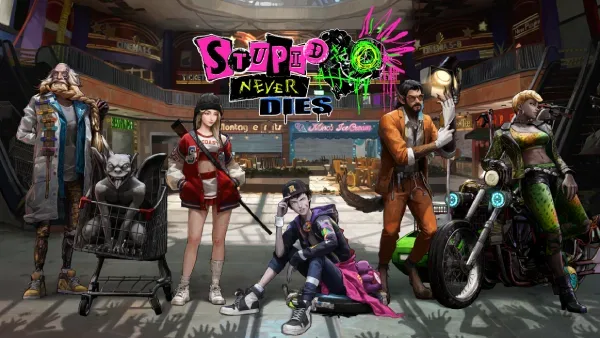
Stupid Never Dies is putting its visual identity in the spotlight ahead of release. Producer Hiroyuki Kobayashi and developer GPTRACK50 have released Deep Bite #4 - Art, the latest entry in the game's behind-the-scenes video series. This instalment focuses on the creative choices that shape the single-player 3D action RPG's distinctive "neo pop punk" appearance, from its colour choices and hand-drawn lines to its menus, monsters, and dungeon hazards.
The game follows Davy, a timid zombie who occupies the lowest rung of monster society. His journey involves fighting through enemies, building strength, taking their powers, collecting items, and altering his undead body with unusual upgrades. At the centre of that adventure is a seemingly impossible objective: Davy wants to bring Julia, a frozen human girl, back to life.
Rather than treating the visual direction as a layer placed on top of a conventional action RPG, GPTRACK50 is positioning art as a direct part of the game's personality and readability. The new video explains how the team has used nostalgia, punk-influenced energy, and handmade details to create a world that should feel lively even when it becomes increasingly threatening.
A neo pop punk look built from familiar pieces
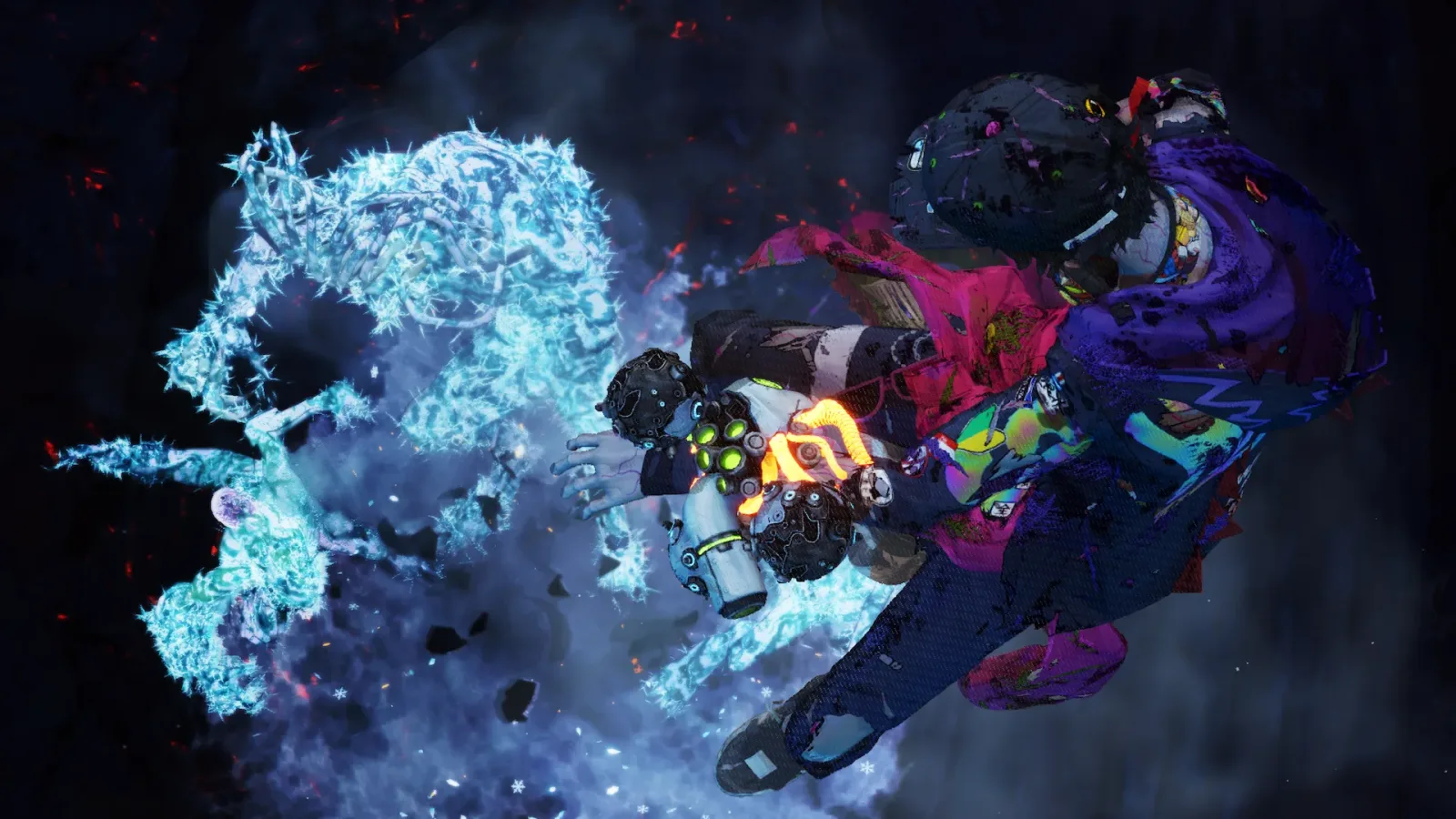
The "neo pop punk" label is the clearest description yet of what GPTRACK50 is aiming for visually. The approach draws on colours and stylistic ideas associated with a nostalgic sound, but it does not simply recreate an older aesthetic. Instead, the developers are combining recognisable influences with more contemporary visual techniques to produce something intended to feel both familiar and newly assembled.
For useful background on this topic, read Vegelypse Steam Playtest Opens With Cactus Band Brawling.
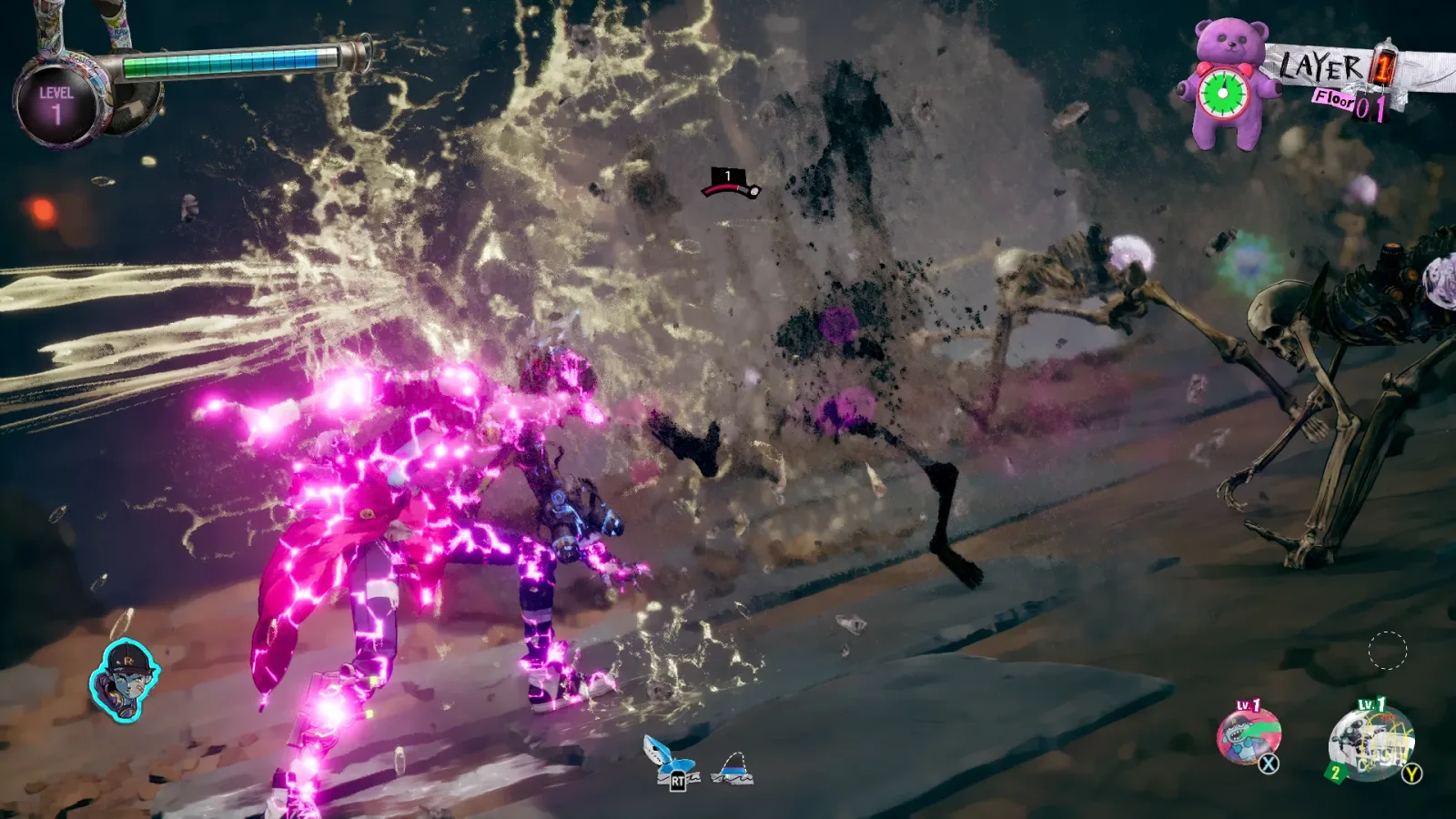
A major element of that balance is the mixture of 3D models with hand-drawn linework. Characters, environments, and enemies are not presented as purely smooth, digitally rendered objects. Hand-drawn details are woven into the models to give the game a more tactile, crafted quality. It is a choice that suits a story about zombies, strange powers, scavenged abilities, and body modification: the world can appear playful and rough around the edges without losing its action-game clarity.
That handcrafted feel also helps distinguish the game from a more standard dark fantasy or horror presentation. Davy's setting has monsters and dangerous dungeons, but the presentation is not framed as relentlessly grim. The intended tone appears to leave room for weirdness, humour, and a scrappy sense of personality. The contrast is important for a protagonist who is described as timid and low-status, yet must grow into someone capable of confronting increasingly formidable opposition.
Menus and interface are part of Davy's world
One of the more interesting details from Deep Bite #4 - Art is the attention paid to the user interface. GPTRACK50 has designed UI elements and other visual details to resemble things Davy himself might draw or keep close at hand. This means the interface is meant to do more than relay health, abilities, items, or progression information. It is also an extension of the game's point of view.
For another perspective on this story, read Stupid Never Dies Art Video Explains How Neo Pop Punk Shapes Davy's Undead RPG.
That perspective-led design can make a difference in a character-focused RPG. Davy is not an all-powerful hero arriving from outside the setting; he is a zombie starting at the bottom of monster society. Presenting pieces of the game as if they have passed through his hands reinforces the sense that players are experiencing this bizarre world through him. It can also support the broader handmade art direction, ensuring that the menus do not feel disconnected from the rougher linework and colourful visual language used during exploration and combat.
For a game with equipment, stolen powers, body modifications, and rapid progression, readable interface design will be particularly important. Players will need to understand what they have collected and how their changing abilities affect their options. The art video suggests GPTRACK50 wants that practical information to remain grounded in Davy's character rather than becoming a purely neutral overlay.
Over Technology has a visible impact on threats
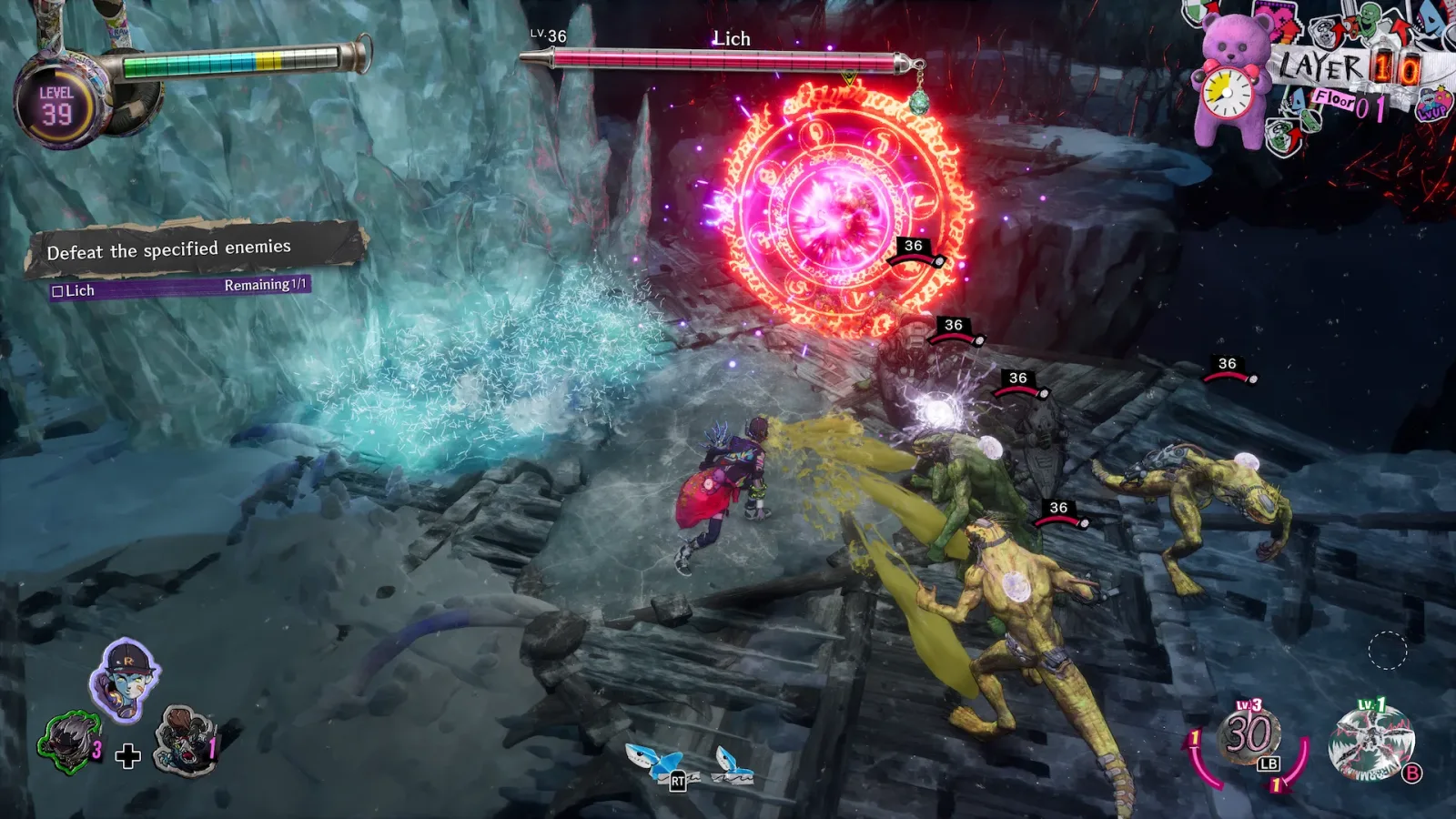
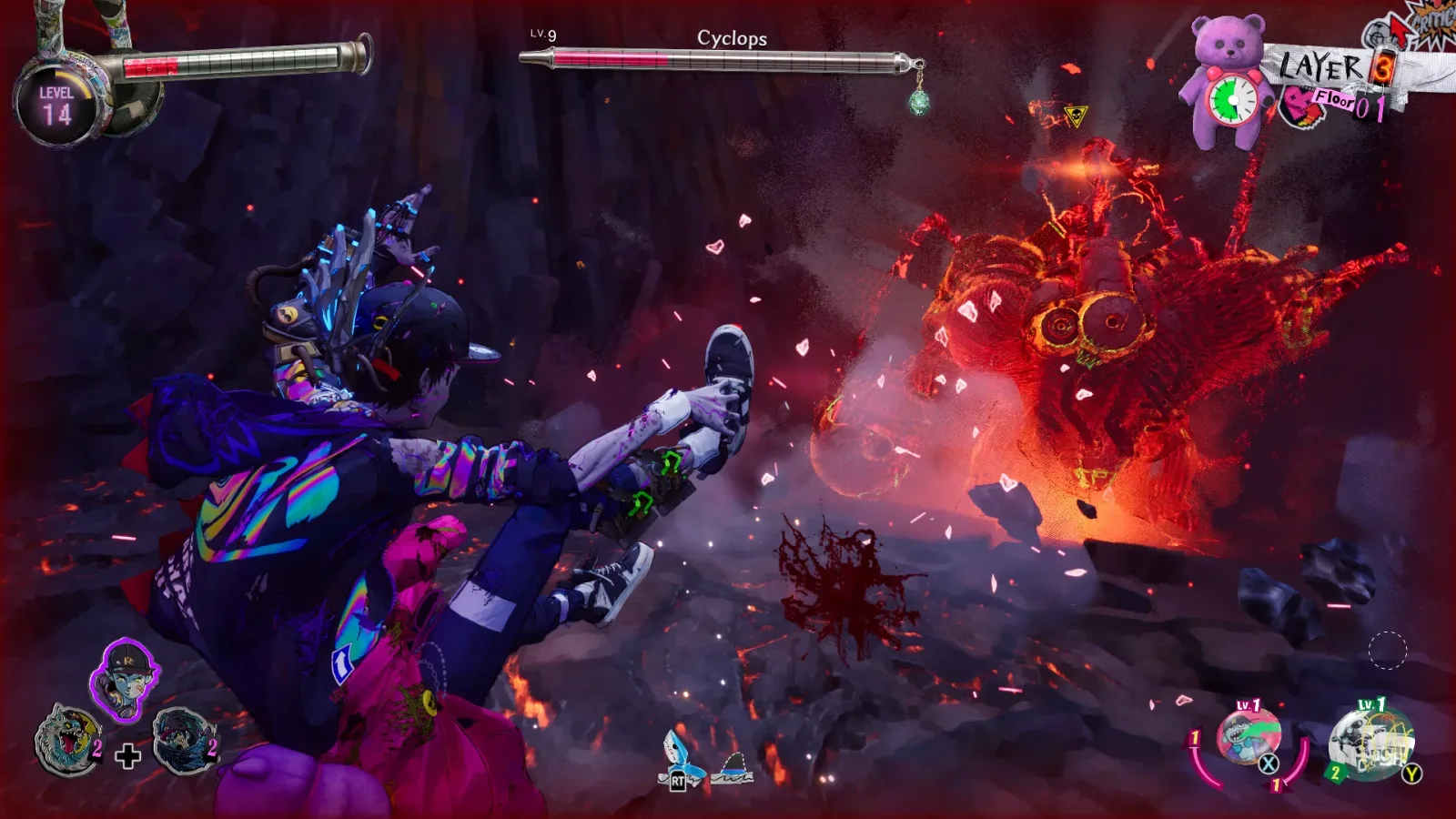
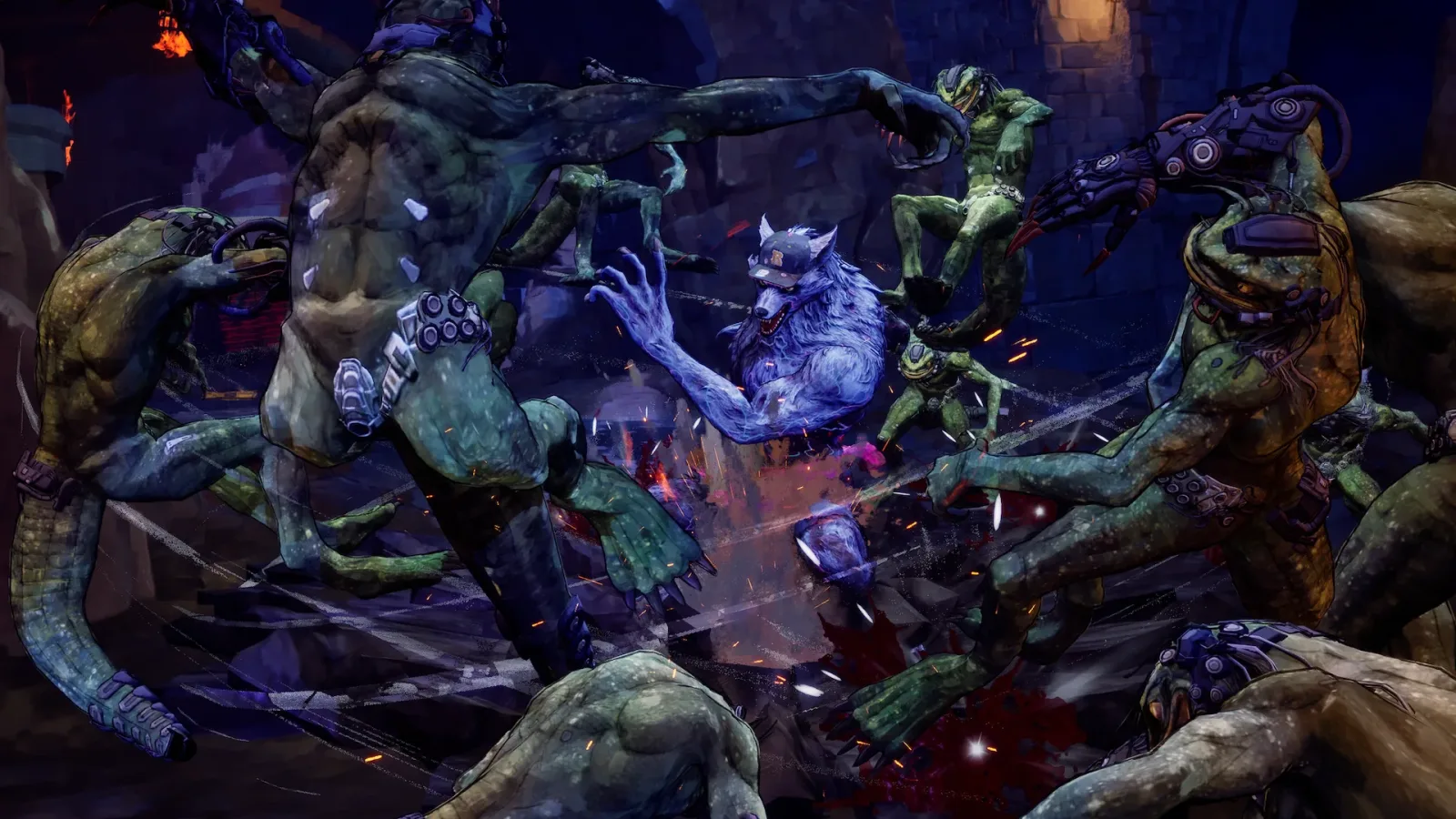
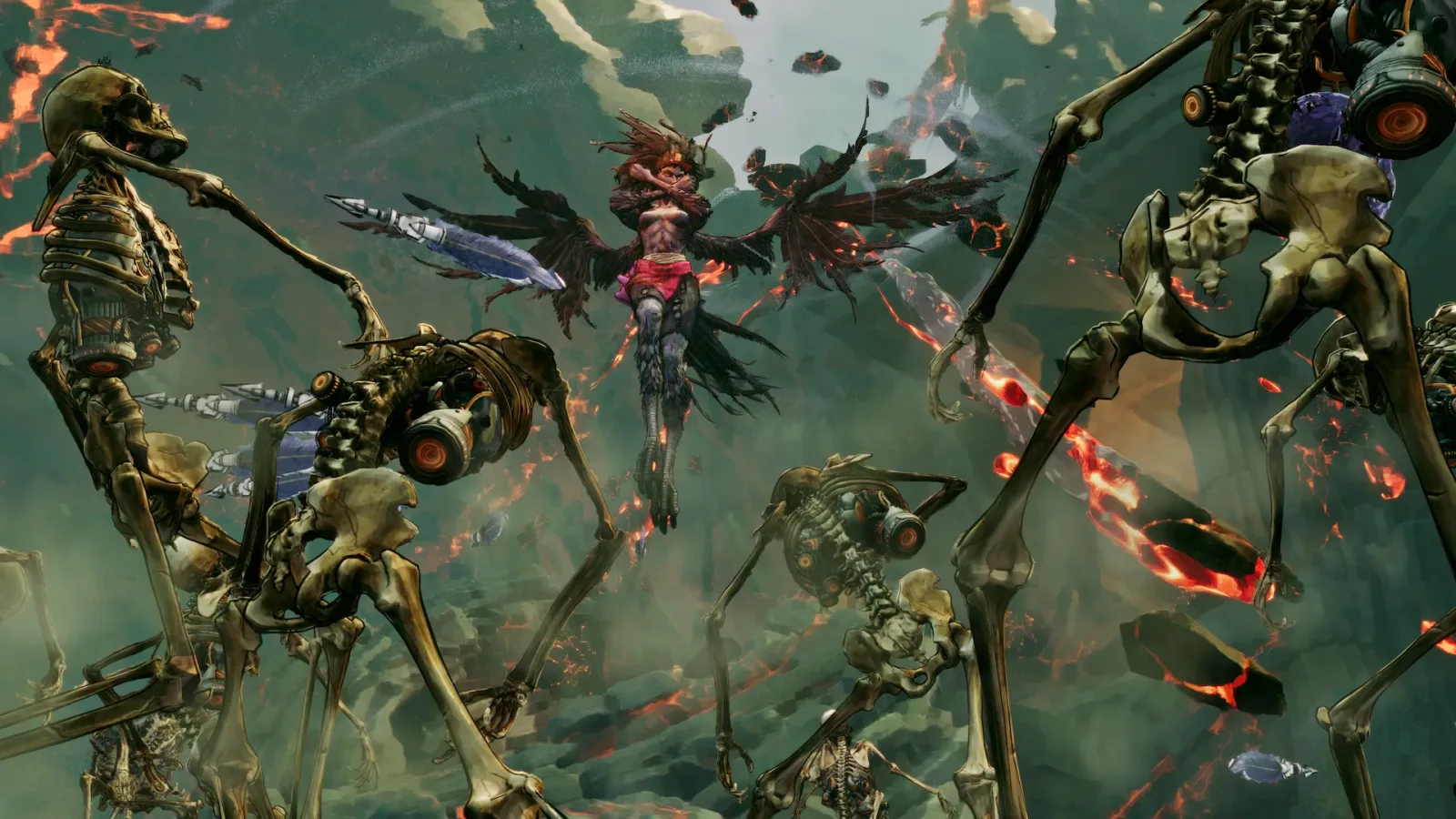
The new episode also addresses Over Technology, or OT, a key system for Davy and the enemies he faces. OT is tied to the game's body-customisation ideas, but it also influences the visual construction of monsters and dungeons. GPTRACK50 has incorporated the mechanic into the appearance of danger itself, allowing players to identify enemy strength and dungeon risk through visual cues.
As difficulty rises, the announcement says, monsters and dungeon spaces become more menacing in ways that should be visually apparent. That approach is useful in a fast-moving action RPG because it gives players a chance to assess a situation before they commit to an attack. A more intimidating silhouette, stronger-looking mechanical additions, or escalating environmental design can signal that a familiar kind of encounter has become more dangerous.
It also gives OT a broader role than a simple stat or upgrade label. If the system changes the way threats look, it becomes part of the setting's visual vocabulary. Players are not only told that an opponent is stronger; they are meant to see it in the enemy design and the dungeon around them. For a game built around absorbing powers and rebuilding an undead body, that close connection between mechanics and visual storytelling is fitting.
Davy's route from underdog to upgraded undead fighter
Stupid Never Dies is a single-player 3D action RPG, and its feature set centres on momentum, adaptation, and grotesque self-improvement. Combat is described as "Fight Like a Zombie," with a focus on persistent offense and a flexible system for targeting enemies. Davy may begin as a fearful outsider, but the game's systems are built around turning repeated battles into opportunities to become more capable.
Progression is another major part of the loop. The "Blazing Fast Growth" feature promises accelerated levelling as players continue their dungeon dives. That rapid advancement is paired with opportunities to collect items, acquire OT, and alter Davy's body. At Acelino's shop, collected Over Technology can be used to modify body parts, creating room for players to pursue bizarre upgrades while improving their chances against tougher encounters.
The game's "Style Eat" system adds another layer to that cycle. Davy can eat enemies to repair damage and absorb their powers, with more than 11 styles referenced in the announcement. The concept is both mechanically central and well matched to the game's offbeat art direction: consuming a foe is not merely a recovery action, but a method of taking on new capabilities. As Davy changes, the game's visual and gameplay identities appear designed to change alongside him.
This structure puts a strong emphasis on experimentation. Players are expected to fight, survive, gather resources, steal abilities, and decide how to rework Davy for the challenges ahead. The art video's focus on OT-infused enemy and dungeon design hints that these choices will matter as the game pushes into higher-danger territory.
The Deep Bite series continues before launch
Deep Bite #4 - Art is the fourth named topic in the ongoing video series. Earlier Deep Bite videos have examined Action, Game Cycle, and Sound. Together, the episodes offer a closer look at the pillars behind Stupid Never Dies: how it plays in combat, how its progression loop functions, how it sounds, and now how its visual world comes together.
The timing gives players a final opportunity to sample the game before the full release. Stupid Never Dies: First Bite, a demo for the game, is available now on Steam and PlayStation 5. The demo provides a way to see the action, progression ideas, and visual direction in practice rather than only through the Deep Bite videos.
Release date, editions, and language support
Stupid Never Dies is scheduled to launch for PC via Steam and PlayStation 5 on October 21, 2026. The Japanese release is set for October 22, 2026. The game will be available in a Standard Edition priced at $49.99 USD, alongside the Stupid Never Dies: Glorious Idiot Edition at $59.99 USD.
The listed subtitle language support is extensive, covering English, French, German, Italian, Spanish, Japanese, Korean, Russian, Polish, Latin American Spanish, Brazilian Portuguese, Traditional Chinese, and Simplified Chinese.
With its new art-focused Deep Bite episode, GPTRACK50 has clarified that Stupid Never Dies is not relying on its bizarre zombie premise alone to stand out. Its colourful neo pop punk style, integrated sketch-like details, character-driven interface, and visible OT escalation are all intended to make the game's world readable and memorable. Whether Davy's frantic climb from monster-world nobody to Julia's would-be saviour lands as strongly in motion will become clearer when the full game arrives this October.
Community
Discussion
Start the conversation.
No comments have been posted yet.