

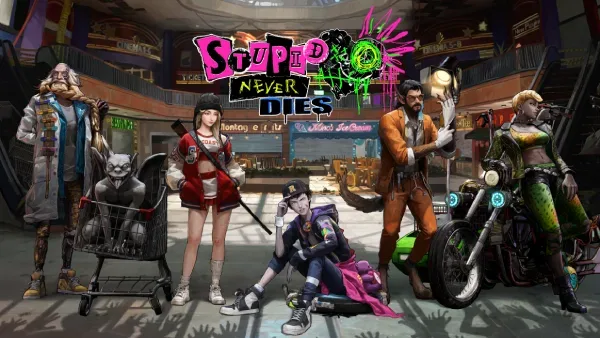
Stupid Never Dies is building its bizarre zombie action RPG identity around more than dungeon dives, stolen enemy powers, and rapid-fire character growth. In the latest Deep Bite development video, producer Hiroyuki Kobayashi discusses the importance of music to the upcoming GPTRACK50 game, describing a soundtrack designed to drive its mood, action, and offbeat personality from beginning to end.
The new installment, titled Deep Bite #3: Sound, explores the audio direction behind the game's distinctive "Neo Pop Punk" approach. Rather than treating the soundtrack as background dressing, the team has integrated it into the flow of exploration, combat, hub areas, and Davy's unusual place in a world ruled by monsters.
Published by SEGA and developed by GPTRACK50, Stupid Never Dies is scheduled to arrive on PC through Steam and PlayStation 5 on October 21, 2026. Its Japanese launch follows on October 22. Players who want an early taste can already try the Stupid Never Dies: First Bite demo on both announced platforms.
A game that started with Davy's song
Music was not simply added once the broader shape of Stupid Never Dies was in place. Development began with a theme song for its central character, Davy. That starting point became a creative anchor for the project, helping GPTRACK50 establish the energetic pop-punk sensibility that would eventually extend across the game's wider presentation.
For useful background on this topic, read Survive 'Til Dawn! Blends Tower Defence and Third-Person Combat for Steam in 2027.
Davy is a timid zombie positioned near the bottom of monster society, an intentionally unlikely hero for a game built around aggressive action and strange transformations. The contrast is important: the game's central character may begin from a lowly position, but players will push him through demanding dungeon runs, encounters with enemies, and fast progression loops. A lively musical foundation gives that rise a specific kind of attitude, embracing irreverence without abandoning intensity.
The eventual result is what the development team calls Neo Pop Punk. Pop-punk remains a major component, but it is not the soundtrack's sole influence. The music also incorporates metal, rock, electronic sounds, and traditional Japanese instrumentation. That combination reflects a game that is similarly unwilling to fit neatly into one category: it is a 3D action RPG with roguelike-influenced progression, surreal humor, horror-adjacent monster imagery, and a protagonist able to remake himself through the abilities of defeated foes.
For players, that genre blend could be one of the clearest expressions of the game's intended tone. Pop-punk can provide momentum and youthful defiance; metal and rock can escalate the force of battles; electronic elements can make the world feel less conventional; and traditional Japanese sounds offer another color in a setting that is not aiming for straightforward fantasy or standard zombie horror.
For another perspective on this story, read Stupid Never Dies Details Its Neo Pop Punk Sound Ahead of October Launch.
Music changes with the pace of play
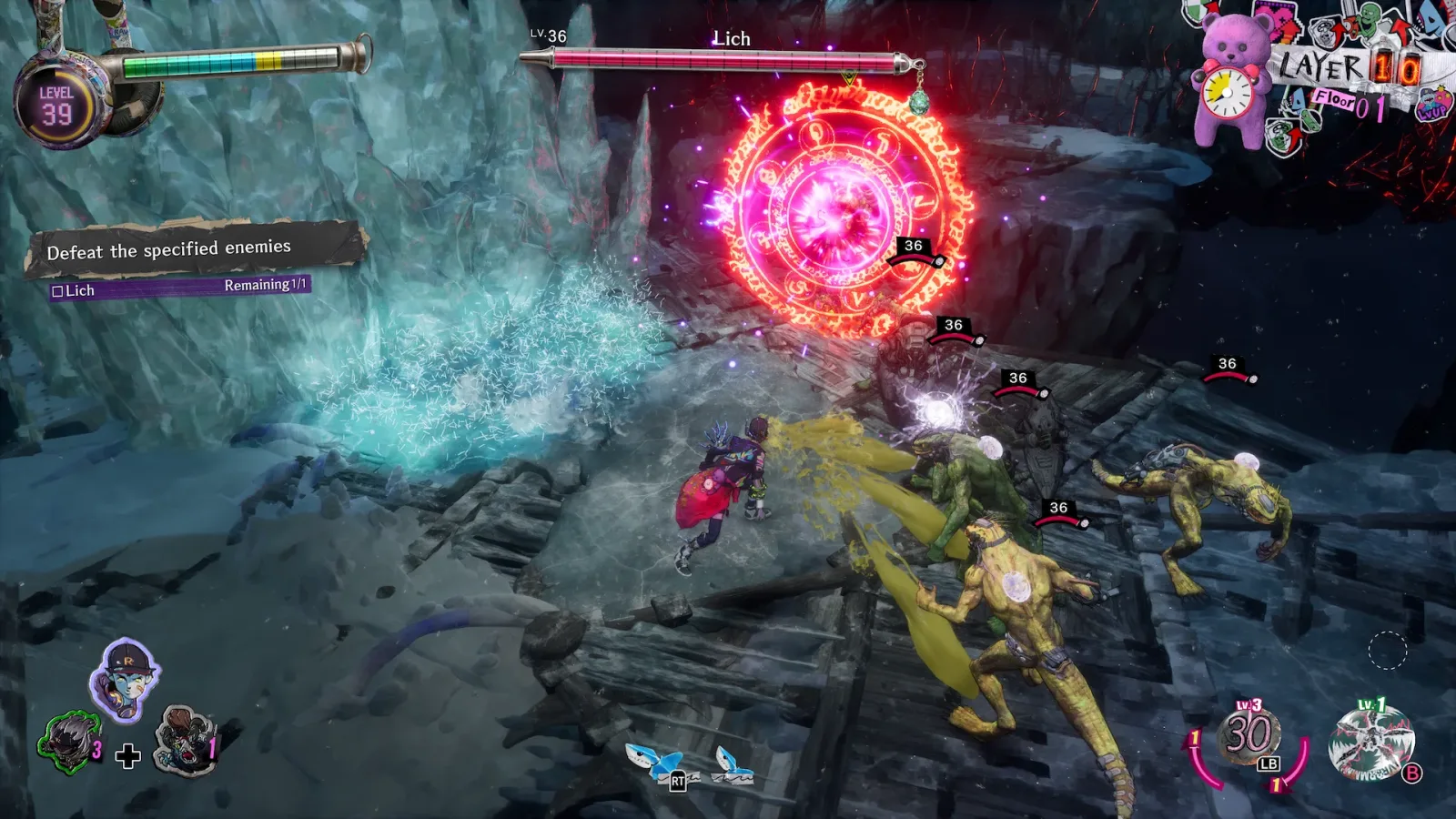
The soundtrack's role goes beyond supplying individual tracks for major moments. Kobayashi's discussion emphasizes dynamic shifts tied to gameplay conditions. Music can move between tense exploration, high-energy fights, and quieter rest areas, allowing the audio to respond to the changing cadence of a dungeon run.
That approach is particularly fitting for a game centered on dives into dangerous spaces. Exploration needs room for uncertainty, whether players are studying an area, anticipating what lies ahead, or weighing their next upgrade. Battles, in contrast, need to underline Davy's sudden escalation into a more forceful and adaptable fighter. Rest areas create a different requirement altogether, giving players a chance to reset before returning to the action.
Dynamic music can make those transitions feel smoother while reinforcing the distinction between each phase. Instead of every area carrying the same level of intensity, the soundscape is intended to follow the player's changing emotional state. Tension can build while navigating hostile territory, release into kinetic combat, and settle again when the player reaches a comparatively safe point.
Hub locations are also part of this audio plan. Davy's Mall is specifically highlighted as a place where the soundtrack helps establish the atmosphere. In a game with a deliberately quirky and surreal premise, a hub should do more than function as a menu-shaped pause between missions. Its music can help communicate its character, make it memorable as a destination, and preserve the larger Neo Pop Punk identity even when combat is not underway.
More videos reveal the game's style and structure
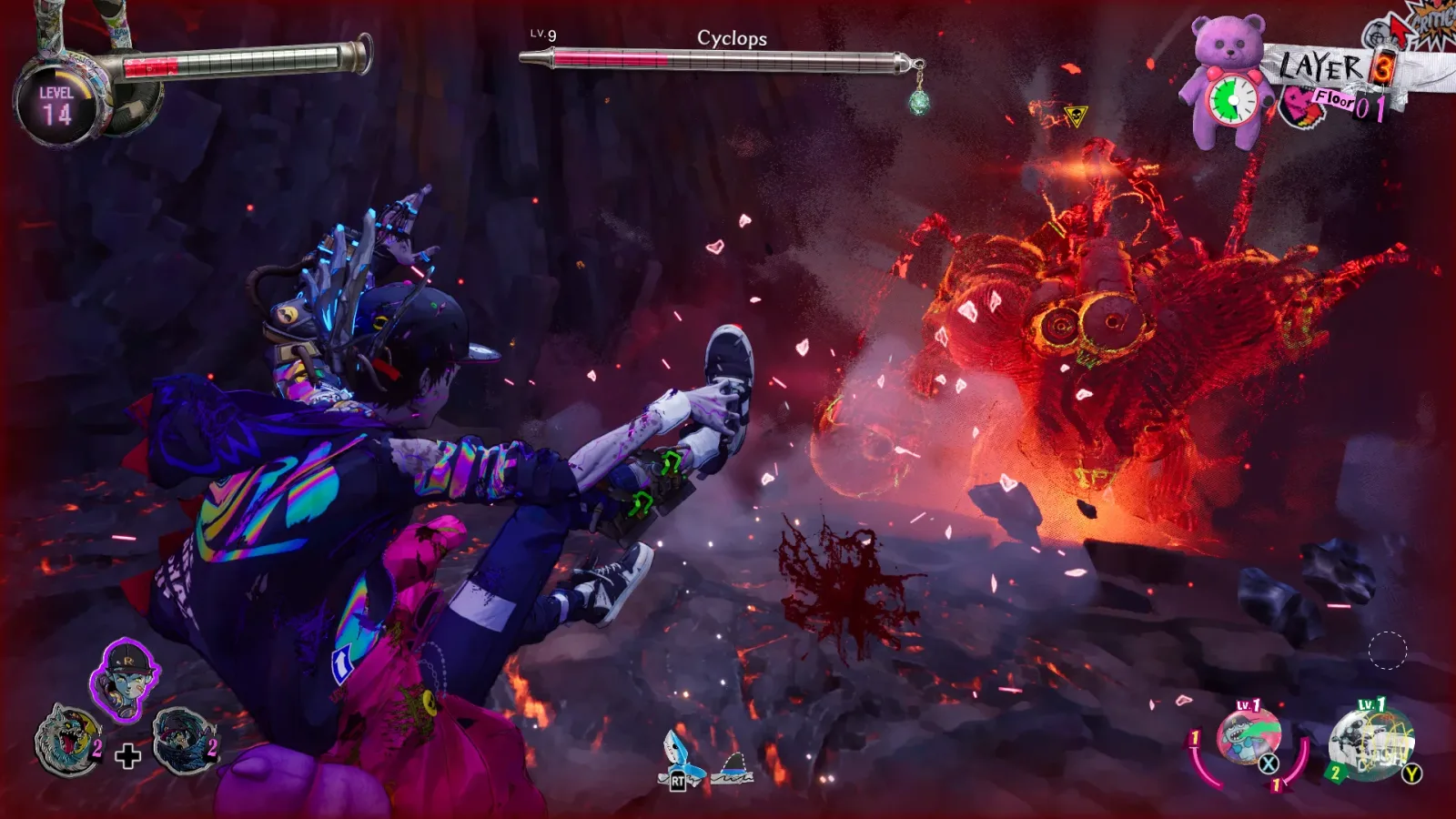
The sound-focused Deep Bite episode joins other videos that have examined the action and core game cycle of Stupid Never Dies. Together, these previews offer a closer look at how GPTRACK50 is framing the experience: Davy repeatedly heads into dungeons, gains power quickly, takes abilities from enemies, and changes his build through a mixture of direct combat rewards and technological modifications.
The game is a single-player 3D action RPG, but its advancement system carries roguelike influences. Progress made through earlier dives is intended to increase experience point gains in later ones, supporting a sense of momentum even as players continue returning to dangerous areas. This should make every attempt part of Davy's larger climb, rather than leaving progression entirely dependent on a single flawless run.
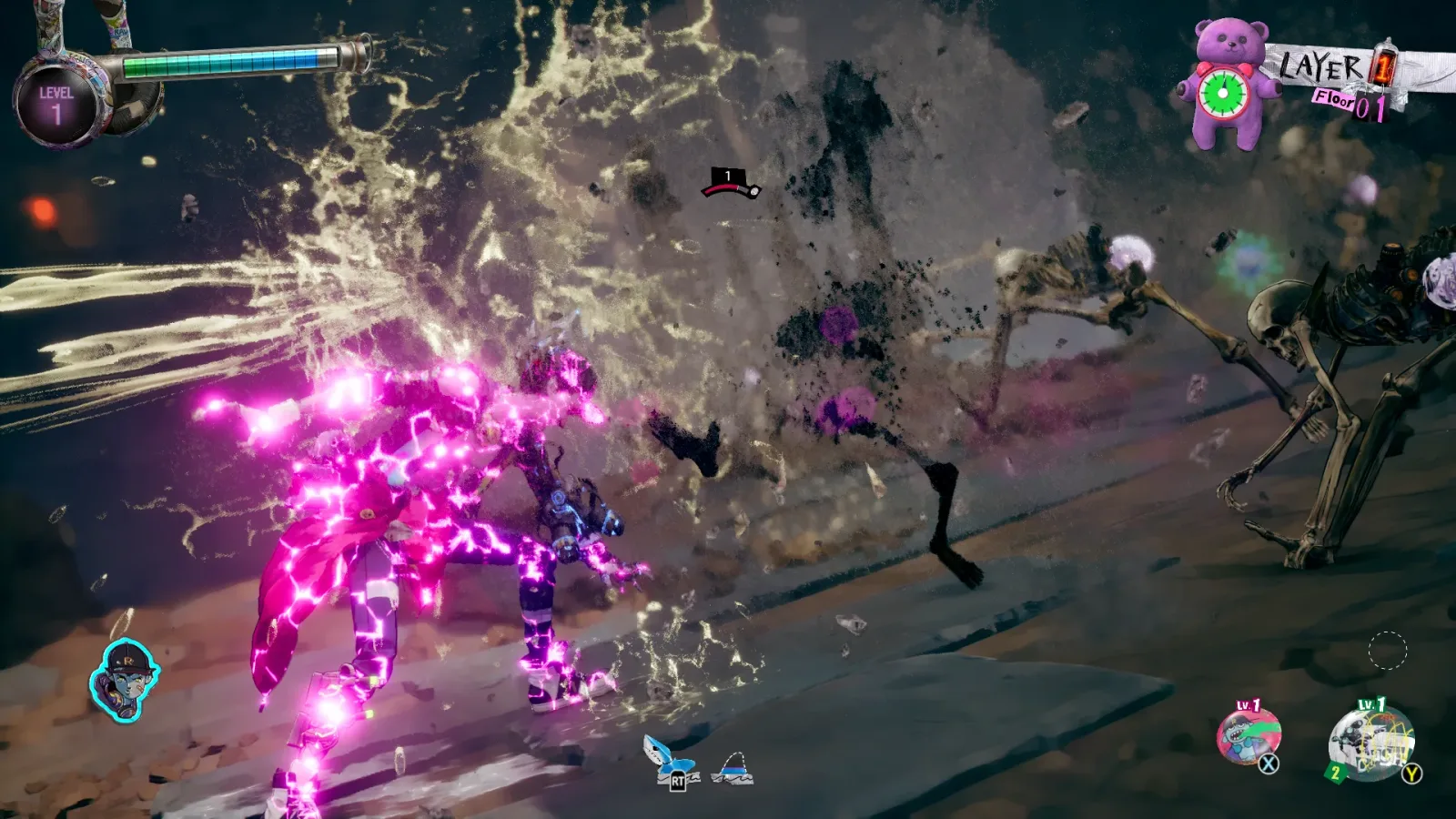
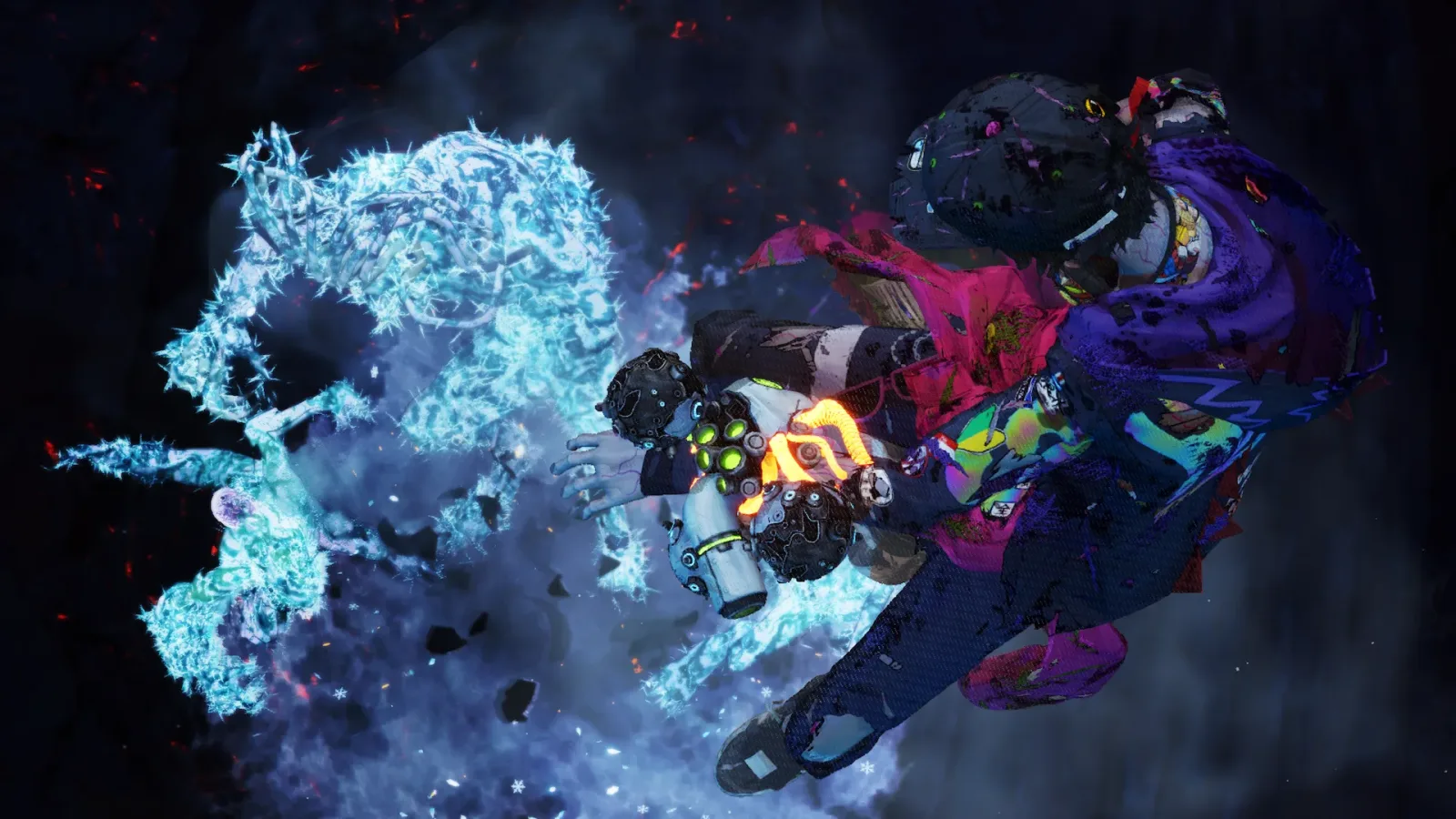
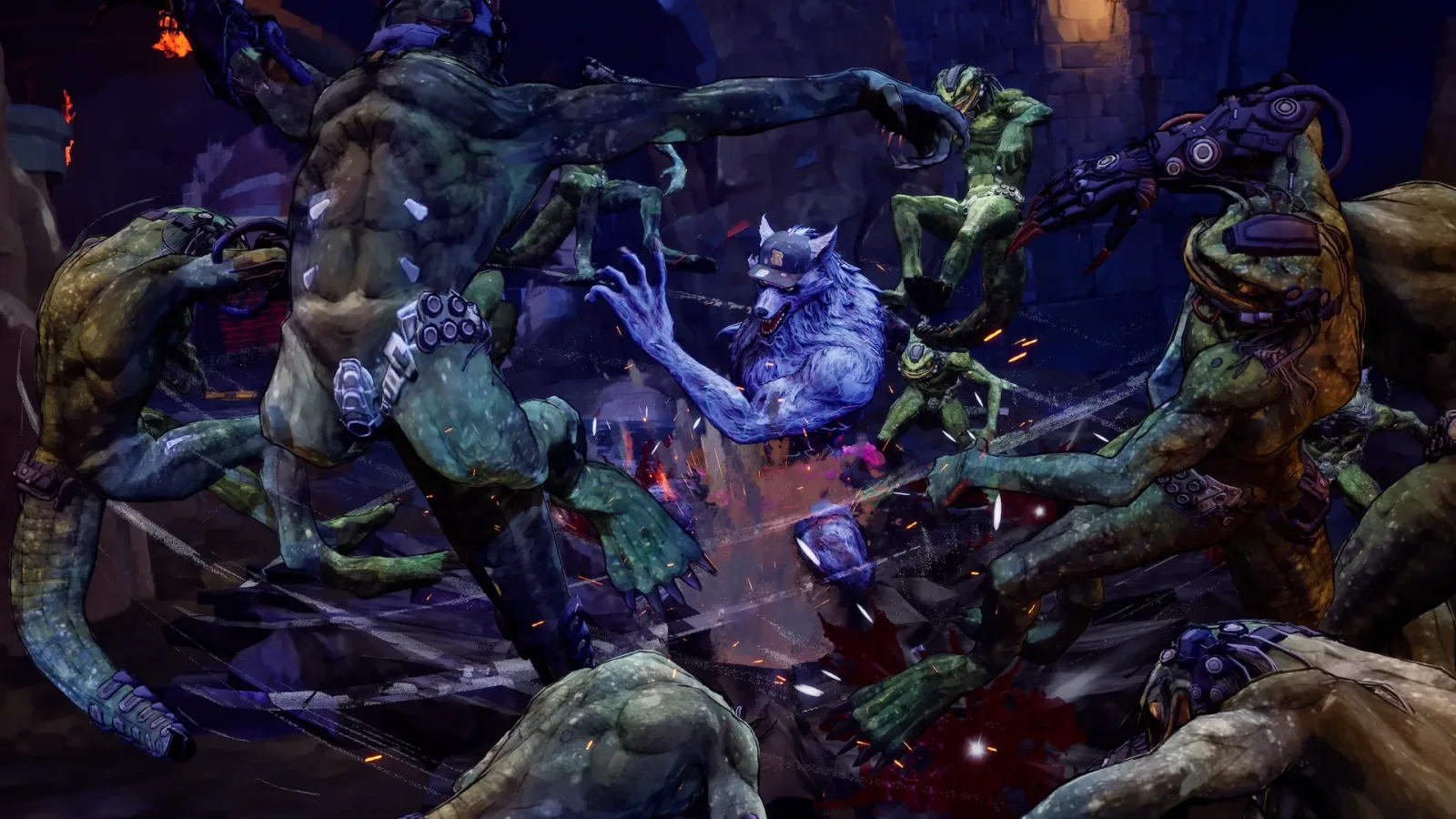
Combat is described as aggressive and supported by a flexible targeting system. Davy's core advantage lies in his capacity to take enemy styles through a mechanic called Style Eat. More than 11 enemy styles can be absorbed, giving players options to reshape the way their zombie protagonist fights. The game's body-focused concept extends further through Over Technology, a system of upgrades that allows players to hack and customize Davy's body.
Those mechanics place transformation at the heart of the game. Davy is not merely collecting better equipment in a conventional RPG sense. He is appropriating the traits of monsters around him and using technological enhancements to become something more capable, stranger, and potentially more tailored to the player's preferred combat style.
The musical concept matches that design philosophy. Just as Davy is assembled from different styles and upgrades, the soundtrack is constructed from a mix of genres and instrumental identities. Neo Pop Punk is therefore not only a marketing label for a playlist; it appears intended to reflect the game's broader fusion of contrasting ideas.
Opening and ending themes are part of the presentation
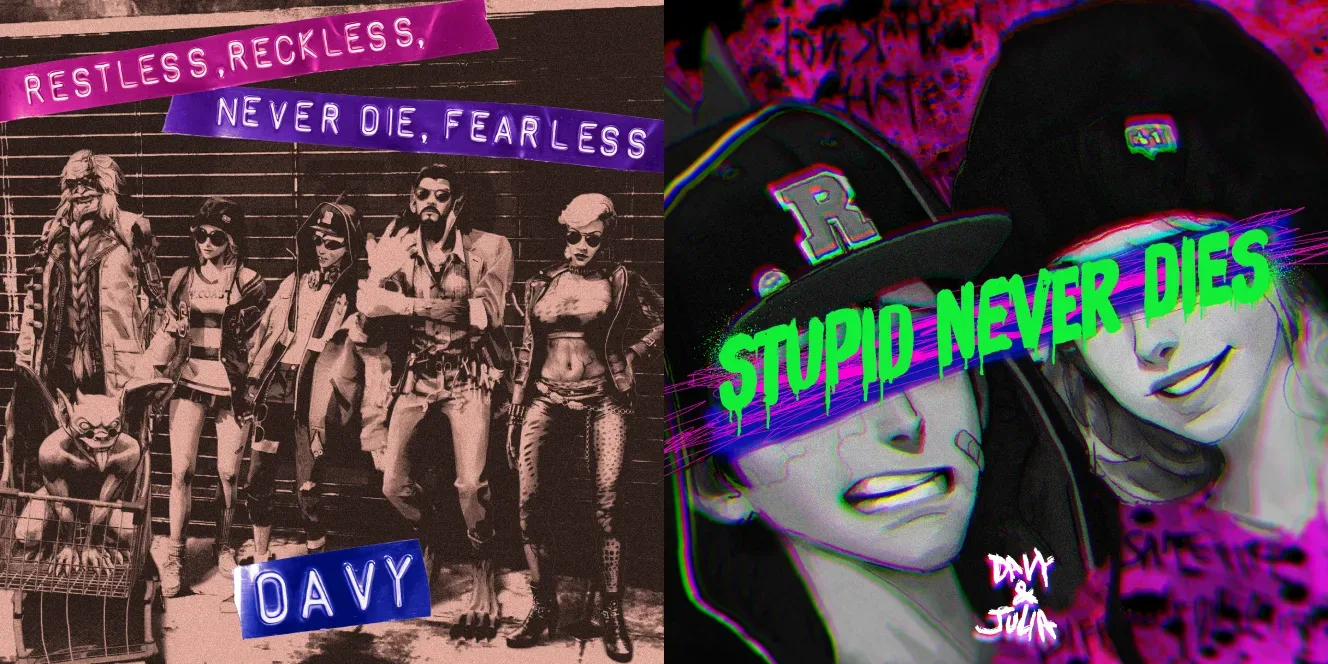
Official music videos are available for both the game's opening and ending themes. The ending song carries the title "Restless, Reckless, Never Die, Fearless", a phrase that fits the game's determined, unruly energy and its focus on a zombie hero refusing to stay at the bottom of the social order.
Theme songs can often establish the emotional bookends of an action RPG, and in this case they also reinforce how central music has been to the project since its earliest stages. Starting development with Davy's theme gave the team a sound to build outward from; releasing videos for the opening and ending music completes that presentation by putting the game's songs in the spotlight before launch.
For prospective players, the Deep Bite videos and music videos offer a useful way to gauge whether the game's personality lands. Stupid Never Dies is not presenting itself as a grim survival tale or a restrained dungeon crawler. It is going for an exaggerated collision of monster-society satire, hard-hitting action, body modification, and restless musical energy.
Release details, editions, and language support
Stupid Never Dies launches October 21, 2026 for PC via Steam and PlayStation 5, followed by a Japanese release on October 22. The Standard Edition will cost $49.99 USD. A higher-priced Stupid Never Dies: Glorious Idiot Edition will also be available for $59.99 USD.
The game will feature English support and subtitles in a broad selection of languages: English, French, German, Italian, Spanish, Japanese, Korean, Russian, Polish, Latin American Spanish, Brazilian Portuguese, Traditional Chinese, and Simplified Chinese.
With its demo available now, players do not have to wait until October to see how its action systems feel in motion. The full release, meanwhile, will reveal whether the combination of Style Eat, Over Technology, repeat dungeon progression, and a dynamically reactive Neo Pop Punk soundtrack can turn Davy's unlikely rise into one of 2026's more distinctive action RPG adventures.
Community
Discussion
Start the conversation.
No comments have been posted yet.