

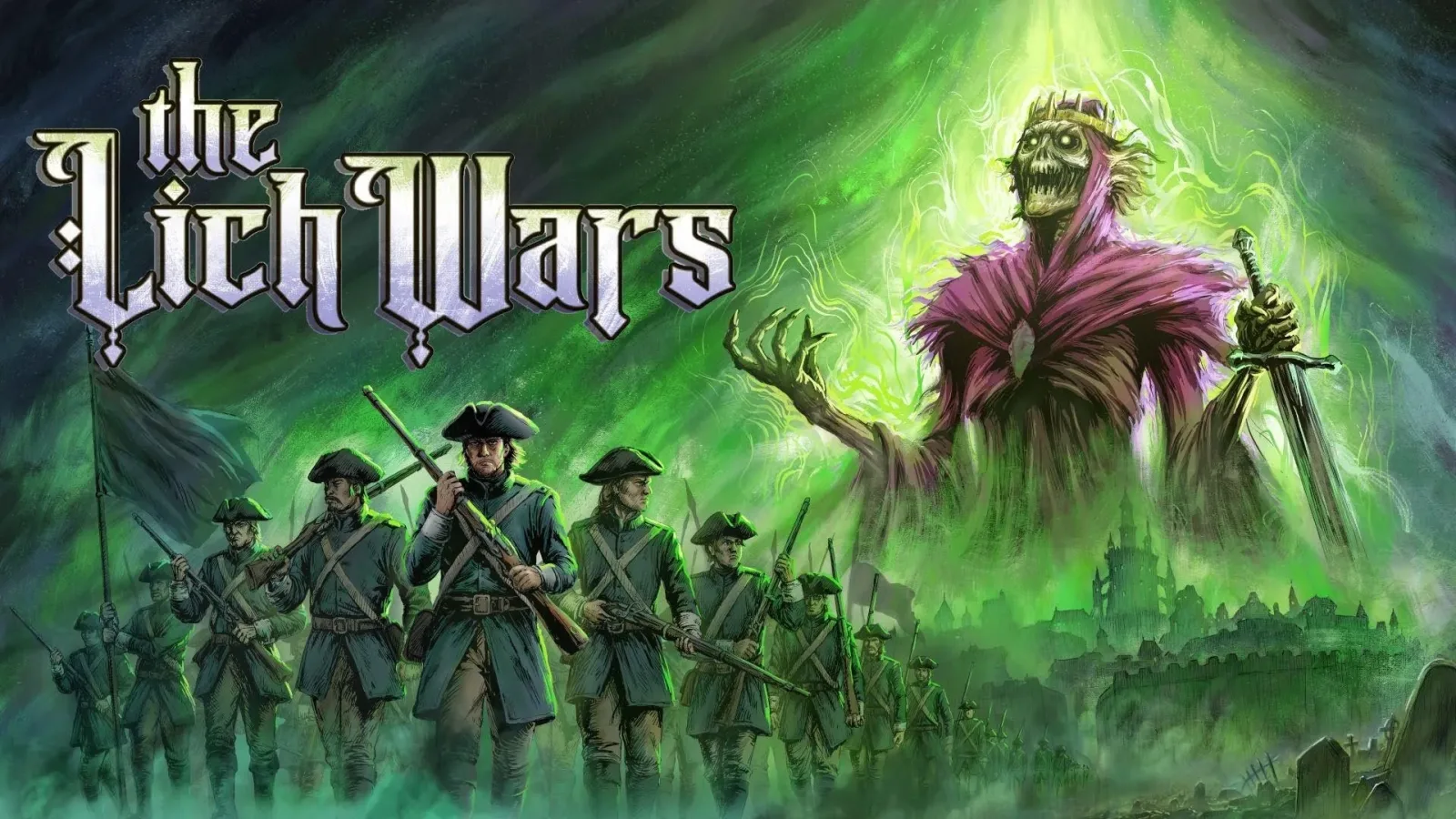
Psychic Software has announced The Lich Wars, a Gothic role-playing game built around branching interactive fiction, character skills, and prose-led combat. The project is set in the same world as The Necromancer's Tale, but it is being designed as a completely stand-alone prequel. That means newcomers can begin here without prior knowledge of the earlier game, while returning players can expect a look at familiar figures during a much earlier and more turbulent period of Rulsthen's history.
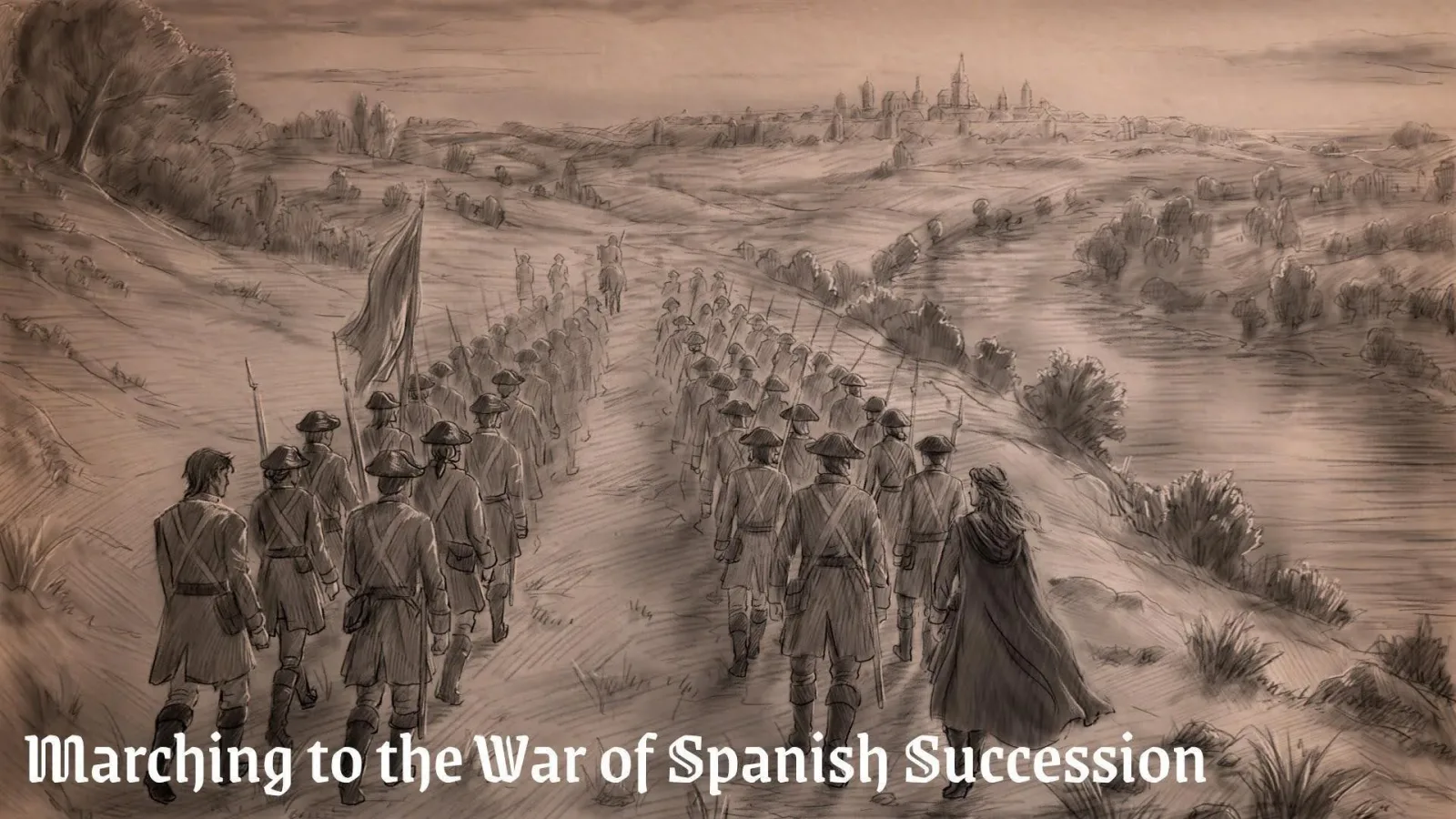
Currently in development for PC via Steam, The Lich Wars puts players in the boots of a musketeer serving with the Rychva Musketeers. Rather than limiting its narrative to a single campaign or short stretch of service, the game follows that military career for almost three decades. Across that span, the protagonist will face two wars involving the undead, the spread of necromancy, and a civil war that tears through the alternate-history kingdom of Rulsthen, located near Venice.
The central promise is an RPG whose decisions play out through a substantial written narrative rather than a conventional action-focused structure. Psychic Software describes roughly 300,000 words of hand-written story content, with player choices, skill checks, memories, relationships, and military service all helping shape how events unfold. A reveal trailer has also been released alongside the announcement.
A military life shaped by war, memory, and necromancy
The years explored in The Lich Wars were previously only briefly touched upon in The Necromancer's Tale. The prequel turns that background into its own full story, examining the period from the perspective of someone fighting within Rulsthen's armed forces as the country descends into escalating conflict.
For useful background on this topic, read SPINE Shows Off Redline's Wild Parrot Suit and More Customization Options.
Players take the role of a musketeer, but the concept reaches beyond simply marching from one battle to the next. The game's nearly 30-year framework suggests a life and career that can change direction over time. Psychic Software highlights multiple career paths, potentially letting players define the sort of officer or soldier they become through decisions in social situations, war planning, personal dealings, and combat encounters.
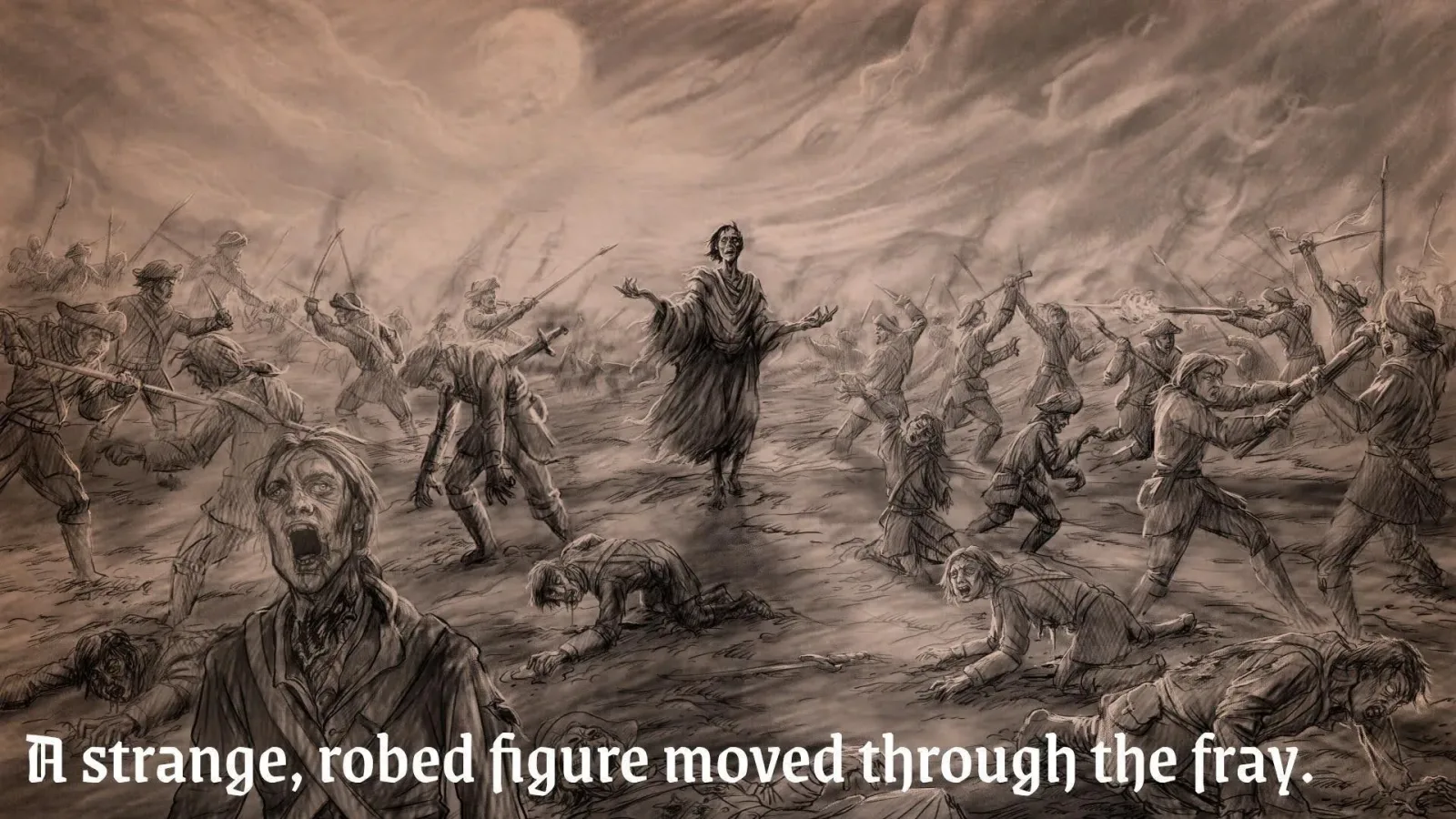
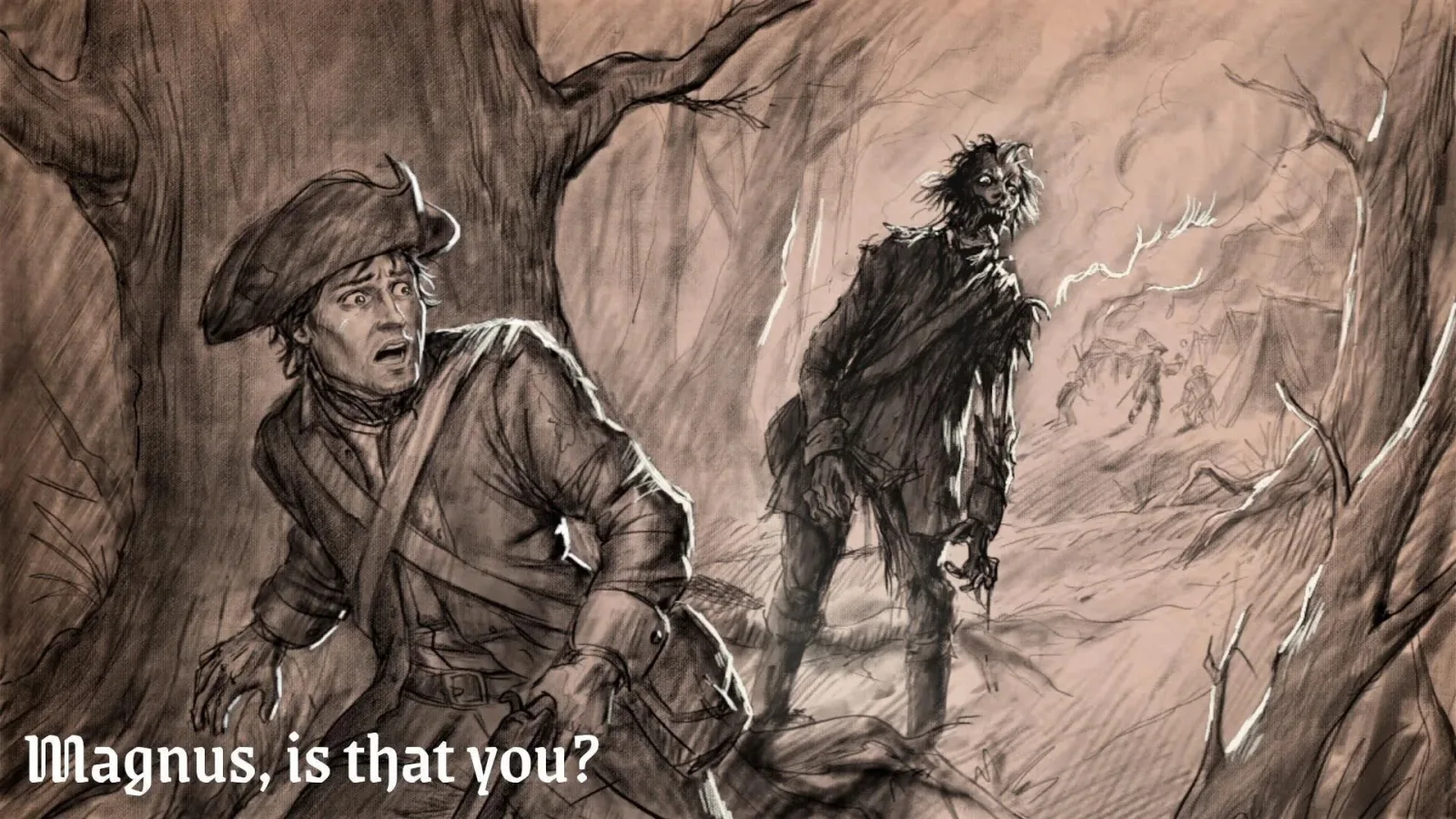
Necromancy sits at the heart of the setting's growing crisis. It is not presented merely as an uncomplicated supernatural power or a monster-of-the-week threat. The game's premise frames it as a force that works, even though the people using it do not fully understand the consequences. That uncertainty feeds into the story's Gothic tone: a society has been marked by terrible events, haunted both literally and figuratively by what it has done, and unable to agree on what the past truly means.
"In The Necromancer's Tale, the years between 1700 and 1728 were only a brief prologue, yet players kept asking about them," said Sam Redfern, lead developer and narrative lead at Psychic Software. "The Lich Wars is our chance to tell that story properly and to lean into the writing that players responded to most."
For another perspective on this story, read The Lich Wars Reveals a 30-Year Gothic Musketeer RPG for PC.
Redfern described the game as a Gothic story about a society burdened by its history. In this version of Rulsthen, every major character may have a different recollection of the war, one that helps them cope with their own actions. That approach extends to the protagonists as well, with unreliable memories specifically listed among the game's major features.
Nine skills and a large branching narrative
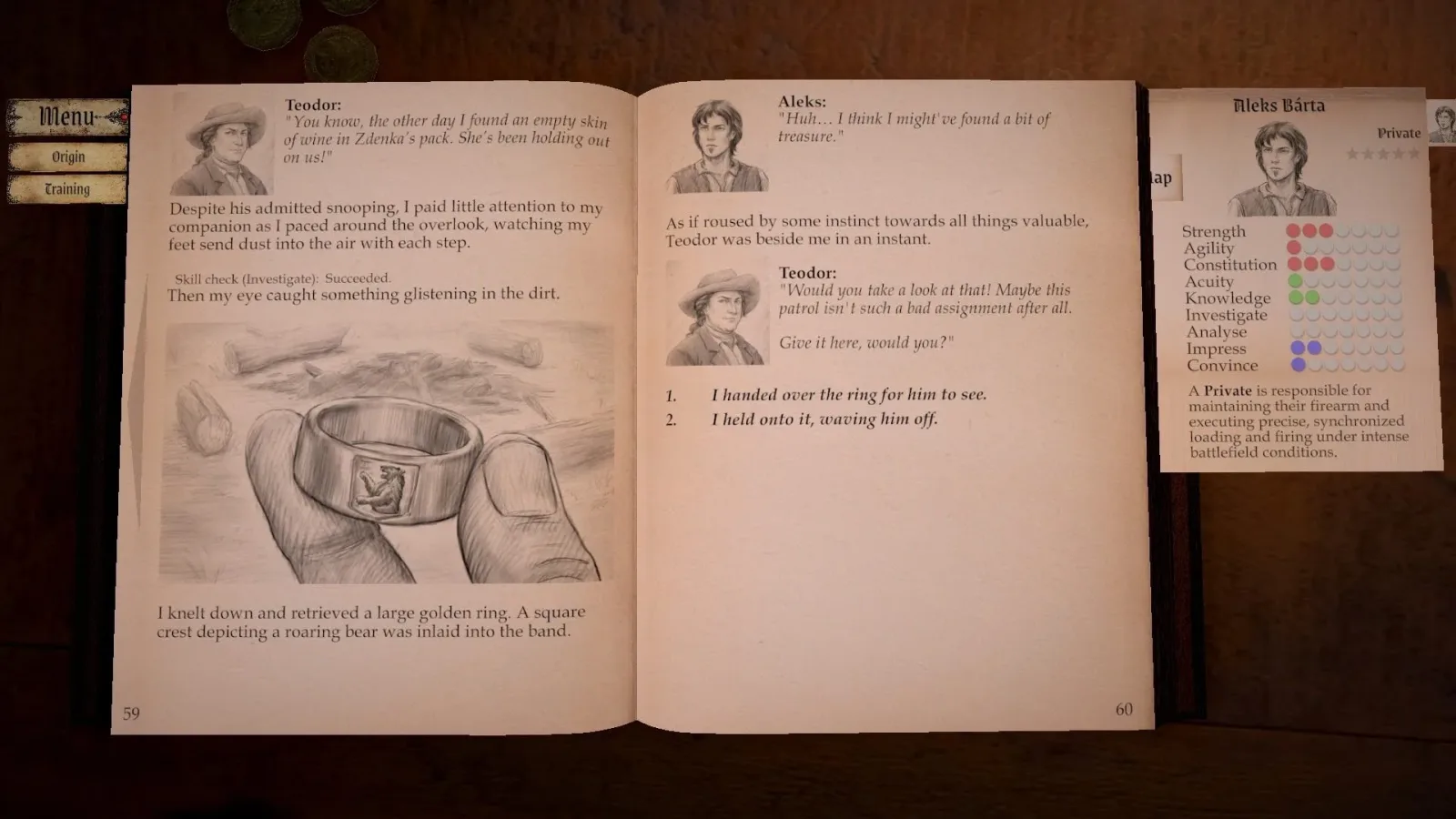
At the mechanical level, The Lich Wars will combine interactive-fiction choices with nine RPG skills. Those skills cover physical, social, and intellectual abilities, giving the player multiple potential approaches to difficult situations. The announcement does not detail every skill individually, but their inclusion indicates that checks will affect more than battlefield performance alone.
A physical capability may help a musketeer endure danger or prevail in a direct confrontation, while social expertise could affect conversations, alliances, persuasion, or professional standing. Intellectual skills, meanwhile, are a natural fit for investigating political machinations, interpreting reports, understanding the unsettling implications of necromancy, or navigating command decisions. The intended result is a narrative where a player's chosen strengths influence both what they can attempt and how they see the world around them.
That structure is especially fitting for a story set over such a long period. A career of nearly 30 years leaves room for consequences to mature. Choices made early in a military life may linger into later wars, while old loyalties and old regrets can return under very different circumstances. The unreliable-memory theme also opens the door to uncertainty in how the player understands previous events, characters, and even their own role in the conflicts.
Psychic Software is emphasizing authored material rather than procedural storytelling. The approximately 300,000-word script is described as hand-written, as are the narrative components that underpin combat. For players who value dense historical-fantasy settings, long-form reading, and decisions with a role-playing framework, that focus should be a defining part of the experience.
From duels to naval clashes and major battlefield manoeuvres
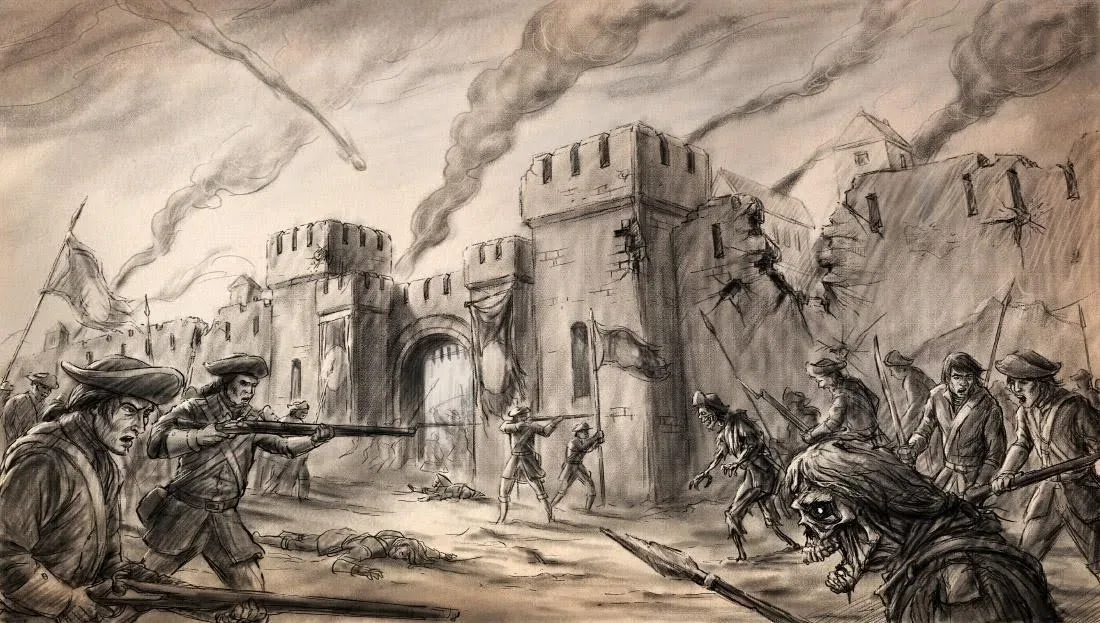
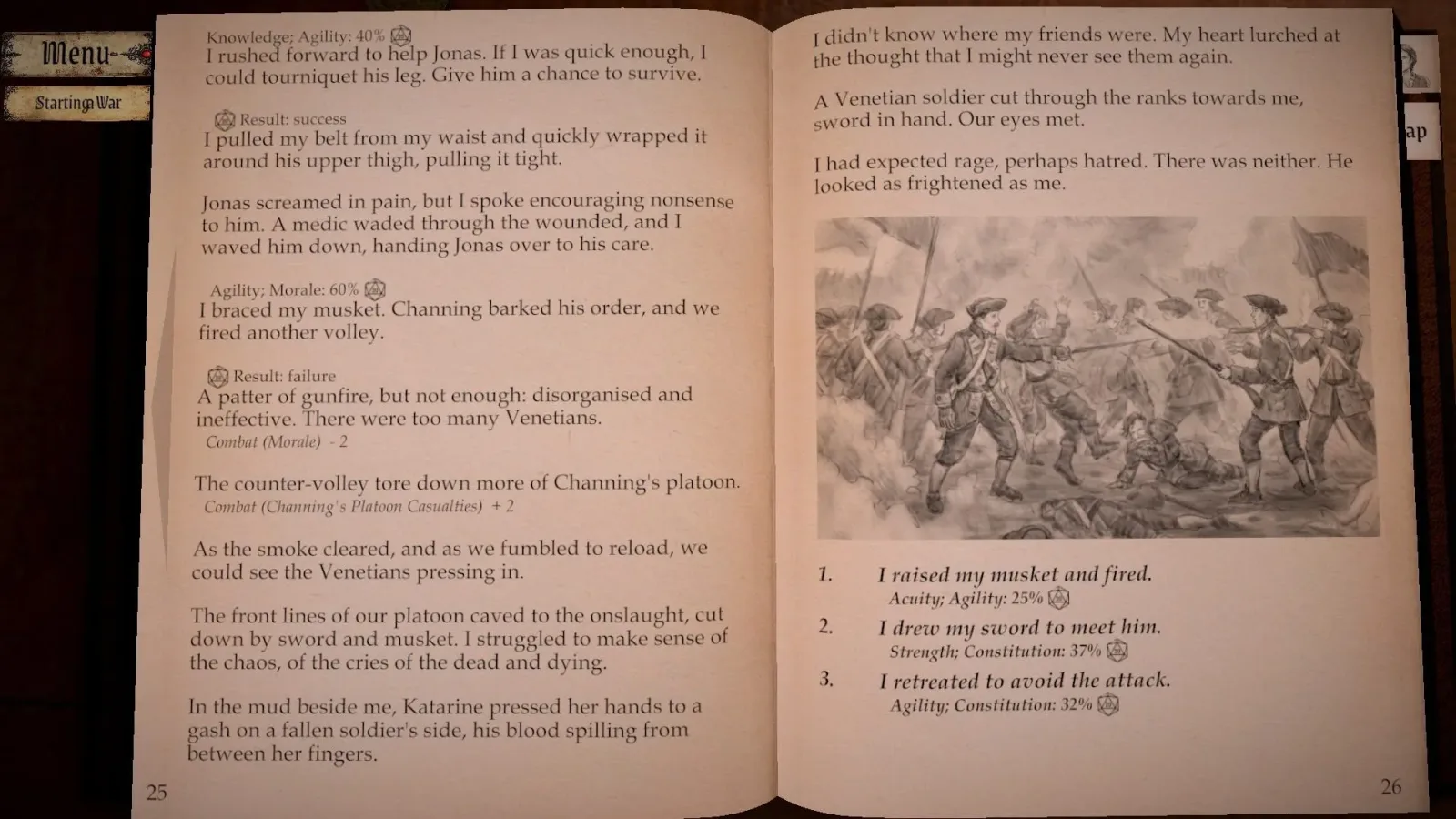
Combat in The Lich Wars is described as narrative-driven and inspired by tabletop games. Instead of presenting fights as a separate real-time action system, battles will unfold through hand-written prose and randomized critical-hit tables. The specific outcomes will therefore combine authored context with an element of chance, reflecting the unpredictability of violent encounters without abandoning the game's text-centered identity.
The scale of those conflicts will vary considerably over the course of the story. Players can expect personal duels and smaller skirmishes, but the game also plans naval engagements and full battlefield manoeuvres. That range matters for a protagonist whose service extends across two undead wars: the player may move from intimate confrontations with a rival or enemy to the broader responsibility of warfare involving formations, strategy, and the chaotic demands of a larger campaign.
The tabletop influence should also help connect combat to the wider RPG systems. Rather than treating a fight as an isolated test of reflexes, prose-led encounters can account for preparation, skills, prior choices, social standing, equipment, and the circumstances surrounding a battle. Critical-hit tables add variability, but the broader design appears intended to keep every clash rooted in the ongoing story.
That same approach could give weight to failure as well as victory. A bad outcome in a duel, a mistake during a skirmish, or a costly decision in a naval encounter may be meaningful because the story follows its lead character through decades instead of ending at one battle. The announcement does not outline every possible consequence, but the combination of branching fiction and a long military timeline makes the stakes of individual events a central part of the pitch.
A 3D book and painted tabletop scenes
Visually, The Lich Wars will present its branching narrative within a 3D book. Key moments are staged as hand-painted miniatures on a tabletop, a presentation that matches the game's interactive-fiction and tabletop-combat ambitions. Rather than attempting to frame every event through fully animated cinematic scenes, the art direction appears built to support reading, imagination, and the sense of handling a dark historical chronicle.
Psychic Software says the game will include hundreds of original illustrations, character portraits, and maps. These visual elements will accompany the text and provide important context for a world covering multiple wars, military operations, shifting relationships, and the broader geography of Rulsthen. Partial voice acting is also planned for major characters and selected narration moments.
The result is a format positioned somewhere between a digital storybook, a tabletop campaign, and a character-driven RPG. The visual approach may be particularly suited to the game's focus on memory and interpretation. A painted miniature scene and a piece of narration can leave room for the player to consider how an event is remembered, rather than presenting a single definitive cinematic account of every moment.
A stand-alone return to Rulsthen
Although The Lich Wars is connected to The Necromancer's Tale, Psychic Software has been clear that it does not require players to have completed or even played the earlier title. The prequel is intended to introduce its own story, characters, conflicts, and systems on their own terms. Veterans of the setting, however, will be able to encounter known characters earlier in their lives and learn more about the events that brought necromancy to Rulsthen.
That makes the game a potentially accessible entry point for players drawn to its musketeer premise, its Venetian-adjacent alternate-history setting, or its unusual blend of Gothic fiction and military RPG storytelling. It is also an opportunity to explore questions that reach beyond the supernatural threat itself: what progress demands, who bears responsibility for dangerous knowledge, and how a society tries to justify the violence carried out in the name of war.
The Lich Wars has been announced for PC through Steam, with no release date provided. As development continues, the game's combination of branching prose, skill-based choices, miniature-staged scenes, and conflicts ranging from duels to sprawling undead wars gives it a distinct place among story-first RPGs to watch.
Community
Discussion
Start the conversation.
No comments have been posted yet.