

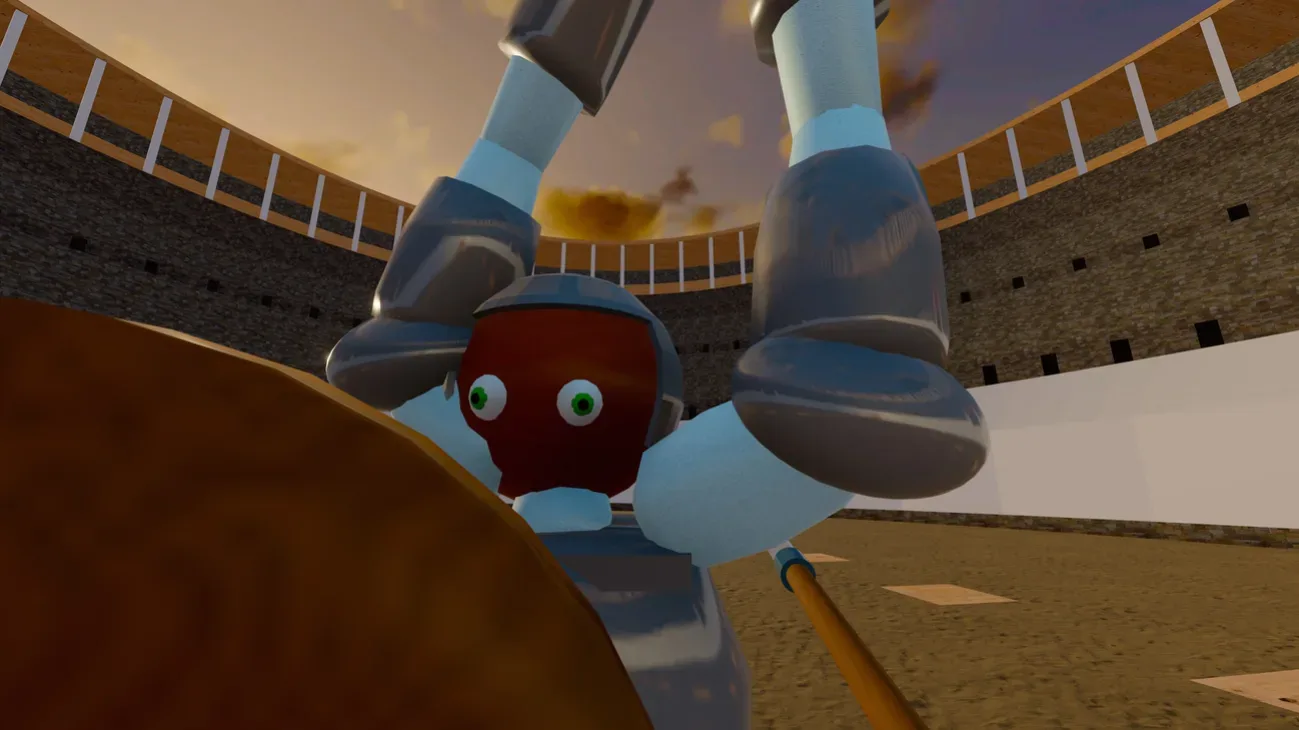
The Joust has passed a substantial early-development milestone. The Joust Development Team says it has delivered more than 100 updates in fewer than 100 days, following four months of work on the physics-focused combat game. The latest period of development has also included a broad overhaul of the game's engine and graphics, intended to improve both performance and visual presentation.
The project is available on Steam and is currently offered for $1. Its update cadence has been notably aggressive for a small independently developed game, with the team framing the recent work as a combination of foundational technical changes and additions requested by its community. That mix matters for a game built around broad player choice: The Joust features more than 100 playable classes, multiplayer modes for groups of different sizes, and in-game tools intended to let players make their own stages, campaigns, weapons, and abilities.
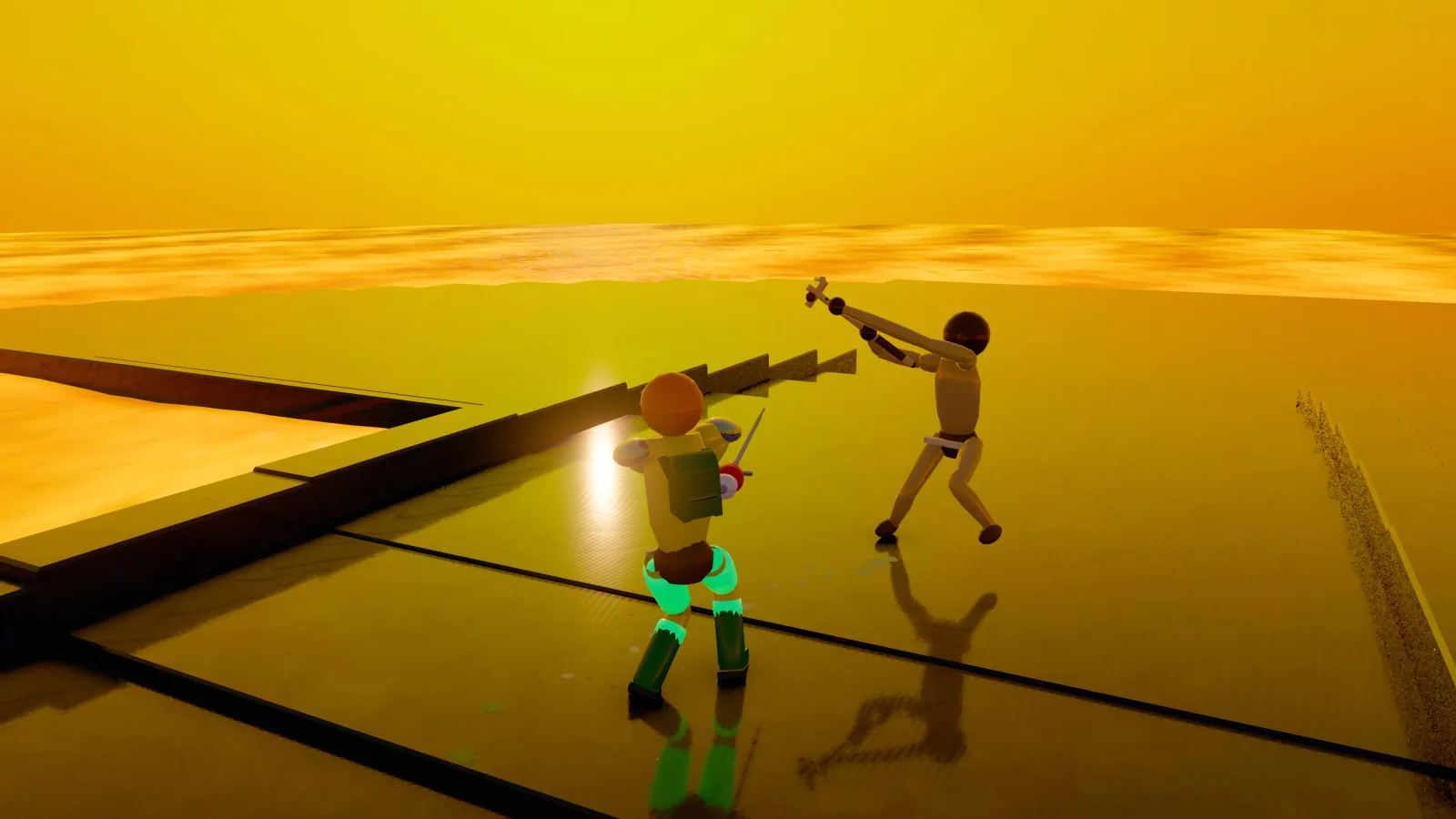
Rather than treating the engine work as a separate technical exercise, the development team has positioned it as part of an effort to make the overall experience run better while enhancing how it looks. Performance improvements can be especially meaningful in a game that supports large multiplayer sessions, split-screen play, physics interactions, and user-made content. The team also lists support for integrated graphics, potentially widening the range of PC hardware capable of running the game.
A fast update pace after four months
Reaching more than 100 updates in under 100 days is not necessarily a measure of the size of every individual patch, but it does illustrate a sustained iteration cycle. For players following a work-in-progress game, that kind of cadence can mean fixes arrive quickly, features are adjusted frequently, and feedback has a more immediate path into development. It can also mean that the game is changing rapidly as its systems are refined.
For useful background on this topic, read Where the Seeds Fall Descends onto PS5, Steam and Nintendo Switch 2.
The Joust Development Team specifically points to community-requested additions among the work completed so far. That is a natural fit for a game with multiple ways to play and build. Players engaging with competitive combat may identify different priorities from co-op groups, local split-screen users, or creators experimenting with custom content. Regular patches give the developers room to respond to those needs while continuing to revise the project's underlying technology.
The new engine and graphics overhaul stands out from routine balancing or content updates because it touches the game at a more fundamental level. Engine changes can affect rendering, loading, responsiveness, stability, and the way a title handles a variety of hardware configurations. The announcement does not provide a detailed technical breakdown of the overhaul, so it is not yet clear precisely which systems have been replaced or reworked. What is confirmed is the intended outcome: stronger performance and improved visuals.
For a physics-based game, dependable performance is more than a cosmetic concern. Physical interactions need to be readable for players to understand why a hit landed, how a collision changed a fight, or where momentum carried a character. In multiplayer, smooth performance is also important to keeping encounters understandable when several players and effects share the screen. The engine work could therefore support the core combat experience as well as the presentation surrounding it.
For another perspective on this story, read The Joust Passes 100 Updates With Engine and Graphics Overhaul.
Physics combat and a class roster of more than 100
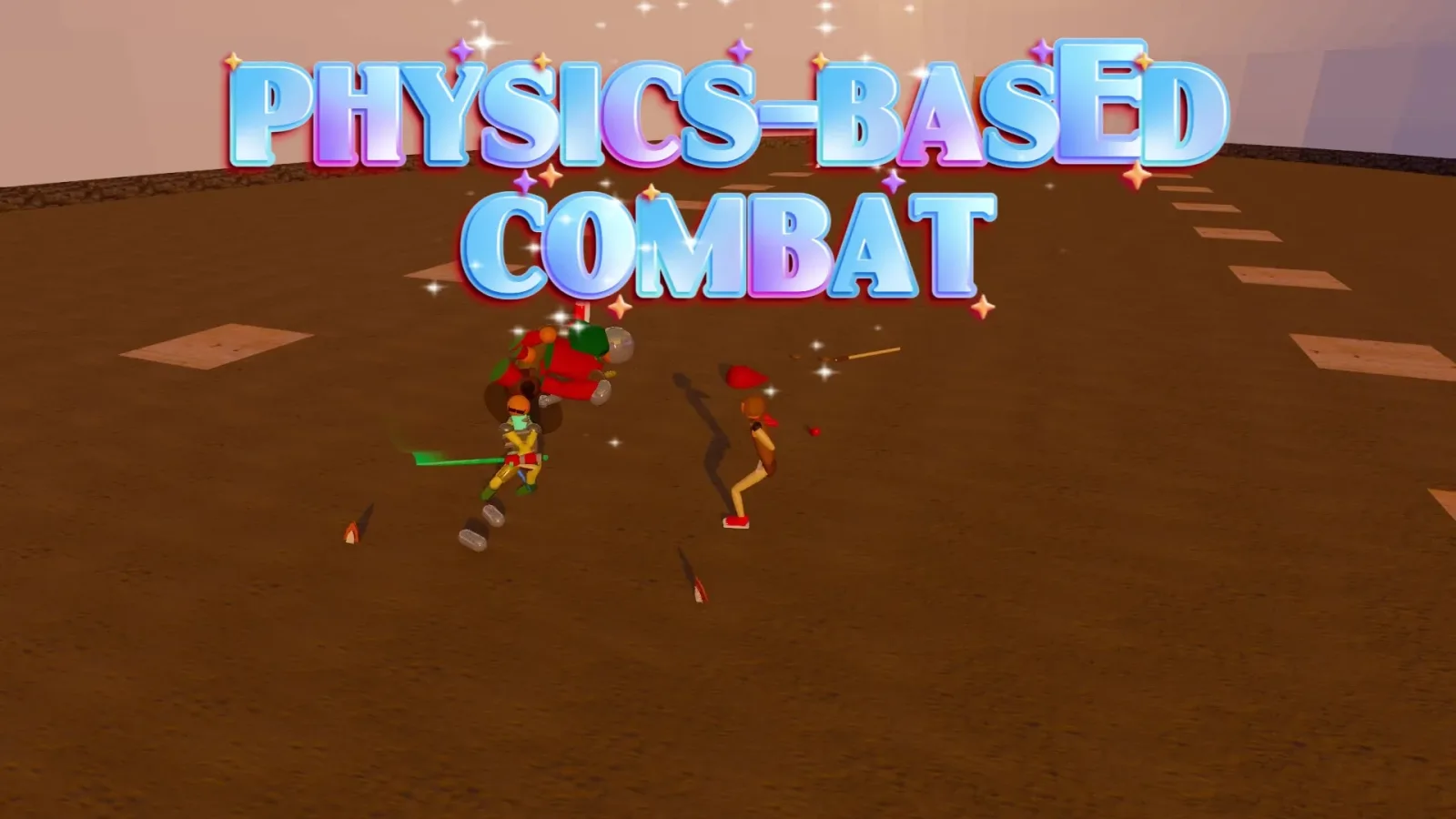
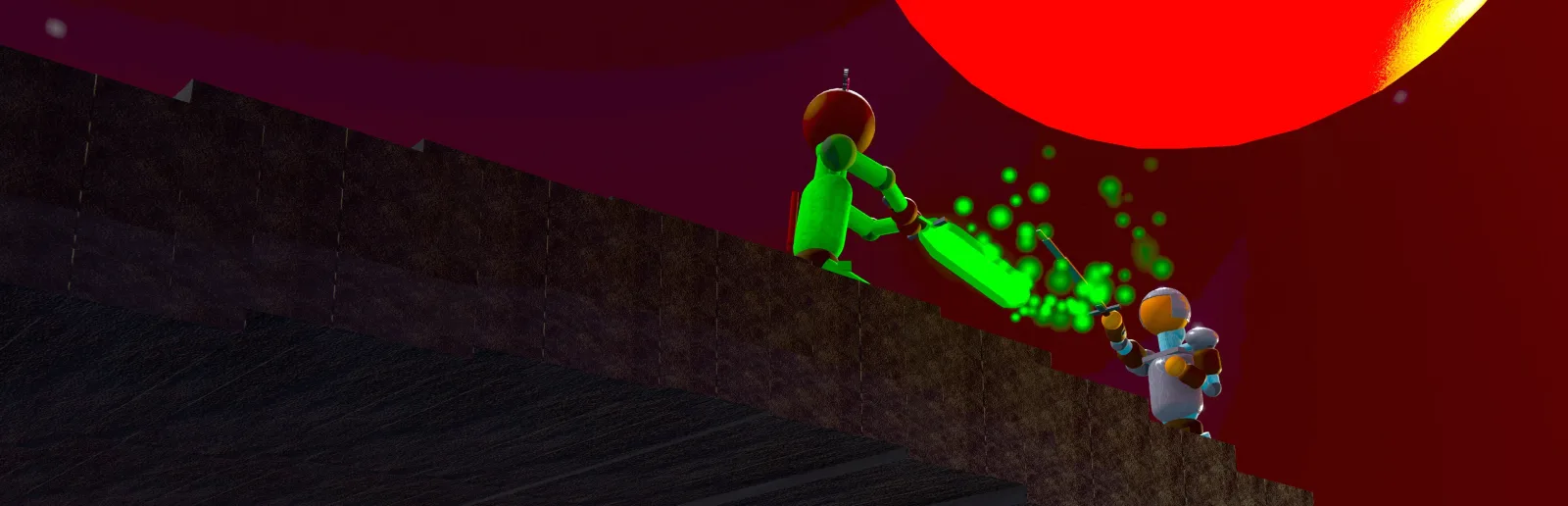
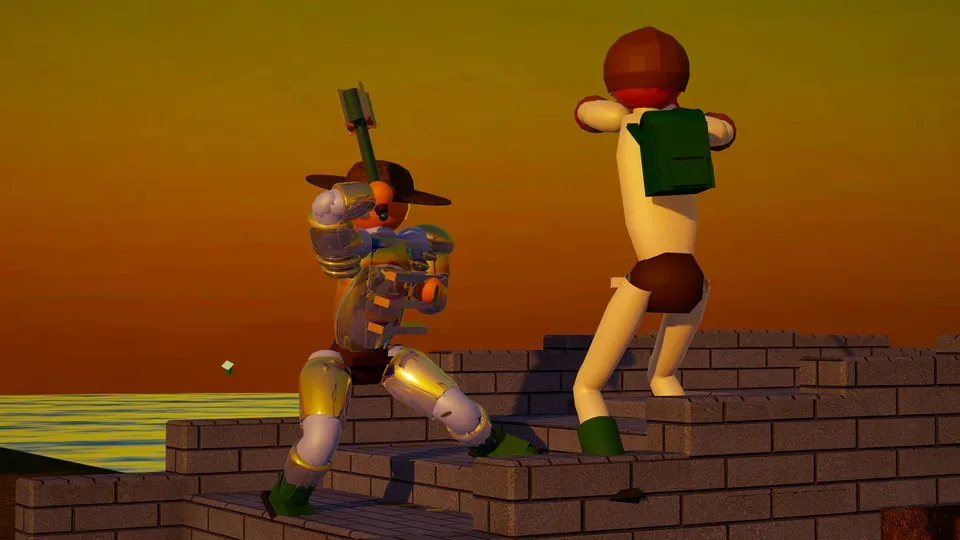
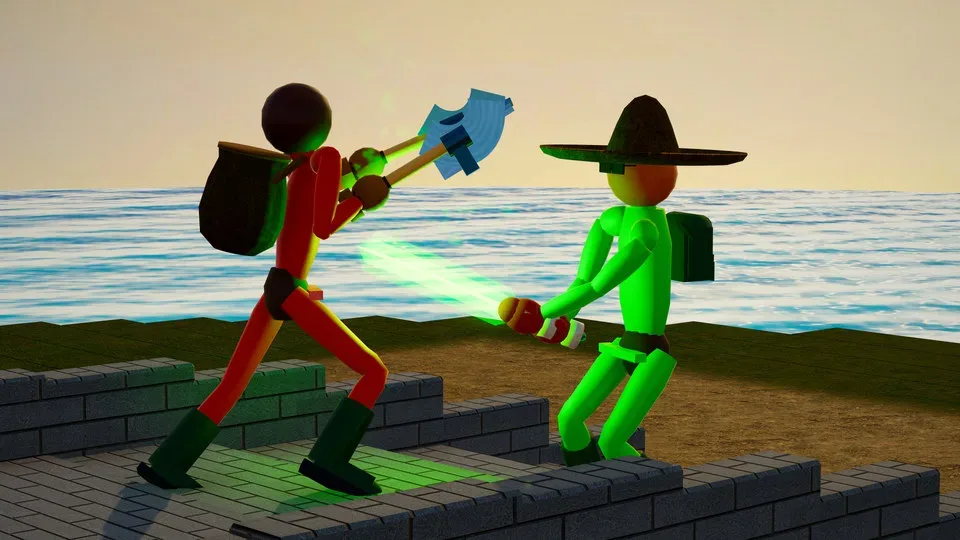
At the center of The Joust is physics-based combat. While the team has not outlined every mechanical detail in this update, the description signals that movement, contact, and weapon interactions are designed to play a meaningful role in battles. That approach can create encounters that feel less rigid than a conventional fixed-animation fighter, with positioning and the consequences of each action becoming central considerations.
The game's scale is also defined by its playable class selection. The Joust includes more than 100 classes, each described as having distinct weapons, attributes, and abilities. A roster of that size opens the door to a wide range of playstyles. One class might be selected for its weapon handling, another for its particular abilities, and another for the attributes that shape its movement or resilience. The stated differentiation suggests the class system is meant to offer more than visual variation.
That variety has implications across every supported mode. Competitive players can experiment with matchups and look for classes that suit their preferred approach. Co-op groups can potentially assemble complementary lineups. Creators using the game's editing tools may have a large selection of starting points when designing scenarios. At the same time, a roster with so many options creates an ongoing balancing challenge, making the game's frequent update schedule particularly relevant.
It is worth noting that the announcement does not identify new individual classes in the current update. The headline news is the cumulative development milestone and the technical overhaul, rather than the debut of a named combatant or a detailed balance pass. Players looking for the exact contents of each patch can find update logs and community discussion through the Steam Community Hub.
Multiplayer from local split-screen to 20-player sessions
The Joust supports multiplayer for as many as 20 players. That upper limit puts the game in a space where small-group skirmishes and significantly more crowded sessions can both be part of its identity. Physics-driven combat can become increasingly unpredictable as player counts climb, and a larger lobby size may make class variety even more noticeable as different weapons and abilities converge in the same match.
Alongside its broader multiplayer support, the game includes co-op for up to eight players. This gives The Joust a collaborative option in addition to direct competition, though the announcement does not specify the exact objectives, mission structures, or campaign types available in co-op. The eight-player figure nevertheless suggests that the game is built to accommodate groups larger than the familiar two-to-four-player format found in many action games.
There is also four-player split-screen support. Local multiplayer remains a meaningful feature for games centered on immediate action, and split-screen can make The Joust an option for players sharing the same PC rather than requiring every participant to use a separate system. Supporting four players on one screen, while also offering larger online-style multiplayer capacities and integrated graphics support, underscores why optimization has been a key point in the team's development update.
These modes give the project a flexible social profile. Players can approach it as a local party game, a cooperative activity for a larger group, or a competitive multiplayer game capable of handling a much bigger gathering. The announcement does not clarify how all modes intersect, nor does it detail networking features, matchmaking, or cross-platform play. Steam is the only platform named for the game, and no other platform releases have been announced.
Creation tools are a major part of the package
Beyond the playable classes and multiplayer options, The Joust includes a set of in-game modding tools. The available suite consists of the Stage Builder, Campaign Builder, Weapon Builder, and Ability Editor. Together, those tools indicate an ambition to let players reshape not only where battles happen but also the equipment, powers, and scenarios that define them.
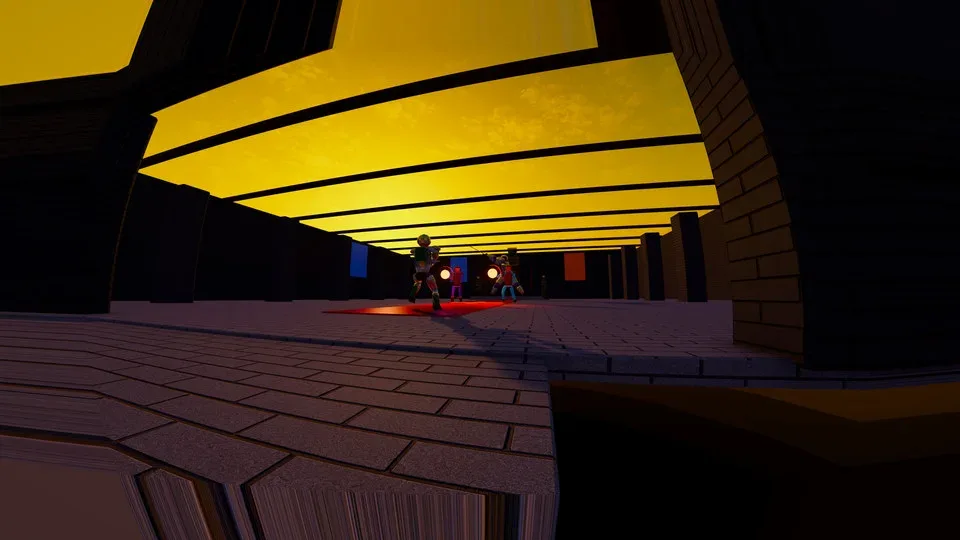
A Stage Builder can give creators control over the spaces in which physics interactions take place. In a game where contact, movement, and weapon behavior matter, an arena's layout can substantially alter the feel of an encounter. The Campaign Builder extends the creative focus beyond individual arenas, potentially enabling players to construct sequences of content rather than isolated matches.
The Weapon Builder and Ability Editor could add further layers of experimentation. Giving users the capacity to make or modify tools of combat and character powers can broaden the game well beyond its default class roster. It also means community creations may become an important source of variety over time, particularly if creators use the builders in combination: custom stages, a linked campaign, specialized weapon setups, and tailored abilities could all support distinct gameplay ideas.
The announcement does not state how sharing, moderation, compatibility, or discovery for player-made creations works, so those practical details remain unclear. Still, the presence of native editing tools is significant. It gives the game a creator-oriented dimension that complements its rapid update cycle and community-requested features. A responsive development process and an active building community can reinforce one another, with player experiments revealing new possibilities and pain points for future patches.
What the update means for Steam players
For current players, the immediate takeaway is that The Joust has received a major round of technical attention while continuing to accumulate updates at a rapid pace. The team's claims point to performance and visual improvements, but individual experiences can vary depending on a PC's hardware and the mode being played. Integrated graphics support is particularly notable for players using less powerful systems, although no minimum or recommended specifications were provided in the announcement.
For prospective players, the game's $1 price and broad feature set make its current pitch easy to understand: a physics-combat game with a huge class count, multiplayer for up to 20 players, eight-player co-op, four-player split-screen, and a substantial set of creation tools. The continuing flow of updates means interested players should expect an evolving game rather than a static package.
The Joust Development Team has not provided a roadmap, a next update date, or a detailed list of future additions alongside this milestone. For now, the team is emphasizing the work already completed: more than 100 updates in fewer than 100 days, a rebuilt engine and graphics foundation, and a growing set of features shaped in part by player requests. Steam players can follow the game's update logs and community conversations for the most granular picture of what changes from patch to patch.
Community
Discussion
Start the conversation.
No comments have been posted yet.