

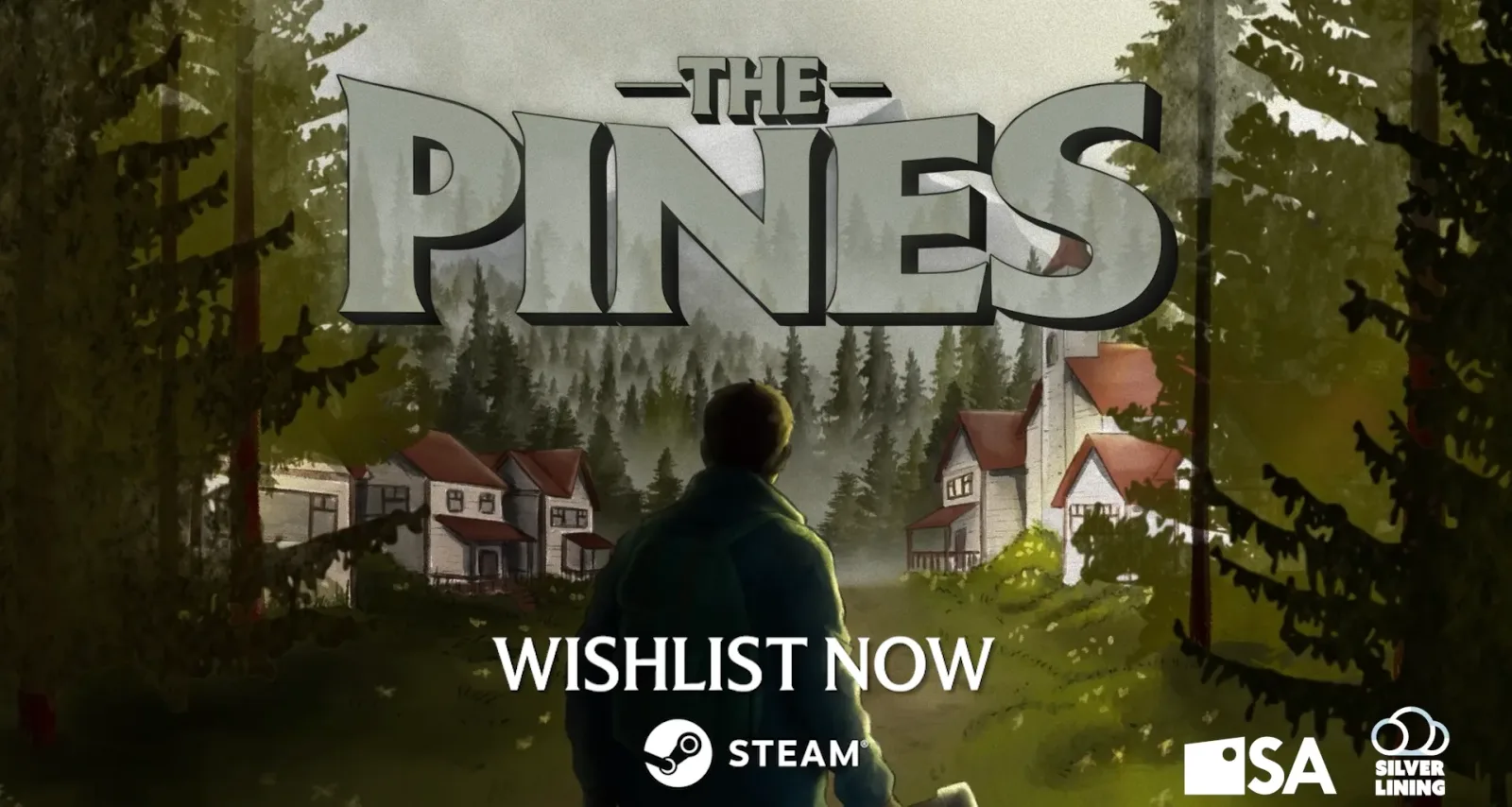
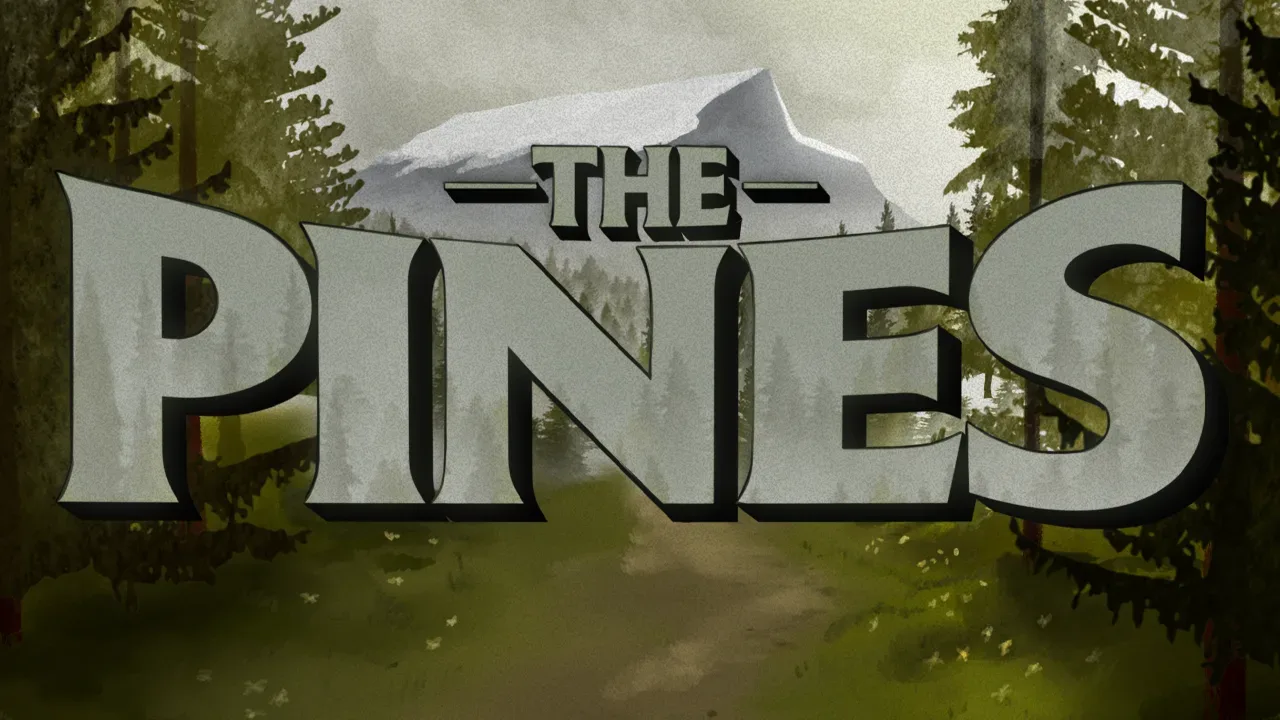
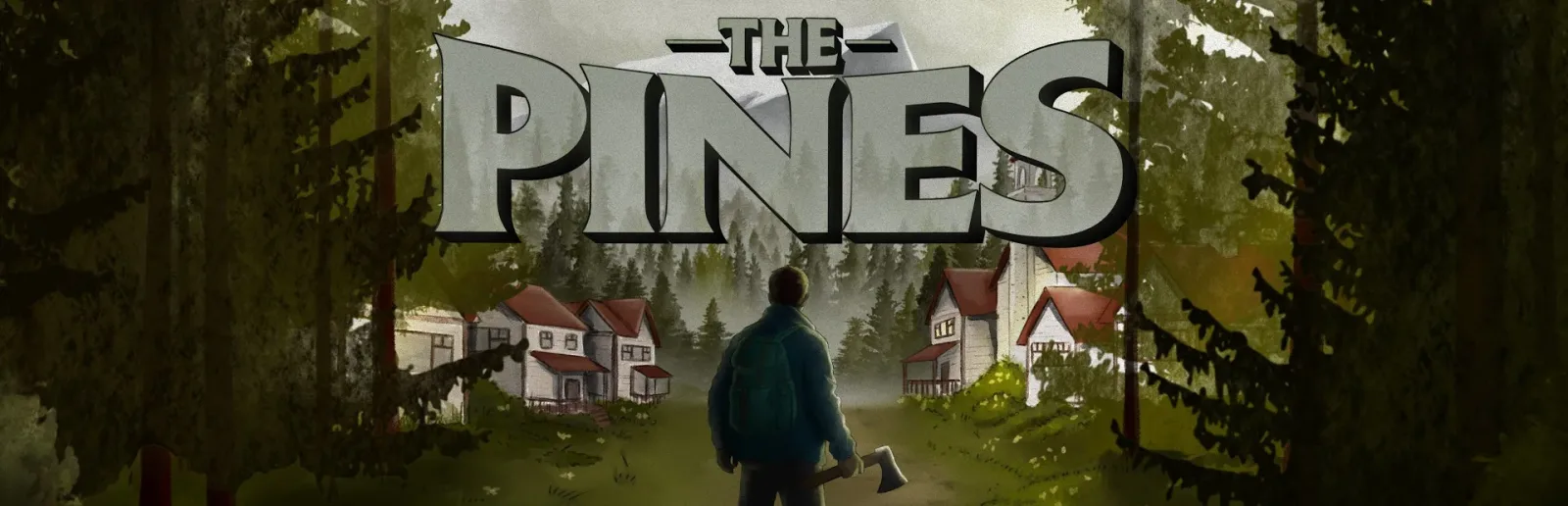
Silver Lining Interactive has entered a global publishing partnership with Studio Abattoir for The Pines, a psychological horror RPG centered on an isolated wellness retreat, an unresolved case, and the dangerous consequences of digging too deeply. The agreement was announced in Macclesfield, UK, on October 7, 2026.
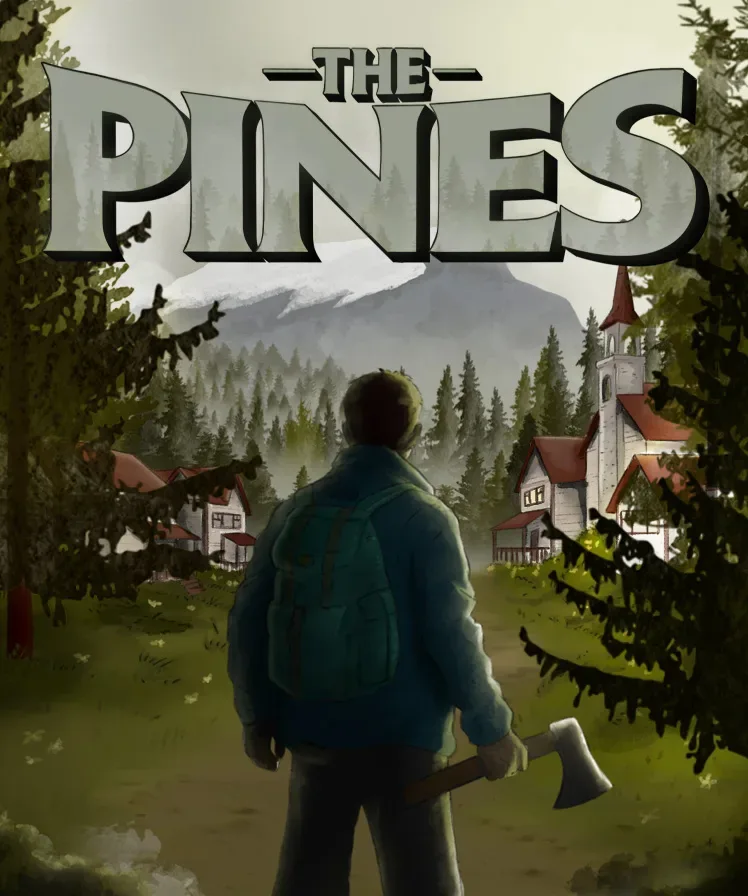
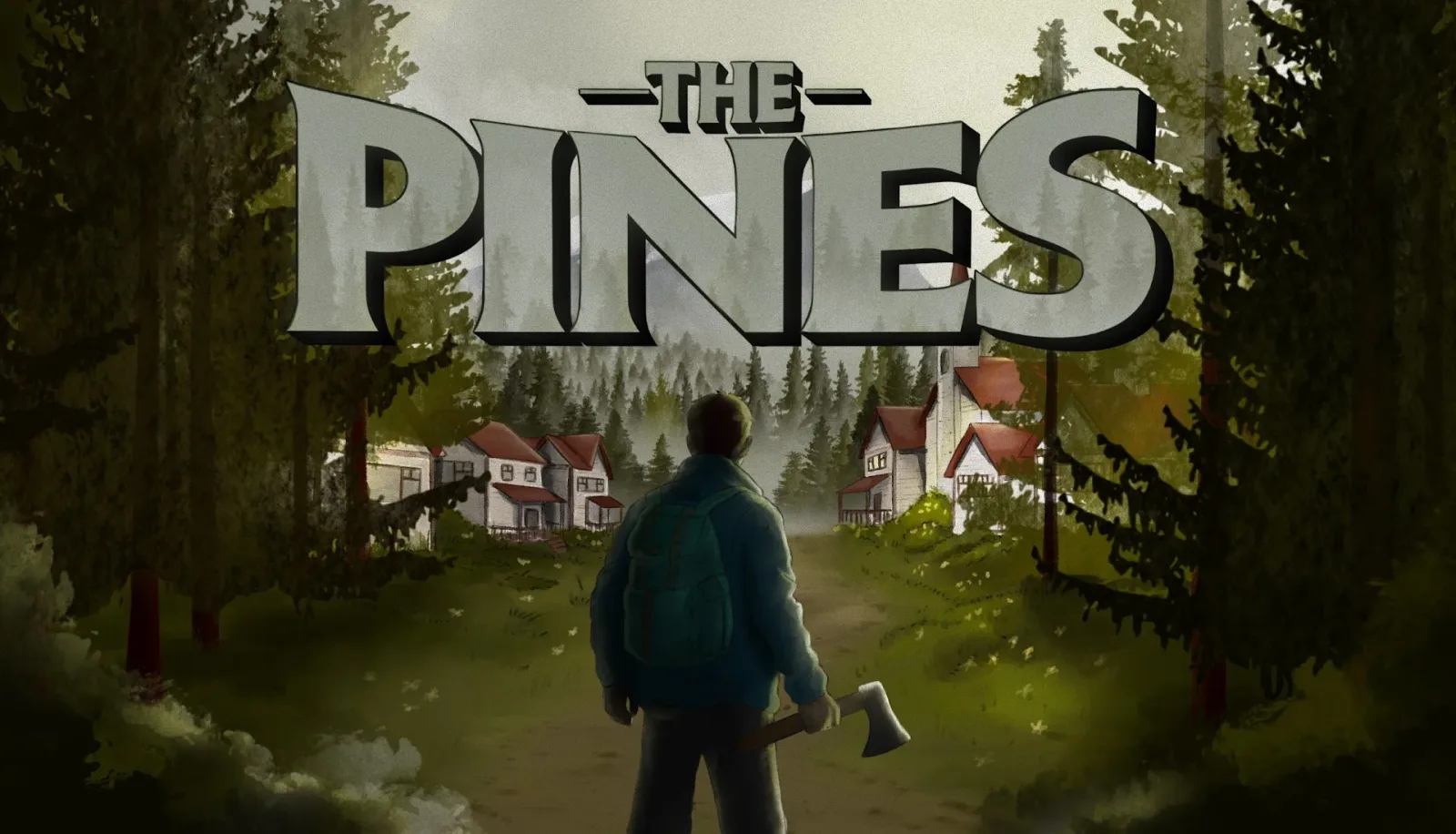
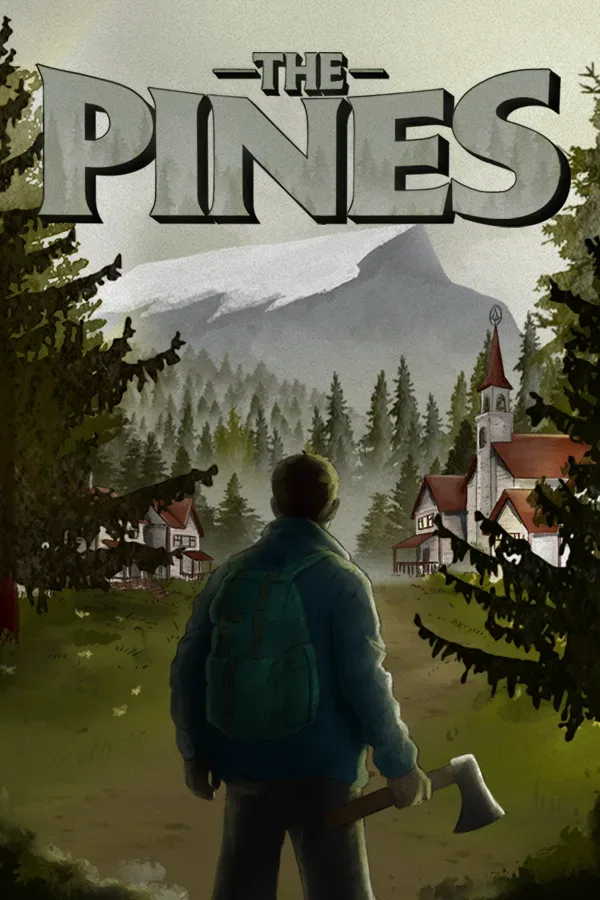
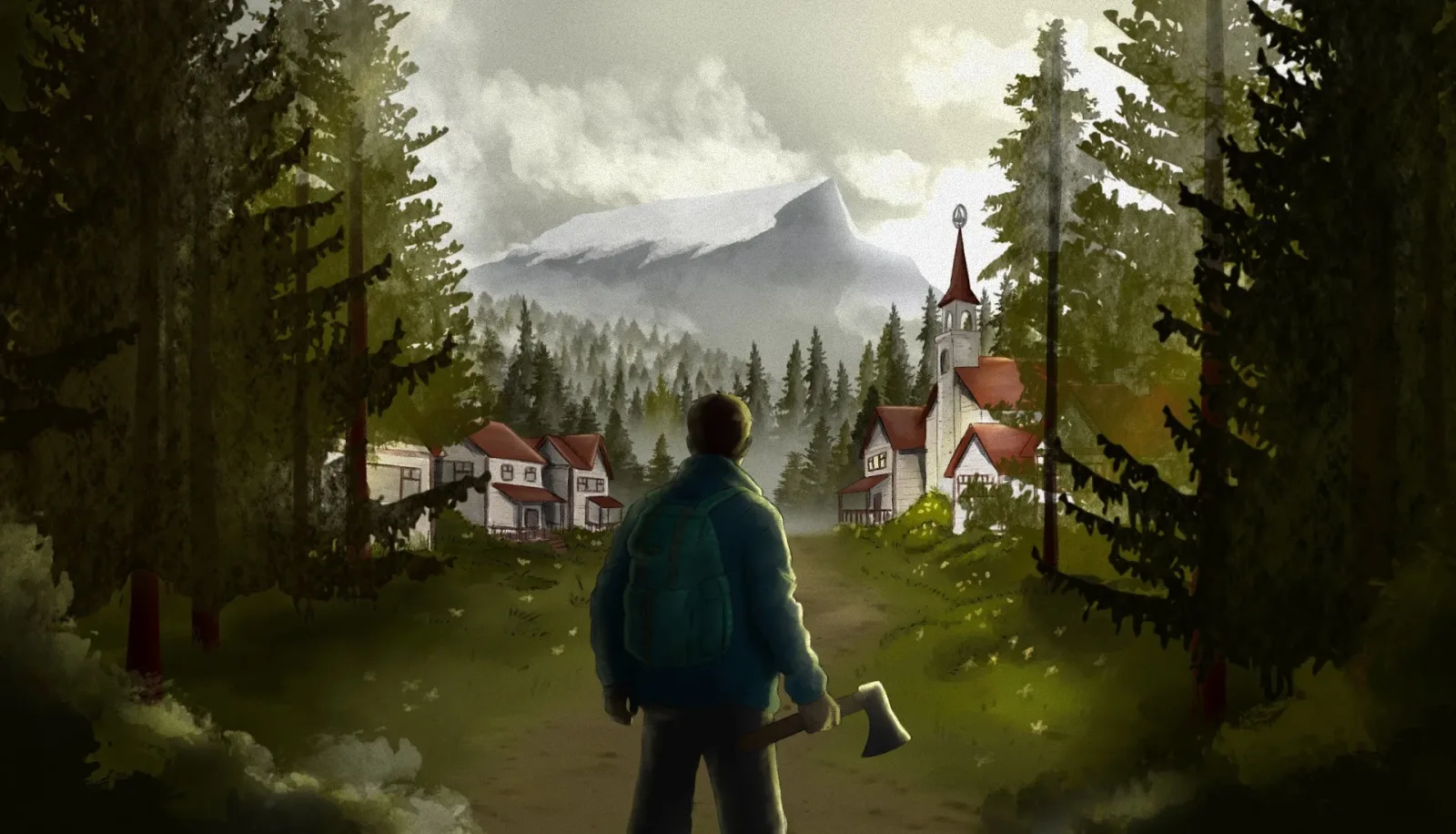
Developed primarily by Studio Abattoir founder Kevin Jochems, The Pines places players in the role of Edward Walker, a former detective described as burnt out after a cold case. Seeking some form of recovery, Walker travels to a secluded therapy retreat. Its quiet, restorative image does not last. A broader conspiracy sits beneath the retreat's outward calm, and the setting turns deadly as Edward investigates its residents, the nearby forest, and the secrets connecting them.
The announcement establishes a publisher for the project, while presenting a clearer picture of the game's intended mix of exploration, role-playing decisions, survival pressure, and psychological horror. No platforms, release window, or pricing details were included with the partnership news.
A retreat built around unease and investigation
The premise of The Pines puts its central character in a setting that is designed to feel contradictory. A therapy retreat should suggest isolation, reflection, and safety; here, those same qualities can become unnerving. Edward arrives carrying the emotional weight of an old investigation, then finds himself in an environment where the people around him and the woods beyond the retreat may be tied to something far more sinister.
For useful background on this topic, read Bit Reactor Says Furloughed Star Wars Zero Company Developers Are Beginning to Return.
Players will be expected to investigate rather than simply move from one scripted encounter to another. Studio Abattoir describes the structure as an open-world investigation, with the forest and retreat operating as spaces where clues, encounters, and risks can be pursued in different ways. That framework is especially important to the game's horror ambitions. In a conventional linear sequence, players may know that the next scare is waiting just beyond a door. An investigation-driven structure can instead make deciding where to go, whom to question, and what to pursue part of the tension.
Edward's detective background also gives the story a natural reason to focus on observation and suspicion. The cold case that precedes his retreat visit appears to be a defining element of his character, but the announced details do not specify its victims, circumstances, or direct connection to the conspiracy. What is clear is that the game will ask players to uncover hidden information while trying to survive an increasingly hostile situation.
"You find yourself in this deeply unsettling world, and you buy into the reality of it instantly. It takes maybe three seconds before the panic sets in and you realize you have to get out. From there, it's just paranoia, gut-wrenching horror and brutal consequences," said Ross Griffith of Silver Lining Interactive.
For another perspective on this story, read The Pines gets global publisher as its therapy retreat horror puts choices and stalkers at the center.
Choices are meant to leave a mark
Choice-driven systems are at the center of the announced design. Decisions made as Edward Walker are intended to shape his version of the story and influence the lives and eventual fates of the retreat's residents. Those choices may create allies, turn people into enemies, and produce longer-term repercussions.
That approach gives the game's social interactions a potentially important role beyond dialogue flavor. In a horror RPG, the difference between earning someone's trust and provoking them can alter the player's access to information, assistance, and safety. The stated focus on lasting effects suggests that decisions will not necessarily be contained within a single scene. Instead, an early choice could affect how later confrontations unfold or who remains available when the retreat's danger escalates.
The concept also aligns with the game's psychological angle. Horror is often strongest when uncertainty has a personal cost, and a system where residents remember Edward's actions can make every interaction feel less disposable. Players may have to weigh the value of pressing for answers against the possibility of alienating the very people they need. The announcement does not outline a specific morality system, branching-ending count, or dialogue format, so the exact scope of those consequences remains unknown.
Studio Abattoir has framed the project around an intentionally unsettling idea: a self-help book brought to life. That notion fits the therapy retreat setting while hinting that the game's horror may draw from wellness culture, personal transformation, and language that promises healing while hiding something threatening.
"We built The Pines around a twisted premise: a self-help book came to life and it's just as bad, if not worse than you imagined -- it's absolutely horrifying, and all your choices might have unforeseen consequences," said Kevin Jochems, founder of Studio Abattoir.
Scarcity and timing shape combat
While investigation and decisions are major pillars, Edward will not be defenseless. Combat in The Pines is being designed around timing, awareness, and resourcefulness rather than abundant firepower. Firearms and ammunition are scarce, making every shot a consideration rather than a default answer to danger.
Melee tools will be more common. The revealed examples include bats and axes, and players will be able to dodge, parry, and strike during confrontations. This points toward close-range encounters where positioning and reaction matter, particularly when ammunition cannot be relied upon. It also helps preserve a survival-horror sense of vulnerability: possessing a weapon does not automatically mean a player is secure.
The distinction between rare guns and more available improvised or practical melee implements could encourage changing tactics as supplies shift. A player conserving ammunition may need to engage at close range, avoid a confrontation altogether, or make careful decisions about when an enemy is worth fighting. The announcement does not detail crafting, healing systems, inventory limits, enemy types, or difficulty options, so those parts of the survival loop have yet to be defined publicly.
The Stalker System could turn residents into recurring threats
One of the most notable announced features is the Stalker System. Certain retreat residents can become persistent threats when Edward provokes them or investigates them too aggressively. Once triggered, these stalkers may pursue him through the forests around the retreat, adding a continuing danger that is tied to the player's actions.
The idea could make the investigation structure more volatile than a standard quest system. Pursuing a lead may reveal crucial information, but it may also create an adversary who continues to influence exploration afterward. Rather than treating every character encounter as isolated, the Stalker System is intended to let some relationships transform into ongoing hazards.
Importantly, these threats are not presented as permanently unbeatable. Players can confront stalkers if Edward becomes strong enough. That creates a potential arc from fear and evasion toward preparation and retaliation, though it remains to be seen what progression systems determine that strength. Whether growth comes through equipment, resources, narrative choices, learned abilities, or a combination of those elements has not been announced.
Persistent pursuers have long been an effective horror tool because they disrupt the player's sense of routine. In The Pines, connecting that pressure to interpersonal choices could make the pursuit feel more personal. A stalker is not merely an obstacle placed in the woods; the premise is that they may be someone Edward antagonized, exposed, or pushed too far while searching for answers.
A small team with specialist contributors
Jochems is leading development of The Pines primarily on his own. The project also includes key artwork from Daphne Betten, along with motion-capture and voice contributions from Yaron Mesika. The announcement identifies those collaborators but does not provide further details about their roles, the game's cast, or the scale of its production.
Silver Lining Interactive's partnership gives Studio Abattoir a global publisher as the game continues to take shape. For players interested in horror experiences where investigation carries consequences, the combination of open-world exploration, scarce resources, close-quarters combat, and relationship-based stalking mechanics gives The Pines a distinct early identity.
For now, the most important unanswered questions concern where and when players will be able to play it. No launch date or platform list accompanied the publishing announcement. Still, the setup is clear: Edward Walker enters a retreat hoping to confront the aftermath of a cold case, only to discover that uncovering the truth may place him in greater danger than leaving it buried.
Community
Discussion
Start the conversation.
No comments have been posted yet.