

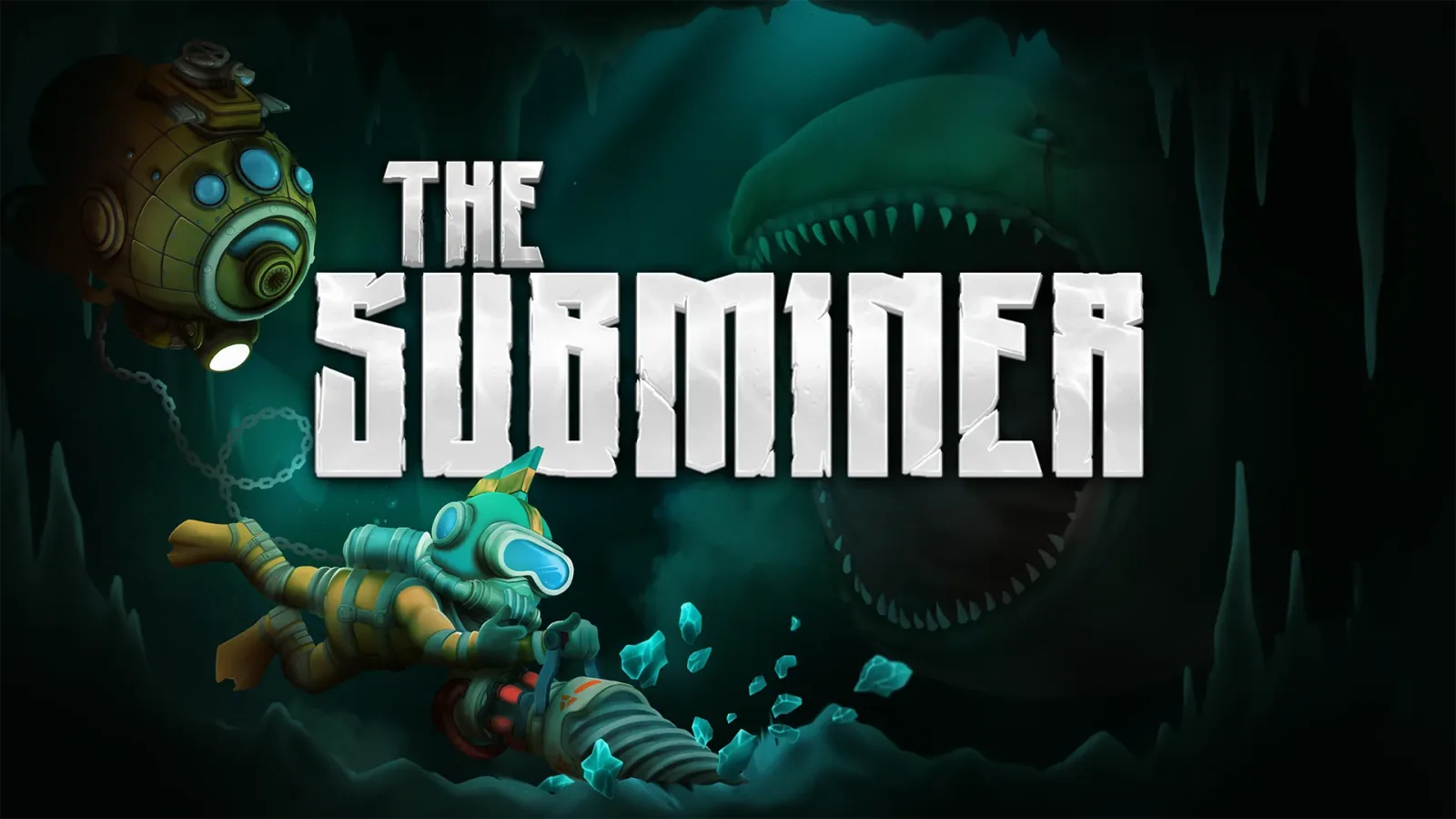
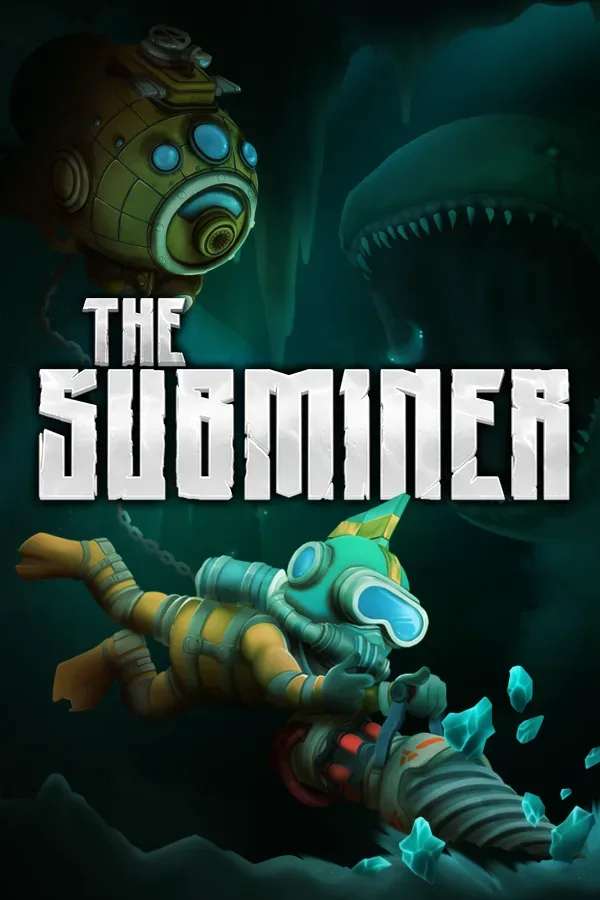
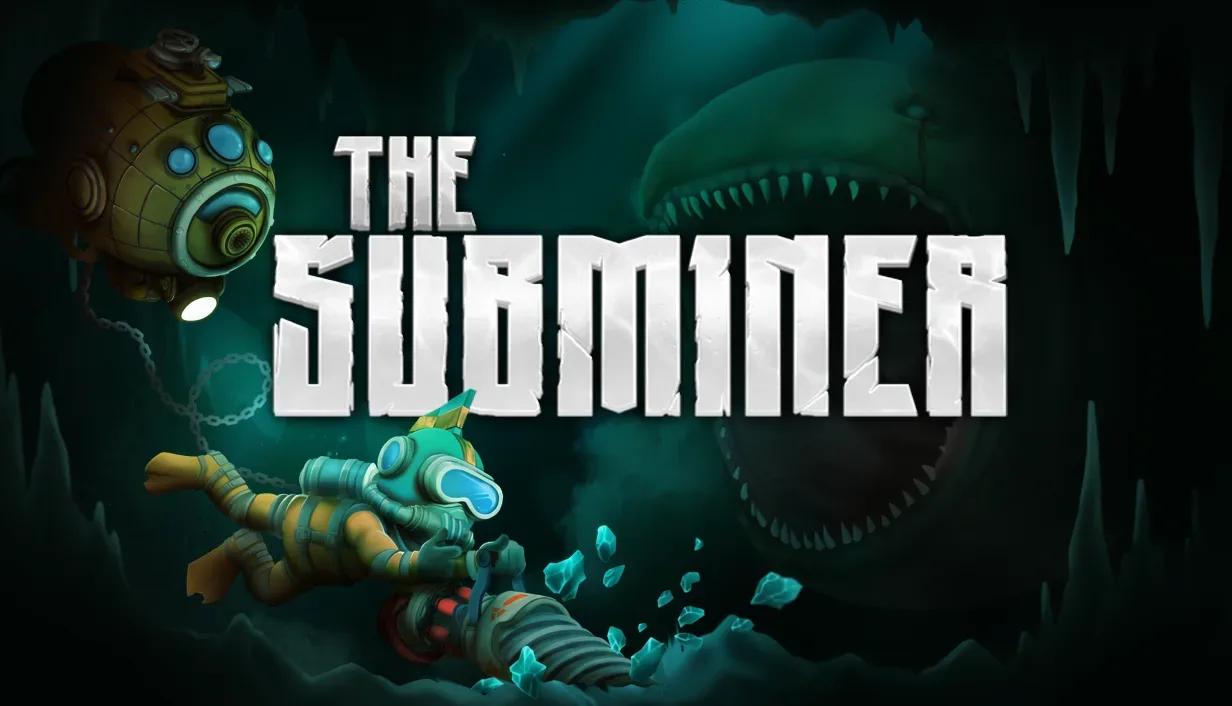
The Subminer is returning to Steam with a playable demo as part of Steam Scream V. Publisher Yogscast Games and developer Tech Turtles have confirmed that players can now try the upcoming underwater survival-exploration game on PC through Steam, following its previous appearance during Steam Next Fest.
The demo offers a first look at a game built around an especially unforgiving setting: an alien ocean located beneath the frozen outer crust of Enceladus. Rather than simply exploring its depths, players will need to cut a path through a destructible environment, extract valuable materials, preserve limited resources and decide when it is safer to turn back. The prospect of greater rewards sits alongside increasingly severe danger, giving The Subminer a high-risk, high-reward structure designed for repeated dives.
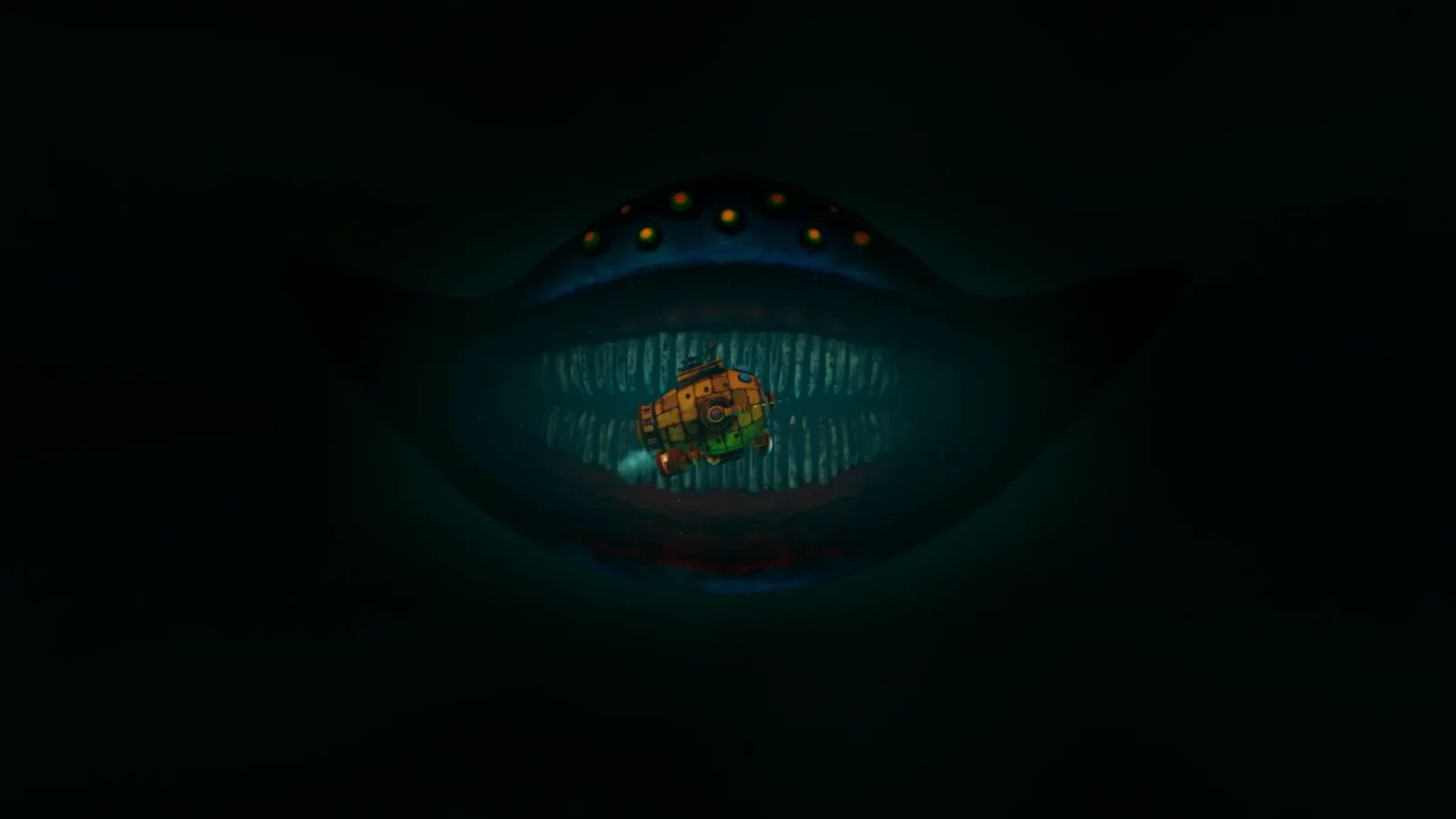
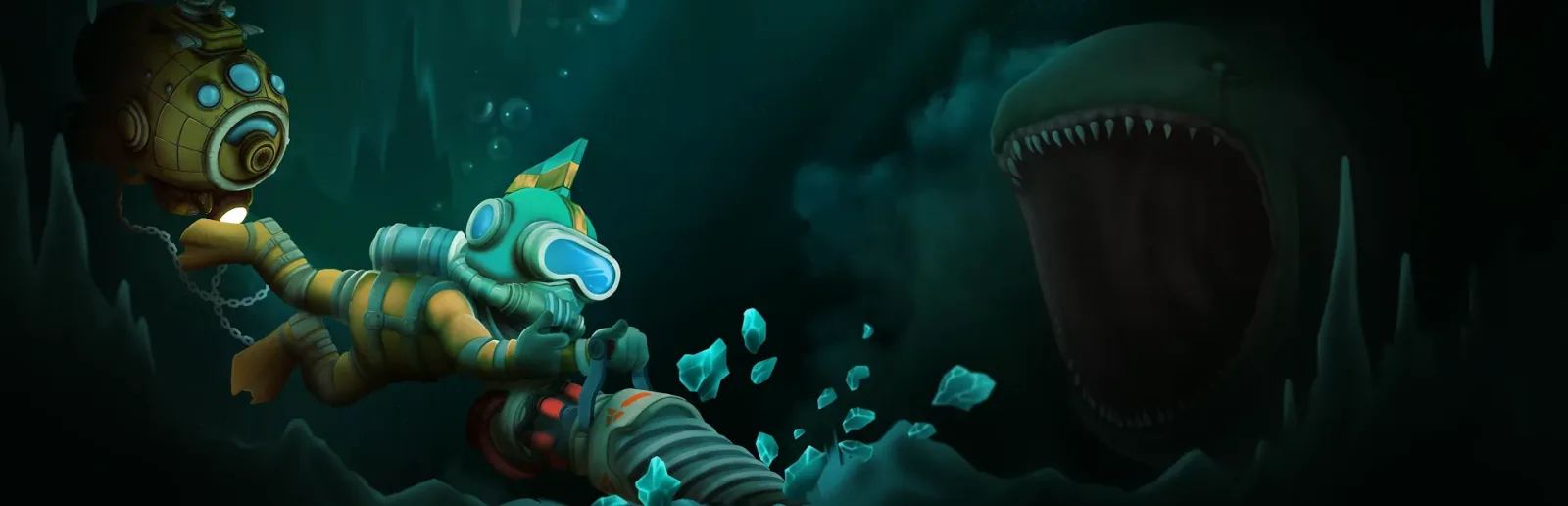
That premise places mining at the heart of the experience, but the game is not framed as a relaxed excavation adventure. Its underwater setting, constrained visibility and enclosed routes are intended to make every descent feel tense. Players are venturing into dark, unknown spaces where threats can come from the environment as much as from the creatures inhabiting it. Traps, corrupted enemies and bosses all stand between a successful run and a costly failure.
A roguelike dive beneath Enceladus
The Subminer combines several familiar genres into one loop. It is a survival game because resource management matters. It is an exploration game because each trip sends players deeper into an alien ocean. It also uses roguelike progression, with a run-based format that encourages players to learn from each attempt and gradually improve their capabilities for the next one.
For useful background on this topic, read Moonlight Peaks Swoops Onto PS5 on November 17 With a PlayStation Plus Trial.
The setting is a key part of that design. Enceladus is covered by an icy crust, leaving players to operate beneath a hostile frozen surface rather than in an open, sunlit sea. The available details describe an ocean that is procedurally generated and divided across three depth levels. That means the route downward is not simply a fixed sequence of tunnels to memorize. Players will need to react to changing layouts and make decisions based on the resources, obstacles and dangers encountered during a given dive.
Procedural generation can be particularly important for a game focused on mining and return trips. When the shape of the world shifts from run to run, the player's knowledge cannot rely solely on remembering where a particular reward or threat appeared last time. Instead, the central skill becomes reading the conditions of the current expedition: how far to push onward, what to collect, what equipment may be needed, and when the risks of another descent outweigh the potential gains.
That uncertainty is amplified by the breakable environment. Mining is not merely an interaction with marked resource nodes; it is part of navigating the world itself. Carving through the terrain can open possibilities, uncover materials and create routes toward deeper areas. At the same time, every choice to dig further can place the player farther from safety and closer to whatever is waiting in the darkness.
For another perspective on this story, read The Subminer Demo Is Now Available on Steam.
Mining, survival and the decision to go deeper
The Subminer's core appeal appears to lie in the pressure between ambition and survival. Valuable resources may be located beyond an obstacle, below a dangerous stretch of ocean or in territory occupied by hostile creatures. The player is therefore asked to assess the value of continuing a run rather than simply clearing an area. A successful expedition is not only about finding something useful; it is about bringing that progress back from the depths.
Resource management gives those choices weight. The announcement does not detail every survival system or individual item available to players, but it makes clear that supplies must be managed while exploring. This creates a natural tension within the roguelike loop. A player who uses too much to reach a distant objective may find the journey home considerably harder. Conversely, an early retreat can protect a valuable haul and help support future upgrades.
The three-depth-level structure also suggests an escalation in both opportunity and danger. Progressing farther into the ocean should not be treated as a straightforward march toward an endpoint. Each level represents another commitment to the dive, where the consequences of traps, hostile encounters and poor planning become more serious. For players who enjoy survival games with meaningful retreat decisions, that framework could be as compelling as the mining itself.
Bosses are part of the challenge as well. Their presence distinguishes the journey from a purely environmental struggle and gives the depths a more active sense of threat. Alongside corrupted creatures, bosses indicate that the ocean is not simply empty terrain waiting to be harvested. It is a place with escalating hazards that players must confront or navigate around while trying to preserve the resources required to continue.
Progress beyond a single run
Although individual dives are central to The Subminer, Tech Turtles is also building progression around the player's surface base. At the end of a run, players can upgrade their toolkit, allowing them to prepare for deeper expeditions. This kind of meta-progression can make even an unsuccessful or abbreviated attempt feel useful, provided it yields materials or knowledge that helps on the next dive.
The base itself can be rebuilt over time, giving the game a longer-term layer beyond its immediate survival challenges. Rather than functioning only as a menu between expeditions, the surface location is tied to the player's advancement. Rebuilding it provides a tangible expression of progress in contrast to the unstable, procedurally generated world below the ice.
Rescuable NPCs and side quests add another dimension to that structure. The available information does not identify the characters or explain the exact objectives involved, but their inclusion suggests that The Subminer will offer motivations beyond collecting materials and reaching a greater depth. Finding survivors, completing optional tasks and improving the base could give players several priorities to balance during and between their dives.
That broader framework matters because roguelike games are often strongest when repeated attempts deliver different forms of advancement. Some runs may be remembered for reaching a new depth. Others may be about recovering a needed resource, surviving an encounter with a corrupted creature, finding an NPC or collecting enough to improve a piece of equipment. The Subminer's systems are positioned to support those overlapping goals.
The demo arrives during Steam Scream V
The newly available Steam demo gives PC players an opportunity to see how those elements fit together before the game's full release. It arrives during Steam Scream V, an event suited to a game that leans into unsettling darkness, claustrophobic exploration and unknown terrors beneath the water. The setting's icy isolation and limited safety are likely to be as important to the atmosphere as the enemies themselves.
The Subminer previously appeared in Steam Next Fest, where it established early interest ahead of this new demo availability. For players who missed that earlier opportunity, Steam Scream V provides another chance to test its particular blend of excavation, survival pressure and roguelike progression. For those already familiar with the game, the demo's return offers a reason to revisit the descent into Enceladus.
What makes the project stand out is the way its systems reinforce its location. Mining through a breakable ocean floor is not separate from exploration; it is how exploration happens. Resource management is not an abstract checklist; it determines whether a profitable dive can become a safe return. Procedural generation is not only there for variety; it keeps the alien depths uncertain. And the base-building progression gives players something to work toward after the pressure of each individual run ends.
There is no full release date included with the demo announcement, so players interested in the complete game will need to wait for further details from Yogscast Games and Tech Turtles. For now, The Subminer demo is playable on Steam, inviting players to test how long they can endure beneath Enceladus's icy shell--and whether the rewards hidden deeper in the ocean are worth the danger required to reach them.
Community
Discussion
Start the conversation.
No comments have been posted yet.