

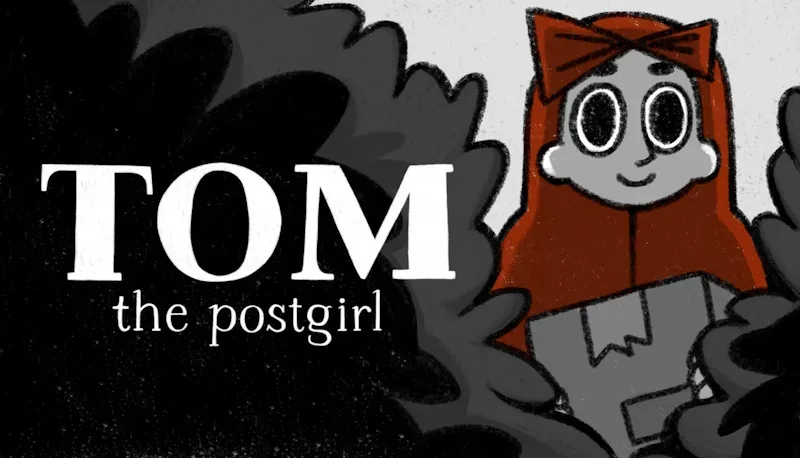
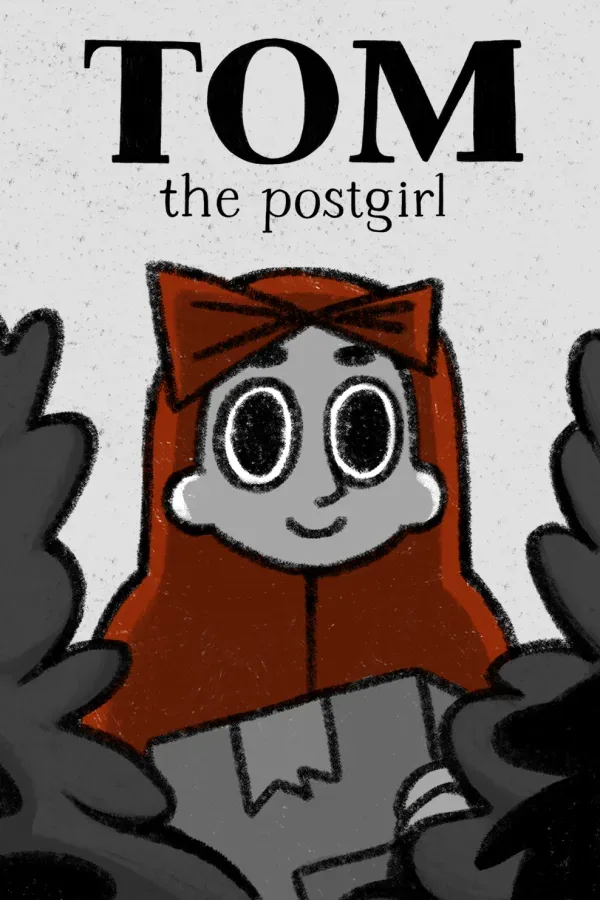
Tom the Postgirl, the creepy-cute single-player narrative adventure from Swiss independent developer Oopsie Daisies, is set to launch on October 29, 2026. The game will be available on PC and Mac through Steam, alongside a Nintendo Switch release.
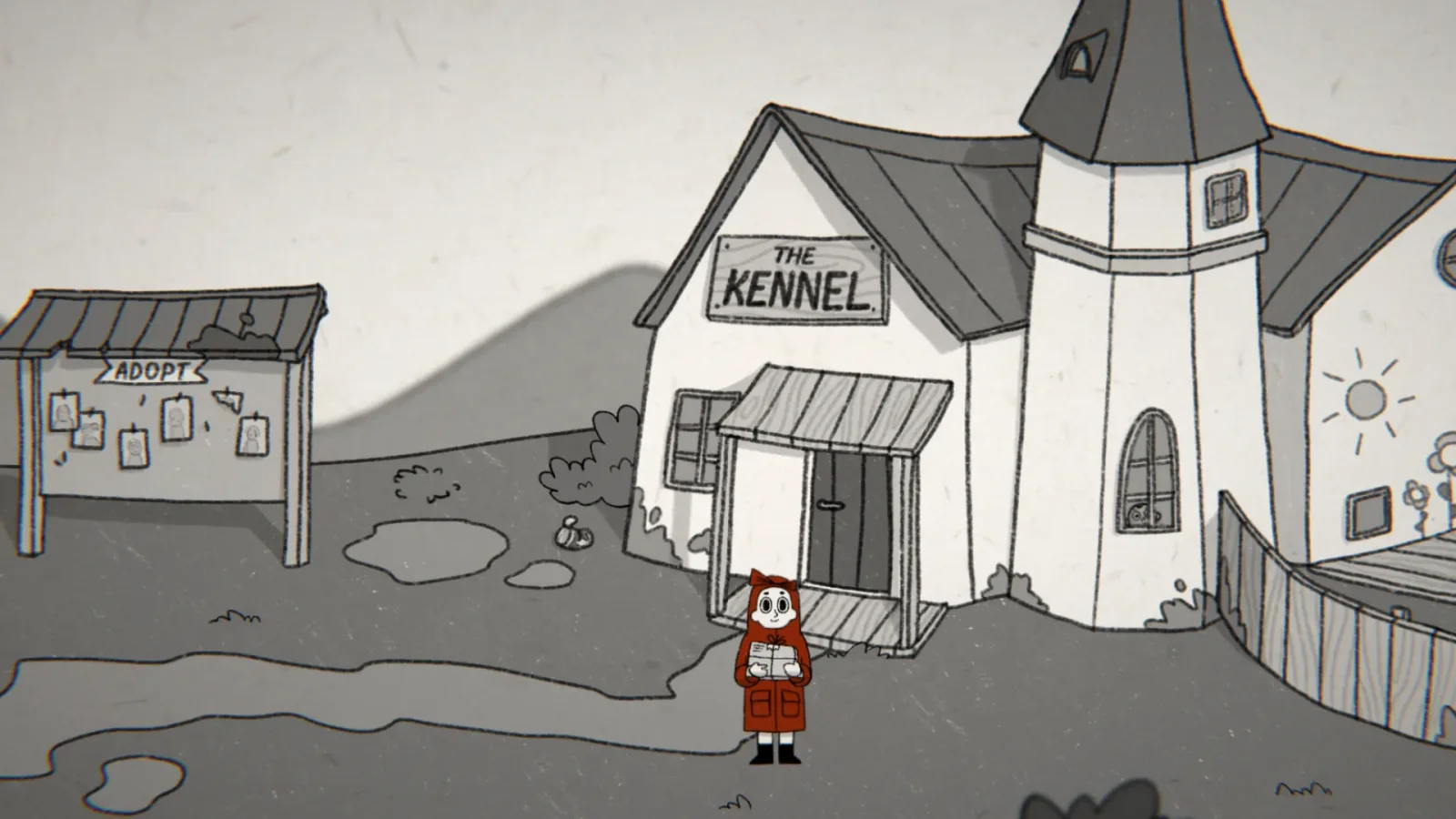
Co-produced by ARTE France and Oopsie Daisies, with ARTE France handling publishing, Tom the Postgirl places players in the shoes of a mischievous young postal worker on her rounds through a seemingly charming village. Behind its inviting hand-drawn scenery, however, the village is full of private dramas, peculiar routines, hidden spaces and darkly funny situations waiting to be uncovered.
The announcement gives the adventure a firm release date after appearances at events including the Swiss Game Awards, Summer Game Fest Day of the Devs and Ludonarracon. It also outlines a game built less around traditional combat or action challenges than careful observation, subtle interference and the question of how far players are willing to go while keeping Tom's outwardly innocent image intact.
A postal route through a village with secrets
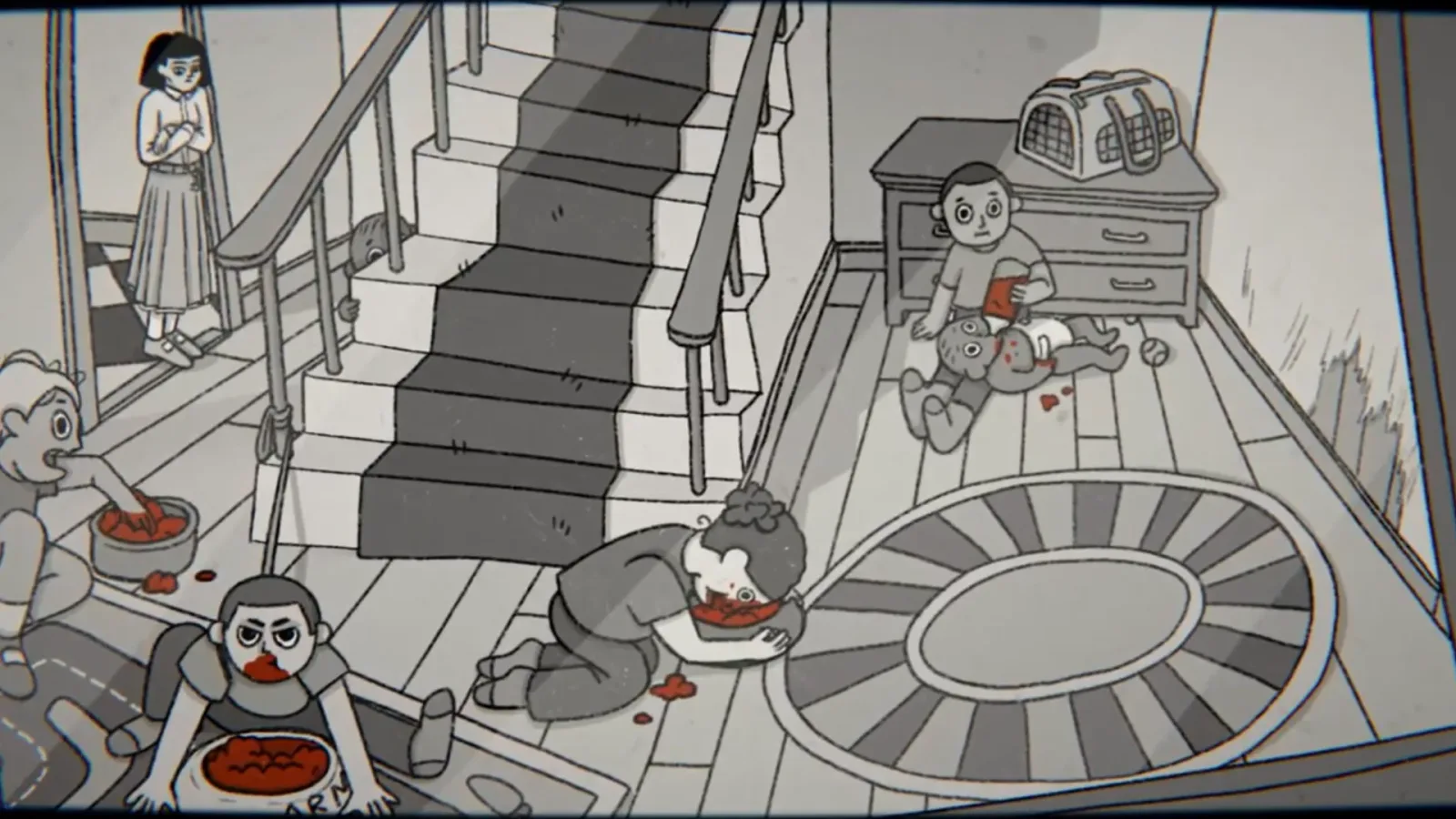
Tom's job is straightforward on paper: make deliveries to the people living around town. Yet the route doubles as an opportunity to learn what the residents would rather nobody saw. Players can peek through windows, doors, cracks and other small openings, turning ordinary homes and businesses into miniature scenes of suspicion, embarrassment and unsettling comedy.
For useful background on this topic, read Firva: Strings of Fate demo Opens Early Ahead of Steam Next Fest.
That setup gives Tom the Postgirl a distinctive perspective. Rather than presenting the village only as a collection of quest hubs, it encourages players to observe it closely. A delivery is not simply an errand to check off. It can become a reason to linger, examine a household's strange behavior or spot details that may only make sense later.
The game's tone is described as "creepy-cute," an approach reflected in the contrast between Tom's playful appearance and the more uncomfortable material she can uncover. The premise leans into a form of mischievous curiosity: players are invited to look where they perhaps should not, then decide whether to merely watch or become more directly involved.
That combination could make the adventure particularly appealing to players who enjoy compact narrative games that leave room for personal experimentation. The village is intended to feel inviting at a glance, but increasingly odd as its inhabitants and their secrets come into focus.
For another perspective on this story, read Tom the Postgirl Brings Creepy-Cute Mail Deliveries to PC, Mac and Switch on October 29.
Observation, stealth and a little chaos
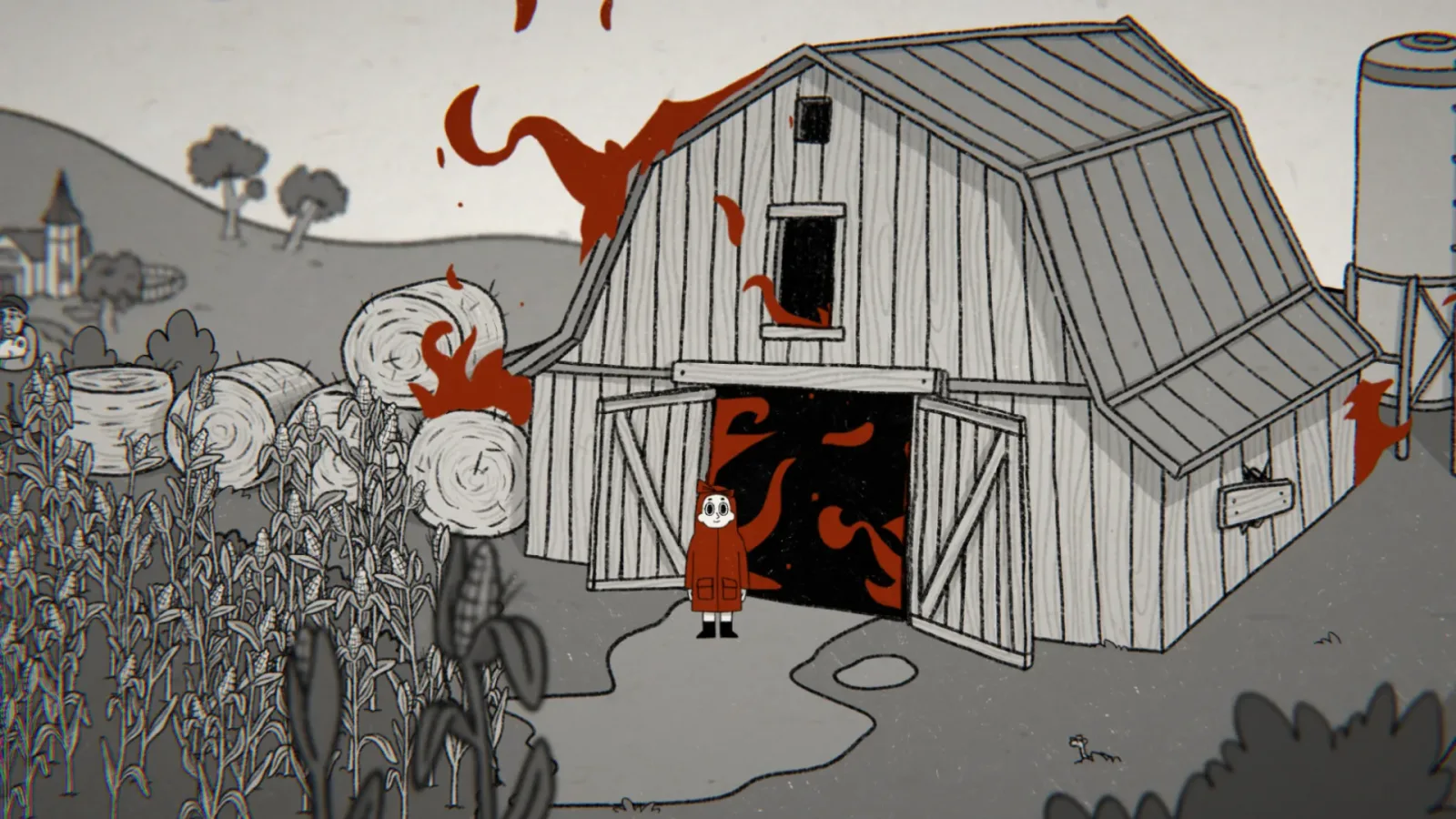
Oopsie Daisies describes the core experience around observation, lurking and interaction. Tom can spy on residents and investigate the hidden sides of village life, but the game does not stop at passive snooping. Players will also be able to sabotage situations and stir up chaos.
The important wrinkle is that Tom is expected to maintain her innocent façade. This suggests that actions may carry a social dimension: being curious is one thing, but causing trouble while avoiding suspicion is another. The game's design frames transgression as part of its playful appeal, allowing players to choose how nosy, disruptive or mischievous their version of Tom becomes.
It is a promising fit for a narrative adventure because it puts player behavior at the center of the story's texture. One player may concentrate on deliveries and discreetly gather information. Another may search for every chance to interfere with the people around them. The village's response, and the path through its mysteries, may feel notably different depending on that approach.
Tom the Postgirl is specifically a single-player game. Its focus is on the individual player's relationship with the village, its routines and its secrets, rather than cooperative play or online competition. The central pleasure appears to be in noticing details: a suspicious moment glimpsed from the edge of a room, a possible opportunity to meddle, or a new implication hiding inside a familiar location.
Hand-drawn animation gives the world a retro character
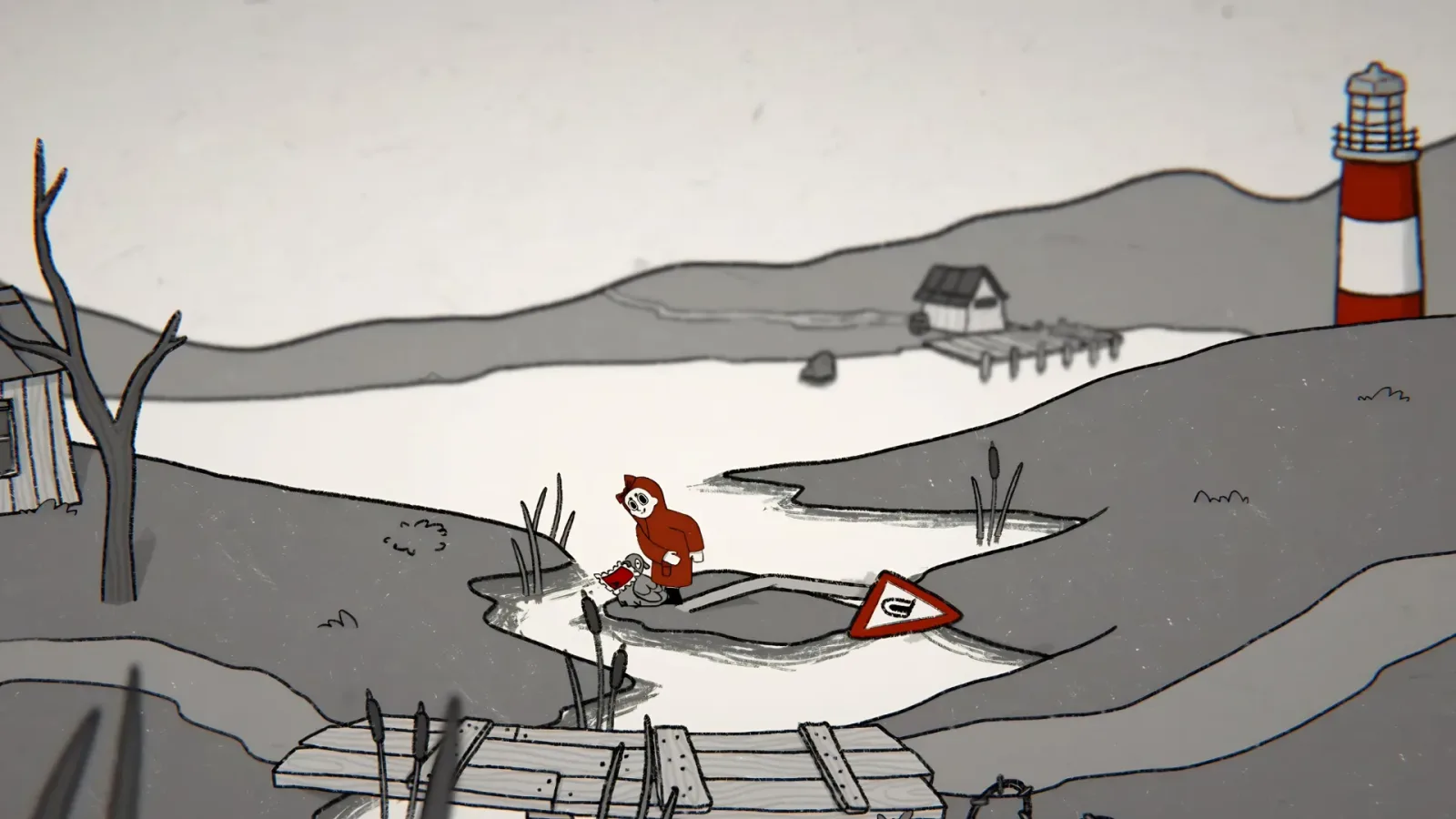
Visually, Tom the Postgirl uses hand-drawn backgrounds and frame-by-frame animation. The result is intended to create a retro-inspired world with an immersive, illustrated quality. Those artistic choices are more than surface decoration for a game based on looking closely. Backgrounds filled with doors, windows, hiding places and small visual details can make the act of investigating feel naturally tied to the world itself.
Frame-by-frame animation can also give characters a more tactile, expressive presence, which is valuable in an adventure where residents are constantly being watched. Tiny mannerisms, reactions and repeated daily habits may help players understand who these people are--or make them wonder what is being concealed.
The hand-crafted presentation should reinforce the contrast at the center of the game. A warmly illustrated village can initially feel safe and nostalgic, while the scenes discovered within it bring out the darker, stranger and more humorous side of its community. It is a style that suits the game's promise of unsettling discoveries without abandoning its playful personality.
For Oopsie Daisies, the visual approach is part of constructing a dense place rather than simply a backdrop. The world has many spots from which Tom can observe others, making architecture and scenery integral to gameplay. In other words, the village's nooks and crannies are not just there to be admired; they are tools for investigation.
Multiple endings encourage return visits
Tom the Postgirl will include multiple endings, achievements and unlockable profiles. Together, those features are intended to support replayability and reward players who return to the village with a different mindset.
Multiple endings are especially fitting for a story shaped by observation and mischief. Players may want to revisit earlier moments after realizing there was another secret to uncover, another route through the village or another way to handle an opportunity for sabotage. The presence of achievements and profiles suggests there will be additional goals for completion-minded players beyond reaching an ending once.
That structure could also give the game room to reward contrasting playstyles. A careful, restrained Tom and a far more chaotic Tom may reveal different sides of the setting, even if both begin with the same simple task of delivering mail. The promise is not just of branching conclusions, but of a village that can be rediscovered from fresh angles.
Players looking for a narrative game with a shorter-form, replay-friendly premise may find that especially attractive. Rather than positioning its appeal around a massive open world, Tom the Postgirl appears to concentrate on the density of one peculiar village and the many details concealed inside it.
Platforms, languages and launch details
Tom the Postgirl launches on October 29, 2026 for PC and Mac via Steam, as well as Nintendo Switch. No other platform releases have been announced.
The game will support French, English, Italian, German, Japanese, Korean, Polish, Brazilian Portuguese, Simplified Chinese, Spanish and Russian. This broad language selection should help its dialogue-driven village mysteries reach players across a wide range of regions.
The listed retail price is EUR9.99. Steam buyers will be able to receive a 10% launch discount for the first two weeks after release. A PEGI 16 rating has also been listed, which aligns with the game's darker comedic ideas and its focus on spying, disturbing discoveries and disruptive behavior.
Tom the Postgirl was part-funded by the Swiss Arts Council, Pro Helvetia. With its small-scale setting, hand-drawn presentation and unusual blend of cozy imagery and invasive curiosity, it stands out as a narrative adventure with a deliberately mischievous edge.
When the game arrives at the end of October, players will get to decide how a postgirl should handle the secrets entrusted to the village around her: deliver the parcels, peer into every possible corner, or quietly make everyone's day much more complicated.
Community
Discussion
Start the conversation.
No comments have been posted yet.