

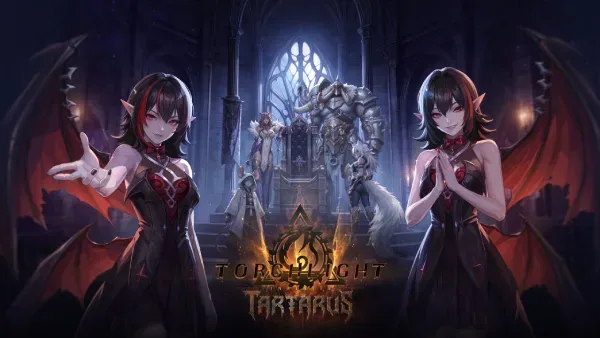
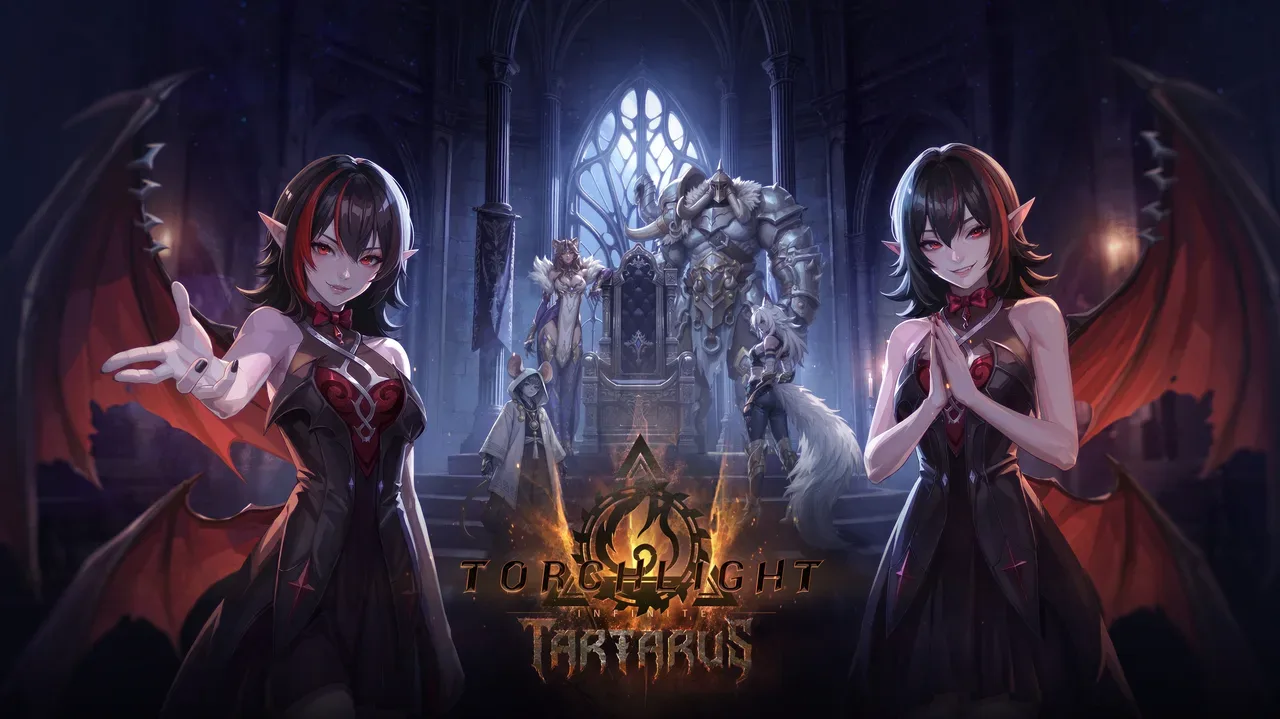
Torchlight: Infinite has begun its SS14 season, titled Tartarus, with the update now live worldwide as of October 16, 2026. Available across PC, iOS and Android, the season brings a new activity based around managing a dangerous prison in the Netherrealm, alongside a Hero Trait for Youga and an additional follower-focused progression system.
Tartarus is built around a structure that combines combat, planning and a final confrontation with enemies shaped by the player's earlier decisions. Rather than simply sending players through a sequence of encounters, the seasonal mode starts with a hunt, moves into the management of a circular prison, and ultimately turns its inmate roster into a set of foes and bosses to defeat.
For an action RPG centered on making builds and taking on escalating challenges, that format gives the season a distinct identity. Players will not only be fighting prisoners and creatures: they will also be deciding how to place inmates, which conflicts to initiate, and how to develop the eventual opposition they must overcome. The outcome of those choices can influence the rewards at the end of a run.
A three-stage descent into Tartarus
The first stage of the Tartarus mode asks players to track down escaped prisoners. Defeating those fugitives awards their nameplates, which are needed for the prison-management portion that follows. This opening phase establishes the inmate pool before players assume control of the prison itself.
For useful background on this topic, read Amazing Slot Survivor demo Brings Refined Controls and Visuals to Steam.
Stage two takes place inside a circular prison containing 16 cells. Here, players assign their captured inmates to cells and arrange fights that will develop their roster. Prisoners can battle one another, but the prison also houses beast opponents, including elephants, lions, wolves and rats. These matches are not merely incidental encounters; they are part of the season's strategic layer and help determine the strength and makeup of the roster that will matter in the final stage.
The system lasts for 20 turns of building. That gives players a fixed period to make decisions about placement and conflicts before the season mode changes direction. The management component is therefore tied directly to the action rather than functioning as an isolated mini-game. Decisions made while filling the prison are intended to pay off, or potentially create complications, once the prisoners are no longer under the player's control.
After those 20 turns, Tartarus enters its third phase. The inmate roster becomes the opposition, with its members appearing as enemies and bosses across three prison levels. There are also six difficulty tiers to tackle. Rewards are determined by both the quality and quantity of the enemies players defeat, placing a premium on successfully confronting the forces they helped cultivate during the prison phase.
For another perspective on this story, read Torchlight: Infinite SS14 Tartarus Launches on PC and Mobile.
This final reversal is the central idea behind Tartarus. Capturing prisoners, housing them and sending them into arranged encounters are steps toward a later trial in which players must survive the consequences of their own roster construction. It is a seasonal setup that gives character power a role, but also asks players to consider the configuration of their dungeon before the boss fights begin.
Spacetime Witness Youga joins the season
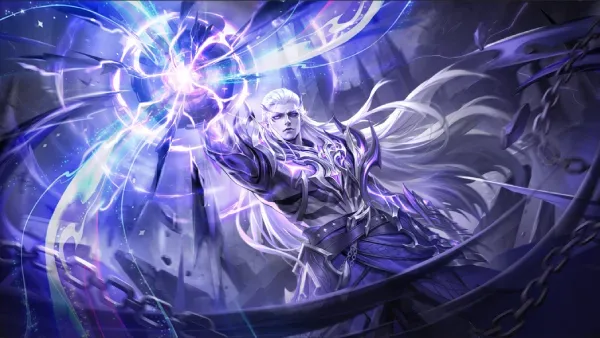
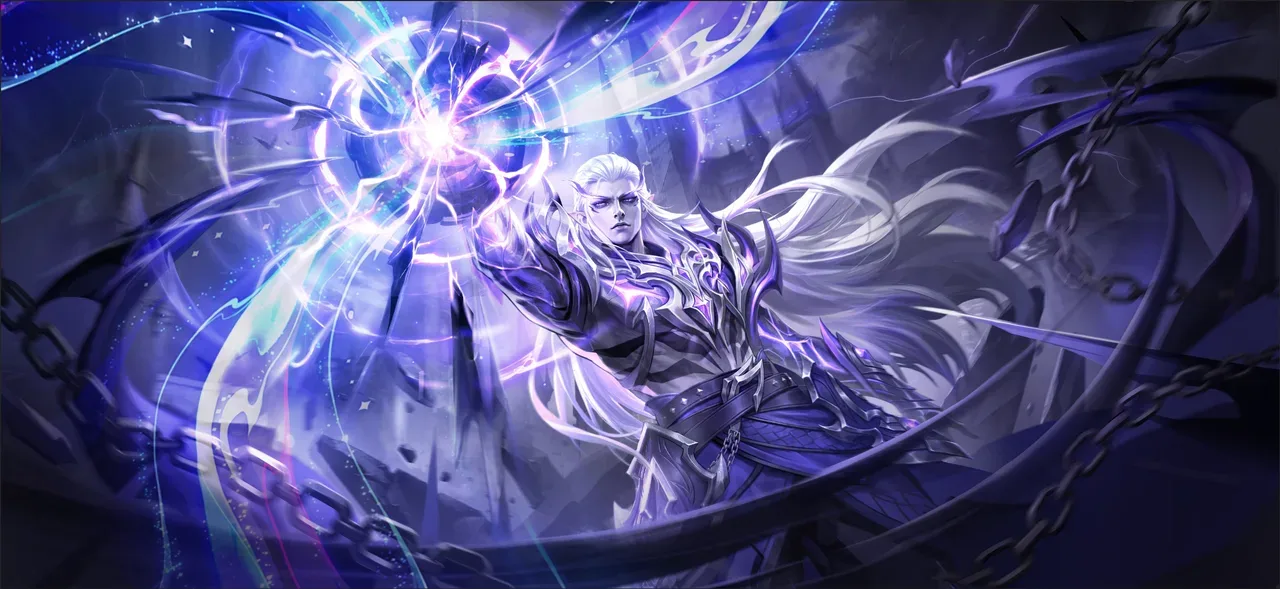
SS14 also introduces Spacetime Witness Youga, a new Hero Trait centered on maintaining a continuous spellcasting rhythm. The trait is designed around combining automatic skill use, critical strikes and cooldown reduction, giving players a basis for builds that keep abilities cycling as consistently as possible.
At the center of the trait is Youga's Clockwork Core, which can automatically cast Entanglement skills. Critical strikes can also reduce ability cooldowns. Together, those mechanics point toward a playstyle that values frequent casts and the ability to sustain pressure rather than waiting through lengthy downtime between key spells.
Spacetime Witness Youga has three development paths, and the season allows players to draw from more than one of them or commit fully to a particular specialty. That flexibility should be useful for players who want to tailor the trait toward a preferred damage pattern or movement style, while still leaving room for more focused setups.
- Spacetime Dictator emphasizes projectiles and time manipulation.
- Spacetime Conqueror focuses on movement and linked damage through Time-Rift Traversal.
- Spacetime Dominator is based on improving spells through Spacetime Overload.
The three routes establish separate directions for the same core character concept. Dictator offers an avenue for projectile and temporal mechanics, Conqueror highlights mobility alongside linked damage, and Dominator is concerned with stacking or building spell enhancements. Players can mix elements of the three paths, or specialize in one, making the trait an important addition for experimentation during SS14.
Followers add another layer of build customization
Another major system arriving with Tartarus is a follower progression feature. Players can recruit followers connected to four tribes: wolves, rats, lions and elephants. Recruitment uses a new resource called Letters of Introduction.
Followers contribute Active and Support Skills, expanding the available options for character construction. Their effects can include buffs, protective benefits and debuff support. As a result, followers are positioned as more than a collection activity: they can become another part of the decision-making process when putting together a build for the season's combat and Netherrealm challenges.
Access to stronger followers is connected to Netherrealm progression. Higher Netherrealm difficulty tiers unlock higher-tier followers, creating an incentive to keep pushing upward through the game's challenge levels. That connection means the system can develop alongside a player's growing strength, rather than being exhausted immediately at the start of the season.
The tribal theme also complements the beasts found in Tartarus prison battles. Wolves, rats, lions and elephants appear as possible opponents in the prison-management phase, while those same groups provide the basis for the new follower recruits. The result is a season with a consistent Netherrealm identity across its activity structure and long-term progression additions.
What SS14 means for returning players
Tartarus brings several interconnected reasons to return: a new seasonal mode with a defined three-part flow, a Hero Trait that supports a continuous-casting approach, and followers that broaden customization. Players interested primarily in the new gameplay loop can focus on catching prisoners and building a prison roster, while those who enjoy character planning have new skill interactions to investigate through Youga and the follower system.
The prison mode's escalating structure is especially notable because it joins immediate combat with delayed consequences. Early battles supply nameplates, mid-run choices shape inmates and their encounters, and the final fights test whether the completed roster can be defeated efficiently. Since rewards reflect both how many enemies are taken down and their quality, the mode encourages players to engage with its strategic systems instead of treating them as background flavor.
Youga, meanwhile, gives spell-focused players a new route built around automatic Entanglement casts and cooldown manipulation from critical hits. The option to blend the Dictator, Conqueror and Dominator paths may make the trait particularly appealing to players who prefer adapting a build rather than following a single rigid route.
Beyond the headline additions, SS14 includes new skills, cosmetics, Pactspirits, and audio and visual improvements. The broader patch notes also detail the full set of season changes. With Tartarus now underway on PC and mobile devices, Torchlight: Infinite players can begin exploring the prison's 16-cell cycle, build their enemy roster over 20 turns, and see how far their preparations carry them through the prison's three levels and six difficulty tiers.
Community
Discussion
Start the conversation.
No comments have been posted yet.