

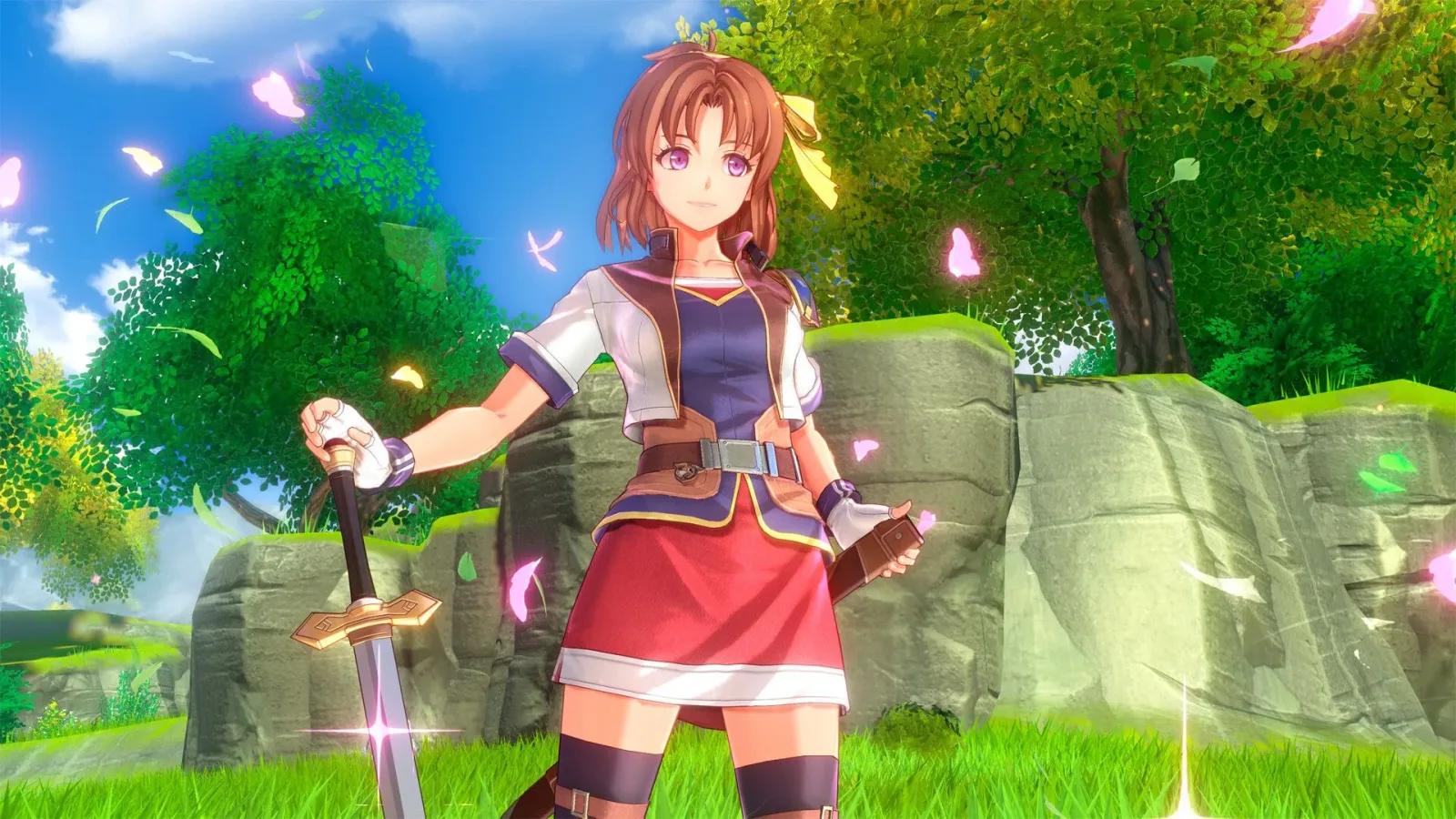
Trails in the Sky 2nd Chapter has become one of 2026's most surprising critical success stories before its official September 17 release. The remake of Nihon Falcom's roughly two-decade-old JRPG sequel is currently sitting at the top of the year's review-score conversation, with early averages on PC and PlayStation 5 placing it above many of the biggest new games released so far.
At the time of writing, the PC edition holds a 93 average on Metacritic from 10 critic reviews, while the PlayStation 5 version stands at 92 based on 13 reviews. The Switch 2 version is lower, at 84, although that figure is currently drawn from a smaller collection of reviews. OpenCritic, which combines reviews from all versions into one overall pool, has the game at 92.
Those are early numbers rather than final verdicts. Scores can move as more reviews are added after launch, and each platform has a different sample size. Still, the opening reception is an impressive result for a series that spent years occupying a more specialized corner of the JRPG landscape. It also suggests that the ongoing effort to bring Trails back to its earliest chapters in remake form is reaching far beyond the franchise's long-established audience.
An unexpected front-runner in a crowded year
2026 has already delivered a mix of blockbuster releases and well-received smaller games, making Trails in the Sky 2nd Chapter's early position especially notable. Its current averages put it ahead of major releases including Forza Horizon 6, Resident Evil Requiem, and Pokémon Pokopia, as well as acclaimed independent games such as Mewgenics, Mina the Hollower, Titanium Court, and Big Walk.
For useful background on this topic, read Heart Machine Lays Off Most Remaining Staff After Publishing Deal Collapses.
That is not to say the year's rankings are settled. The release calendar still has plenty of room for change, with more high-profile games expected as 2026 continues, including a new version of The Legend of Zelda: Ocarina of Time and Grand Theft Auto 6. Review aggregates are also snapshots rather than definitive measures of quality; averages develop over time, and a score based on a few dozen reviews can shift as additional critics weigh in.
Even with those caveats, the result gives Trails in the Sky 2nd Chapter a powerful launch-week narrative. Instead of being framed only as a nostalgic revisit for existing fans, it is arriving as one of the year's best-reviewed games on its own terms.
A sequel remake built on a beloved foundation
As its title indicates, Trails in the Sky 2nd Chapter follows the remake of the opening game. Trails in the Sky 1st Chapter launched in 2025 and was also met with strong critical praise, setting the stage for this second installment to continue the project.
The original Trails in the Sky games helped establish a reputation that Nihon Falcom has spent years building upon. The wider Trails series became particularly admired by dedicated JRPG players for its extensive continuity, meticulous setting work, long-running character arcs, and combat systems that reward careful planning. For a long time, that combination made the games feel like a well-kept secret among genre enthusiasts: hugely valued by the people who committed to them, but less visible to a broader audience than many of Japan's biggest role-playing franchises.
That perception has steadily changed. More players have become interested in the series over recent years, while the franchise itself has gained a greater international profile. The remake initiative appears designed to make the starting point more approachable, especially for people who may have heard about Trails' intimidatingly large body of interconnected games but never knew where to begin.
For newcomers, that accessibility matters. A series with decades of history can be exciting, but it can also create hesitation. Players may worry that they need to study a large timeline, track multiple story arcs, or play a long list of older titles before they can participate. Rebuilding the opening chapters offers a clearer invitation: start near the beginning, meet the core cast, and follow the world as it expands.
Why the Trails formula continues to connect
Trails has never depended solely on a single flashy hook. Its appeal is rooted in accumulation. Characters return, regions receive attention over multiple stories, political developments linger, and seemingly minor details can gain significance much later. That kind of approach requires patience from players, but it can create a strong sense that the fictional world exists beyond the immediate quest.
The Sky arc remains a particularly important entry point because it introduces the setting and emotional tone that helped define the franchise. Its story-driven approach, party-focused relationships, and tactical RPG battles have made it a favorite among fans who value large-scale world-building without losing sight of smaller personal moments.
A remake has a difficult job in that context. It needs to respect the qualities that made the original beloved while presenting them in a form that feels welcoming to players accustomed to newer hardware and modern production values. The positive early reception for 2nd Chapter indicates that critics believe this version has managed that balancing act well.
It also underlines a broader truth about remakes: they do not have to be mere archival projects. At their best, they can be a way to reintroduce a game's strengths to a new generation, reduce barriers created by age or platform availability, and let a classic compete in the same release window as entirely new productions. Trails in the Sky 2nd Chapter's early review standing makes it one of the clearest examples of that possibility this year.
Platform differences are worth watching
The PC and PS5 editions are currently driving the remake's headline averages, with 93 and 92 respectively. The Switch 2 score of 84 should be read with additional care because it is based on fewer reviews. A lower platform average can reflect many things, from technical performance and visual compromises to interface differences or simply a small sample that has not yet stabilized.
Players choosing between versions may want to wait for more detailed platform comparisons once the game is widely available. Aggregate scores are useful as a broad indication of reception, but they do not always explain whether a particular edition has differences that matter to an individual player. Performance preferences, portability, display options, and controller feel can all affect which version is the best fit.
For now, the central point is that all three versions have entered the market with a favorable critical foundation, while PC and PS5 have earned especially strong early praise. That is a promising sign for a release intended to welcome both returning Trails veterans and curious newcomers.
Falcom sees room to continue the remake project
Nihon Falcom's leadership has indicated that the company hopes to keep the remakes going for some time following the successful reception of Trails in the Sky 1st Chapter. That ambition makes sense given the scope of the overall series, though it also highlights just how large a commitment a full remake path could become.
There is no indication here of a complete remake roadmap, and players should not assume specific future entries, dates, or platforms until they are formally announced. But the response to the first two Sky remakes gives Falcom a compelling reason to continue exploring this direction.
For the studio, the strategy can serve two audiences at once. Longtime players get the chance to revisit formative games in a new presentation, while first-time players receive a less daunting route into a famously dense saga. If 2nd Chapter maintains its early critical momentum after release, it may strengthen the case that revisiting Trails from the beginning is not just a nostalgia exercise but an important part of the series' future.
A strong reason to start the journey
Trails in the Sky 2nd Chapter arrives with the kind of early acclaim that can turn a cult favorite into a wider gaming conversation. A 93 on PC, a 92 on PS5, and a 92 combined OpenCritic average are extraordinary opening figures, particularly for a remake of a JRPG sequel whose original release dates back around 20 years.
The scores will inevitably evolve as the review pool grows, and the year still has major games ahead. Yet the early response has already accomplished something significant: it has placed Nihon Falcom's remake alongside 2026's most prominent releases rather than beneath them.
For dedicated Trails fans, that recognition is likely to feel overdue. For everyone else, September 17 may be an ideal moment to see why this sprawling JRPG series has inspired such loyalty for so long.
Community
Discussion
Start the conversation.
No comments have been posted yet.