

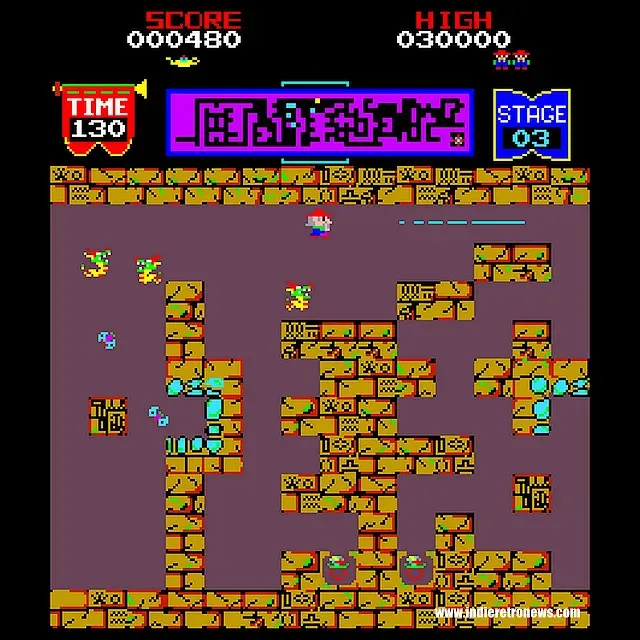
Classic arcade adventurer Tutankham has made an unexpected return on Commodore Amiga hardware. LC-Games has released a new Amiga tribute to Konami's 1982 arcade game, bringing its tomb-raiding maze action to one of the most enduring home-computer platforms of the 16-bit era.
The release is designed with a notably wide range of Amiga systems in mind. It is stated to work on PAL OCS, ECS, and AGA machines, alongside NTSC ECS and AGA configurations. The listed memory requirement is just 512 KB of Chip RAM, meaning the game is aimed at users of original-style Amiga hardware rather than only expanded or heavily upgraded systems.
For retro players, the appeal is easy to understand. Tutankham comes from an arcade period when games had to explain themselves quickly: guide a character through dangerous corridors, collect valuable items, survive hostile enemies, and discover a route onward. Its ancient Egyptian setting remains immediately recognizable, while the new Amiga edition gives enthusiasts another reason to dust off old machines or revisit the platform through compatible setups.
A Return to the Catacombs
The original Tutankham was developed by Konami and released in arcades in 1982. Its premise cast the player as an explorer entering Tutankhamun's tomb in search of riches. The maze-like catacombs are filled with treasures to recover and creatures that stand between the intruder and the deeper sections of the tomb.
For useful background on this topic, read Ghost Sweeper Clears Its Kickstarter Goal for a Game Boy Advance Release.
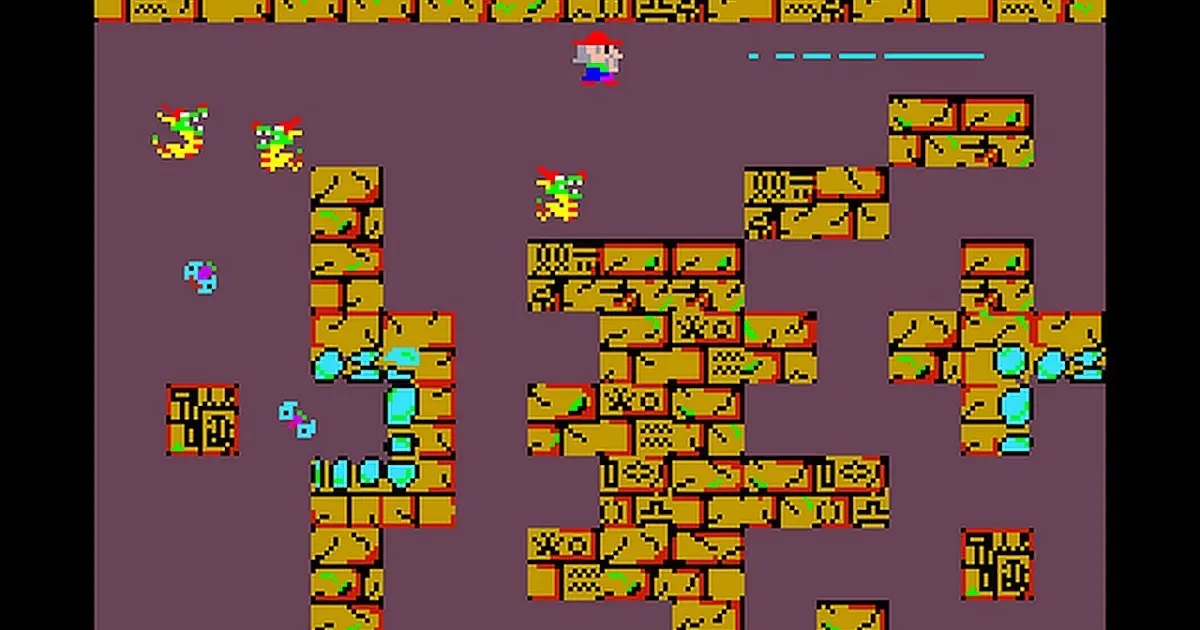
LC-Games' new version retains that central setup. Players control an explorer robbing the tomb, searching through its underground passages for valuable discoveries. The listed loot includes maps, lamps, chests containing gold and jewels, and the most important prize of all: the golden mask of King Tut. Collecting treasure is only part of the task, however. Guardians and other threats occupy the catacombs, turning every route into a potential risk.
That structure places Tutankham firmly in the traditions of early arcade design. The goal is understandable from the moment play begins, but success depends on movement, awareness, and the ability to make decisions under pressure. A player may know where they want to go, yet a hostile creature or cramped passage can force a sudden change of plan. The eventual objective is to locate the way through the catacombs, making exploration as important as simply confronting danger.
Built for Multiple Amiga Generations
The hardware support is one of the release's most important details. Commodore's Amiga line changed substantially over its lifetime, and compatibility can be a major consideration for new software targeting the platform. This version of Tutankham is compatible with the early OCS chipset in PAL regions, as well as ECS and AGA systems using PAL standards. NTSC support covers ECS and AGA machines.
OCS, ECS, and AGA represent different stages in the Amiga family's hardware history. OCS, or Original Chip Set, is associated with early machines such as the Amiga 1000, 500, and 2000. ECS expanded elements of the original design, while AGA arrived with later systems including the Amiga 1200 and Amiga 4000. Supporting several of these configurations helps ensure the new game can reach a broad cross-section of the community.
The 512 KB Chip RAM requirement is equally significant. Chip RAM is memory shared with the Amiga's custom hardware, including graphics and audio functions. Keeping the requirement to that level suggests an effort to make the release accessible to comparatively modest configurations. For collectors who prefer running software on vintage systems close to their original specifications, that can matter as much as the game itself.
PAL and NTSC compatibility also reflects the international nature of the Amiga audience. The two television standards historically affected display timing and software behavior, so support across both environments is valuable for users in different regions. While PAL OCS, ECS, and AGA systems are listed as supported, NTSC support is specifically identified for ECS and AGA hardware.
Why Arcade Tributes Fit the Amiga So Well
New releases for classic machines are no longer a novelty, but projects based on arcade heritage continue to have a particular pull. The Amiga has long been valued for its strong audiovisual capabilities, extensive game library, and active modern community. A focused adaptation of a 1982 coin-op fits naturally within that ecosystem: it offers an immediately familiar gameplay foundation while providing an experience made with Amiga owners in mind.
There is also something fitting about bringing Tutankham to the platform decades after the game's arcade debut. Early arcade games were often built around concise ideas and repeatable play. They did not rely on lengthy tutorials, enormous worlds, or extensive dialogue to create tension. Instead, the player learned through direct interaction with obstacles, enemies, and level layouts. That approach remains appealing for players looking for a compact, score-driven, or challenge-oriented game session.
Tutankham's setting gives that simple arcade format a distinctive identity. Tombs, labyrinths, cursed treasures, and lurking guardians are enduring adventure-game ingredients, but the game reduces them to their most direct form. The explorer is there for the riches; the tomb is designed to resist him; the player must navigate the consequences. Maps and lamps suggest progress and discovery, while gold, jewels, and the golden mask establish a clear reward for venturing farther into danger.
For an Amiga audience, the release also speaks to the continuing interest in software that is conscious of the machine's limitations and strengths. Modern retro development is not only about preserving old games. It also includes reinterpretations, homebrew releases, technical experiments, and newly produced titles that keep vintage hardware active. Each project adds to a living software library rather than treating classic computers solely as museum pieces.
Treasure Hunting With Arcade-Era Stakes
The new Tutankham release centers on the tension between greed and survival. Players are not merely trying to escape a tomb; they are entering it to take everything they can find, including the golden mask of King Tut. That provides a straightforward incentive to push deeper into hazardous territory, even when enemies make the next passage dangerous.
The catacombs themselves are central to the experience. Their confined paths turn navigation into part of the challenge. A treasure-filled route may look tempting, but the player must account for guards and creatures as they move through the maze. With a goal of finding the way forward, every section can potentially offer progress, reward, or a threat that interrupts a promising run.
This is the kind of premise that benefits from replay. Once players have a sense of the tomb's layout and dangers, they can focus on cleaner movement, better collection routes, and safer ways to reach the exit path. The appeal is not about a sprawling campaign or a huge list of mechanics. It is about mastering an immediate arcade scenario in which small decisions can determine whether an expedition ends in treasure or disaster.
A New Option for Amiga Enthusiasts
LC-Games' Tutankham gives Amiga users a new way to experience a Konami arcade concept that dates back to 1982. Its support for PAL OCS, ECS, and AGA systems, plus NTSC ECS and AGA systems, makes it relevant to owners across multiple generations of Commodore hardware. The modest 512 KB Chip RAM requirement further positions it as a release intended for a wide range of classic setups.
Players can expect a tomb-raiding journey through catacombs packed with maps, lamps, gold, jewels, and the golden mask of King Tut, all while dealing with the creatures protecting the ancient site. It is a deliberately direct arcade proposition: enter the maze, gather what you can, fight to survive, and locate the route onward.
More than four decades after Tutankham first appeared in arcades, its return on the Amiga is another reminder that retro platforms are still receiving new work from dedicated creators. For fans of Konami's early catalogue, maze-based action, or simply the distinctive character of Commodore's classic computer, this is a fresh expedition into a very old tomb.
Community
Discussion
Start the conversation.
No comments have been posted yet.