

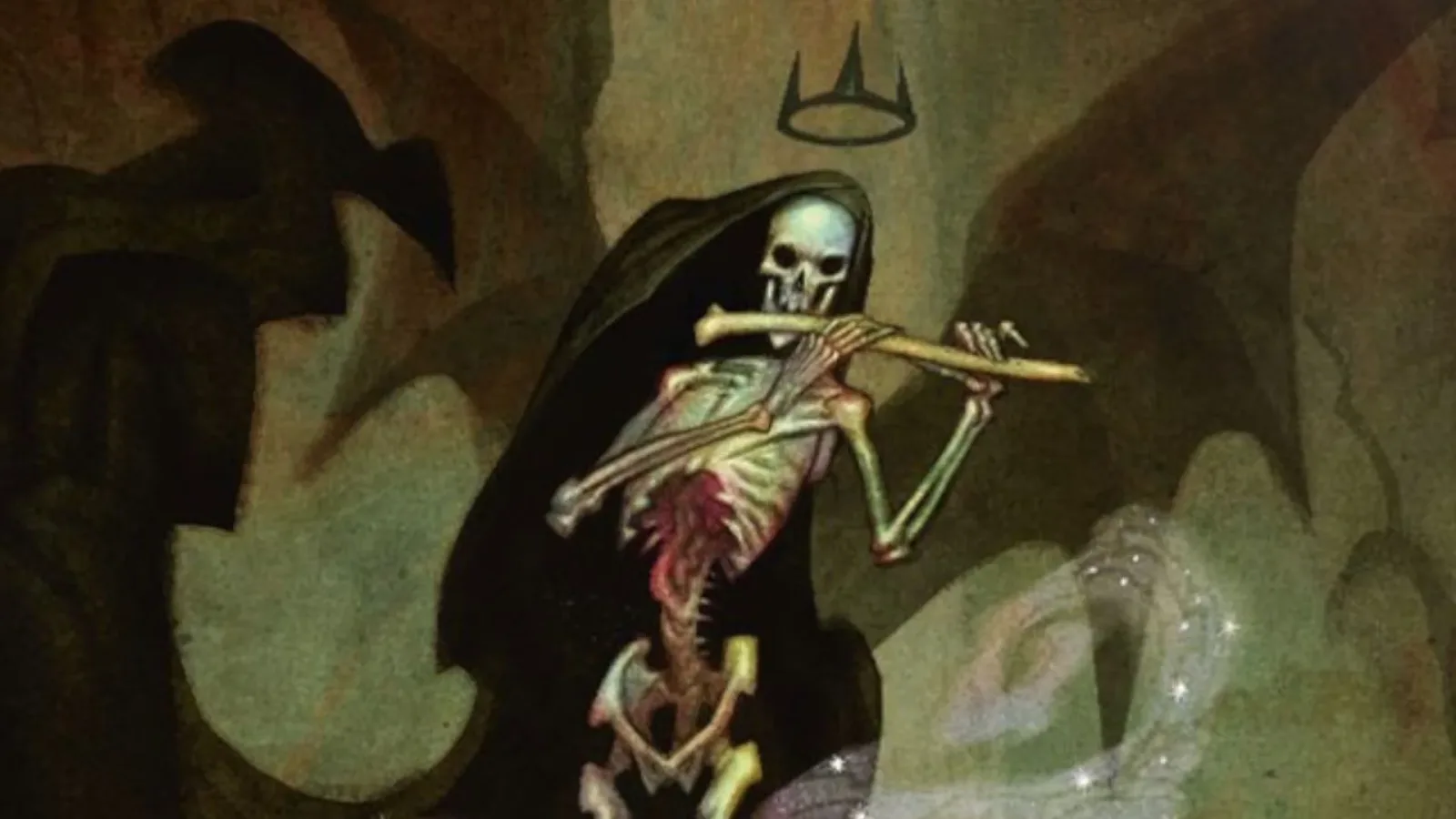
Vaesen: Death of Songs is set to give the acclaimed folk-horror tabletop role-playing game one of its biggest storylines yet. The new campaign book is written by the lead writer behind the original Vaesen RPG and sends players into a widening mystery tied not merely to supernatural dangers across Europe, but to the history and possible hidden sins of the Society they serve.
Pre-orders are now open through publisher Free League, with the physical release currently planned for early in the first quarter of 2027. Those who pre-order receive immediate access to the PDF edition, offering groups an opportunity to begin investigating before the printed book arrives.
Its release timing makes the book an especially fitting prospect for horror-focused game nights. Yet Death of Songs is not being positioned as a one-evening seasonal scare. It is described as an epic campaign with consequences for both humanity and the vaesen of Europe, placing the new material among the most substantial narrative additions to the game so far.
A hidden world of folklore and fear
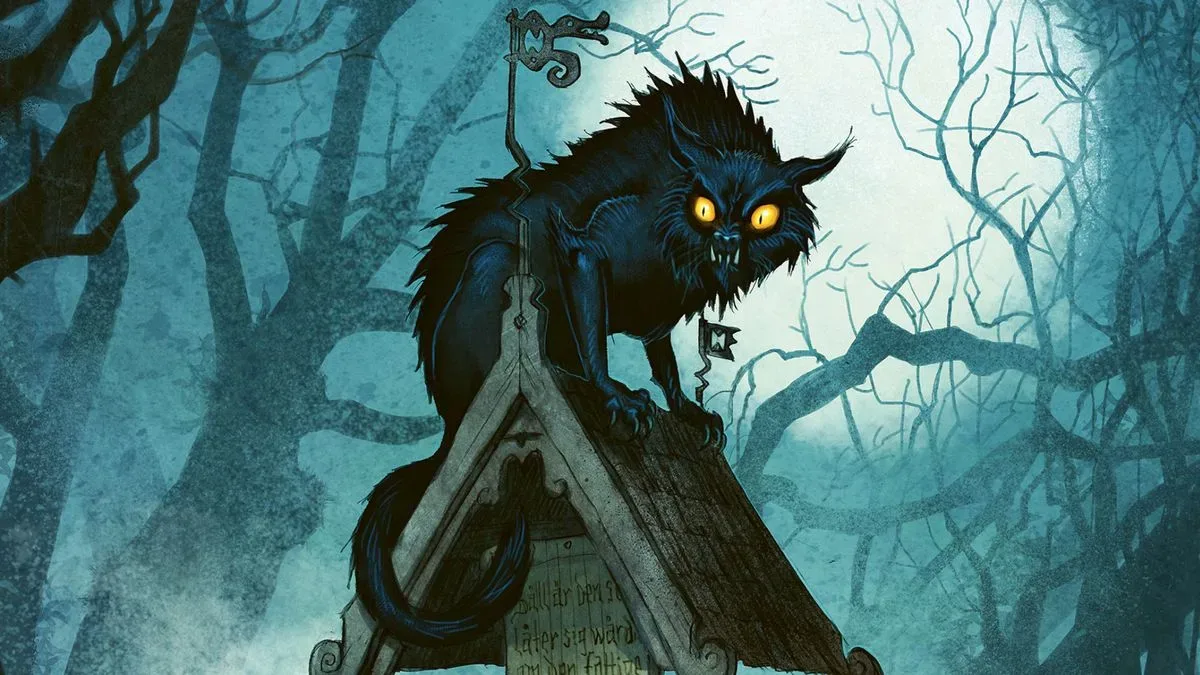
For newcomers, Vaesen is a tabletop RPG built around a fantastical alternate version of 19th-century Europe. The world resembles the historical period in broad strokes, but the legends, creatures, and superstitions people tell stories about are real. Trolls, spirits, tricksters, and other beings lurk alongside everyday civilization, often unnoticed by most of the population.
For useful background on this topic, read Walton Goggins Wraps Fallout season 3 Filming With a Mysterious Farewell Message.
The player characters are different. They possess the Sight, a gift that enables them to perceive vaesen and the unseen forces moving through the world. As members of the Society, they investigate these phenomena, study the creatures involved, and intervene when the relationship between humans and vaesen becomes dangerous. That premise supports mysteries with a supernatural edge, but it also makes room for ambiguity. A vaesen may be terrifying, malicious, wounded, misunderstood, or simply acting according to rules humans have forgotten.
That distinction is central to the appeal of the setting. Horror in Vaesen does not have to mean that every strange being is a straightforward monster waiting to be defeated. Folklore can be frightening precisely because it is unpredictable, ancient, and entwined with local customs. A conflict can grow from broken promises, greed, fear, environmental change, or an intrusion into a place that should have been left alone. Solving the problem may require courage and confrontation, but it may also require learning what a creature wants and why a community has become vulnerable.
Death of Songs appears ready to take that personal, localized style of horror and connect it to a broader conspiracy. Its central mystery has roots in the Society's own past, putting a sharper focus on the organization that normally provides the investigators with their purpose and structure. For players, that creates a compelling shift: the institution meant to help them understand the hidden world may itself become a source of uncertainty.
Four mysteries and a continental campaign
The campaign book includes four new mysteries. Rather than functioning only as unrelated scenarios, they form part of a larger narrative designed to affect the lives of humans and vaesen across the continent. That scale is notable for a game so often associated with intimate folklore, isolated villages, old estates, shadowed forests, and regional tales.
The promise of an epic campaign does not necessarily mean abandoning those smaller-scale ingredients. Ideally, the larger threat gives individual mysteries added weight. Each investigation can still begin with a troubling local event, an impossible sighting, a frightened witness, or a dispute between the mundane and supernatural worlds. As the campaign continues, however, players should be able to recognize patterns and discover that the dangers they face are linked by forces operating well beyond a single town or province.
That kind of structure is especially useful at the table. A Game Master can establish a sense of place and character in each mystery while maintaining momentum toward an overarching payoff. Players get the immediate satisfaction of pursuing leads and resolving urgent situations, but they also have reason to track recurring details, question old assumptions, and pay attention to what the Society has not told them.
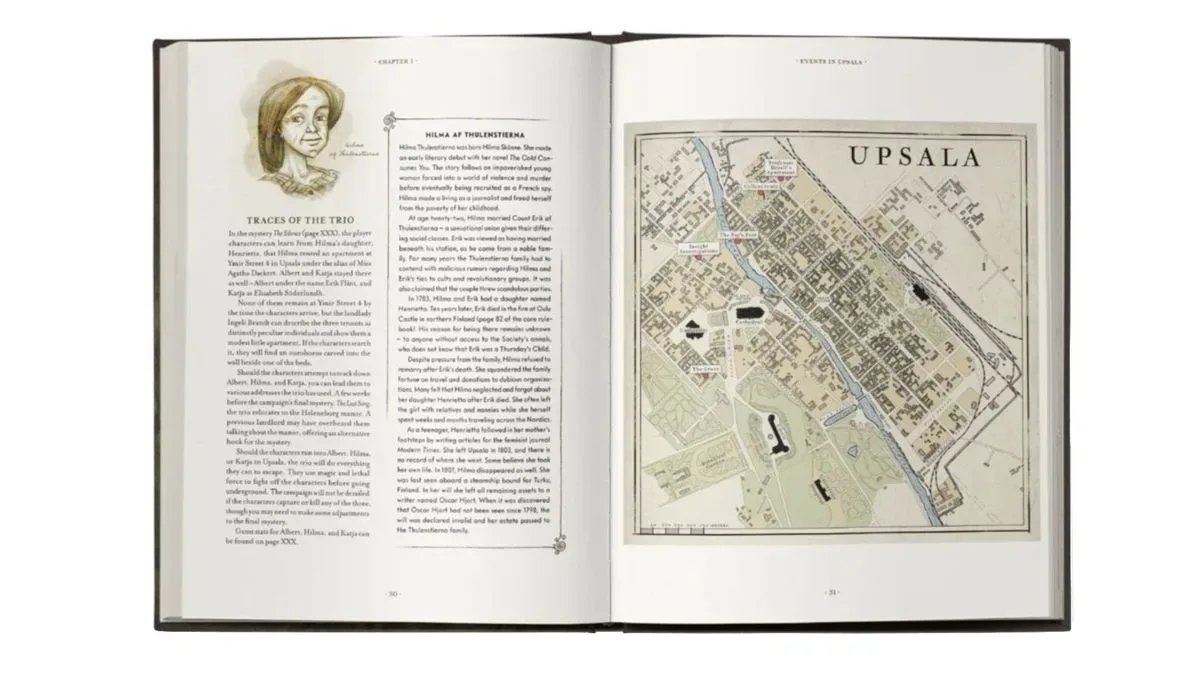
The book also contains material for campaign play in Upsala, the Swedish city that serves as an important location for the game's ongoing play. A dedicated section on the city should help groups make their base of operations feel like more than a place to rest between adventures. It can become a recurring stage for contacts, research, political tensions, personal relationships, and unsettling clues that continue to surface between major investigations.
For long-running campaigns, that is a valuable addition. Horror often gains power through contrast. A familiar home base can make journeys into hostile territory feel riskier, while changes within that familiar environment can become alarming in their own right. If the Society's history is truly at the center of the new plot, bringing more attention to Upsala also makes thematic sense. The city can offer records, allies, skeptics, secrets, and reminders that the investigators' own organization is not above scrutiny.
A continuation with room for new groups
Death of Songs is presented as a standalone product, but it continues the storyline introduced in The Dance of Dreams, the adventure found in the core rulebook. That makes the campaign potentially appealing to established groups that began with the original material and have wanted to see its threads pursued further.
At the same time, its standalone status suggests it should not be treated solely as an appendix for veteran players. Groups interested in a substantial campaign can look at it as a new entry point into the game's mystery-driven format, particularly if they are drawn to a plot where trusted institutions become part of the problem. Game Masters may still find it useful to know the core premise and the events of The Dance of Dreams, since narrative continuity is part of the book's design, but the new release is not framed as a minor supplement.
The underlying premise gives it a distinct kind of horror. Many supernatural campaigns ask heroes to stop an outside evil from reaching their world. Here, the potential danger is also internal. The investigators belong to a Society that studies and hunts the strange, which puts them in a position of relative knowledge and authority. Discovering that this organization has concealed troubling truths could force them to reconsider what they have been taught, whom they can trust, and whether the Society's goals have always been as noble as they seemed.
The strongest folk-horror mysteries are rarely just about encountering something strange. They are about discovering why the strange thing has endured, who benefits from keeping it hidden, and what price people have paid to live beside it.
That tension aligns naturally with the setting's treatment of vaesen. Since these beings are not automatically simple villains, a campaign involving secrets within the Society has room to ask difficult questions. Has the organization always protected people? Has it always understood the creatures it studies? Could old decisions, classifications, or acts of violence be responsible for a present crisis? The answers will remain for players to uncover, but the premise leaves ample room for a campaign with moral complications alongside its scares.
Why Vaesen's horror remains distinctive
Since its 2020 launch, Vaesen has stood out through its combination of Gothic atmosphere, striking artwork, and a folklore-first approach to the supernatural. It shares some territory with cosmic-horror games and investigative RPGs: characters gather evidence, venture into unsettling places, and confront threats that ordinary people cannot explain. But its identity is shaped less by unknowable entities from beyond reality and more by old stories that have survived in the margins of human life.
That leaves space for a broad range of tones. A mystery might involve a dangerous troll, a ghostly presence, or something genuinely monstrous. It might just as easily center on a mischievous imp whose interference escalates into tragedy. The latter can be no less memorable. Folkloric creatures are often unnerving because their logic is close enough to human behavior to be recognizable, while still remaining alien in crucial ways. They may value bargains, territory, gifts, tradition, or grudges more deeply than anyone expects.
This makes Vaesen a strong fit for groups that want horror without relying on one kind of fear. The game can move from eerie investigation to melancholy, from suspense to violence, or from a bizarre encounter to an ethical dilemma. An adventure can be grim and threatening while still retaining a sense of wonder about the world beyond ordinary sight.
Death of Songs looks positioned to amplify those strengths. By connecting multiple mysteries to a wider conspiracy and the Society's own history, it could supply a stronger throughline for campaigns that want to spend more time with their characters, their home base, and the consequences of what they learn. The promised continental impact raises the stakes, but the setting's best qualities should still come from the details: old stories, disturbed communities, forgotten agreements, and the unsettling realization that the invisible world has been watching all along.
What players can expect next
Free League has set Vaesen: Death of Songs for early Q1 2027, with digital access available immediately to those who place a pre-order. The book's four mysteries, Upsala campaign material, and link to The Dance of Dreams make it a significant release for existing Society members and a tempting reason for horror RPG fans to explore the game for the first time.
As Halloween approaches, tabletop groups looking for more than a single haunted-house session may find its premise particularly inviting. A conspiracy rooted in the investigators' own organization, a world where folklore walks beside history, and a campaign that can move from local terror to continent-spanning consequences offer the foundations for a long night of mysteries--and perhaps many more after it.
Community
Discussion
Start the conversation.
No comments have been posted yet.