

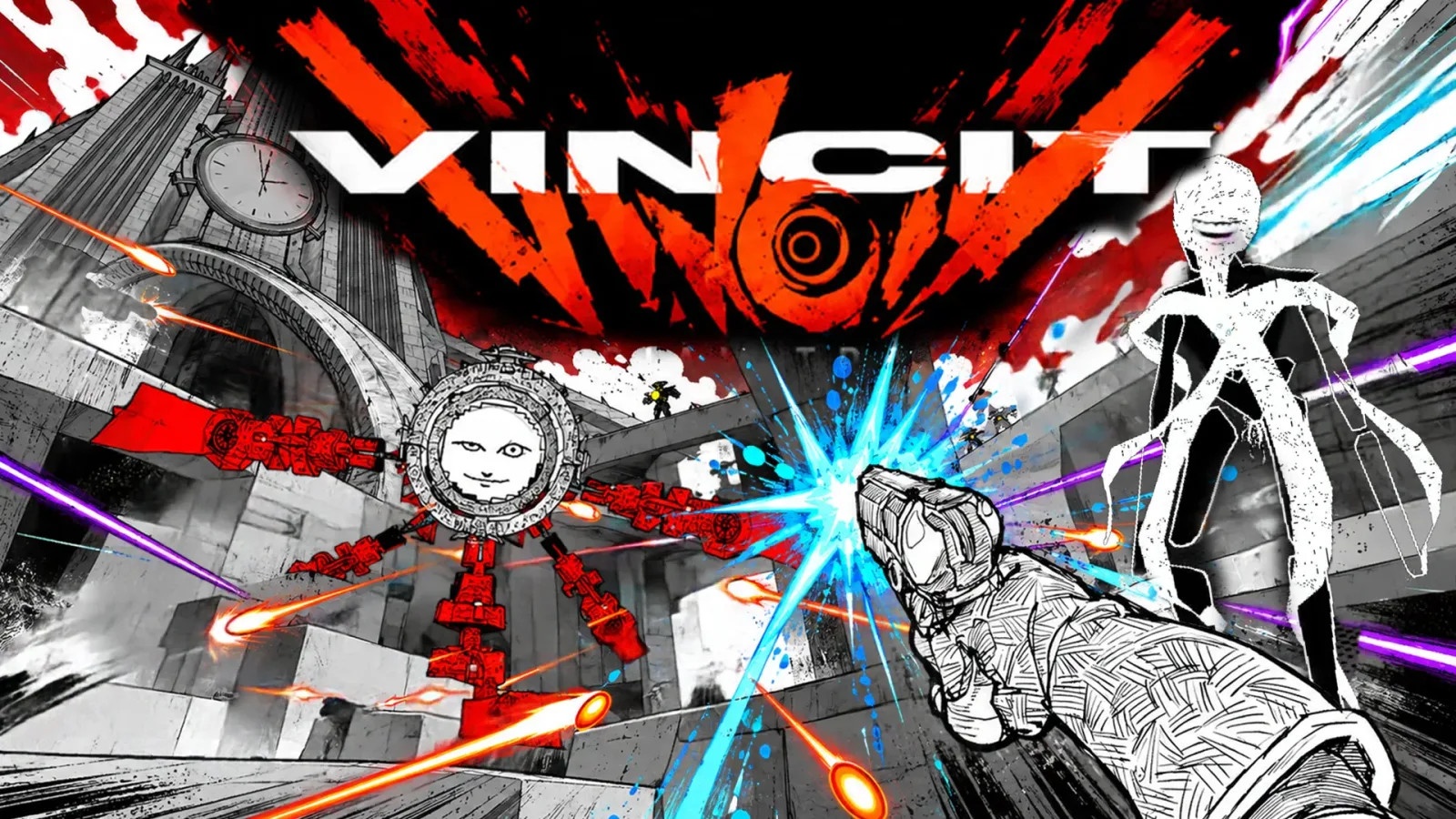
VINCIT, the upcoming first-person shooter from indie developer Cowboy & Clown Games and publisher Xiombarg, has received its official trailer alongside confirmation of its first public playtest. The test is scheduled to begin toward the end of October, giving PC players an early opportunity to try a shooter built around real-time projectile manipulation, spell-like ammunition effects, and fast solo or cooperative action.
The game is currently planned for Steam Early Access in 2027. Before that wider early-access debut, the late-October test is intended to introduce players to VINCIT's central combat idea: bullets are not simply shots fired and forgotten. They are physical elements within the battlefield that can be modified, redirected, combined, ridden, and used to change how an encounter unfolds.
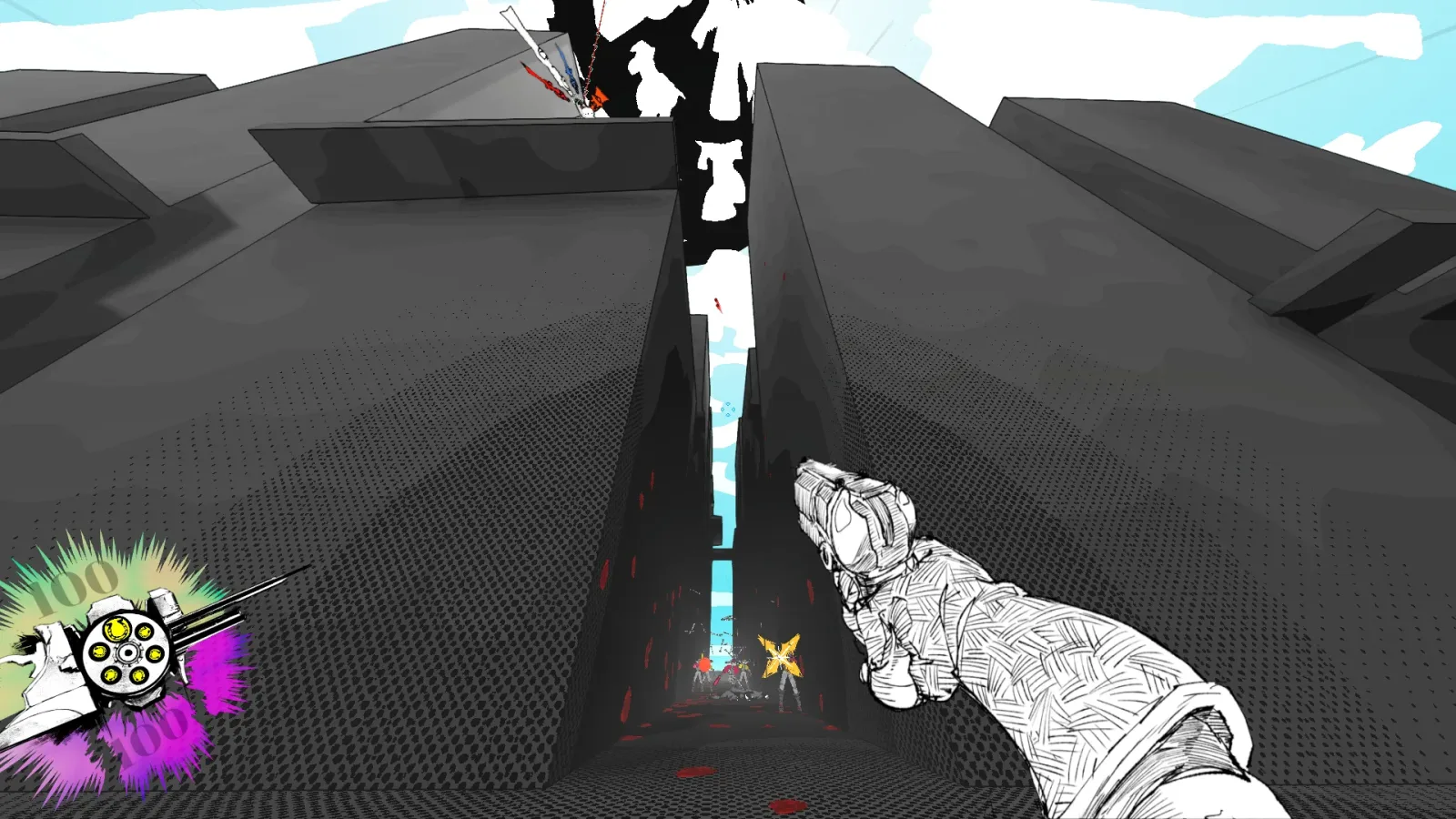
VINCIT presents that mechanical foundation through a bold manga-inspired visual style. Its developers have pointed to the aggressive momentum of ULTRAKILL and the experimental magic combinations of MAGICKA as influences, suggesting a game designed around constant motion and player-driven experimentation rather than a conventional, fixed weapon meta.
Bullets are the centerpiece of VINCIT's combat
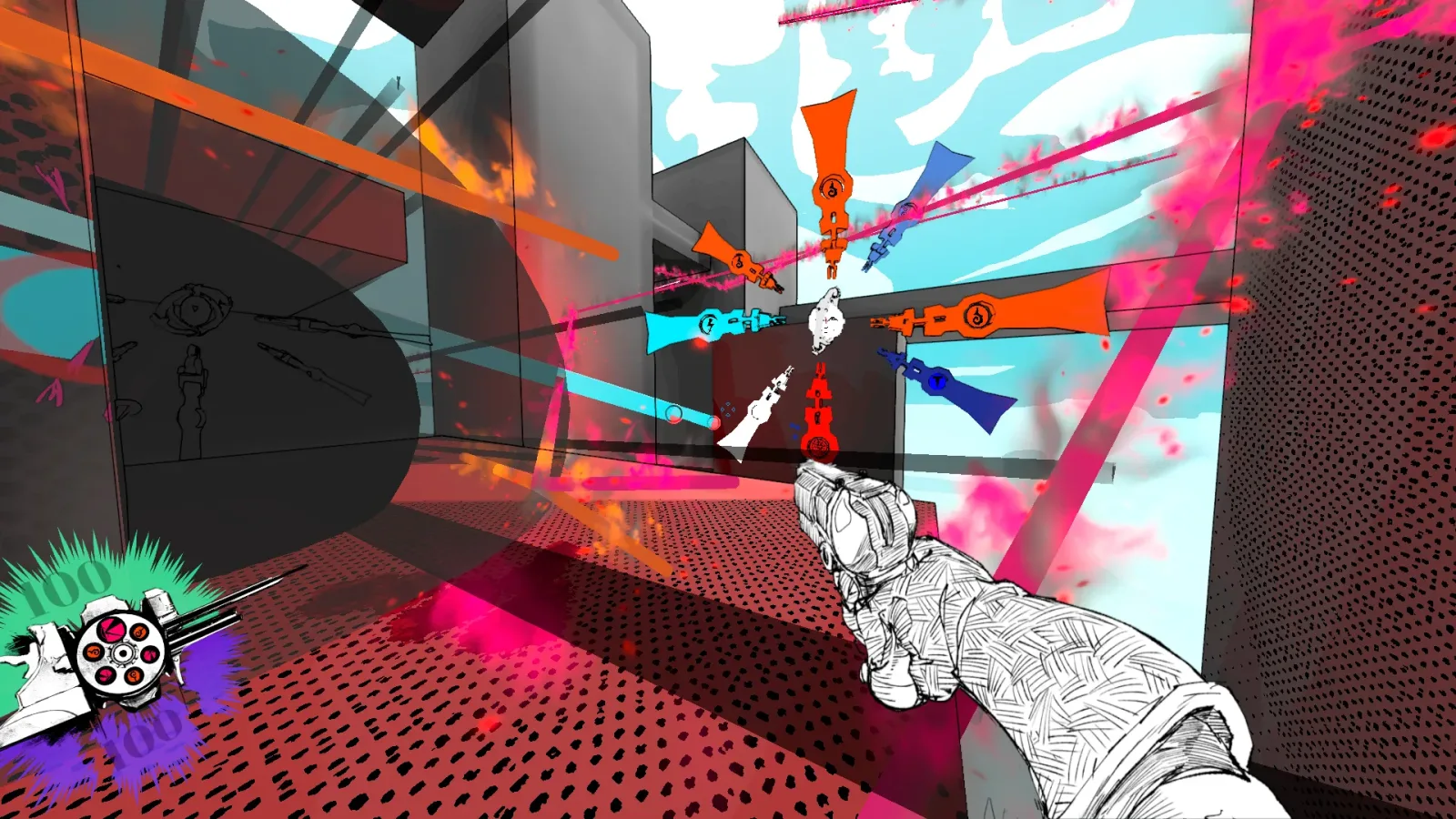
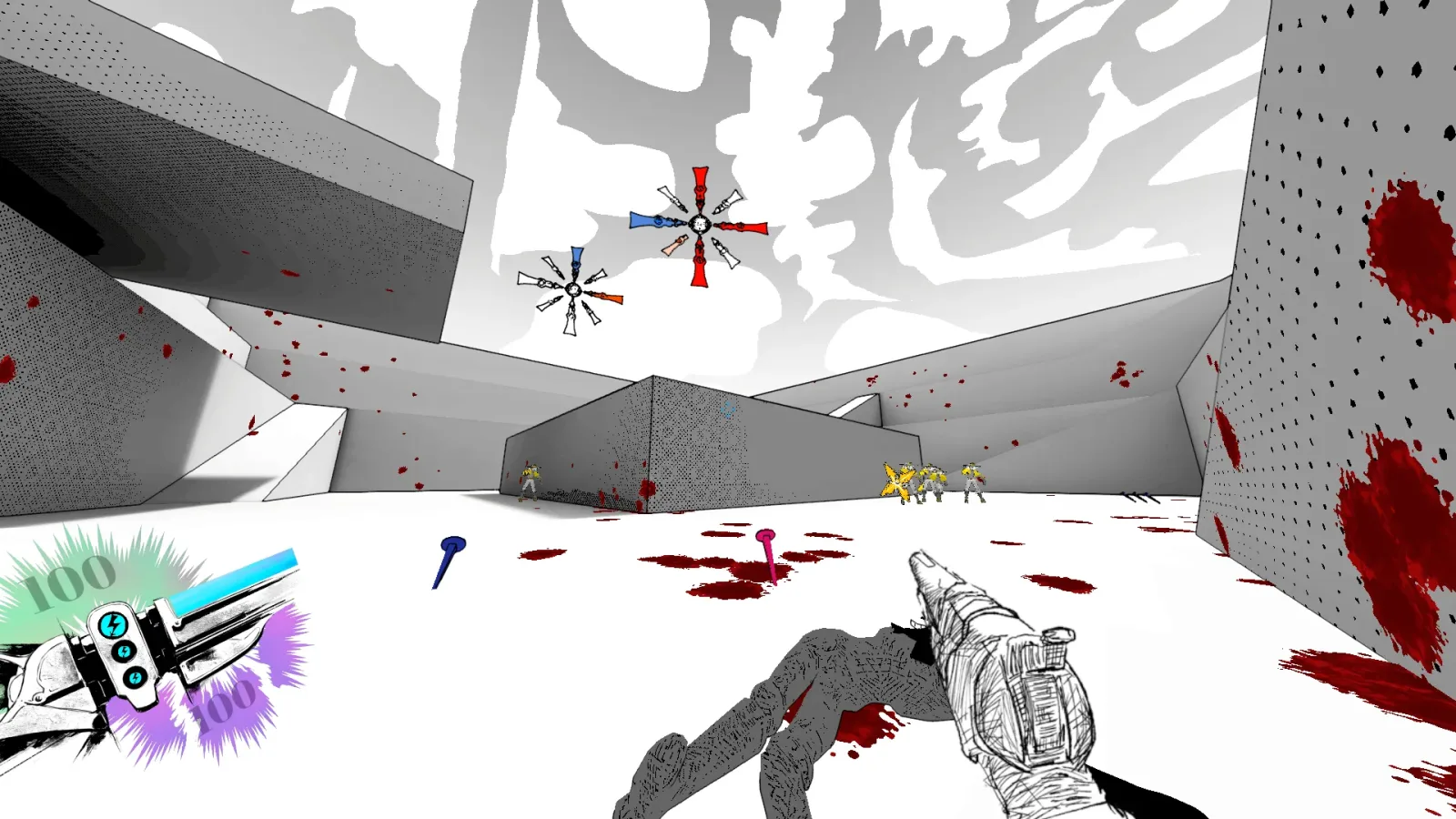
The defining system in VINCIT is its customizable ammunition. Players can infuse bullets with a range of effects, then use those modified projectiles against enemies, alongside other effects, or within the environment itself. The announced examples include Fire, Water, Electricity, Healing, and Nails, with dozens of effects said to be available across the game's customization framework.
For useful background on this topic, read Nintendo Switch Online Expands GBA Classics With Monster Rancher, Metal Slug and Kururin Paradise.
That premise pushes the shooter's combat closer to improvised spellcasting. A player is not just choosing whether to equip one gun or another; they are expected to consider what an individual shot can do after it leaves the weapon. A projectile may become a tool for damage, mobility, setup, recovery, or environmental interaction depending on the effects attached to it and the situation at hand.
Physical behavior is an especially important part of that design. VINCIT's bullets can be redirected in real time, transformed, or even walked on. That opens up the possibility of using ammunition as temporary terrain or as a route through the arena, rather than treating it only as a way to eliminate targets. In a rapid FPS, that could create a steady flow between attacking opponents and using one's own gunfire to maintain movement.
The developers also emphasize interactions between effects. Instead of every modifier operating in isolation, combinations are meant to create distinct outcomes when they meet enemies, other projectiles, and the surroundings. The details of every available synergy have not yet been outlined, but the broad goal is clear: VINCIT wants players to discover solutions during combat, adapt those solutions when a situation changes, and build their own style around unusual projectile behavior.
Combat encounters are designed to react
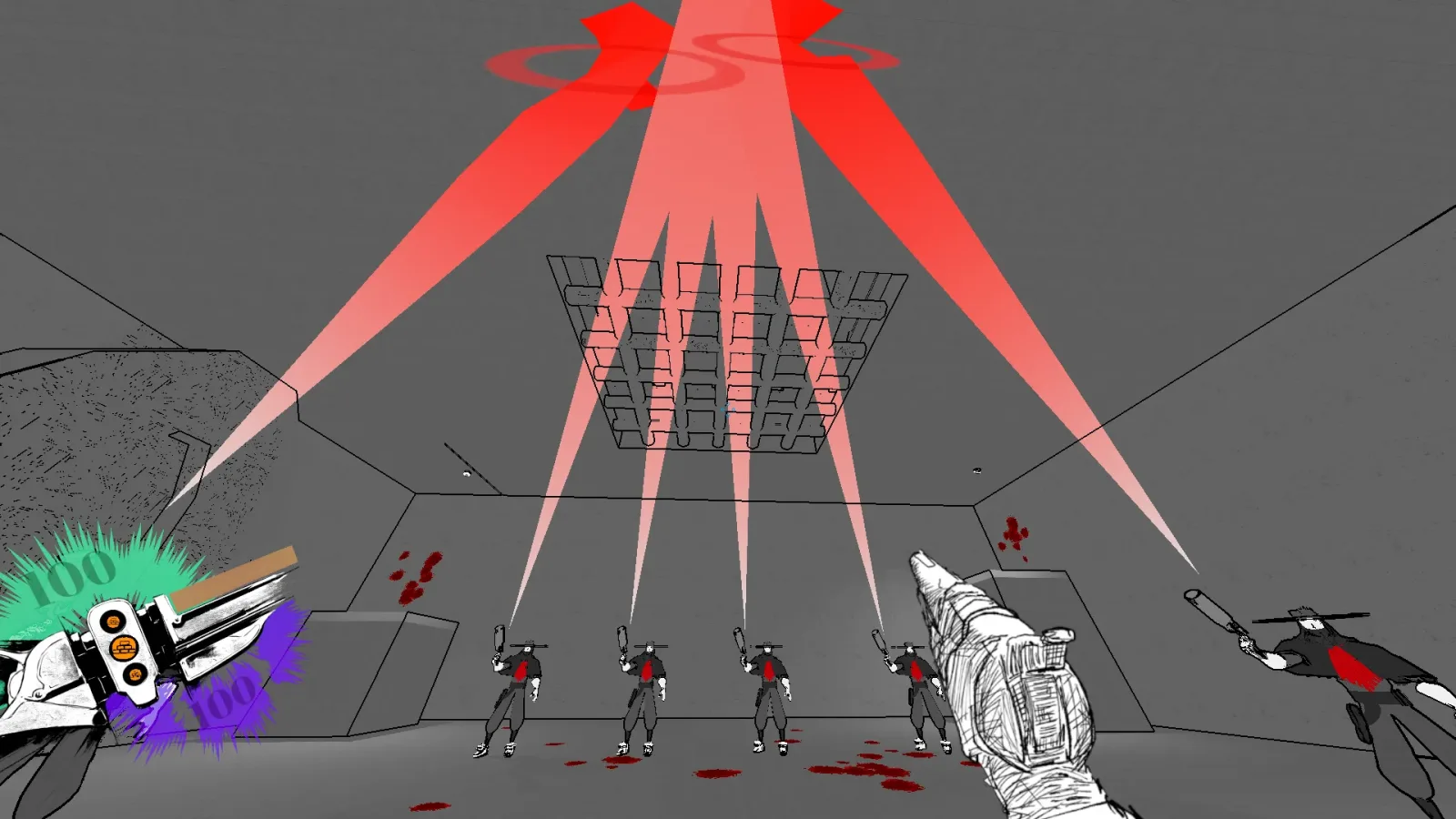
VINCIT's enemy roster is being framed as more than a collection of targets with different health bars. Cowboy & Clown Games describes opponents as reactive puzzles, with enemy types that can interfere with familiar shooter habits. The revealed threats include bounty hunters, living machines, and eldritch horrors, each with behaviors that may force players to rethink an otherwise reliable approach.
Some enemies can parry attacks, steal health, teleport, or absorb bullets. Those abilities matter significantly in a game where bullets are such valuable and flexible objects. An opponent that absorbs projectiles, for example, may not only reduce direct damage but also disrupt a carefully prepared elemental interaction or deny a player a planned movement option. A parry-capable foe could similarly make careless high-speed firing risky.
As a result, the promise of VINCIT is not merely that players will have numerous ammunition effects at their disposal. The larger appeal is the exchange between those systems and enemies that can respond in disruptive ways. Players may need to redirect a shot, apply another effect, alter their position, or coordinate with a teammate when the original plan is interrupted.
That approach gives the game potential to make experimentation useful beyond novelty. The more an enemy's behavior changes the terms of an encounter, the more valuable it becomes to have flexible tools available. VINCIT appears to be pursuing a combat loop in which knowledge of effects, awareness of physical space, and quick reactions all carry equal weight.
Solo play and high-speed co-op are both planned
VINCIT is being developed for both single-player sessions and co-op runs. While the announcement does not specify a player count for cooperative play, the stated focus on high-speed co-op suggests that the projectile system is intended to support shared improvisation as well as individual mastery.
Co-op could be a natural fit for the game's effect-combination philosophy. One player may create an opening with an elemental shot while another changes the direction of a projectile, turns it into a traversal opportunity, or capitalizes on an enemy's vulnerability. The same systems that make individual combat unpredictable could create hectic team strategies when several players are acting at once.
At the same time, solo players will be able to engage with the game's full FPS framework without requiring a group. That matters for a title whose mechanics appear to reward repeated practice and experimentation. Learning how a particular bullet effect behaves, how it interacts with the environment, or how a specific enemy counters it may be just as rewarding alone as it is in a coordinated session.
The trailer announcement positions speed as a major part of the experience in both modes. VINCIT is not being presented as a slower tactical shooter where every shot needs to be carefully rationed. Its design points toward momentum, quick decision-making, and the ability to make an unexpected idea work while moving through a chaotic encounter.
A late-October chance to test the concept
The first public playtest will begin at the end of October. Players interested in taking part can request access through VINCIT's Steam store page, where the game can also be wishlisted. No more precise start date or duration for the test has been confirmed in the announcement.
Public tests are especially useful for a game with systems as interdependent as VINCIT's. A bullet-customization feature can sound compelling in a trailer, but its success will depend on how naturally players understand the options under pressure, whether different effects feel worthwhile, and how enemies respond to creative tactics. Feedback from players can help a developer assess those questions before Early Access begins.
The playtest may also provide the first broader impression of how the game's intended pace works in practice. The combination of physical projectiles, mobility tools, reactive enemies, and cooperative play has the potential to produce spectacular moments, but it also presents a significant readability challenge. Players will need to recognize what their shots are doing while also reacting to threats and navigating the arena at speed.
VINCIT's manga art direction may help distinguish the action visually, particularly if it keeps important projectile effects and enemy actions clear amid the chaos. The announcement has not detailed technical requirements, controller support, or the full content scope of the initial test, so prospective participants will need to watch the Steam page for additional information as the test approaches.
Steam Early Access is planned for 2027
Following its public testing period, VINCIT is aiming for a Steam Early Access release in 2027. The announcement does not provide a specific launch window within that year, nor does it outline how long the game is expected to remain in Early Access. It also does not confirm platforms beyond Steam on PC.
For now, the official trailer and upcoming playtest establish the game's priorities: expressive gunplay, flexible ammunition, fast movement, reactive adversaries, and the option to tackle the action alone or with others. The result is an FPS concept that treats every bullet as something players can continue to shape after pulling the trigger.
Players who want to follow VINCIT's progress toward its 2027 Early Access plans can wishlist it on Steam and request playtest access ahead of the late-October public test. With a premise built on combinations and improvisation, the first hands-on sessions should offer a clearer look at how much freedom its unusual projectile systems give players when the action starts moving at full speed.


Community
Discussion
Start the conversation.
No comments have been posted yet.