

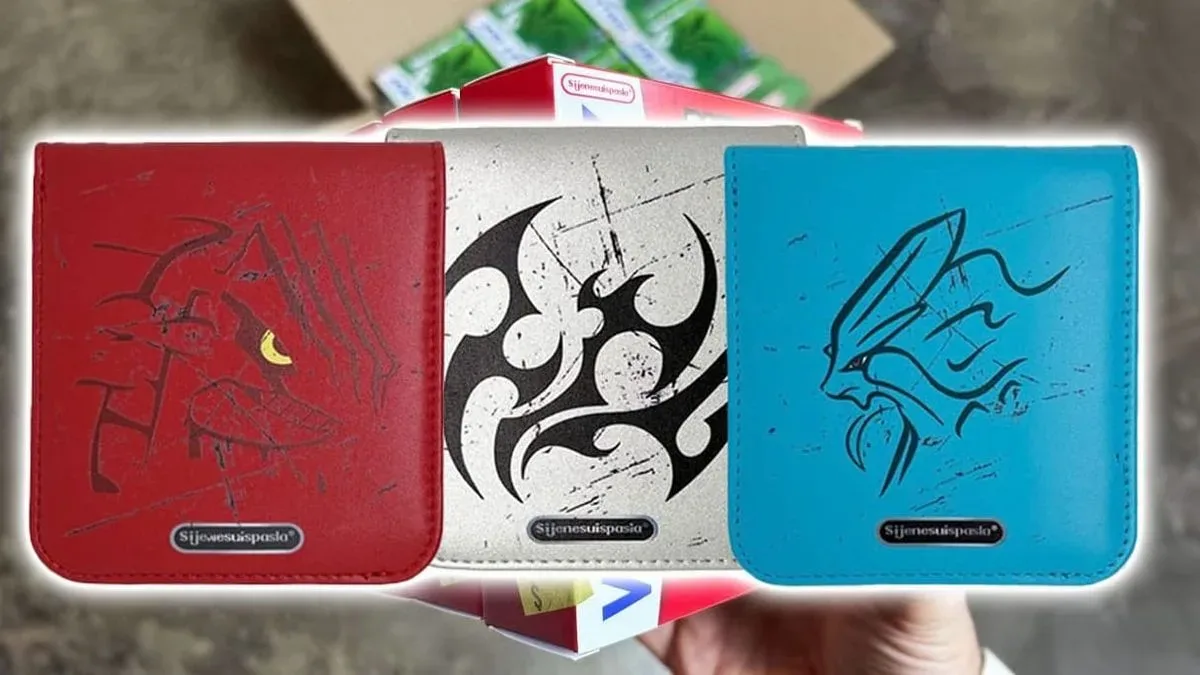
Gaming nostalgia has found its way onto shelves, desks, clothing, and even home décor, but wallets are not usually the first accessory that comes to mind when thinking about fan merchandise. Wallet Boy, a new range from designer sijenesuispasla, makes a convincing case for changing that. The collection turns the familiar shape and visual language of the Game Boy Advance SP into a compact everyday wallet, giving fans an accessory that looks more like a cherished handheld than a conventional card holder.
The products are described on the designer's website as Cameboy SP Wallets, a naming choice that clearly nods toward Nintendo's folding Game Boy Advance SP while avoiding use of the official console name. There are five initial designs, each drawing from a distinct part of Nintendo and Pokémon history: Pokémon Ruby, a GBA SP Tribal model, Pokémon Crystal, Zelda Triforce, and Pokémon Sapphire. For anyone who remembers carrying a handheld around in a backpack or pocket, the appeal is immediate.
A wallet designed like a handheld
The central idea is simple but unusually effective: take the visual identity of a beloved portable system and apply it to a practical item. Rather than merely placing a game logo on a standard leather wallet, the Wallet Boy designs aim to evoke the Game Boy Advance SP itself. Their exterior styling, including the back panel, recalls the look of Nintendo's clamshell handheld hardware.
That approach gives the pieces a stronger sense of novelty than a typical licensed-looking accessory. The Game Boy Advance SP was not just another console; its flip-open design made it feel like a compact gadget from the future when it arrived. Reimagining that form as a wallet means the item can work as both a usable accessory and a small piece of gaming culture carried every day.
For useful background on this topic, read Kiriko and Widowmaker Join Fortnite's Growing Overwatch Collection.
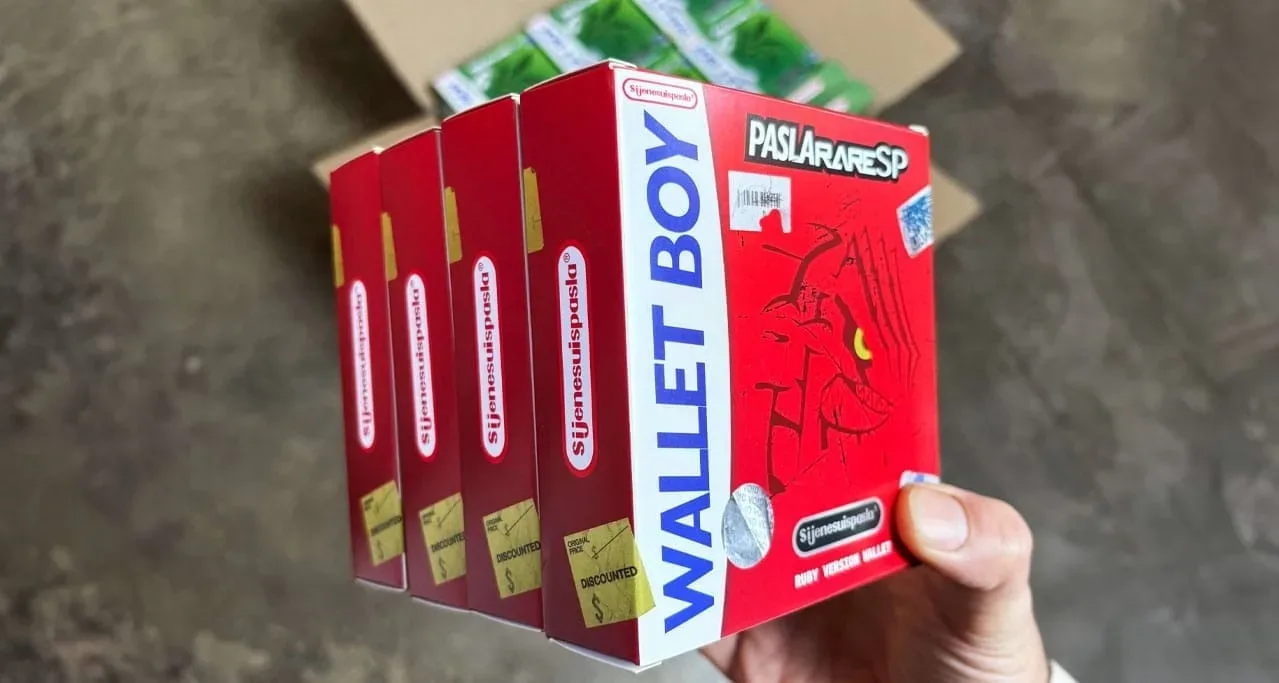
The packaging reinforces the illusion. Wallet Boy boxes use branding that resembles a Game Boy Advance game package, with Wallet Boy and PASLARARESP featured prominently. At a glance, it could be mistaken for a retro handheld title arriving in the mail rather than a wallet. It is a thoughtful presentation detail, particularly for collectors who value packaging almost as much as the item inside it.
Five styles built around Nintendo-era favorites
The first Wallet Boy lineup covers a mix of console aesthetics and well-known game inspirations. Pokémon Ruby and Pokémon Sapphire naturally suit the concept: both were defining Game Boy Advance releases, and their bold color associations translate neatly to an accessory modeled after the system. Pokémon Crystal looks further back to the Game Boy Color era, offering a different branch of portable Pokémon nostalgia.
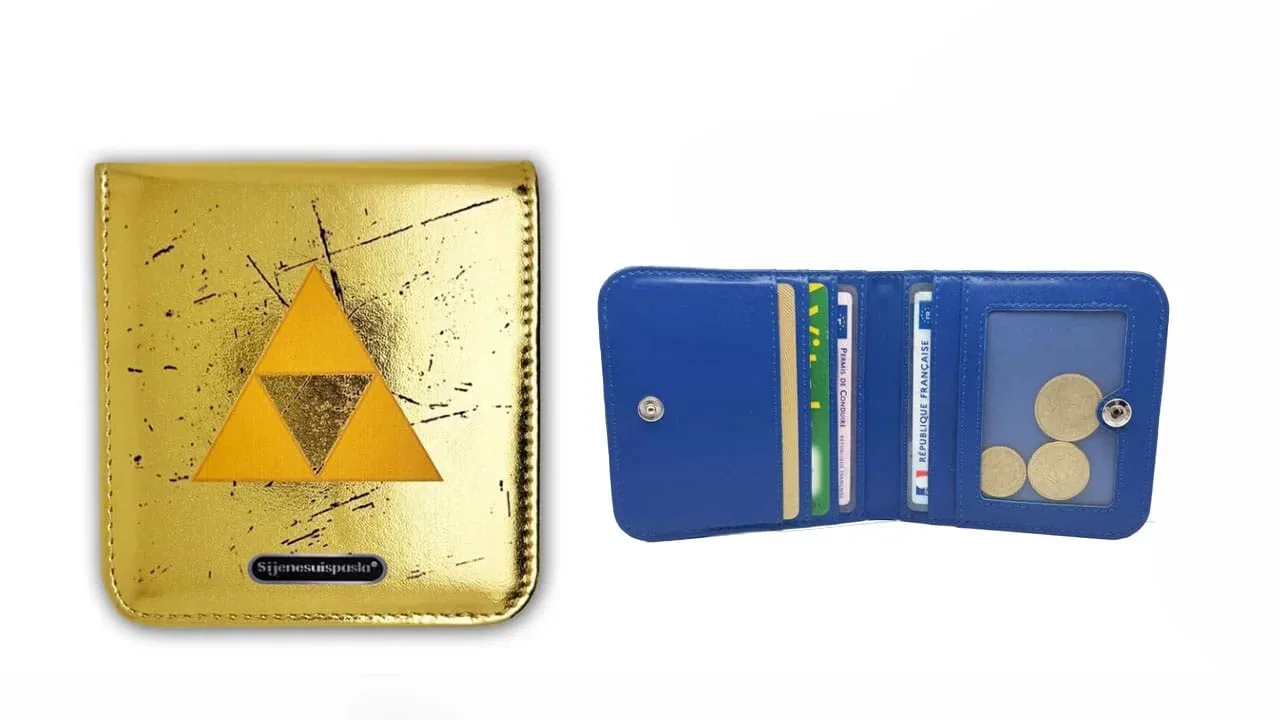
The Zelda Triforce design broadens the collection beyond Pokémon. The Triforce remains one of the most instantly recognizable symbols in Nintendo history, and its inclusion makes the lineup feel less like a single-series novelty and more like a broader celebration of handheld-era gaming. Meanwhile, the GBA SP Tribal option appears to draw from the memorable tribal-patterned Game Boy Advance SP hardware design, a look that has become particularly sought after among retro hardware fans.
- Pokémon Ruby
- GBA SP Tribal
- Pokémon Crystal
- Zelda Triforce
- Pokémon Sapphire
Each wallet is designed to hold the essentials expected of an everyday carry item: cards, coins, and notes or bills. That practical capacity matters, because the success of an accessory like this depends on it being more than a display piece. A clever shell with no room for modern payment cards would be a short-lived gimmick. The Wallet Boy range is intended to be used, whether it is carried in a bag, pulled out at a checkout counter, or kept as part of a gaming collection.
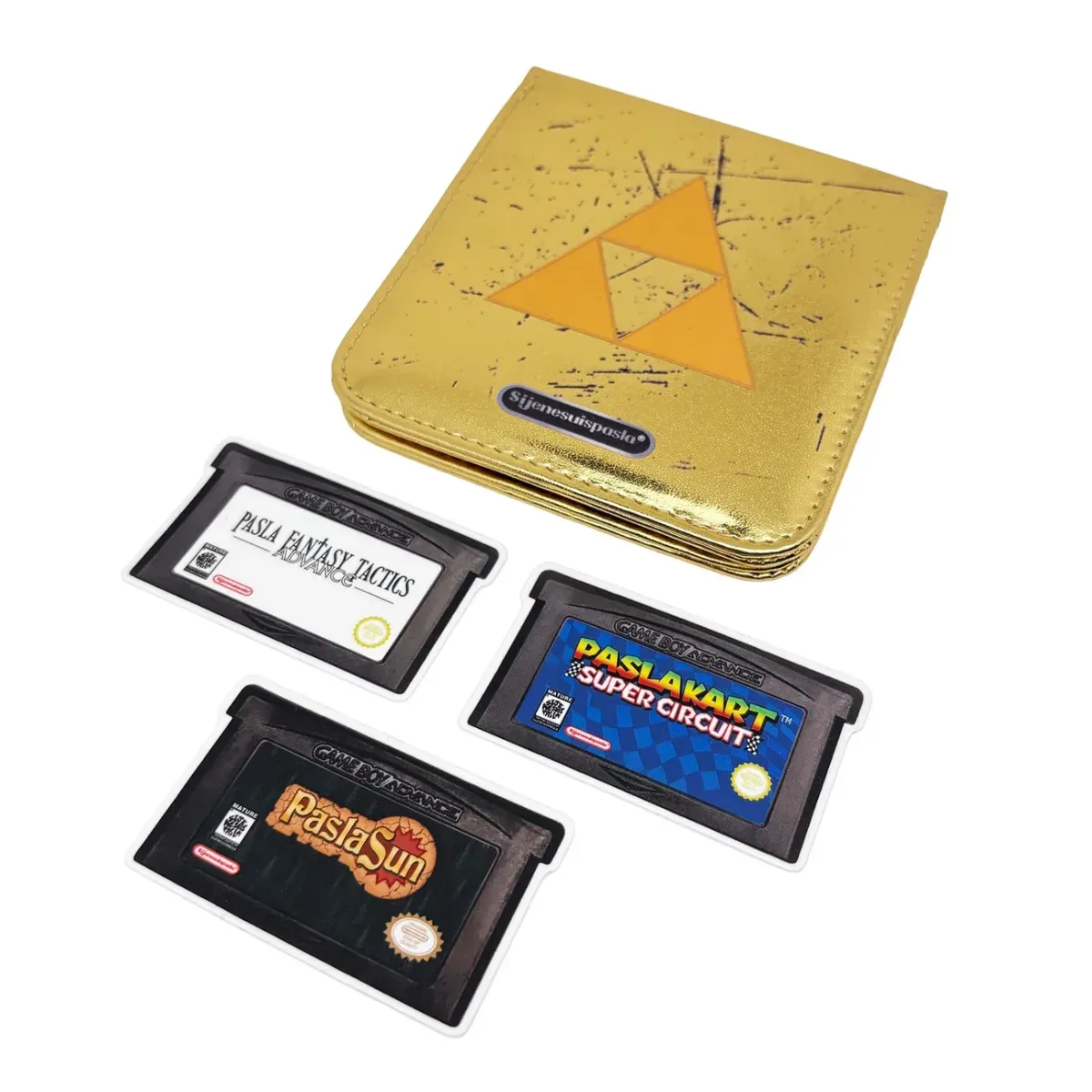
Buyers also receive game-themed stickers with their wallet. The small extra fits the presentation well, extending the retro game-package feel past the wallet itself. Stickers may be a modest inclusion, but they strengthen the sense that opening one of these is meant to resemble unboxing a newly purchased handheld game.
Limited numbers add a collector angle
Every initial design is limited to 50 units. That is a notably small run, especially when split across five distinct versions. For collectors, the low production count makes the range more appealing; for anyone who simply wants a wallet, it means a preferred design may not remain available for long.
Limited accessories occupy an interesting place in gaming culture. They can be used every day, but scarcity also encourages owners to preserve them. That tension may be especially relevant here. A wallet is inherently an object that gets handled, put into pockets, and exposed to the routine wear of daily life. At the same time, the Game Boy Advance SP-inspired styling and collector-oriented box could make some buyers reluctant to use one too heavily.
That is not necessarily a drawback. The best gaming accessories often manage to serve two audiences at once: people who want a functional item with personality, and people who enjoy owning a distinctive physical tribute to a favorite era. The Wallet Boy line appears designed with both groups in mind.
Price and possible future designs
The Wallet Boy Cameboy SP Wallets are priced at EUR45, which is approximately £38 or $50. For a niche, limited-run accessory with detailed themed presentation, the price places it above an ordinary budget wallet but below the cost of many larger collector items. Whether that feels worthwhile will depend on how much value a buyer places on the design, materials, and small-batch nature of the release.
There may also be more designs on the way. Imagery associated with the Wallet Boy packaging appears to hint at a possible Rayquaza-themed version. However, that design has not been formally detailed as part of the currently listed five-wallet selection, so it should be treated as a potential future addition rather than a confirmed release.
A Rayquaza model would make sense beside Pokémon Ruby and Sapphire. The legendary Pokémon has a close connection to the Hoenn era and would offer a natural way to expand the set. Still, until sijenesuispasla provides further confirmation, the existing five options remain the confirmed collection.
Why the idea works
There is a reason retro gaming design continues to resonate. Hardware from the Game Boy, Game Boy Color, and Game Boy Advance generations was built to be carried around, personalized, and shown off. The devices were not hidden away under a television; they were visible companions on car journeys, school breaks, holidays, and long waits. A wallet shares that personal, portable quality.
Wallet Boy understands that connection. It does not rely solely on printing recognizable artwork onto an accessory. Instead, it uses the identity of a piece of gaming hardware as its starting point, then layers in game references, packaging nostalgia, and practical storage. The result is playful without requiring a screen, buttons, or electronics.
It also arrives at a moment when physical gaming objects remain deeply valued. Digital storefronts and subscription libraries have made games more accessible than ever, yet collectors continue to seek cartridges, boxes, manuals, handhelds, and accessories that have tangible character. A wallet styled after a Game Boy Advance SP cannot replace the experience of playing Pokémon Ruby or The Legend of Zelda, but it can evoke the same period in a way that fits into everyday life.
For fans of Nintendo handheld history, Pokémon collectors, and anyone tired of plain card holders, the Wallet Boy range is a fun example of how gaming design can cross into fashion and accessories. The pieces are limited, unmistakably retro, and deliberately built to attract attention. More importantly, they take an item most people barely think about and turn it into a conversation piece with a clear connection to one of gaming's most beloved portable eras.
Community
Discussion
Start the conversation.
No comments have been posted yet.