

Steelkrill Studio is taking an unusual approach to authenticity in Where Dolls Hang, its upcoming Mexican psychological horror game inspired by Isla de las Muñecas, or the Island of the Dolls. Rather than limiting its connection to reality to visual inspiration and atmosphere, the project incorporates real-world material directly into the game: photographs of dolls recreated as environmental 3D models, the original images themselves as discoverable objects, and real VHS tapes containing classic films that can be watched through in-game televisions and players.
The announcement, dated September 18, 2026, frames the feature as a deliberate attempt to make the boundary between the game's fictional nightmare and real media less certain. In a genre built on unease, mystery, and unreliable perception, that choice could give exploration a more unsettling quality. A doll hanging in an abandoned setting is already an evocative image; learning that it has been modeled from an actual photograph changes the relationship between the player and the object.
Where Dolls Hang is currently in development and can be wishlisted on Steam. No release date was announced alongside this update.
Real Images Behind the Game's Dolls
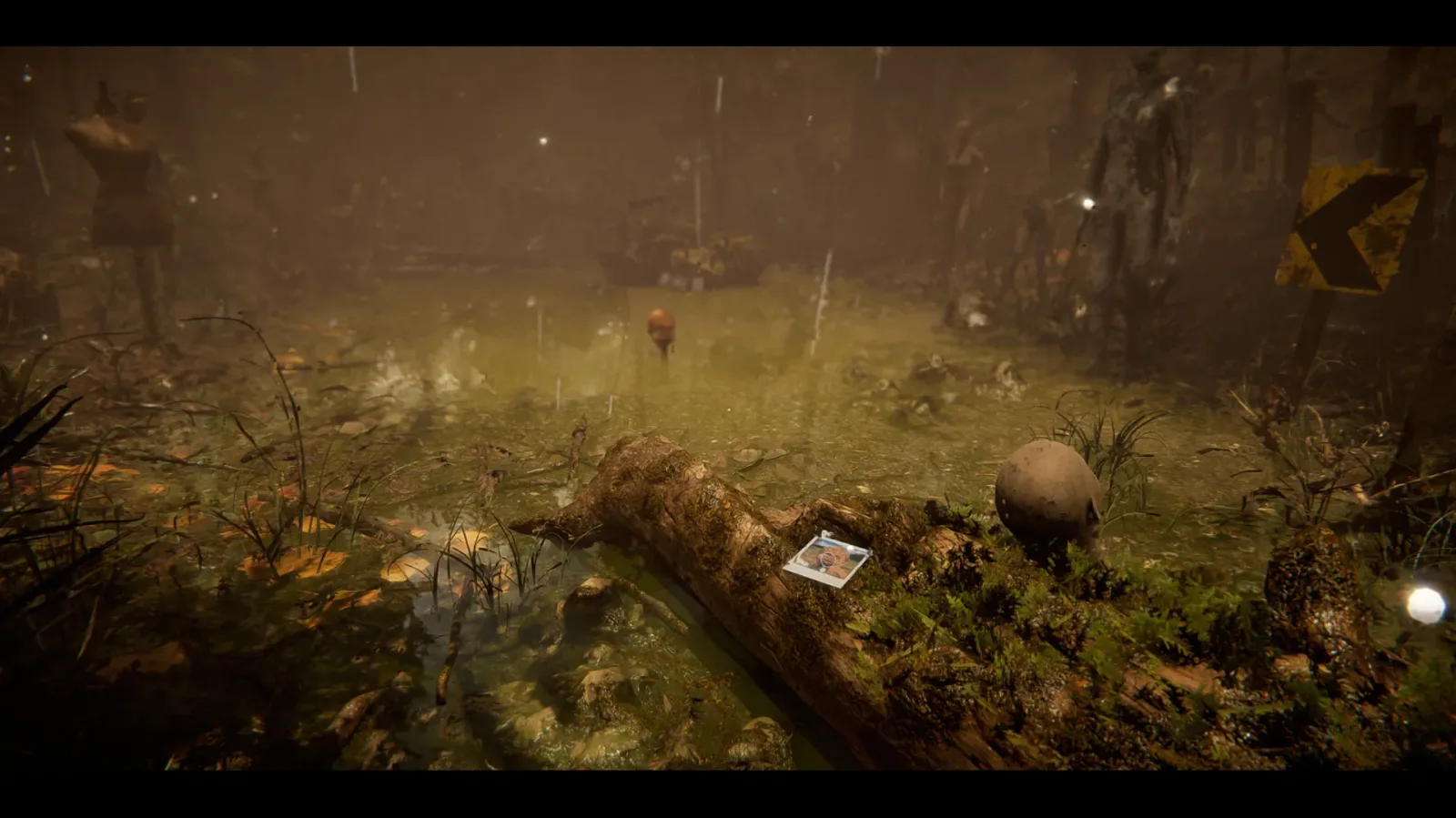
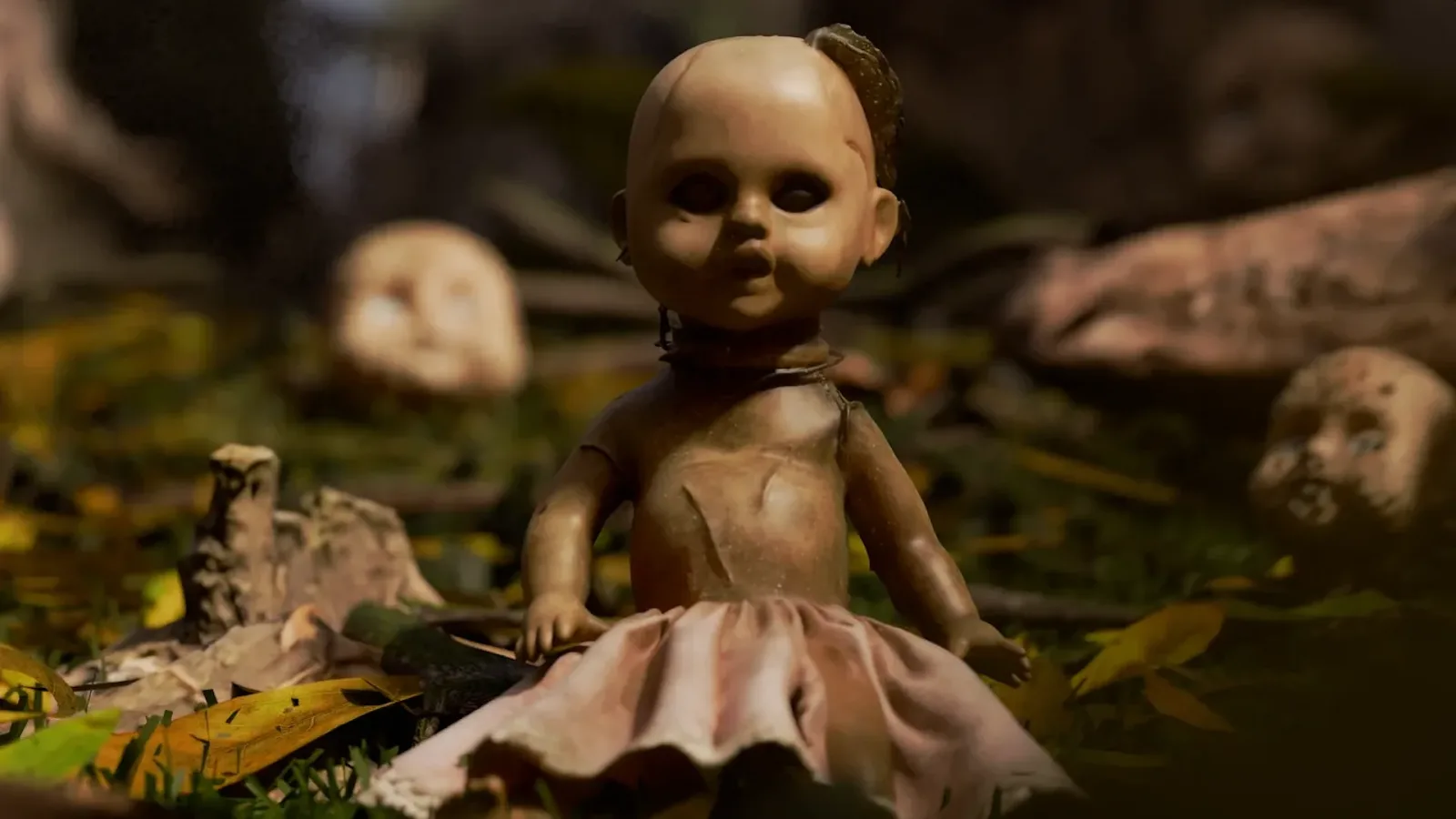
The central detail is straightforward but effective: some of the doll pictures used in Where Dolls Hang were recreated from real photographs. Players may find 3D doll models in the game world that trace back to those real-life images. The photographs that inspired them can also be discovered in-game.
For useful background on this topic, read Metal Gear Solid 2 VR Mod Turns the Tanker Mission Into Raiden's Training Ground.
That creates a layered form of exploration. Players are not only encountering a doll as part of a horror environment; they may also encounter the image that informed its creation. The game is therefore using two versions of the same unsettling object: one transformed into the game's three-dimensional world, and another preserved as a real photograph. The distinction matters because it gives the player a tangible point of comparison between fiction and reality.
Psychological horror frequently relies on questions of interpretation. Is a detail meaningful, imagined, supernatural, or merely part of the environment? The use of real photographs does not answer those questions. Instead, it may make them feel more immediate. A photograph can carry a documentary quality even when it appears in a fictional context, while a recreated 3D model belongs more clearly to the designed game space. Finding both allows the game to put those sensations side by side.
There is also a collectible dimension to the feature. Discoverable photographs could encourage close examination of environments, with players looking for images that reveal another perspective on objects they have already encountered. Steelkrill Studio has not detailed how many photographs are included, how they are distributed through the game, or whether every doll has a corresponding image. Still, the announced approach suggests that observation will be an important part of the experience, not just a way to locate a path forward.
For another perspective on this story, read Where Dolls Hang Puts Real Photos and VHS Films Inside Its Isla de las Muñecas-Inspired Horror.
VHS Tapes That Can Be Played in the World
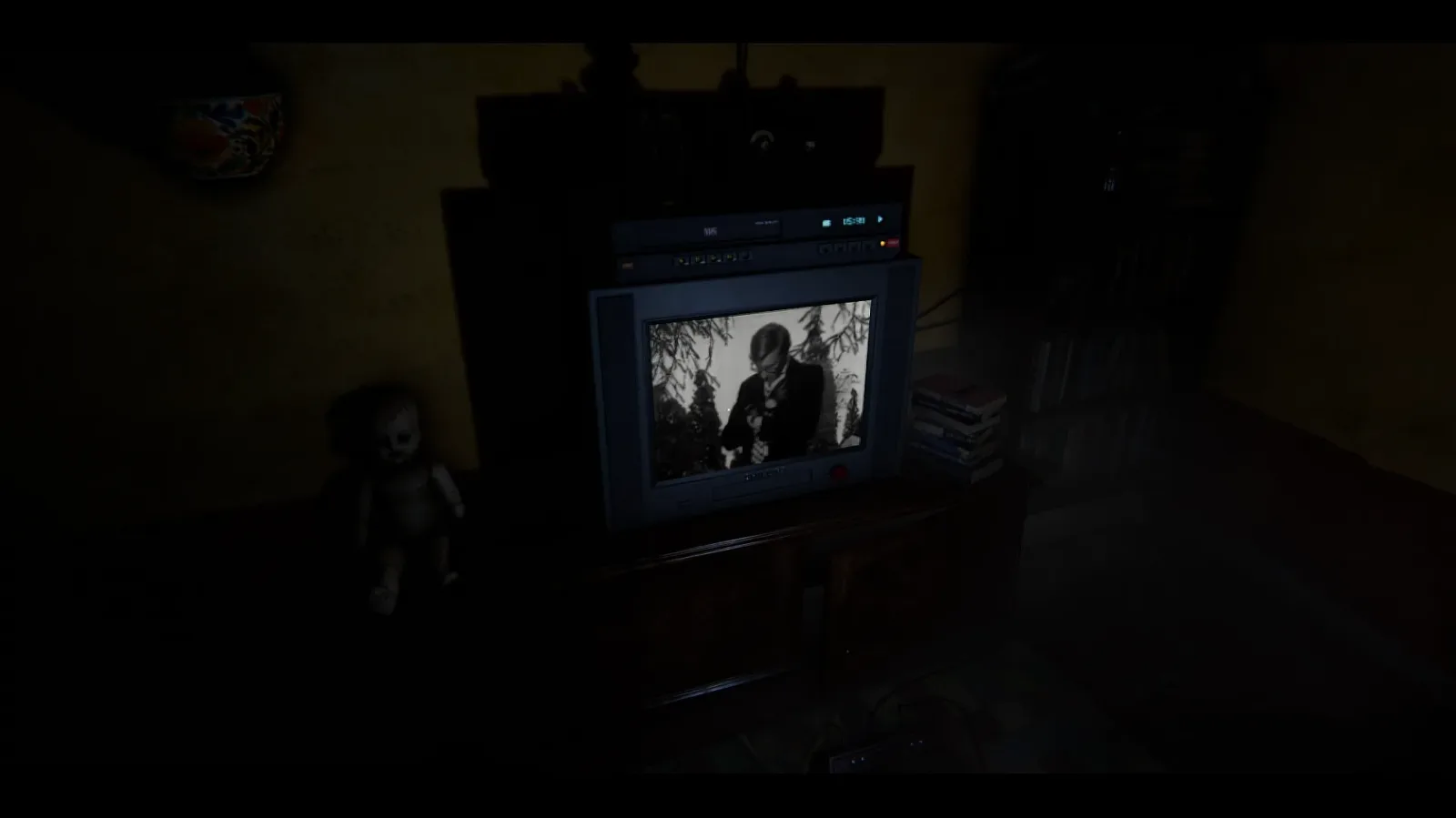
The real-world element extends beyond still photography. Players will be able to find real VHS tapes and classic films within the game world. Those tapes can be inserted into in-game televisions and VHS players, allowing the material to be watched directly while the surrounding world continues to unfold.
That last aspect separates the feature from a conventional menu-based bonus gallery. The films are not simply described as unlockable videos or separate extras. They are presented through objects in the environment: a tape must be found, a compatible player or television must be used, and the player remains in the game's space while the footage plays.
This can make even a familiar act--putting a tape into a VCR--feel more exposed in a horror setting. Players are asked to divide their attention between the screen and the room around them. The announcement does not specify which films will appear, how long they can be viewed, or whether their presence is connected to puzzles or story progression. What is clear is that the media is intended to be experienced as part of the world rather than as a pause from it.
VHS imagery has long been associated with horror because of its visual texture: tracking noise, worn tape, low resolution, and the sense of encountering an artifact from another time. Where Dolls Hang is using actual tapes and classic films in addition to that aesthetic association. The result is a potentially more direct collision between the game's constructed locations and media that originated outside them.
That collision is at the heart of the concept. A fictional television inside a fictional horror game can be a set dressing object. A television playing real film material becomes something else: it is both part of the haunted space and a window to footage that was not created solely as an in-universe prop. Steelkrill Studio's announced design lets the player engage with that tension without leaving the game.
An Isla de las Muñecas-Inspired Setting
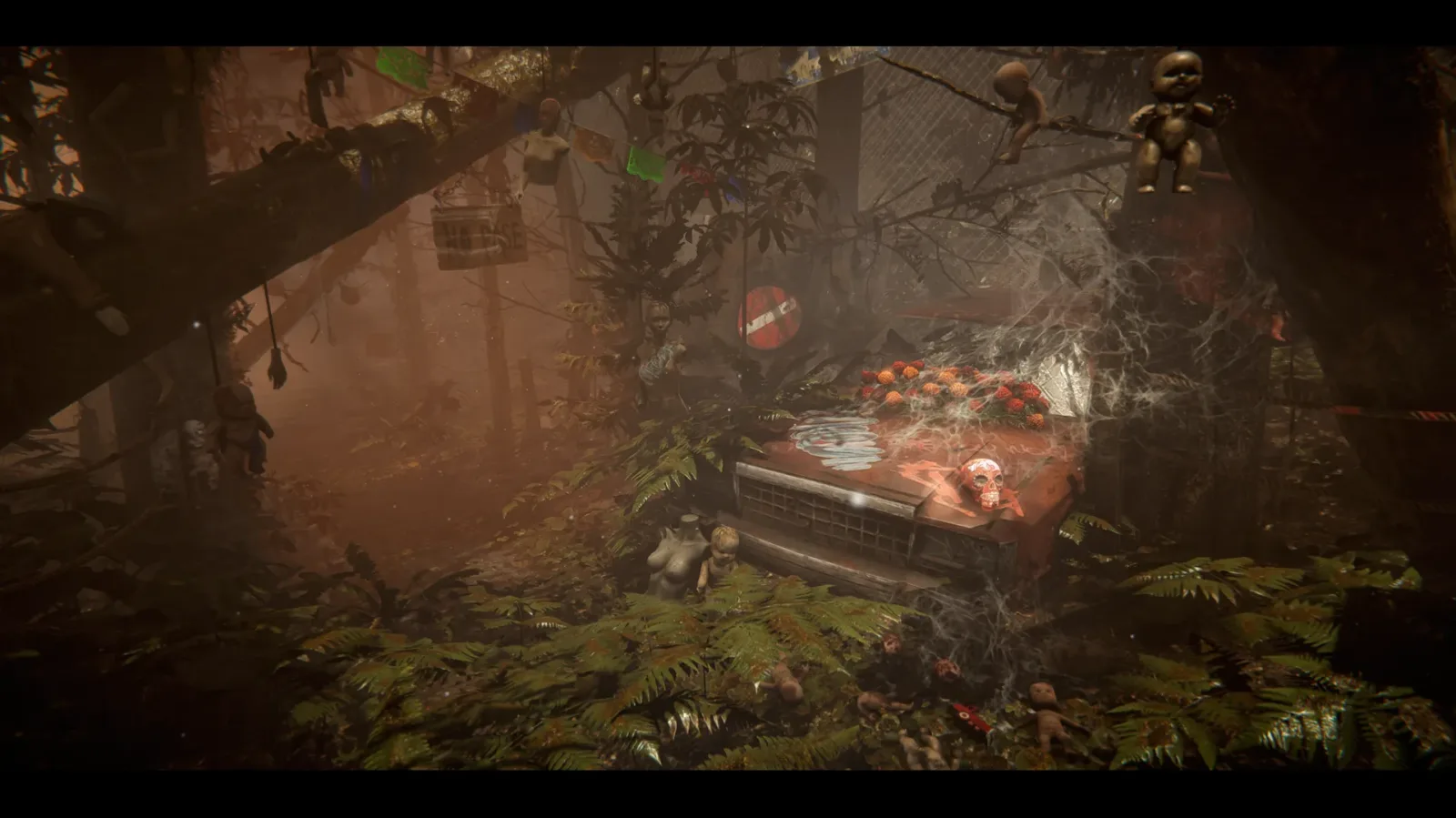
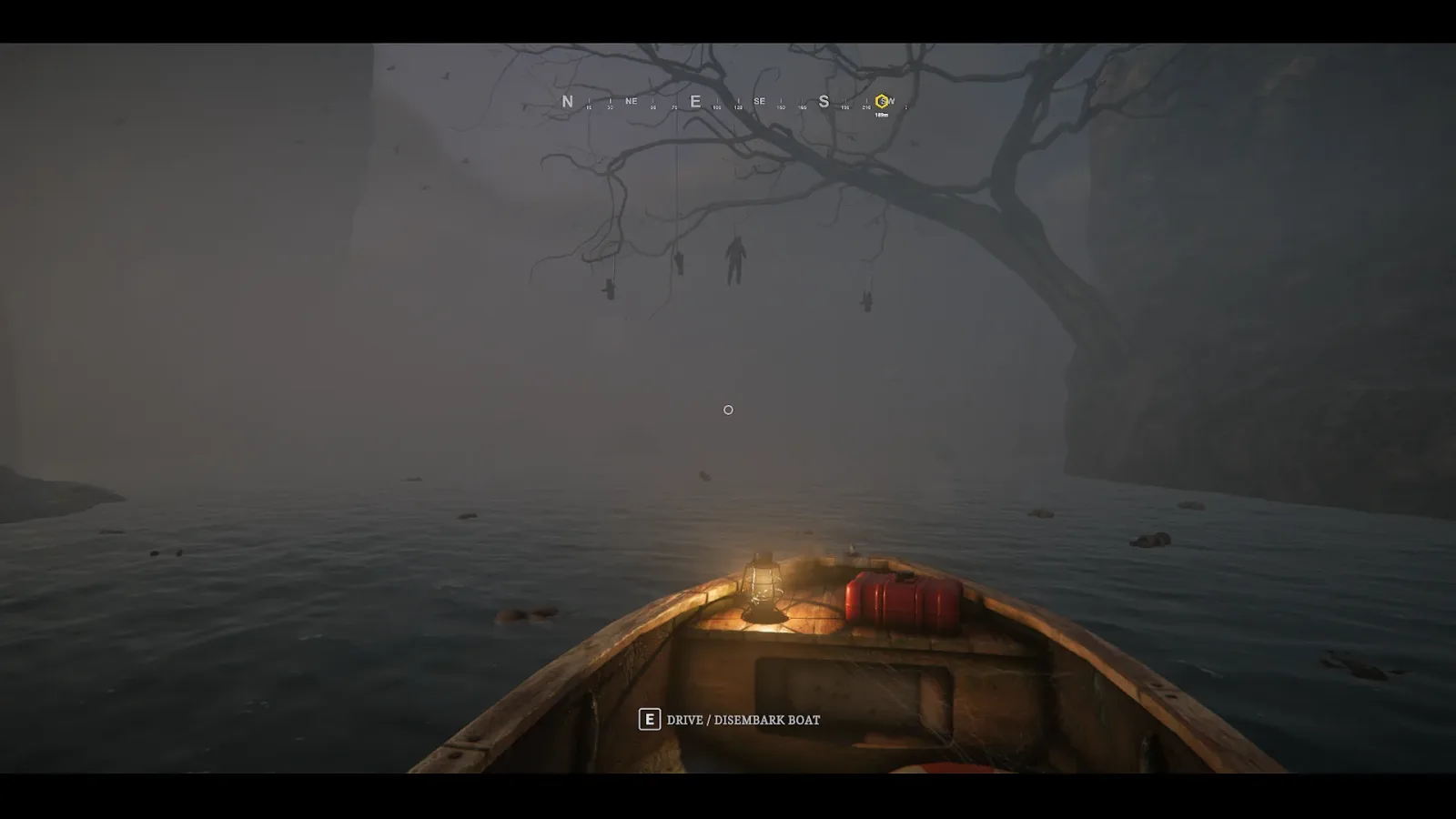
Where Dolls Hang draws inspiration from Mexico's Isla de las Muñecas, a location widely known for its large number of dolls displayed among the island's vegetation and structures. The image of weathered dolls hanging from trees and appearing in unexpected corners has become a powerful piece of horror iconography, but the game's approach appears to be focused on turning that visual unease into a psychological horror framework.
The newly shared details reinforce that focus. Rather than treating dolls only as decorative threats or jump-scare material, the game is connecting some of them to real photographs. The photographs can then be found alongside the recreated models, making the player's act of looking a recurring part of the premise.
It is important to distinguish inspiration from recreation. The game is described as being inspired by Isla de las Muñecas; Steelkrill Studio has not said that it is a direct, literal adaptation of the island or that its setting is intended to replicate every detail of the real location. The announced material instead points to a fictional horror experience that draws on the island's striking imagery while bringing selected real-world references into its own world.
For players interested in horror that leans into place, objects, and atmosphere, that combination may be more compelling than a purely fictional haunted setting. Real photographs can make an environment feel grounded, but they can also destabilize it. The player is invited to ask whether an image is a clue, an artifact, a piece of background lore, or simply something unnerving that exists because it once existed outside the game.
Why the Blurred Boundary Matters
Modern horror games often use imitation media to establish mood. They may reproduce the look of found footage, create fictional broadcasts, or build retro interfaces that suggest another era. Where Dolls Hang is taking a related but distinct route by placing real photographs and real film material inside its own fictional structure.
The approach can make exploration feel less predictable. If players know that some discovered objects have real-life origins, even mundane environmental details may demand a second look. An image on a wall, an old tape on a shelf, or a doll positioned in a remote corner could carry a connection that is not immediately apparent. This does not necessarily mean every object is based on something real, and no such claim has been made. But the confirmed presence of authentic media introduces an ambiguity that horror can use effectively.
It also creates a different kind of immersion from photorealistic graphics alone. Visual realism tries to make a fictional place look believable. Here, the game is also using material that began as real media. The goal appears less about making players mistake the game for reality and more about letting reality leave a visible trace inside the fiction.
That can be especially potent in psychological horror, where discomfort often comes from uncertainty rather than direct confrontation. The player may be safe enough to stand and watch a tape, but that does not mean the act of watching is comfortable. The game world continuing around the viewer makes the decision to engage with the media feel active rather than detached.
What Has and Has Not Been Confirmed
The announcement establishes several specific features: real doll photographs inspired some of the game's 3D models; the original photographs can be found during play; real VHS tapes and classic films can be discovered; and players can use televisions and VHS players in the game to watch those films while remaining in the world.
However, many particulars remain unannounced. Steelkrill Studio has not confirmed the full list of films, the number of tapes or photographs, the exact structure of exploration, or whether the media affects narrative choices, puzzles, endings, or other systems. It has also not announced a launch date. At present, Steam is the confirmed platform through the game's wishlist page.
Those open questions leave room for the final game to define how deeply the real-world material is woven into play. It could function principally as atmosphere and environmental storytelling, or it could become a more central part of the game's mysteries. For now, the key takeaway is the concept itself: Where Dolls Hang intends to let players find real visual references and watch real film material from within a psychological horror world shaped by dolls, isolation, and the unsettling legacy of Isla de las Muñecas.
For a game built around an image as inherently unnerving as hanging dolls, that added layer of reality may be its most distinctive feature. Players will not only be walking through a nightmare designed to resemble a disturbing place. At times, they will be confronted with pieces of media that connect the nightmare back to the real world.
Community
Discussion
Start the conversation.
No comments have been posted yet.