

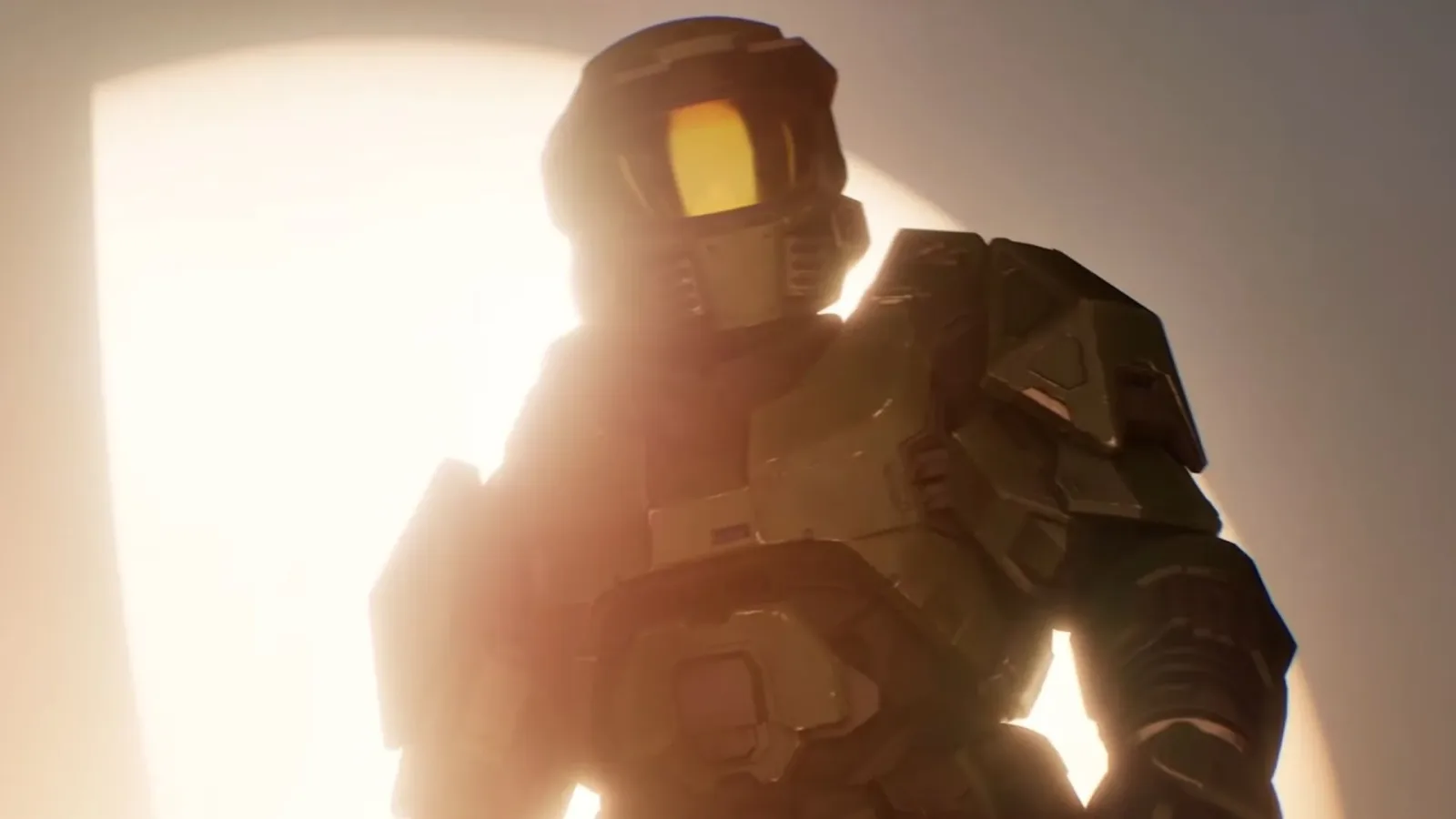
Microsoft's next major Xbox hardware step may be much closer to a high-end enthusiast machine than a traditionally priced living-room console. A new report claims that the company's next-generation system, referred to as Xbox Project Helix, is currently expected to arrive by Christmas 2028. The same report suggests that internal pricing projections place the device somewhere between $1,200 and $1,800, though that figure may not necessarily become the final retail price.
The report also points to a separate Xbox handheld arriving sooner. That device is said to be targeting the 2027 holiday season, potentially creating a two-stage transition into Microsoft's next hardware era: portable hardware first, followed by the flagship console roughly a year later.
Neither the 2027 handheld window nor the 2028 console timing has been officially announced by Microsoft. The reported dates, pricing range, and product strategy should therefore be treated as provisional. Hardware planning can change substantially before launch, particularly for products said to be multiple years away.
A Holiday 2028 Window for the Main Xbox System
The key claim is that Project Helix, described as the next-generation Xbox console, is intended to launch in time for the 2028 holiday shopping period. A Christmas-season release would be familiar territory for the Xbox brand, whose major hardware generations have often been positioned around the final months of the year.
For useful background on this topic, read Mr Magpie's Harmless Card Game Reveals Matt Mercer and Game Pass Day One Plans.
If the 2028 schedule holds, it would put the system well after the current Xbox Series X and Xbox Series S generation, which began in 2020. That would give the existing family of consoles a lengthy market presence before Microsoft moves to a new flagship platform. It would also mean that the next Xbox could arrive at a point when expectations around visual fidelity, performance targets, storage needs, and AI-assisted software features may look very different from today's console landscape.
There is no indication yet of the system's specifications, form factor, launch software, or whether "Project Helix" will remain connected to the eventual consumer name. Codenames frequently change before a device is unveiled, and even a reported launch target does not establish a final product configuration.
Still, the reported date is notable because it sketches out a possible long-term hardware roadmap. Microsoft would apparently be looking beyond simply refreshing its current machines, with a dedicated handheld preceding a larger new console. That sequence could allow the company to test portable Xbox hardware and build an ecosystem around it before the flagship system arrives.
The Reported $1,200 to $1,800 Price Range
The most striking part of the report is the projected consumer cost. Internal estimates are said to put Project Helix in a range from $1,200 to $1,800. At either end, that would place the device far above the usual launch pricing associated with mainstream game consoles.
Such a price point would position Project Helix closer to premium PC hardware, specialist handheld PCs, or high-end home entertainment equipment than a conventional console bought primarily as an affordable route into new games. It would raise immediate questions about what Microsoft believes the machine will offer that cannot be achieved with lower-cost hardware.
Possible explanations could include unusually powerful components, an ambitious hybrid hardware concept, expensive storage and memory configurations, or a design aimed at demanding users who want a premium Xbox experience. However, none of those possibilities has been confirmed. The report provides a price projection, not a specification sheet, so it is too early to draw firm conclusions about what would drive the reported cost.
The projected range also leaves a wide gap between the low and high ends. A $1,200 device and an $1,800 device would appeal to very different portions of the market, even if both are firmly premium products. That spread may reflect uncertainty in component costs, multiple potential configurations, evolving manufacturing assumptions, or simply early-stage planning that has not yet settled on a final retail strategy.
Microsoft Could Absorb Part of the Cost
Importantly, the reported figures are not necessarily the price customers would pay at retail. Microsoft could choose to subsidize the hardware, selling the console below its manufacturing cost in order to lower the barrier to entry. That approach has a long history in the console business, where platform holders may accept reduced hardware margins--or losses--in the hope of earning revenue through games, subscriptions, accessories, and digital storefront purchases over time.
A subsidy would not automatically make Project Helix inexpensive, but it could significantly alter how the reported $1,200 to $1,800 projection is interpreted. The range may reflect anticipated production costs rather than a locked consumer-facing price. Until Microsoft discusses the product publicly, there is no way to know how much of that expense, if any, it might absorb.
The decision would likely depend on the wider business model surrounding the system. Xbox has increasingly emphasized services and access across different devices alongside dedicated console hardware. A premium machine could potentially be paired with membership offerings, a large digital catalog, cloud-connected features, or cross-platform purchasing initiatives. Whether that would justify a higher sticker price for consumers is another matter, but it illustrates why the ultimate retail cost cannot be inferred from manufacturing projections alone.
A Handheld Could Arrive First in 2027
Before Project Helix reaches living rooms, the report says a next-generation Xbox handheld is expected by the 2027 holiday season. The timing suggests Microsoft may see portable hardware as an important part of its next hardware cycle rather than a side experiment.
Xbox already has a major presence on handheld-style devices through cloud streaming, PC software, controllers, and partnerships, but a dedicated next-generation handheld would represent a more direct hardware commitment. It could give players an Xbox-branded option for portable gaming while also serving as an entry point into Microsoft's broader ecosystem.
Nothing in the report establishes what the handheld will be capable of, which games it will run, whether it will operate independently or rely in part on streaming, or how it would connect with the 2028 console. Those details are central to understanding the product, and they remain unknown. The handheld's name, price, technical design, and release date are likewise unconfirmed.
Even so, the reported order of release is significant. Launching portable hardware in late 2027 and a main console in late 2028 would give Microsoft two consecutive holiday seasons with a potential new hardware story. The first could focus on mobility and personal play, while the second could deliver a more traditional power-focused machine for television and home setups.
What a Premium Xbox Would Mean
If Project Helix really approaches the reported pricing, Microsoft would face a difficult balancing act. High-end hardware can create excitement among enthusiasts, especially when it promises leading performance or unique capabilities. But consoles have traditionally competed in part through simplicity and comparatively accessible pricing. A device starting around $1,200 would test how much the Xbox audience is willing to pay for premium specifications.
The challenge would extend beyond the initial sale. Developers would need a clear target for game development, consumers would need a compelling reason to upgrade, and Microsoft would need to explain how the machine fits alongside Xbox Series hardware, PC gaming, cloud access, and any new handheld offering. A costly console could be easier to justify if it delivers a distinctly different experience, but the nature of that experience remains entirely unclear.
There is also a broader question of audience. A very expensive Project Helix could be designed as a top-tier option within a broader family of Xbox-compatible devices rather than the only route into the next generation. That is only speculation, and no additional models were identified in the report. Still, the reported range makes it difficult to view the machine as a straightforward replacement for a mass-market console without some form of price support or a wider hardware strategy.
For Now, the Details Remain Unofficial
For players, the immediate takeaway is not that an $1,800 Xbox is guaranteed. Rather, the report offers an early and uncertain look at what Microsoft may be considering: a holiday 2027 handheld, followed by a holiday 2028 flagship console carrying potentially steep production costs.
Microsoft has not confirmed Project Helix, a 2028 launch, a dedicated 2027 handheld, or any pricing plans. As development continues, projected component costs, market conditions, manufacturing plans, and product scope could all change. The company could also decide to subsidize the console, as the report suggests is possible, making any eventual retail price meaningfully lower than current internal estimates.
Until an official announcement arrives, the reported roadmap is best viewed as an intriguing indication of Xbox's possible direction: portable hardware may be next, a new main console may follow by Christmas 2028, and Microsoft may be weighing a much more premium class of machine than players have come to expect from a standard console launch.
Community
Discussion
Start the conversation.
No comments have been posted yet.