

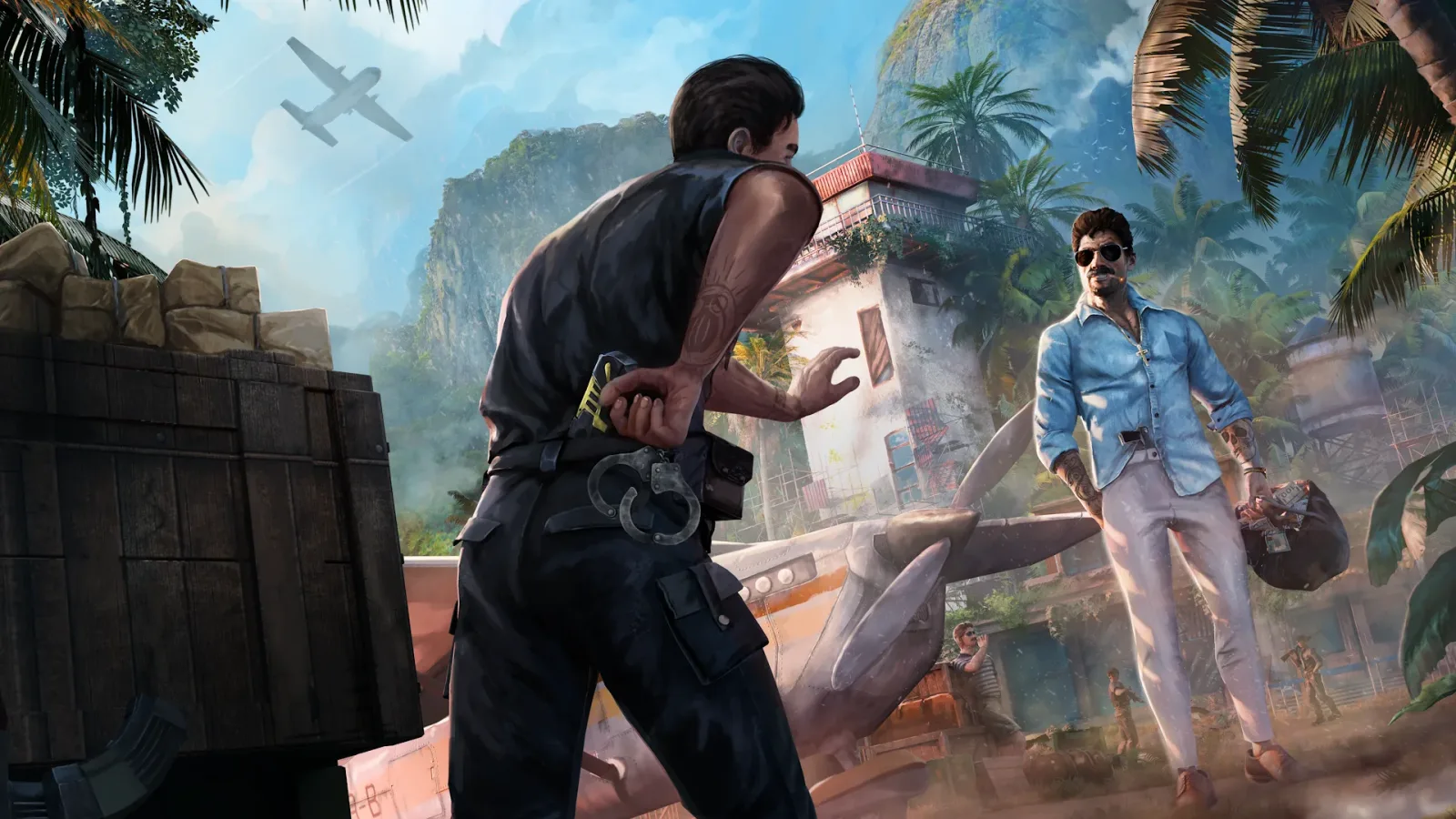
Airport Contraband is now available for PC via Steam, launching on October 28, 2026. Developed by DRAGO Entertainment, the first-person customs officer simulator places players behind an airport checkpoint in the fictional authoritarian state of Caldora, where checking passports is only the beginning of a job shaped by political decrees, hidden cargo, fleeing suspects and criminal favors.
The game combines detailed inspection work with roguelite progression and dark comedy. Players are assigned as the airport's newest customs officer, responsible for processing people and goods while protecting the facility's standing. That straightforward-sounding role soon becomes considerably messier: the country's unpredictable Great Leader can alter what is legal, the local Cartel expects discreet assistance, and each long-running career accumulates new systems that can make the airport harder to control.
Airport Contraband is built around an escalating workplace-satire premise. Rather than presenting customs work as a simple sequence of binary choices, it asks players to balance competing pressures. Official regulations matter, but so do the airport's reputation, personal survival in the job and demands from the criminal organization operating nearby. Decisions concerning bribes, confiscated goods and suspicious travelers can carry consequences beyond an individual inspection desk.
A checkpoint job with more than passports to inspect
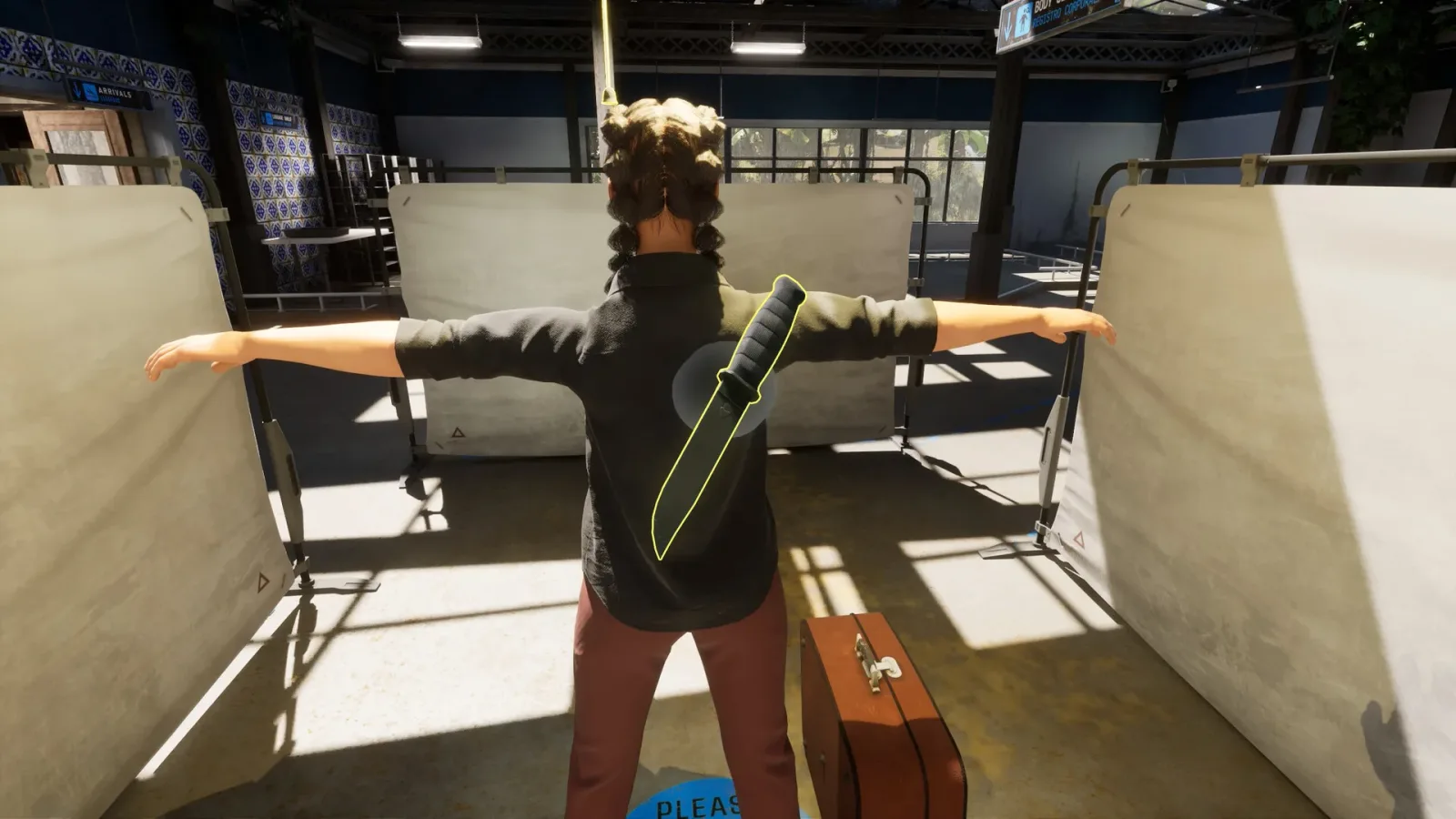
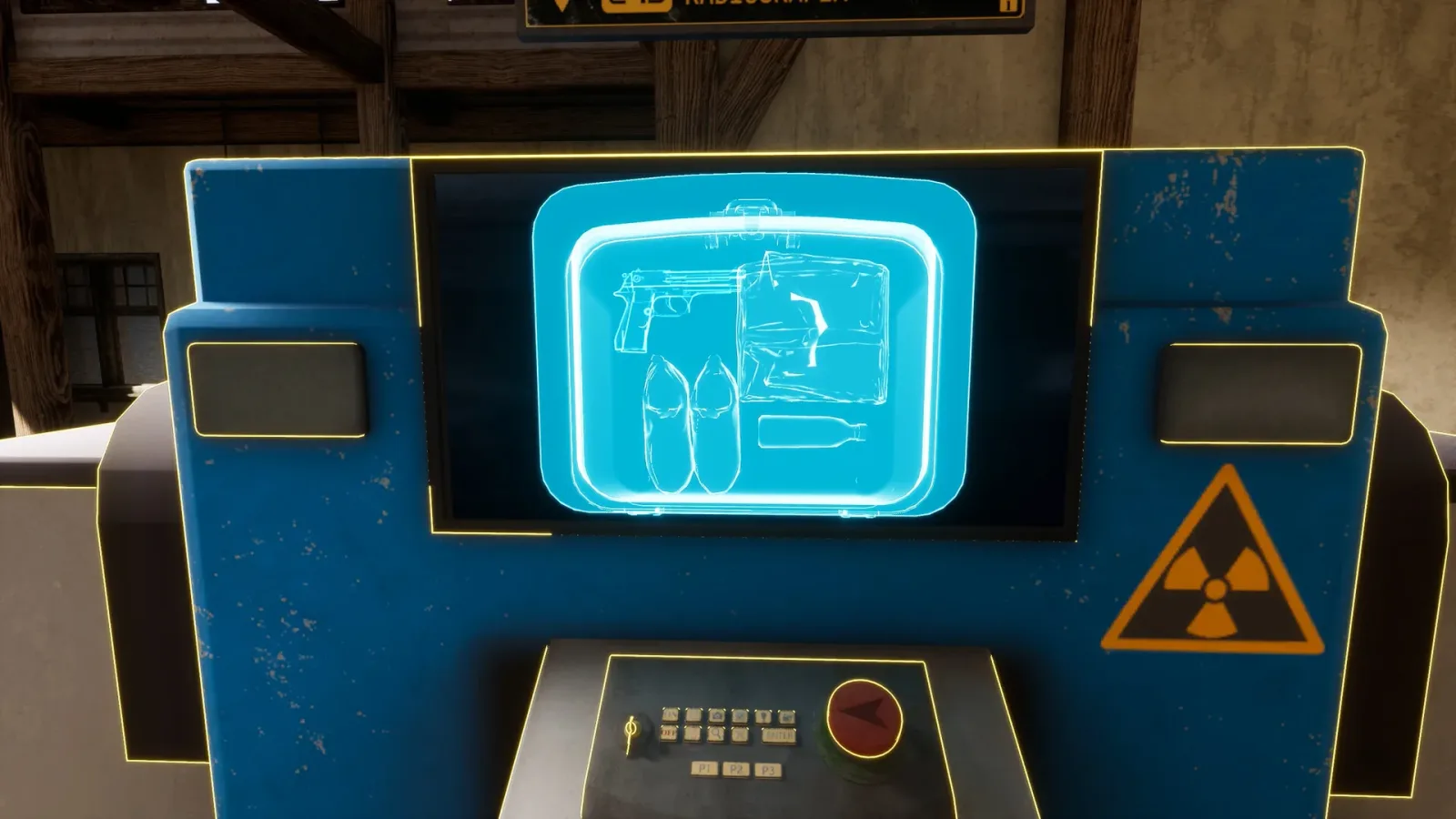
At its core, Airport Contraband gives players a suite of tools for investigating passengers. Officers can examine IDs, inspect luggage, search clothing and use an X-Ray scanner to look for suspicious items. Travelers can also be questioned using a lie detector, while health concerns form another part of the screening process through disease identification.
For useful background on this topic, read HYPERyuki: Snowboard Syndicate Brings Arcade Snowboarding Back in Early 2027.
If a passenger is found violating the rules, players can confiscate their property, deny them entry or make an arrest. The game's procedures suggest a deliberately hands-on approach to spotting irregularities rather than a system based solely on reading documents. A mismatch between a traveler's story and their papers may warrant a closer search, while luggage can conceal items that require technological tools or direct examination to uncover.
That inspection loop is complicated by Caldora's unstable legal environment. The Great Leader can issue dynamic embargoes that change which products and categories are permitted. Something that was acceptable earlier may be prohibited after a new order arrives, requiring players to remain aware of the current regulations instead of relying on a fixed checklist.
This shifting rule set is central to the game's bureaucratic humor. The player is not simply looking for universally illicit objects; they are enforcing a system where official logic can change abruptly from above. A successful officer will need to adapt to those changes while handling the constant flow of passengers through the airport.
For another perspective on this story, read Airport Contraband Opens on Steam With Roguelite Customs Checks, Cartel Jobs and Shifting Rules.
Cargo inspections expand the scope beyond the terminal
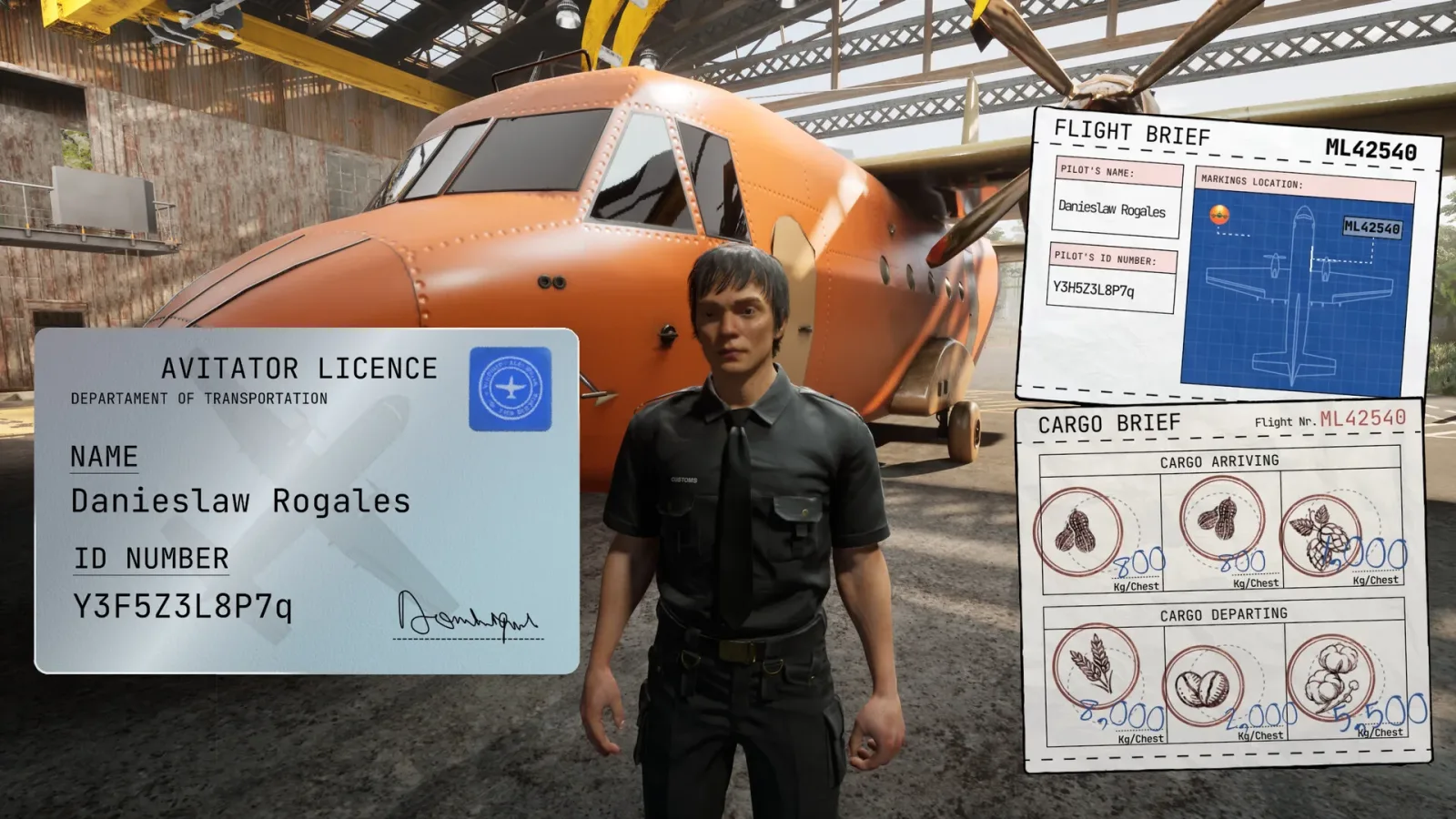
Passenger screening is not the only responsibility. Airport Contraband also includes hangar operations and cargo inspections, broadening the job into a larger search for contraband moving through Caldora. Cargo can be investigated for discrepancies in weight, incorrect markings, hidden compartments, suspicious locks and seals, and ultraviolet symbols.
Several physical tools are available for those searches, including a hammer, knife, crowbar and UV lamp. Their inclusion points to a different kind of inspection from the document-driven terminal work. A sealed shipment may look legitimate on paper, but players will need to compare its records with what is actually in front of them, investigate unusual construction and use the appropriate equipment to expose what is concealed.
These cargo duties should help reinforce the game's broader fantasy of being an overwhelmed officer responsible for every weak point in an airport's border controls. The challenge is not limited to identifying a forged ID or deciding whether a traveler is lying. It extends to freight operations, physical searches and the possibility that prohibited items are hidden in places designed to avoid a quick glance.
Roguelite careers turn every employee into a run
Airport Contraband frames its progression around individual employees. Each customs officer represents a single run, and that career can end if the employee is fired or if the Cartel loses patience. When that happens, a replacement officer takes over, but the player's broader advancement is not erased.
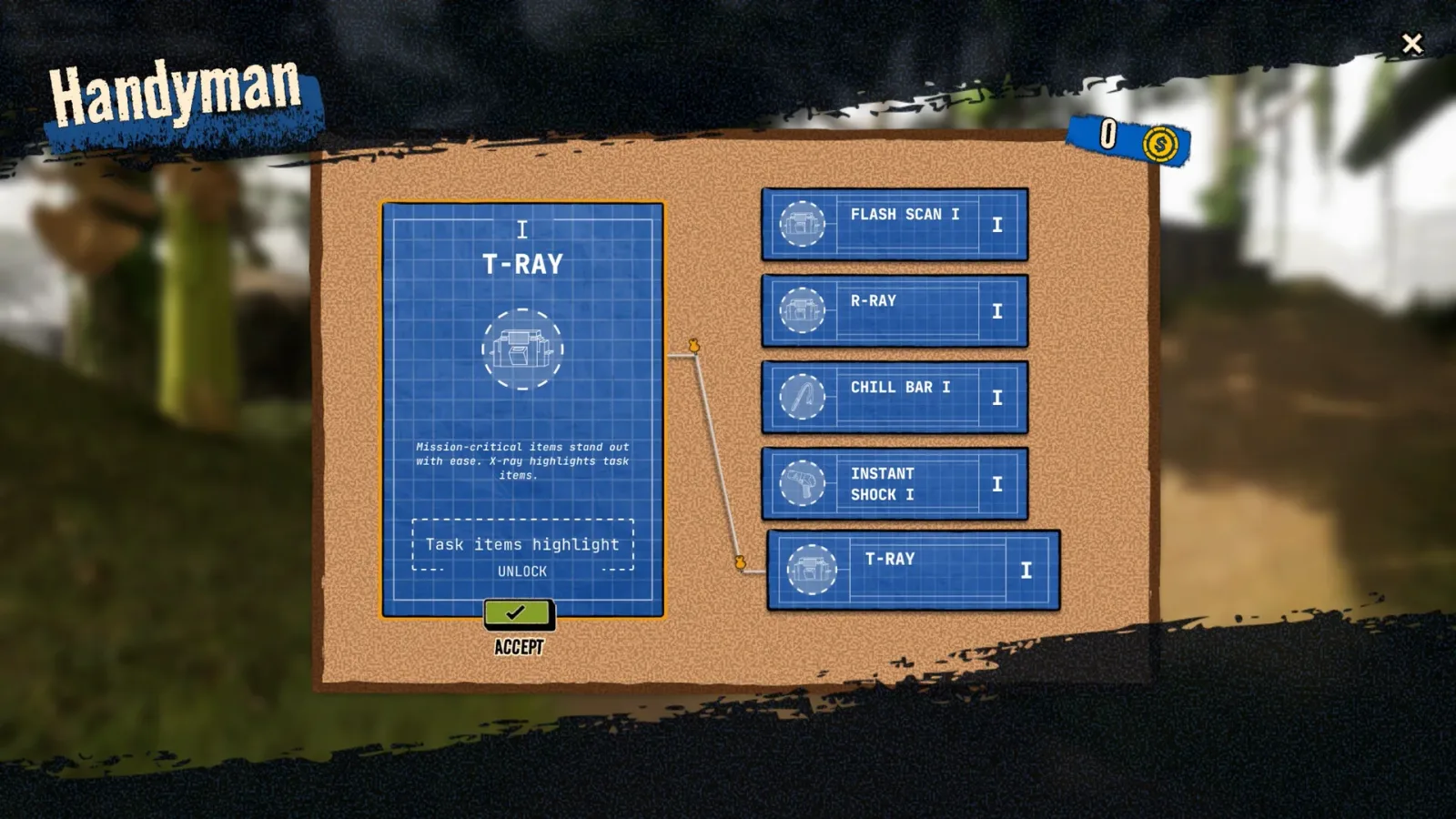
Longer careers earn Dream Coins, which can be spent on permanent upgrades. This gives the game a familiar roguelite structure: failure closes one attempt, while knowledge and certain forms of progress continue into future runs. The system also supports the premise that the airport itself remains a demanding institution even as individual workers come and go.
Every two in-game days, players select new Paths. These choices permanently add mechanics and complications to the current run, causing the experience to grow more crowded and chaotic as an employee survives. Paths can introduce perks as well as problems, with Good and Bad Omens alternating as part of the structure.
The result is intended to make longevity a mixed blessing. Staying employed gives access to more opportunities and helps build a stronger run, yet it also means accumulating more systems to manage. A player who has learned the basics of checking documents and searching bags may eventually be dealing with more demanding cargo cases, altered regulations, criminal obligations and other pressures at once.
Official duty, corruption and Cartel pressure
Caldora's airport is not governed by official bureaucracy alone. The local Cartel gives players tasks that conflict with their formal responsibilities, creating another layer of decision-making. Helping the criminal organization may make a particular situation easier or provide a desired outcome, but ignoring its demands can put an employee's entire career at risk.
Bribes and corruption choices are explicitly part of the game's feature set, ensuring that players will regularly confront the gap between what they are ordered to enforce and what powerful interests want them to overlook. The premise does not present the customs officer as a cleanly heroic figure operating within a fair system. Instead, it places that role inside a compromised structure where enforcement, self-interest and coercion overlap.
Suspects can also attempt to escape. When that happens, the officer has access to a taser, adding an action-oriented response to a job otherwise focused on observation, rules and procedural decisions. It is another example of the game turning mundane administrative work into an unpredictable chain of incidents.
Airport Contraband's central tension comes from trying to enforce changing rules while serving an airport, a regime and criminal interests that do not necessarily want the same thing.
Dark comedy in an authoritarian airport
DRAGO Entertainment describes Airport Contraband as a bureaucratic satire, and its setting supports that direction. Caldora is ruled by the Great Leader, whose decrees can transform the officer's work overnight. The game's tone draws from the absurdity of treating sudden political whims as ordinary workplace policy, then asking one low-level employee to make sense of the consequences at a busy airport.
The comedy is paired with a steadily expanding set of mechanics. The longer a run continues, the more likely players are to face overlapping obligations and exceptions. That structure should give each career a different rhythm depending on Path selections, permanent upgrades, Cartel demands and the player's own willingness to take corrupt shortcuts or stick to formal procedure.
While the game has an estimated playtime of more than 20 hours, actual time will vary depending on approach. Its run-based progression and changing conditions suggest that players who want to explore different decisions, survive longer careers or unlock additional upgrades may find different reasons to return to the checkpoint.
Airport Contraband is available now on PC
Airport Contraband launched on Steam for PC on October 28, 2026. It is a first-person customs officer simulator with roguelite progression, centered on passenger checks, luggage searches, cargo investigations, changing embargoes, arrests, bribes and competing demands from Caldora's government and its Cartel.
For players interested in simulations that turn detailed work routines into systems-driven pressure, the game's appeal lies in the escalation. One moment may involve checking an ID and scanning a suitcase; the next may require examining a suspicious shipment, adjusting to a newly outlawed category of goods or deciding whether an official order is worth defying when the Cartel is watching.

Community
Discussion
Start the conversation.
No comments have been posted yet.