

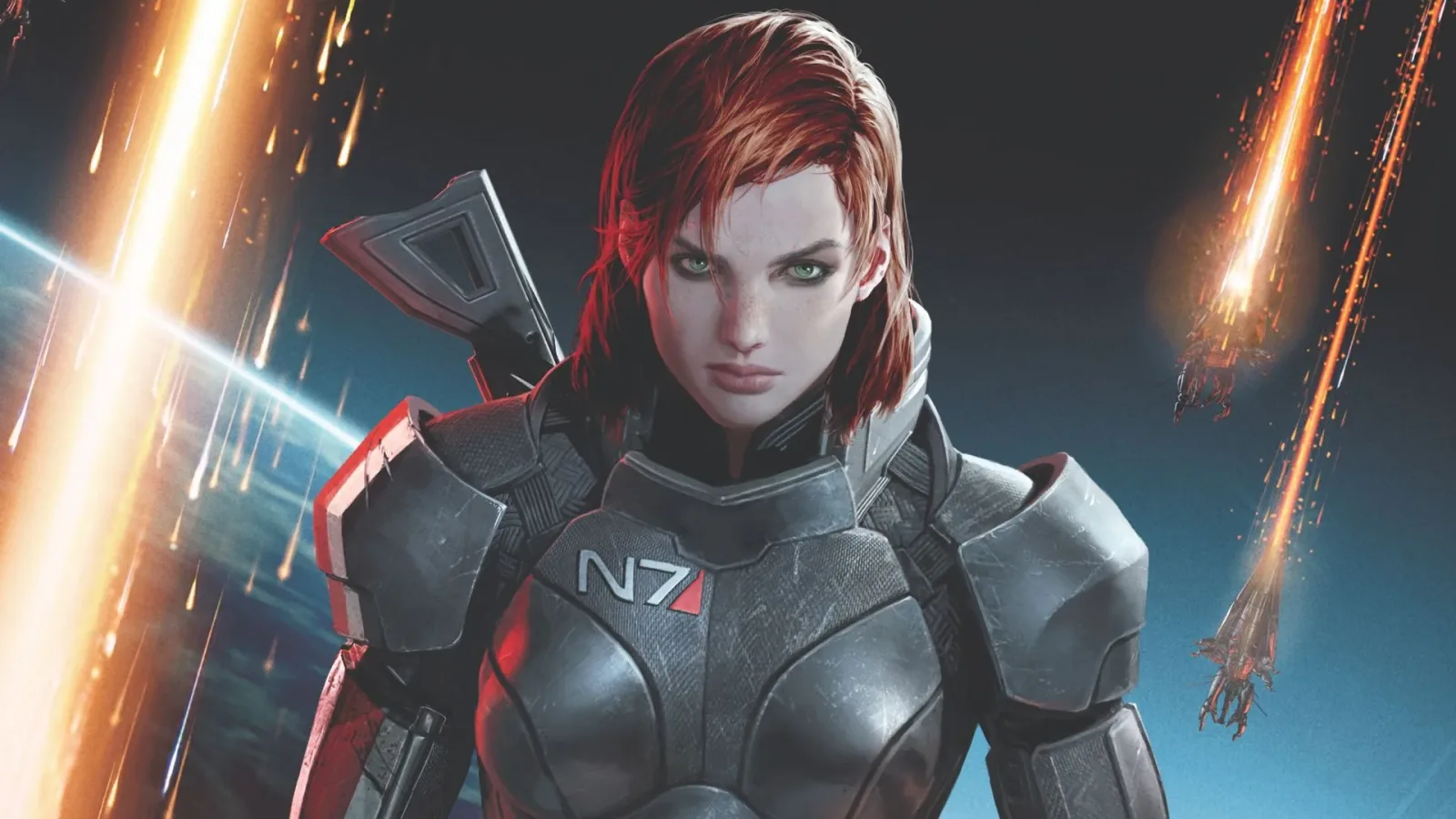
Amazon's live-action Mass Effect series remains one of the most intriguing video game adaptations on the horizon. The project has been in the public eye since Amazon secured the rights in 2021, but it has taken a deliberately slow route toward the screen. That patience may be necessary: BioWare's science-fiction universe is enormous, visually ambitious, and shaped by player choices that do not lend themselves neatly to a single fixed version of events.
There is still no premiere date, no announced cast, and no confirmation that cameras have started rolling. Even so, several important creative details have emerged. The series is planned as a new story set after the original Mass Effect trilogy, rather than a literal recreation of Commander Shepard's campaign against the Reapers. It also has an experienced group of writers and producers involved, including talent with backgrounds in major science-fiction, action, and franchise television projects.
For fans, that approach raises exciting questions as well as understandable concerns. Mass Effect is not just a setting with recognizable ships, aliens, and planets. The games earned their reputation through relationships, difficult decisions, and a galaxy-wide conflict whose outcome could differ from one player to another. A television show has to find its own perspective within that history while still feeling recognizably connected to the Citadel, the Normandy, the Spectres, biotics, relays, and the many species that made the games memorable.
Embedded X/Twitter post
No Mass Effect TV Release Date Has Been Announced
The Mass Effect series is still understood to be in pre-production. A Production Weekly listing previously suggested that production could begin in the fourth quarter of 2026, but there has not been a later public update confirming that the show has moved beyond development or entered filming.
For useful background on this topic, read GTA 6's First TV Commercial Edits Shower Footage for NBA Broadcasts.
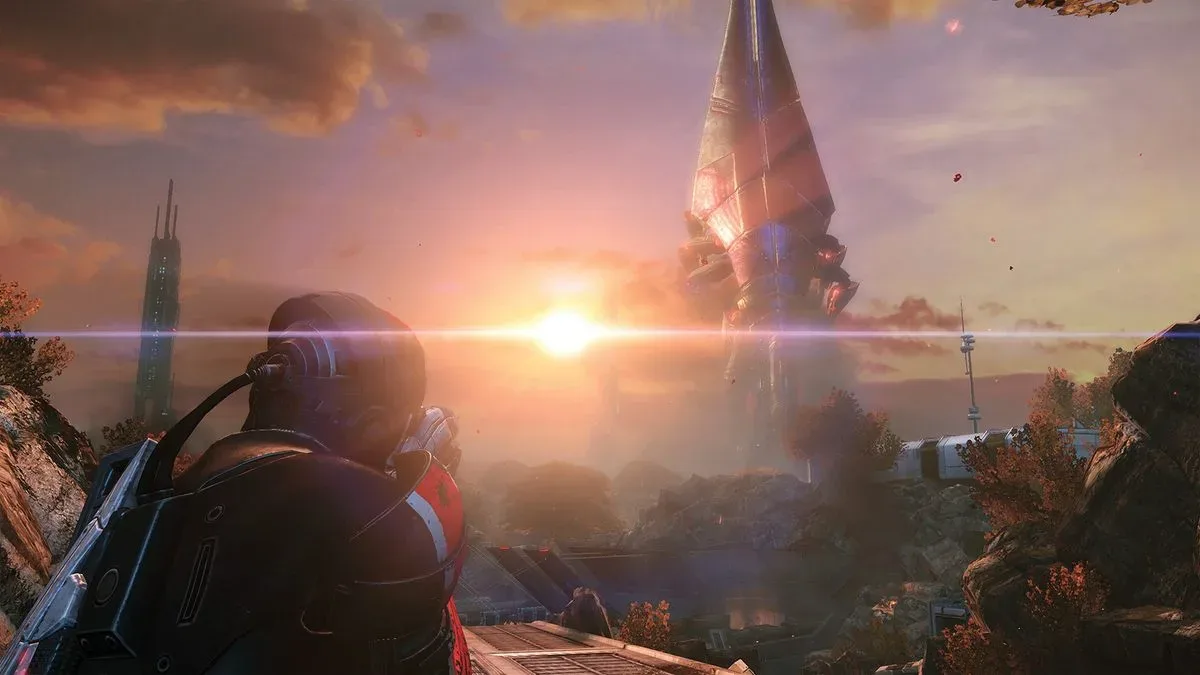
That means any release window remains speculative. A project of this scale will likely require a substantial amount of preparation before principal photography, followed by extensive visual-effects work. Bringing locations such as the Citadel, alien worlds, mass relays, and large-scale spacecraft action to live action will be a significant production challenge, especially if the series aims to capture the polished, cinematic presentation associated with the games.
A 2028 debut appears plausible as a cautious estimate, but it is not an announced target. One reason is the reported involvement of personnel who also worked on Amazon's Fallout adaptation. With Fallout season 3 looking toward a 2027 release window, a later arrival for Mass Effect would fit the apparent workload of the teams involved. Until filming begins or Amazon provides a formal schedule, however, fans should view all timing projections as informed guesswork rather than confirmation.
The Show Will Tell a New Post-Trilogy Story
The biggest confirmed creative decision is also likely to be the most debated: Mass Effect will not directly adapt Commander Shepard's story. Instead, the show is intended to explore an original narrative positioned after the events of the original trilogy.
Mike Gamble, the Mass Effect franchise lead and an executive producer on the adaptation, addressed the direction in a 2025 blog post. He said the writers' room was making progress on the show's place in Mass Effect canon and its relationship to the franchise timeline. Gamble also made clear that the television project would tell a brand-new story and would not revisit Shepard's journey, emphasizing that Shepard's story belongs to the players.
"The show will explore a brand-new story within the universe's timeline, and will be set after the original trilogy," Gamble wrote in 2025. "It won't be a retread of Commander Shepard's story - because after all ... that's YOUR story, isn't it?"
That reasoning speaks directly to one of the core difficulties of adapting a role-playing game. Shepard can be male or female, Paragon or Renegade, compassionate or ruthless, and romantically involved with different companions. Major decisions can change the fates of characters, cultures, and entire missions. The trilogy's ending also produced multiple possible outcomes. Choosing one screen version of Shepard and declaring a particular sequence of choices definitive could alienate players whose experience was fundamentally different.
An original story avoids many of those problems. It gives the show room to introduce a new crew, a new central conflict, and perhaps new corners of the galaxy without asking viewers to accept that their personal Commander Shepard was somehow the wrong one. It also allows the adaptation to welcome newcomers, who may know nothing about the games' branching dialogue wheels or long-running character arcs.
There is a trade-off. The original trilogy's central premise was exceptionally dramatic: Shepard discovers the approaching Reaper threat and must unite a divided galaxy before a cycle of extinction wipes out organic civilization. That escalating crisis, and the friendships formed aboard the Normandy, are exactly what many fans would most want to see dramatized. A post-trilogy show will need a compelling reason to exist beyond familiar imagery. Its new stakes, characters, and point of view must be strong enough to stand beside one of gaming's best-known space-operatic stories.
What the Post-Trilogy Setting Could Mean
Very little has been revealed about the show's protagonists or specific plot. Still, the post-trilogy placement creates a rich field of possibilities. The galaxy would be dealing with the consequences of the Reaper war, including devastated systems, political upheaval, damaged infrastructure, displaced populations, and renewed questions about cooperation between species. The show could examine reconstruction, frontier exploration, military tensions, corporate interests, criminal networks, or an entirely fresh danger that emerges from the chaos.
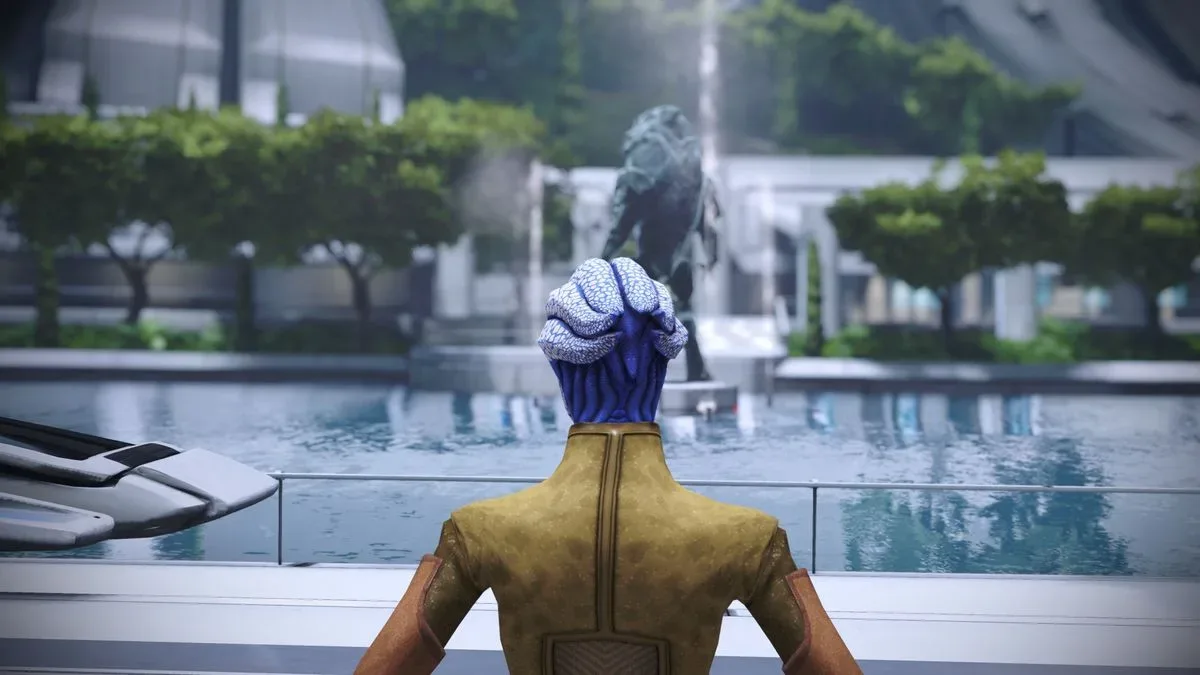
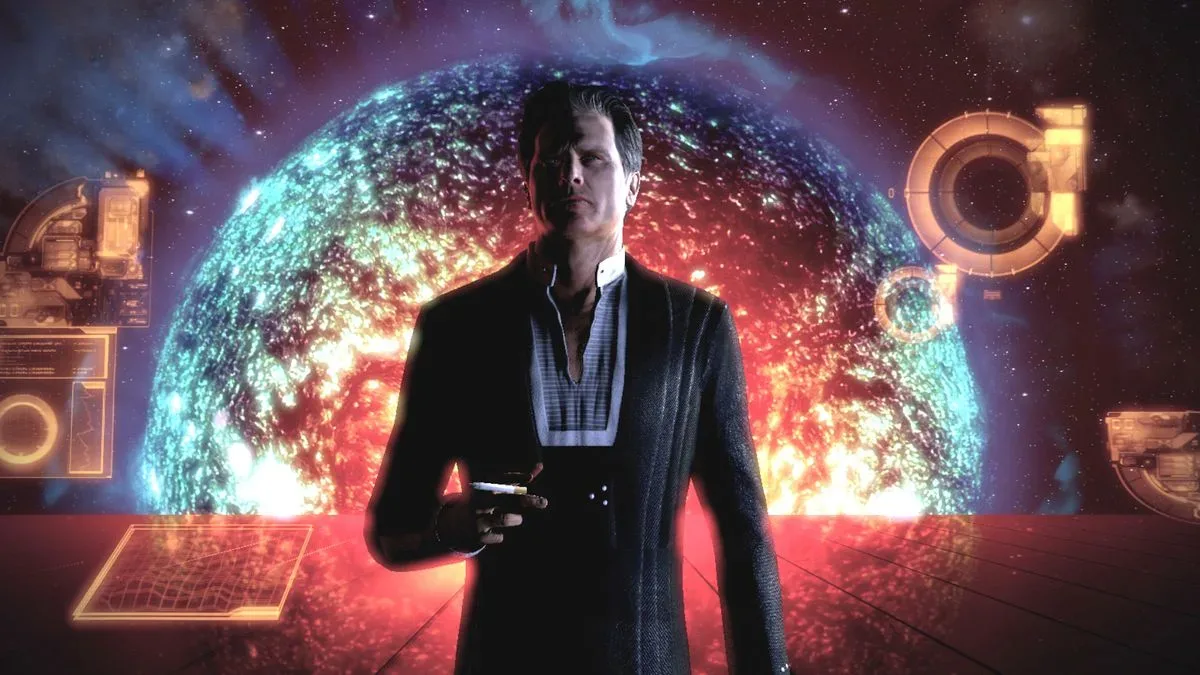
Mass Effect's universe has always been bigger than Shepard. The games established human Systems Alliance forces, the Citadel Council, Spectres, krogan clans, turians, asari, salarians, quarians, geth, drell, hanar, volus, and many other factions with competing histories and priorities. A television series could take advantage of that depth without relying on cameos as its sole connection to the source material.
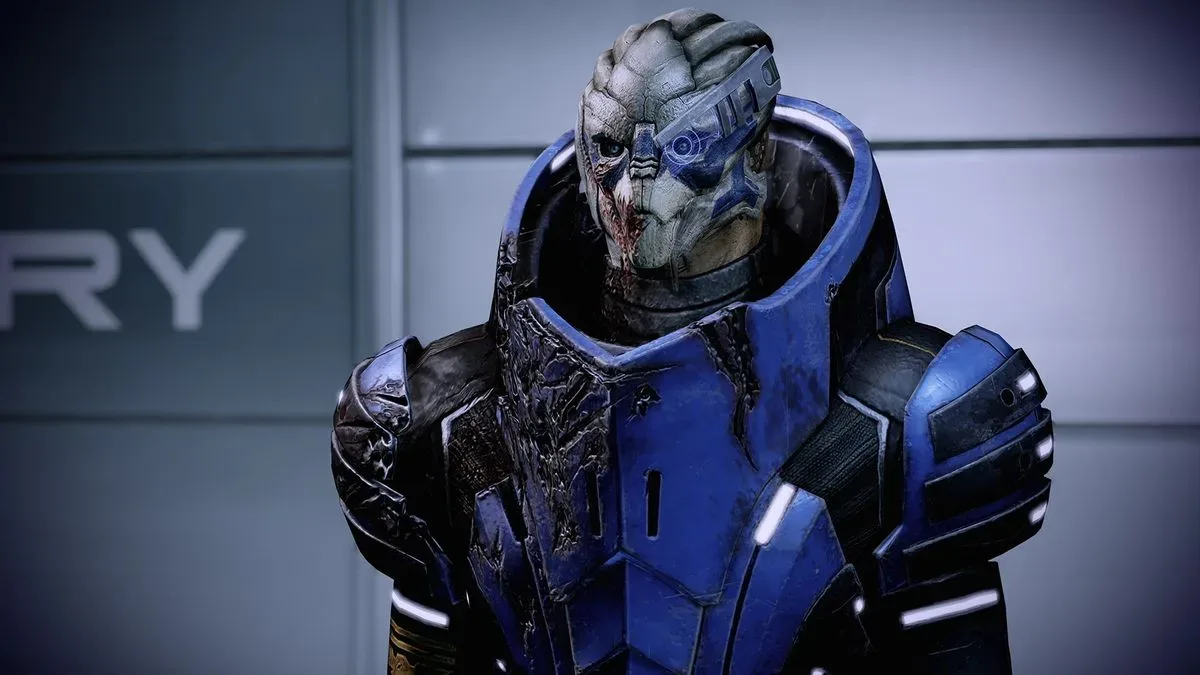
There is also a practical storytelling benefit. While the show's canon position will matter, a new cast does not have to duplicate the exact chemistry of Garrus, Liara, Tali, Wrex, Mordin, or the trilogy's other beloved companions. Trying to recast those roles and compress their stories into a conventional TV format would be risky. New characters can earn their place gradually, while familiar institutions, species, and locations provide continuity.
The planned setting was initially discussed in relation to the next Mass Effect game. Since then, EA has shut down BioWare and canceled Mass Effect 5. The television project, however, is reportedly still moving forward. The cancellation changes the broader context around the series, particularly because the show's timeline had been discussed alongside a future game, but it does not appear to have altered the stated plan for an original post-trilogy narrative.
The Creative Team Behind the Adaptation
Several established names are attached behind the camera. Doug Jung, whose writing credits include Star Trek Beyond and Mindhunter, is set to serve as showrunner. His involvement is notable for a property that needs to balance high-concept science fiction with character-focused drama and an ongoing mystery or conflict.
Daniel Casey, credited as a writer on F9, is also part of the writing team. The production side includes Mike Gamble, former Marvel Studios producer Ari Arad, and Karim Zreik as executive producers. Those names suggest that the adaptation is being constructed as a major franchise project rather than a small-scale reinterpretation.
Casey has also indicated through social media that people who worked on Amazon's Fallout series are helping bring Mass Effect to life. That connection does not reveal the eventual tone or structure of Mass Effect, and the two franchises have very different identities. Still, it is encouraging that the production may draw on a crew with recent experience translating a complex, beloved game universe into episodic television.
Fallout offered one useful lesson for Mass Effect: an adaptation does not need to replay the games' exact plot to feel authentic. It can build a new narrative in the same world, respect established lore, and give longtime fans details to recognize while making the story approachable for audiences who have never picked up a controller. Whether Mass Effect can accomplish the same balance will depend on execution, not merely on the decision to use an original story.
Cast Remains a Complete Unknown
No actors have been officially announced for the Mass Effect TV series. That is not surprising while the series remains in pre-production, particularly when the project's central characters have not been publicly identified.
Henry Cavill has previously expressed enthusiasm for the games and a willingness to take part in the project when the adaptation was first announced in 2021. He is now involved with Amazon's Warhammer project, so there is no indication that he will appear in Mass Effect. His past interest should be treated as exactly that: interest, not casting news.
Once production moves closer to filming, casting will become one of the most closely watched aspects of the adaptation. The series will need performers capable of carrying the human drama at its center while working within a world populated by aliens, prosthetics, motion-capture possibilities, visual effects, and the weight of an established fan community. If the show introduces a ship-based ensemble, as many Mass Effect stories naturally invite, chemistry among its core group may be more important than any one high-profile name.
Why This Adaptation Has So Much to Prove
Mass Effect has all the ingredients for memorable television: political intrigue, ancient mysteries, interstellar warfare, intimate romances, moral conflicts, found-family dynamics, and striking science-fiction imagery. But those same strengths make it difficult to adapt. Fans will expect more than a generic space adventure dressed in N7 armor and blue lighting.
The eventual series must establish what life in this galaxy feels like after the trilogy, give its original characters conflicts worth following, and treat the franchise's lore with care without becoming inaccessible to new viewers. It must also answer a key tonal challenge. Mass Effect can be funny, romantic, tragic, militaristic, philosophical, and pulpy, sometimes within the same mission. A successful show will need confidence in those shifts rather than flattening the universe into spectacle alone.
For now, the clearest takeaway is simple: the adaptation is alive, but it is still early. There is no release date, cast, trailer, or detailed synopsis. What is known points to a new story after the original trilogy, led by a creative team with significant franchise experience and supported by people who have worked on a recent game-to-TV success. Mass Effect fans may have a long wait ahead, but the decision not to overwrite Commander Shepard's player-defined legacy could give the series the freedom it needs to chart its own course through the galaxy.
Community
Discussion
Start the conversation.
No comments have been posted yet.