

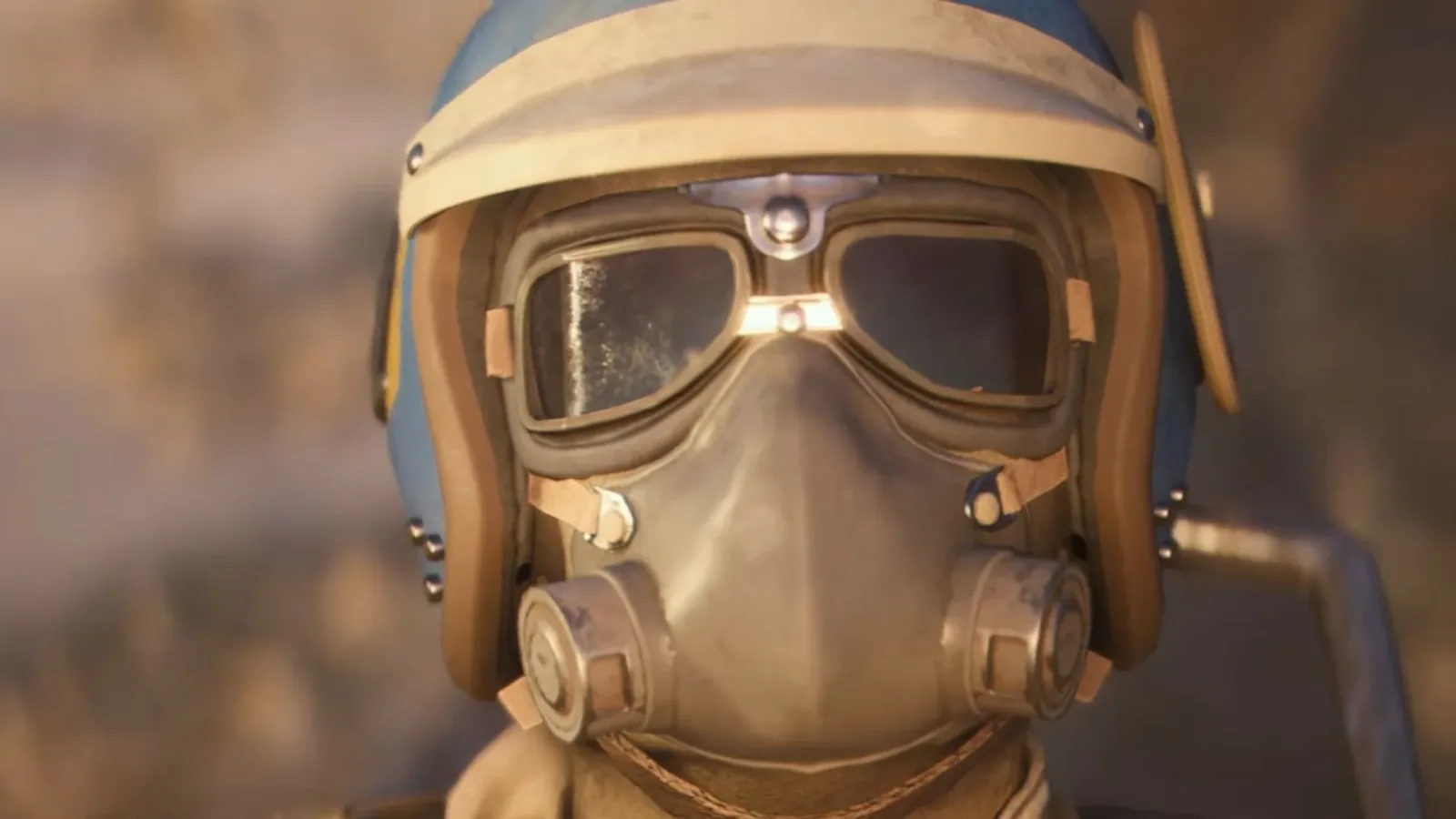
Arc Raiders is heading into a new phase with the Frozen Trail update arriving on October 8, but Embark Studios is framing the release around more than new activities for its extraction shooter. The developer is also making a broader case for a healthier relationship between live-service games, their creators, and the people who play them.
Executive producer Aleksander Grøndal has said that it is completely reasonable for players to step away from Arc Raiders when they have exhausted the available content, play other games for a while, and return when a substantial update gives them a reason to dive back in. It is a refreshingly direct message in a genre often built around perpetual engagement, daily routines, fear of missing out, and the expectation that players should always have another objective waiting.
That does not mean Embark is giving up on long-term support. Quite the opposite: the studio wants to build systems that keep dedicated players interested over time, while also ensuring the game remains welcoming and varied for newcomers. The difference is that its current plan appears to place greater value on meaningful updates and sustainable production rather than attempting to constantly accelerate just to fill every possible gap in a player's schedule.
Frozen Trail Represents a Shift in Priorities
Frozen Trail is described as one of the largest Arc Raiders updates to date, and it arrives after Embark took time to reassess how it develops and delivers post-launch content. The studio had been caught in the familiar live-service race: a struggle to match the appetite of a fast-moving player base that can complete challenges, find optimal strategies, and work through new material much more quickly than a development team can make it.
For useful background on this topic, read BrokenLore: ASCEND Brings Psychological Horror to a Deadly Tokyo Tower Climb in January 2027.
Embark has acknowledged that the push to continuously meet those demands had taken a toll. Grøndal said the team became "super unhappy" during that content race, a blunt admission that illustrates the human cost behind the expectation of endless updates. Rather than continuing to operate at that pace, the studio has slowed down to prepare larger releases and return to production methods that helped establish Arc Raiders in the first place.
For players, that could mean a clearer rhythm. Instead of expecting a constant stream of small additions to sustain interest every day, fans may see bigger chunks of content that offer more to explore when they arrive. Frozen Trail is an early test of that philosophy: a major update intended to give returning players and regular raiders a substantial reason to spend time in the game.
There is still an inherent limitation to this approach, and it is one every live-service team faces. No matter how ambitious a roadmap becomes, highly engaged players can consume new content with astonishing speed. A new map, fresh goals, progression additions, or new equipment can last weeks or months for one person and only a few intense sessions for another. There is no update cadence capable of satisfying every playstyle indefinitely.
Not Every Game Has to Be a Forever Game
Grøndal's answer to that problem is deceptively simple: it is fine to stop playing. He has encouraged players to take a break, spend time with other games, wait for a couple of updates, and come back to Arc Raiders when the mood strikes or the content feels compelling again.
That perspective runs counter to a large part of modern game design language. Live-service titles are routinely judged by retention figures, concurrent-player trends, daily engagement, and whether they can become someone's primary hobby. Those measurements matter to studios, particularly when they are supporting an online game over a long period. But they can also create an unhealthy assumption that a player who leaves--even temporarily--has somehow failed to engage correctly, or that the game has failed simply because it is not being played every evening.
Arc Raiders is instead presenting breaks as a normal part of its lifecycle. Players who have finished their goals are not necessarily abandoning the game. They may simply be done for now. If Frozen Trail or a later update has enough appeal, they can return with renewed interest rather than fatigue.
This is especially relevant to extraction shooters. The genre can be thrilling because every run contains risk, tension, resource decisions, and unpredictable encounters. At the same time, the loop can be demanding. Players may pursue gear, learn maps, complete objectives, and attempt to master the economy or combat systems at a very focused pace. When they reach a point where their personal goals have been met, forcing more hours out of the experience can turn enthusiasm into obligation.
Leaving before that happens can preserve the excitement that made the game appealing in the first place. The next major update then becomes an invitation rather than another item on a never-ending checklist.
A Better Outcome for Developers and Players
The value of this approach is not limited to player wellbeing. It also gives development teams a chance to make better decisions. When studios are under pressure to provide a constant drip of new material, they can be pushed toward short-term patches, thin events, and features designed primarily to occupy time. Those releases may maintain activity for a moment, but they do not always improve the game in lasting ways.
Taking more time to prepare a larger update can allow teams to focus on additions that feel cohesive, polished, and worth revisiting. It can reduce the need for a studio to operate at an unsustainable pace, too. Grøndal's comments make clear that Embark's reassessment was not purely theoretical; the previous rhythm had made the team unhappy. A healthier schedule is therefore not just a public-facing promise about future content. It is part of how the studio intends to work.
There is no guarantee that a bigger-update strategy solves every issue. Some highly dedicated players will always want more to do, and the periods between releases may feel quiet for those who make Arc Raiders their main game. Embark still needs to ensure its foundational systems offer enough depth and that new content is compelling enough to bring back people who have stepped away.
However, the studio's willingness to say that players do not need to remain logged in all the time is notable. It establishes a healthier expectation: Arc Raiders should be enjoyable when it has something meaningful to offer, not an endless demand on attention.
Making Room for More Games
Grøndal has also connected player breaks to a larger concern for the games industry. Massive evergreen games can consume enormous amounts of time, leaving less room for new releases, smaller projects, and games outside a player's established routine. When people spend nearly all of their leisure hours keeping up with one evolving title, other developers have fewer opportunities to reach them.
His argument is that spreading attention around can benefit everyone. Players discover more of what the medium has to offer. New games have a better chance to build audiences. And established live-service games can welcome back returning players without relying entirely on the idea that they must monopolize those players' time.
It is an argument that resonates in a crowded market. There are more games competing for attention than most people could ever finish, from huge multiplayer releases to inventive independent games and long-awaited single-player adventures. Even a player with hundreds of hours invested in one game can gain something by making room for another experience.
The producer's own habits reinforce the point. Grøndal cited Valheim as an example of a game he enjoyed intensely when it first arrived, then left behind for a long stretch before returning for its 1.0 release nearly four years later. The time away did not diminish that later experience; it made the return feel worthwhile. That pattern is familiar to many players, whether they are revisiting a survival game after a major overhaul, returning to an RPG for an expansion, or joining friends when a multiplayer title receives a significant update.
What Frozen Trail Means for Returning Raiders
For Arc Raiders players who have already taken time off, Frozen Trail may be exactly the kind of update Embark hopes will spark a return. It is positioned as a large release, following a period in which the studio intentionally adjusted its plans and sought to build a more sustainable update process. Players can decide for themselves whether its additions justify another run through the game's dangerous extraction loop.
Just as importantly, those who are still not ready to return do not need to feel pressured. The message from Embark is that Arc Raiders will be there when a future update, a new group of friends, or simple renewed curiosity makes it appealing again.
That is an unusually confident stance for a live-service shooter, but it may be the right one. Games earn longer lives when people want to come back, not when they feel trapped into staying. If Embark can pair that philosophy with substantial updates such as Frozen Trail, Arc Raiders could build a community that is less exhausted, a development team with a more manageable workload, and a healthier place in players' libraries.
Frozen Trail launches on October 8. Whether players jump in immediately or return later, Embark's central point remains clear: enjoying Arc Raiders does not require ignoring every other game out there.
Community
Discussion
Start the conversation.
No comments have been posted yet.