

Warning: This article contains major spoilers for The Last of Us Part II, including its ending and pivotal character deaths.
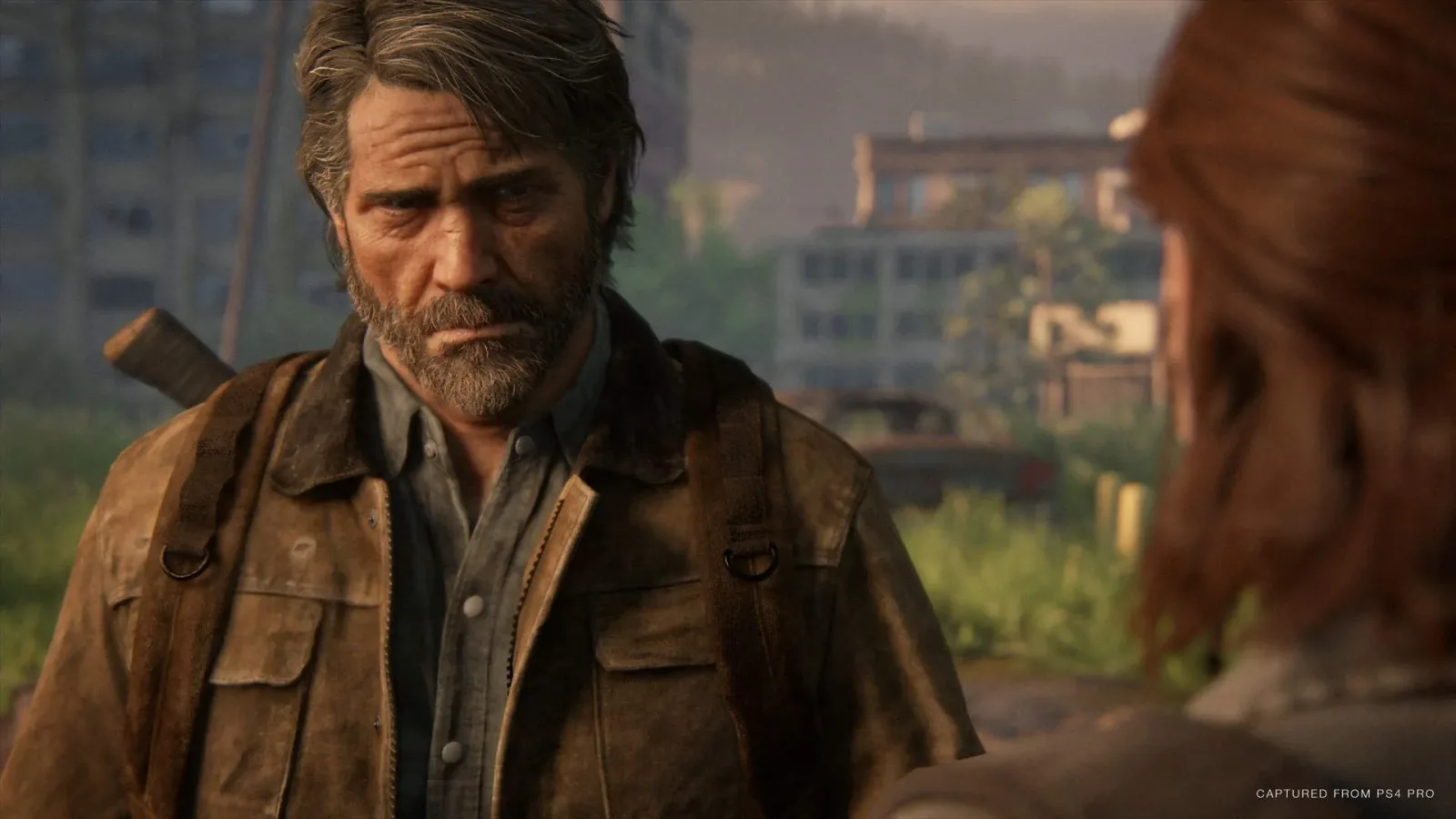
The Last of Us Part II closes on a scene that redefines much of what came before it. After the violence, loss, and difficult choices that drive Ellie through the game, players return to a memory of her final conversation with Joel. It is quiet rather than explosive, but its impact is enormous: Ellie tells Joel that she does not know whether she can forgive him for what happened at the hospital, yet she wants to try. Joel, visibly emotional, tells her that he would like that.
Actor Troy Baker, who played Joel, has reflected on the sequence six years after the game's release and revealed that it was not always intended to sit at the very end. The scene was originally scripted to appear immediately before the events that set the wider story into motion. Moving it to the closing moments, Baker said during a Party Chat interview, made the moment land with devastating force.
That structural decision is one of the most important in a game built around perspective, memory, and the consequences of actions that cannot be undone. By withholding the reconciliation attempt until the end, The Last of Us Part II transforms a painful flashback into both a farewell to Joel and a new lens through which to view Ellie's journey.
For useful background on this topic, read BrokenLore: ASCEND Brings Psychological Horror to a Deadly Tokyo Tower Climb in January 2027.
A scene about forgiveness that arrives too late
Joel and Ellie's relationship had already been pushed to a breaking point before Part II begins. At the conclusion of the first game, Joel takes Ellie from the Fireflies' hospital rather than allow doctors to perform a procedure that would kill her in the hope of developing a vaccine. His decision saves Ellie's life, but destroys the possibility that she might have been able to help create a cure for humanity.
Ellie eventually learns the truth, and the revelation leaves a deep fracture between them. The final scene in Part II does not magically repair that damage. Instead, it portrays a relationship still filled with anger, betrayal, love, and uncertainty. Ellie does not offer Joel simple forgiveness, and Joel does not demand it. What she offers is only the possibility of trying.
That restraint is central to why the exchange has stayed with so many players. Neither character receives full emotional closure. Joel does not get to see whether Ellie can truly forgive him, and Ellie does not get the time to find out what rebuilding their relationship might have looked like. Their conversation opens a door, but the game's earlier tragedy ensures they can never walk through it together.
Baker became emotional while revisiting the moment and praised Ellie performer Ashley Johnson's work. He recalled that the scene took a full day to perform and that there was an important change to its physical staging during the process.
"Originally, [game director Neil Druckmann] had scripted that Ellie hugs Joel, and Ashley was like, 'I'm not there yet, I can't,'" Baker said. "It's not that she was right, but it's better that they don't get that hug, that we leave it in the tense, we leave it unresolved."
The distinction Baker draws is telling. The issue was not simply whether a hug would be believable in a conventional sense. The absence of one preserves the emotional truth of Ellie's position. She has decided that she wants to attempt forgiveness, but she is not yet ready to completely lower the barrier she has built around herself. A hug might have given the scene a feeling of reconciliation already achieved. Instead, the distance between them remains visible.
Why the ending placement changes everything
Had the conversation appeared near the beginning, players would have entered the main story knowing that Ellie and Joel had recently taken a tentative first step toward reconnection. Joel's death would still be horrifying, and Ellie's grief would still be understandable. But placing the scene at the end means the audience spends most of the game without knowing that this possibility existed.
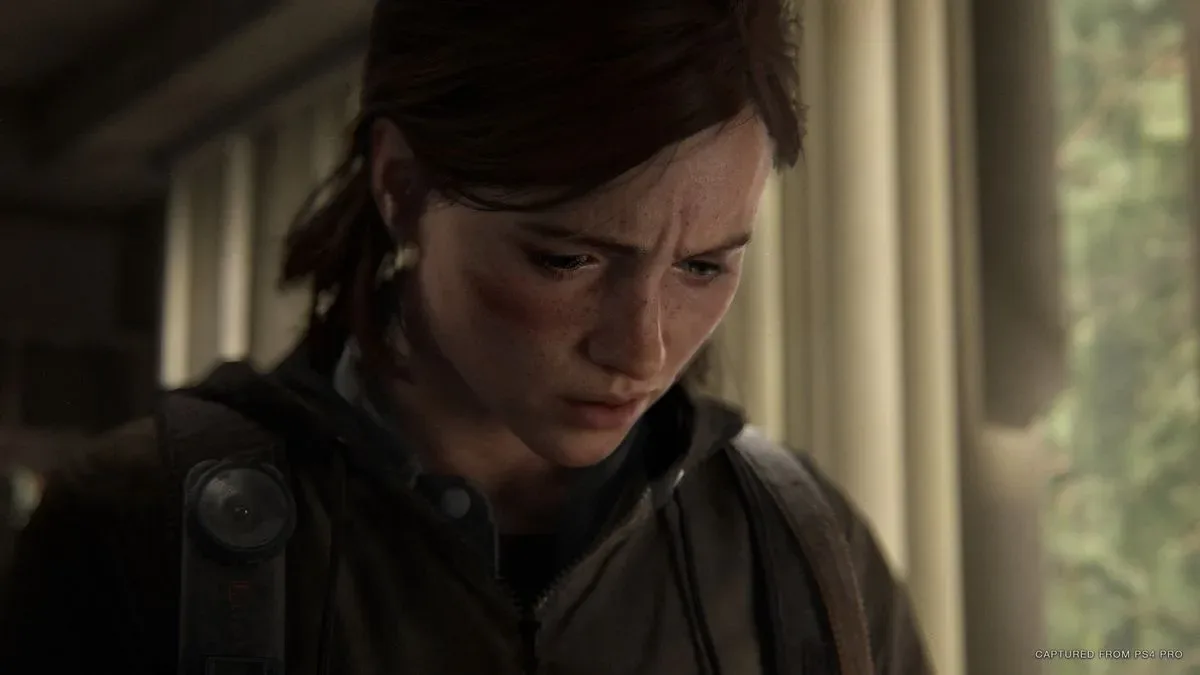
For much of Part II, Ellie's anger can be read through the immediate trauma of losing Joel in a brutal attack. The closing flashback adds another layer: she was not only mourning Joel, but mourning the future she had just begun to imagine. She had finally allowed herself to consider trying to forgive him, only to lose the chance to continue that process the following day.
This does not make every choice Ellie makes afterward inevitable or uncomplicated. Part II is intentionally resistant to easy moral accounting, repeatedly asking players to consider the cost of revenge from more than one viewpoint. Yet the final memory makes her pain more specific. Her obsession is rooted not just in what Abby took from her, but in what was interrupted before it had the chance to become whole.
Baker said he did not know the conversation would ultimately play at the end until after the fact. The eventual sequencing turns it into a final emotional reversal. The player has spent hours watching Ellie struggle with the aftermath of Joel's death, then receives proof that the two had not remained permanently estranged. It is a relief delivered at precisely the moment when it can no longer change anything.
That is why the scene does more than supply information about the characters' past. It reframes the game's final stretch. Ellie's decision at the beach to let Abby go comes after she is confronted with a memory of Joel, but not one defined solely by his death. The recollection returns her to the night when she chose to try, however imperfectly, to move beyond hatred and hurt. The game leaves room for different readings of exactly what motivates Ellie in that instant, but the final conversation makes forgiveness an unavoidable part of the ending's emotional language.
The power of leaving the hug out
In another version of the scene, Ellie hugging Joel could have offered a warmer and more immediately cathartic image. It could have become an overt expression of love between a surrogate father and daughter who had endured enormous hardship together. But the scene's strength lies in refusing to smooth away the complexity of their bond.
Joel's choice at the end of the first game came from love, fear, and a refusal to lose another daughter. It also took a choice away from Ellie. Part II does not ask the player to ignore either side of that reality. Ellie's anger is legitimate, while her love for Joel is equally real. Joel's desire to protect her is deeply human, while the consequences of what he did remain immense.
The lack of a hug allows all of those contradictions to remain present. Ellie's voice carries the beginning of forgiveness, but her body does not yet follow. Joel accepts the small offering she can make rather than asking for more. It is a scene about two people meeting at the edge of reconciliation, not arriving safely at it.
That choice also makes the tragedy sharper. A completed embrace might have suggested that Joel and Ellie reached a final, settled understanding before his death. The version players received is more painful because it is unfinished. There was progress, but not closure. There was love, but not enough time to fully articulate it.
A final memory with lasting weight
The Last of Us Part II has prompted years of discussion because it presents its characters' choices without offering simple comfort. Its ending is similarly uneasy. Ellie returns to the farmhouse changed by what she has done and what she has lost, while Joel's guitar remains as a reminder of the life and connection she can no longer return to in the same way.
The last flashback does not erase the game's bitterness. It intensifies it. Ellie had started to move toward a future in which forgiveness might be possible, but the opportunity was taken from both her and Joel. In that context, her words become not merely a reconciliation attempt but a promise left unfinished.
Baker's recollection highlights how much performance and editorial placement can matter in interactive storytelling. The words in the conversation are powerful on their own, but their effect is inseparable from when players hear them and from the choices Johnson and Baker made in performing them. A withheld hug, a pause, a tearful response, and a flashback saved for the final minutes all combine to create an ending that remains difficult to shake.
For players who have already completed the game, the revelation that the scene was once planned for the opening underscores just how different its emotional shape could have been. The original position would have made the loss more immediate. The final placement makes the loss echo backward across the entire experience. Joel and Ellie do not get a clean resolution, and neither does the player. That unresolved ache is exactly what makes the scene endure.
Community
Discussion
Start the conversation.
No comments have been posted yet.