

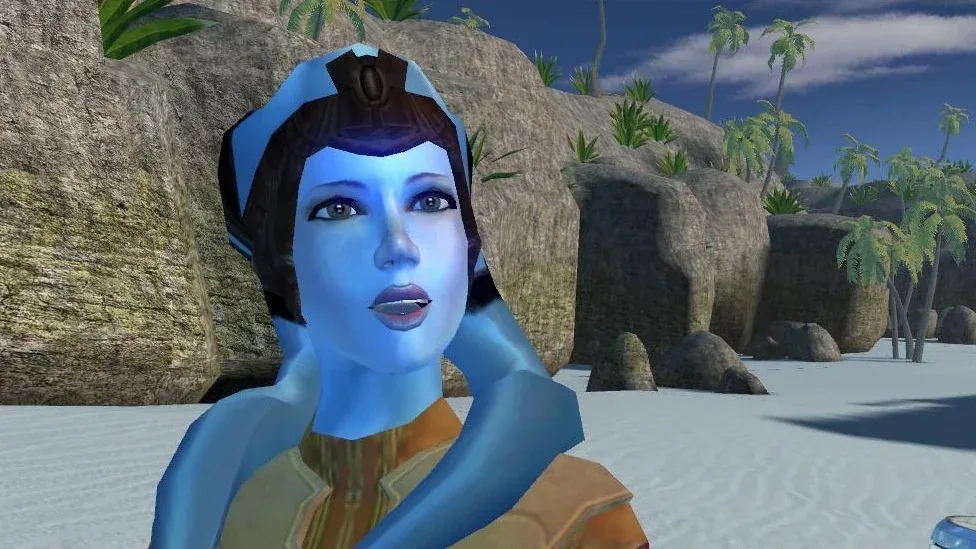
BioWare may be gone as a studio, but the worlds it built have proven considerably harder to close down. In the wake of Electronic Arts shutting the developer, players, writers, designers, community figures, and longtime fans have shared stories that make one point especially clear: its legacy cannot be measured only in sales figures, sequels, or the status of its intellectual property.
For many people, BioWare's games were formative creative experiences. For others, they offered a first encounter with role-playing games, a safe place to explore identity, a bridge to a parent or partner, or a source of comfort during grief. From Baldur's Gate and Knights of the Old Republic through Mass Effect and Dragon Age, the studio's work became part of players' lives in ways that went far beyond completing a campaign.
Role-playing games that invited players to belong
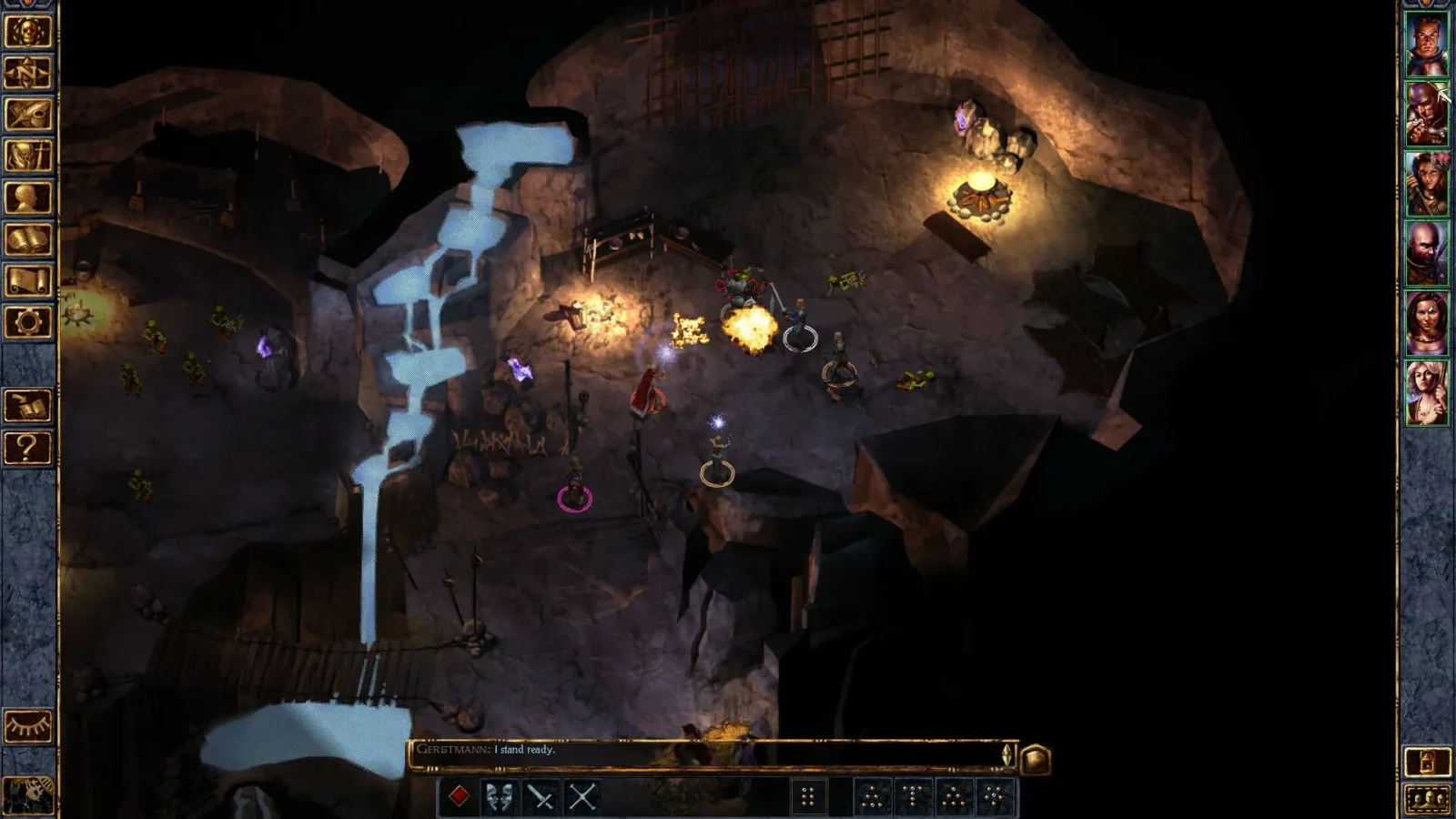
BioWare's earliest classics established much of the language that players now expect from major Western RPGs. The original Baldur's Gate, released in 1998, made an enormous impression on players who had previously encountered fantasy largely through tabletop Dungeons & Dragons. Its character customization, party recruitment, Forgotten Realms setting, and sense of a wide-open adventure made the game feel like a second home to some fans. Its 2000 sequel deepened that connection.
Those games did more than offer long quests. They taught players that choices could have texture. A decision could affect a companion, alter the tone of an adventure, or encourage another playthrough just to see what had been missed. One player remembered experimenting with characters, making bad decisions, and discovering that party members could influence the story. That potential for replay and personal authorship became a defining BioWare quality.
For useful background on this topic, read World of Warcraft's Bunmover Mount Bug Becomes a Symbol of Retail Frustration.
Knights of the Old Republic brought that approach into a galaxy far, far away. For many, it was a gateway both into RPGs and into narrative design itself. Players remember its celebrated late-game reveal as a once-in-a-lifetime surprise, the kind of twist they have spent years trying to experience again. But its impact was not limited to one shocking moment. The game's companions, its moral choices, and opportunities for redemption--including the possibility of saving Juhani rather than killing her--demonstrated how consequential a conversation could feel.
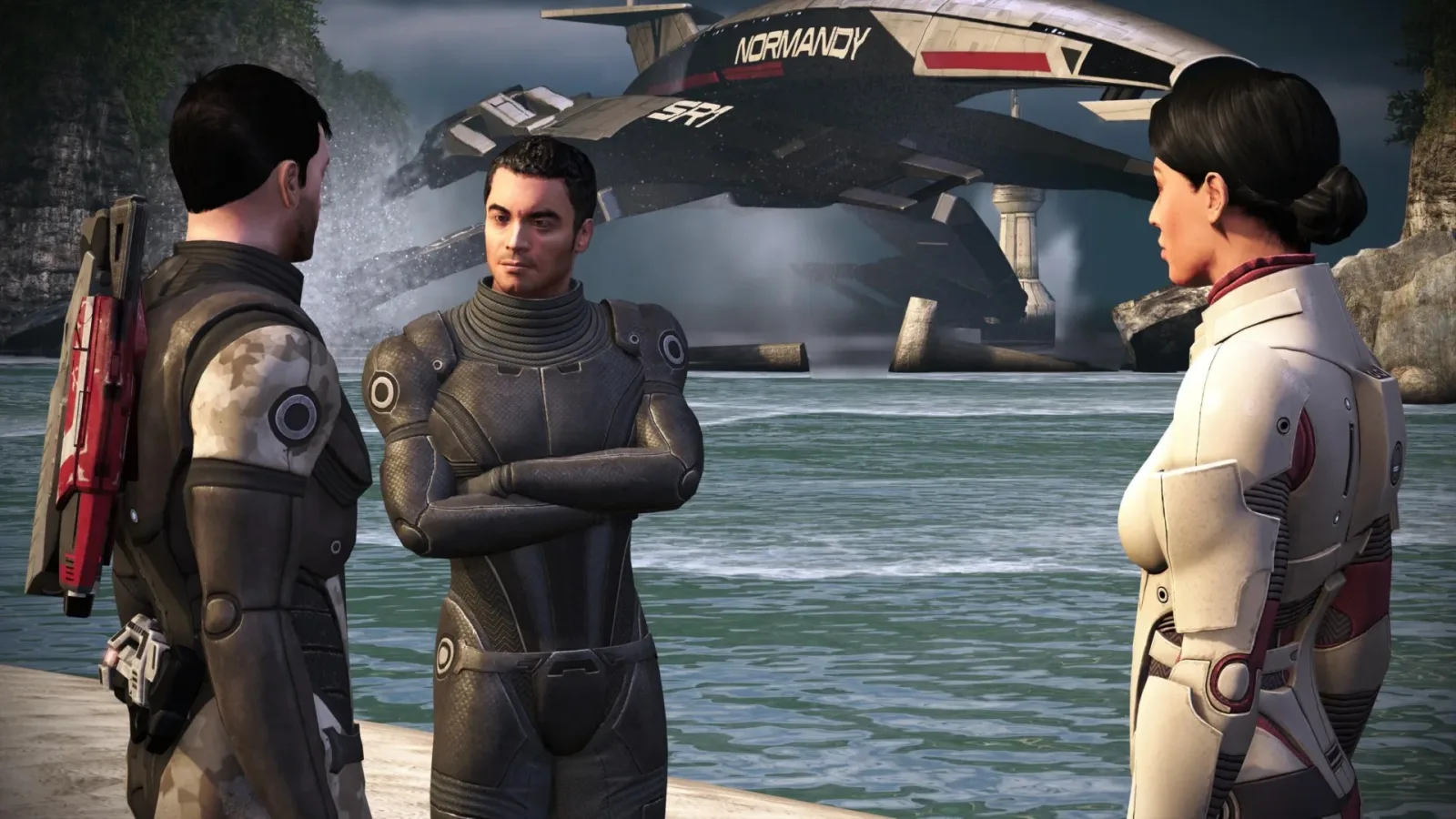
That design philosophy continued with Mass Effect. Its dialogue wheel became so influential that players jokingly described it as if BioWare had invented the concept. Loyalty missions, optional companions, moral systems, and decisions designed to echo across multiple games were not invented in isolation by one studio, but BioWare helped bring those ideas into the mainstream blockbuster RPG. The result was a generation of games that looked more closely at character relationships, branching dialogue, and player ownership of a protagonist.
Characters who felt like more than party members
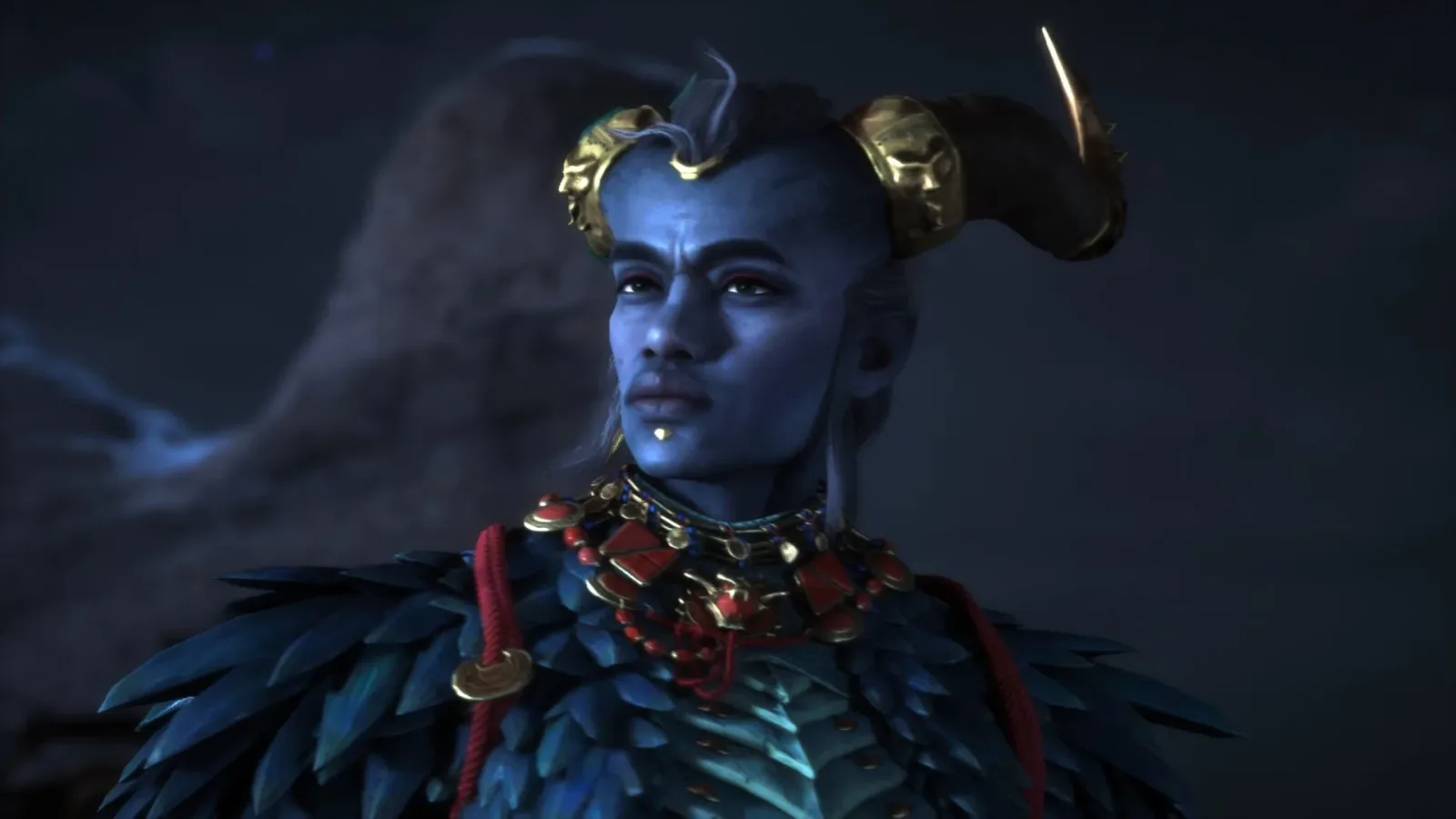
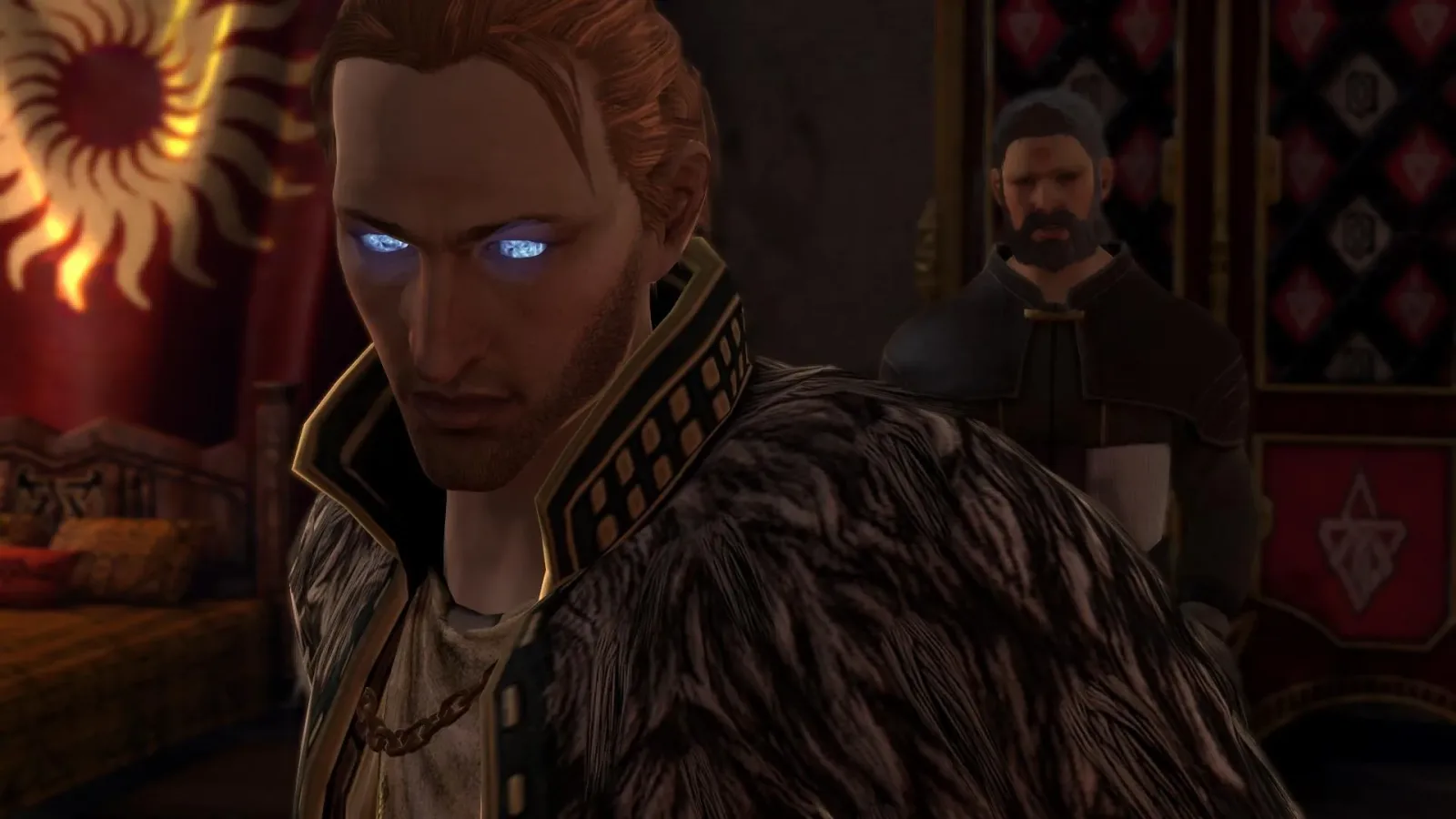
BioWare's best-known games are inseparable from their casts. Garrus Vakarian, Liara T'Soni, Captain Anderson, Varric Tethras, Dorian Pavus, Solas, Hawke, Kaidan Alenko, Thane Krios, and countless others are remembered not simply as quest-givers or combat allies, but as figures people spent time with. Fans recall jokes, arguments, romances, painful revelations, and the quieter moments aboard ships or in hubs where characters could simply exist.
For creators now working across games, publishing, tabletop RPGs, and comedy, those relationships were a lesson in craft. Writers cite BioWare's ability to balance the fantastic with the everyday: drama beside humor, epic stakes beside a small joke hidden in a corner. The studio's games recognized that players were not merely inhabiting an adventurer; they were adventurers themselves, searching for secrets and testing the boundaries of a world.
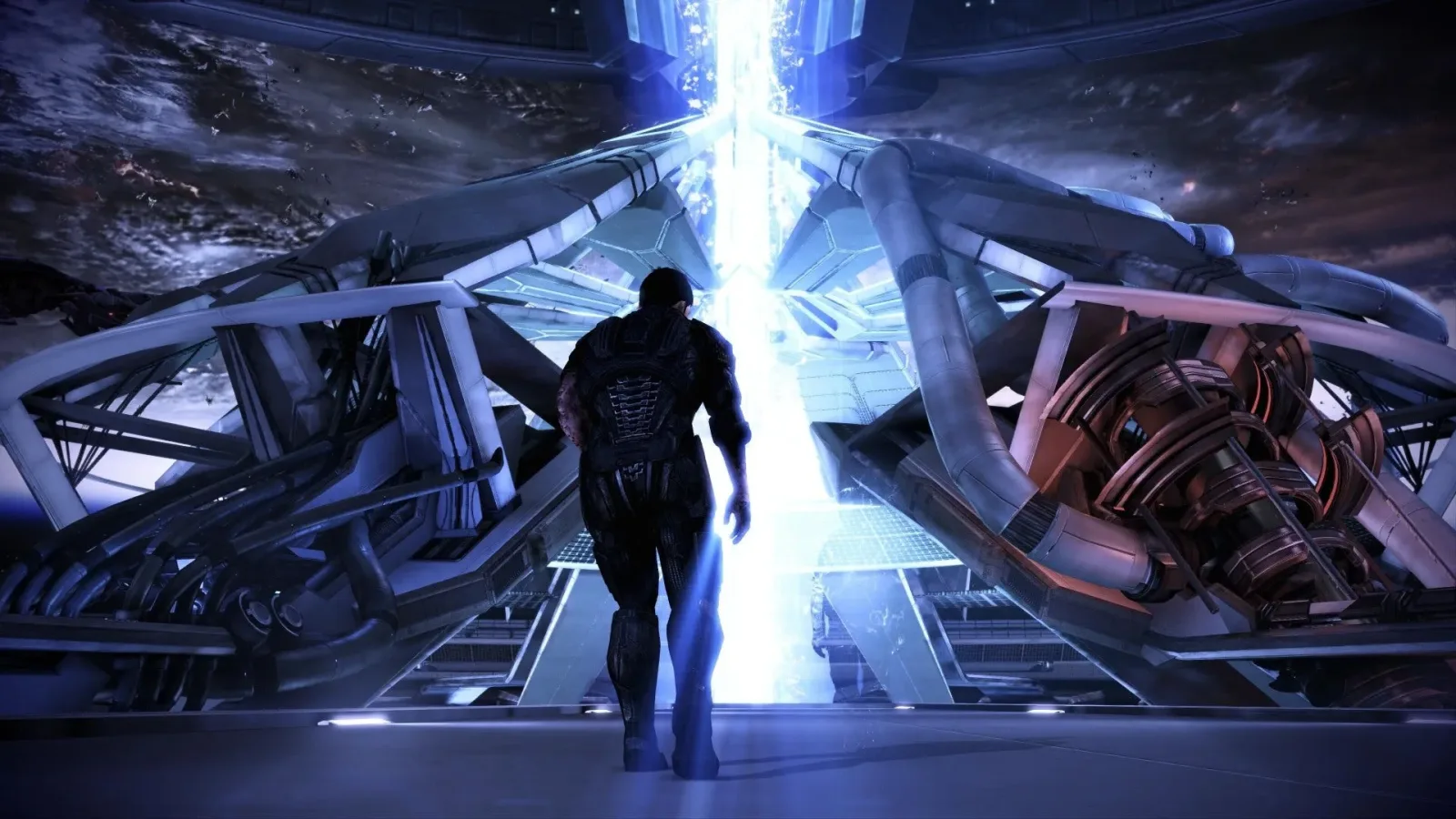
Several especially memorable sequences still stand out. Mass Effect 2's Suicide Mission remains widely admired because its outcomes make preparation, relationships, and choices feel personal rather than abstract. Mass Effect players remember meeting Vigil and realizing the scale of the Reaper cycle. Others look back on the finale of Mass Effect 3 and find meaning not in its controversies, but in Shepard's exhaustion and the weight of being asked to make a final judgment after three games.
Dragon Age II, a game whose reputation has been reassessed over time, is remembered for embracing limits on player agency. Hawke cannot simply make every problem disappear. Kirkwall changes, relationships fracture, and history rolls forward. That made its story feel intimate to many players: less like a power fantasy and more like living for years alongside a messy, beloved found family.
A safe space for queer players and stories
Perhaps no part of BioWare's legacy has been discussed more passionately than the place its games held for LGBTQ+ players. Long before inclusivity became a routine marketing claim for major releases, BioWare games gave many players room to make choices that felt unavailable or frightening in everyday life.
For some, playing a female Shepard and flirting with Liara was the first active step toward acknowledging a developing queer identity. For others, same-gender romance options in Dragon Age: Origins, the presence of Juhani in Knights of the Old Republic, or Steve Cortez's story in Mass Effect 3 offered a rare experience: being represented in a mainstream game without being made into a joke.
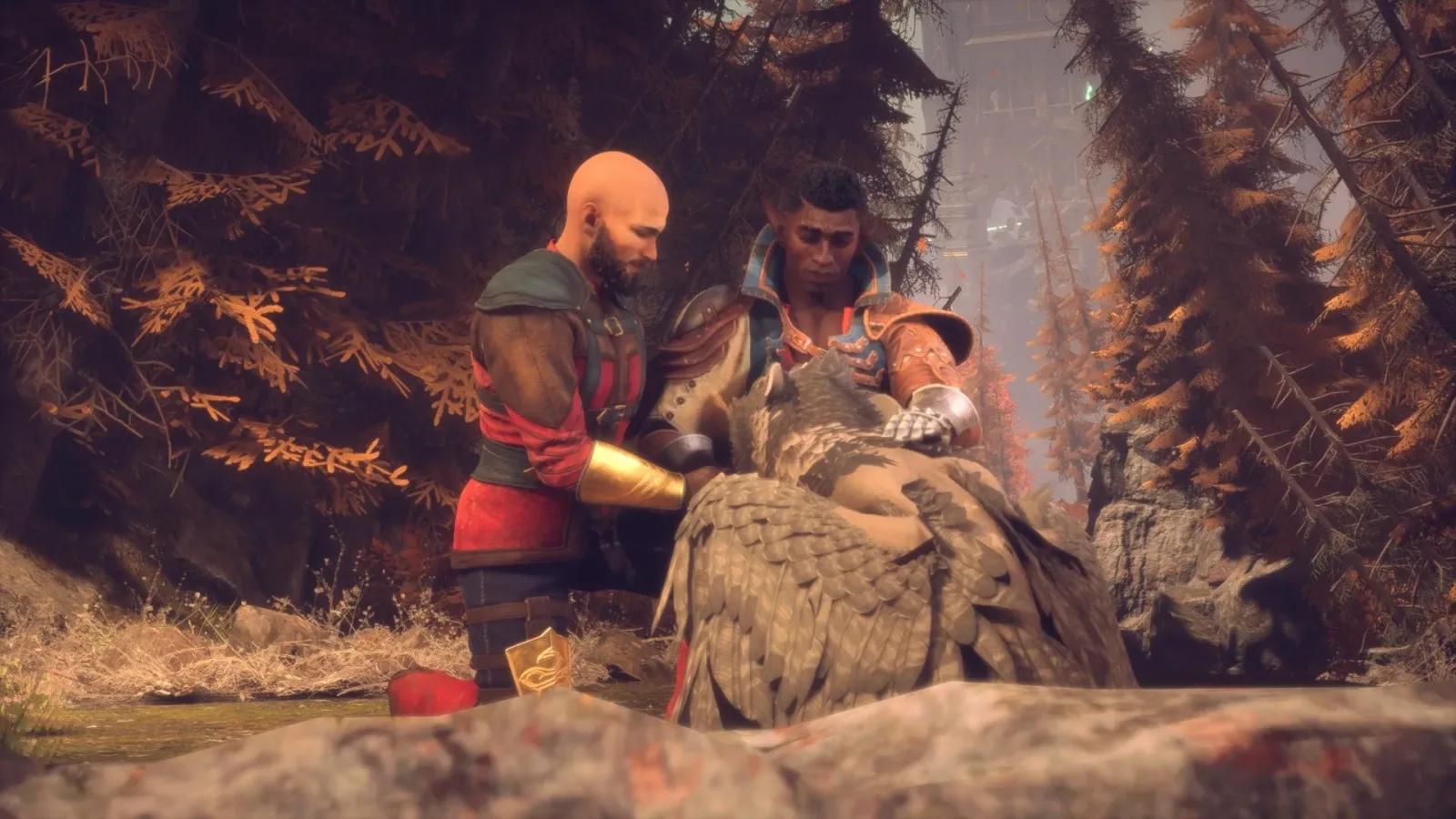
Dorian's confrontation with his father in Dragon Age: Inquisition remains especially significant to players who saw a major game address conversion therapy with unusual directness. More recently, some players found gender affirmation in Dragon Age: The Veilguard, including through its nonbinary character options and Taash's story. These experiences were not identical, but the common thread is clear. BioWare's worlds let people explore who they were while surrounded by characters and communities that treated that possibility as real.
For many fans, the games did not merely depict acceptance. They helped create the conditions in which players could begin accepting themselves.
Games that connected people in difficult times
The stories surrounding BioWare's closure are also full of connections made outside the screen. One fan described building a stronger relationship with their father through Mass Effect, comparing choices and builds while the father kept an exhaustive handwritten guide to the trilogy. Another recalled finding relief in Mass Effect 3 multiplayer after the death of their mother, with cooperative matches offering the first genuine laughs during a period of crushing grief.
Others found lifelong friendships in fan communities, Discord servers, cosplay circles, and art spaces. Some met partners through shared conversations about their Shepards, Wardens, or headcanons. One couple that connected through Mass Effect has now been together for more than 12 years and married for six, while friendships forged around both Mass Effect and Dragon Age have grown into real-world trips across the United States.
That communal afterlife matters. A game can be finished, but discussions around it can continue for decades. Fan art, costumes, fiction, memes, replay podcasts, character analysis, and simple recommendations all ensure that these worlds remain active cultural spaces. The studio's closure does not erase the relationships its work created.
Grief, anger, and an uncertain future
The reaction to BioWare's end is not purely nostalgic. It is also angry. The closure followed Electronic Arts' $55 billion acquisition by a private-equity consortium including Saudi Arabia's Public Investment Fund, Silver Lake Partners, and Affinity Partners, the firm founded by Jared Kushner. Fans and industry workers have criticized the loss of jobs and the wider instability facing game developers, particularly when creative teams are treated as disposable despite years spent building valuable franchises.
That anger is intertwined with appreciation for the people who made the games. BioWare changed repeatedly over its long history, and many veterans behind its earlier hits had already departed. Yet the people associated with its work--among them Mike Laidlaw, Mark Darrah, David Gaider, Casey Hudson, Karin Weekes, and Trick Weekes--remain part of a wider creative community. Fans hope that the talent dispersed by the closure will continue to make games, tell stories, and build new spaces for players.
The future of Mass Effect and Dragon Age as franchises remains uncertain. But the more lasting question may be whether a corporate owner can ever fully control what these games mean. The answer from the community is emphatic. Those meanings now live with the people who played them.
BioWare's legacy is not only Commander Shepard's choices, the Warden leaving Candlekeep, Hawke surviving Kirkwall, or the many heroes players created in between. It is the person who learned to write because of a companion quest, the player who came out after a romance scene, the parent and child who found a shared language, and the friends who still meet because an RPG brought them together years ago.
The studio is closed. The stories are not.
Community
Discussion
Start the conversation.
No comments have been posted yet.