

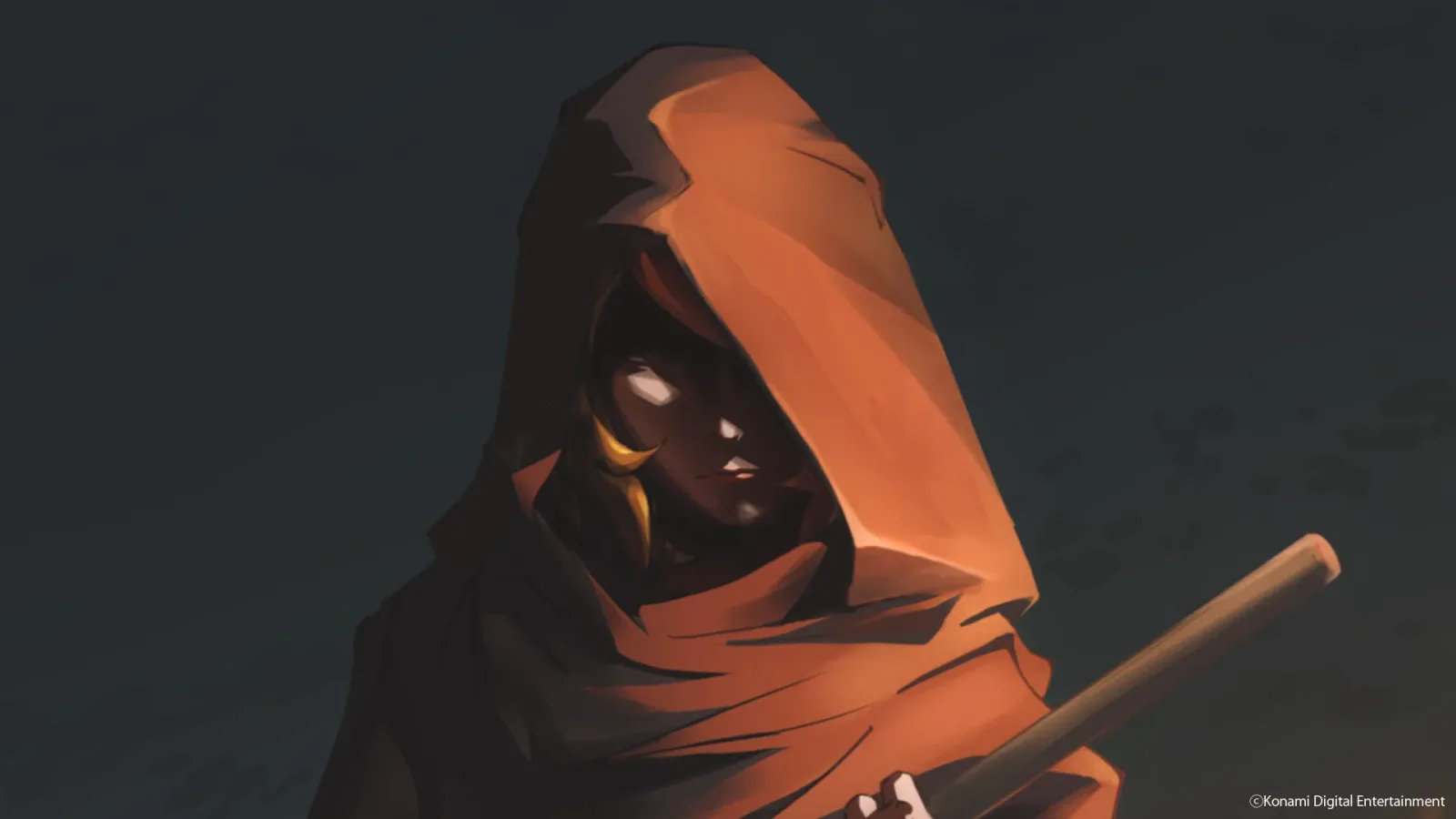
Castlevania: Belmont's Curse has made a remarkably strong first impression with critics. The newly released entry is currently sitting at a Metacritic average of 86, calculated from 45 critic reviews, giving the gothic action game one of the highest aggregate scores in Castlevania's four-decade history.
That number is particularly notable because Belmont's Curse arrives after a lengthy absence for brand-new games in the series. Castlevania has remained visible through collections, adaptations, collaborations, and guest appearances, but fans have waited more than a decade for a wholly new installment. With that kind of expectation attached to the Belmont name, an 86 average suggests the return has connected with a substantial portion of the critical community.
The game does not overtake the very top tier of Castlevania's historical review averages, but it stands in rare company. Its score places it behind a select group of beloved games that have long shaped how players and critics define the series at its best.
An 86 Places Belmont's Curse Among Castlevania's Strongest Releases
Metacritic averages cannot capture every difference between platforms, eras, review standards, or the changing size of a review pool. They can, however, offer a useful snapshot of how a release has landed at the time of publication. On that basis, Belmont's Curse has opened with an especially healthy reception.
For useful background on this topic, read Deep Dish Dungeon Launches on Xbox Game Pass, Xbox and PC.
The Castlevania games above its current 86 include several landmarks from the franchise's history:
- Castlevania: Circle of the Moon -- 91
- Castlevania: Harmony of Dissonance -- 87
- Castlevania: Aria of Sorrow -- 91
- Castlevania: Dawn of Sorrow -- 89
- Castlevania: Symphony of the Night on PlayStation -- 93
- Castlevania: Symphony of the Night on Xbox 360 -- 89
It is a list dominated by games that remain central to discussions of the series. Symphony of the Night is one of the medium's most influential exploration-focused action games, while the Game Boy Advance trilogy built a formidable reputation for bringing Castlevania's atmospheric platforming and character progression to handheld hardware. Dawn of Sorrow, the Nintendo DS follow-up to Aria of Sorrow, is likewise frequently celebrated as one of the strongest modern interpretations of that formula.
For Belmont's Curse to sit immediately beneath that collection of titles is a meaningful result. It does not simply benefit from the nostalgia surrounding an established name; the early consensus places it close to games that have endured as benchmarks for level design, mood, music, combat, and replayable exploration.
A Return Carrying Major Expectations
The circumstances around Belmont's Curse make its reception more significant. A return after more than 10 years brings pressure from several directions. Longtime fans have their own preferred eras, whether that means the deliberate, stage-by-stage structure of the earliest games or the more exploratory style associated with Symphony of the Night and its successors. Newer players may know Castlevania through its broader cultural reach, including its prominent screen adaptation and its appearance in crossover projects.
A new game must therefore walk a narrow path. It needs enough of the familiar gothic identity to feel like Castlevania, while offering a reason to exist beyond imitation. The early review response indicates that Belmont's Curse has succeeded for many critics by combining series traditions with its own sense of momentum.
One published assessment awarded the game four out of five stars and praised its visual presentation, difficulty, puzzles, and the way it puts traversal at the center of the experience. That review described a richly realized gothic setting filled with enemies to confront and problems to solve, while also highlighting the balance between quick movement-driven action and story. The conclusion was that Belmont's Curse respects the legacy associated with the Belmont family while taking that legacy in fresh directions.
That combination is important. Castlevania's most enduring games have rarely succeeded on iconography alone. Whips, castles, skeletons, vampires, and ornate horror imagery are essential ingredients, but the strongest entries pair them with a clear mechanical identity. In Belmont's Curse, the positive commentary around challenging encounters, exploration, and fast traversal suggests that critics have found that identity.
Positive Reviews Lead the Early Critical Picture
The majority of reviews counted in the current Metacritic total are categorized as positive. Several critics have given Belmont's Curse full marks, demonstrating that the game has earned especially enthusiastic support in some corners. At the same time, the response is not completely uniform, which is normal for an action game working within such a recognizable and historically loaded series.
Eight reviews are listed as mixed, including scores in the three-out-of-five and seven-out-of-10 range. Those assessments still point to a game with qualities worth recognizing, even where certain choices, challenges, or design priorities may not appeal equally to every critic. The resulting 86 average reflects broad approval rather than universal consensus.
That distinction matters for a franchise as varied as Castlevania. Some players want punishing, linear platforming with carefully memorized enemy patterns. Others prefer interconnected maps, RPG-style progression, broad build options, and extensive secret hunting. A new entry attempting to honor multiple eras can generate different reactions depending on which side of the series a critic values most.
Nevertheless, an average in the mid-80s from 45 reviews is a strong outcome, especially for a game returning to a legacy series with demanding expectations. The score may shift as additional reviews are added, but the opening response has already established Belmont's Curse as a well-received chapter in the broader Castlevania timeline.
How It Compares With Recent Castlevania Collaborations
Belmont's Curse is also entering a modern Castlevania landscape in which the series has enjoyed major success through collaborations with other games. Those projects provide an interesting point of comparison, though they are fundamentally different from a standalone new Castlevania release.
Vampire Survivors: Ode to Castlevania holds a 95 average, while Dead Cells: Return to Castlevania has an 88. Both expansions were received extremely well, and both showed that the tone, enemies, music, and settings associated with Castlevania can thrive when interpreted through another game's established mechanics.
Belmont's Curse sits just below Return to Castlevania's 88. That comparison has an additional connection: Evil Empire, the team behind Belmont's Curse, also developed the Dead Cells expansion. The earlier project gave the studio an opportunity to work with Castlevania material in a crossover format. Belmont's Curse represents a different challenge, requiring the developer to support an entire new game under the Castlevania banner rather than extending an already acclaimed action roguelite.
The 86 average suggests that Evil Empire has translated that experience into a successful larger-scale return. Even if it has not surpassed the response to its own Dead Cells collaboration, it has landed close enough to underscore the studio's apparent understanding of what makes Castlevania's world and action compelling.
The Importance of Not Waiting Another Decade
The arrival of Belmont's Curse has also been framed by a sense that Castlevania cannot afford to retreat for another extended period. One producer explained that the project was driven by urgency, arguing that a further 10-year wait for another game would make the effort feel meaningless. That perspective captures why this release carries weight beyond its individual review scores.
For a series with a 40-year legacy, new installments help preserve a living connection between its history and its future. Collections and crossover appearances can introduce classic games to fresh audiences, but a dedicated original release gives the franchise a chance to evolve. It allows new creative teams to respond to past ideas, reconsider what a Castlevania game can be, and potentially establish foundations for subsequent entries.
Belmont's Curse now has a promising start in that role. Its critical standing is not quite at the level of Symphony of the Night, Aria of Sorrow, or Circle of the Moon, and it trails the review averages of the recent Ode to Castlevania and Return to Castlevania expansions. But those comparisons are lofty ones. An 86 puts it beside some of the most admired games ever to carry the Castlevania name.
For fans who have spent years hoping for a meaningful return, the early verdict is encouraging: Belmont's Curse appears to be more than a nostalgic revival. It is a well-regarded new entry that embraces the series' dark atmosphere and demanding action while finding room to move the Belmont legacy forward.
Community
Discussion
Start the conversation.
No comments have been posted yet.