

Castlevania: Belmont's Curse brings Konami's foundational action series back in a form that understands why its labyrinthine adventures have endured. Developed by Evil Empire, the game is a large-scale Metroidvania built around exploration, locked paths, hard-won traversal tools, secret-filled rooms, and bosses that require more than simple mechanical skill to locate. It is launching on October 15, 2026 for PC, PlayStation 5, Xbox Series X, and Nintendo Switch.
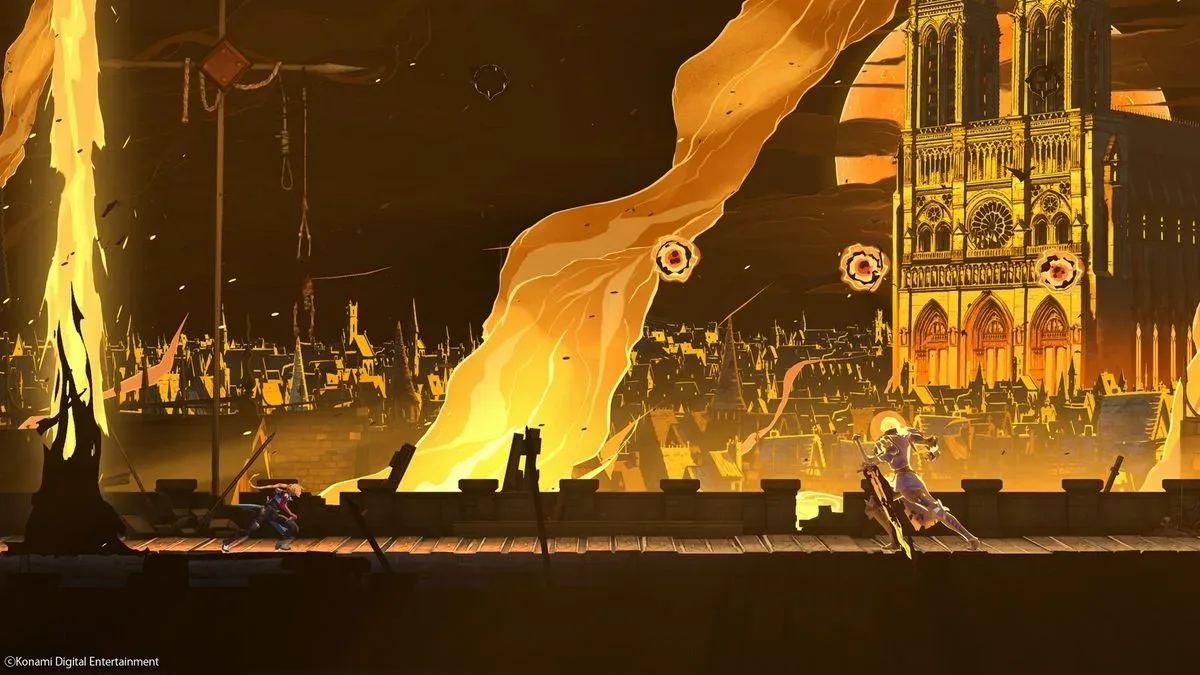
Set against the burning streets of 15th-century Paris, Belmont's Curse trades the franchise's familiar procession of stone corridors for a city and underworld packed with recognizable landmarks. Notre Dame, the Catacombs, and eventually Dracula's Castle become pieces of a connected map designed to be studied as closely as it is fought through. The result is an ambitious return that feels deeply rooted in Castlevania's history while adopting a more modern rhythm of movement and combat.
It is also a game unusually willing to ask players to pay attention. Map markers are helpful, but they do not solve every mystery. Cryptic messages, unexplained patterns, peculiar characters, and important objects tucked into obscure areas can demand old-fashioned note taking. That approach will be a delight for players who enjoy decoding a world for themselves, even if it can occasionally turn the hunt for the next objective into a frustrating search.
A Parisian descent into Dracula's domain
Belmont's Curse is structured around the central appeal of the genre: opening the map, spotting inaccessible routes, gaining a new ability, and returning later with the means to push farther. The world is a broad puzzle of halls, rooftops, tunnels, libraries, hidden walls, traps, and combat arenas. Its Parisian setting supplies a welcome visual identity before the adventure reaches the more traditionally ominous spaces associated with Dracula.
For useful background on this topic, read Ace Combat Zero Will Become a Standalone PC App Following Player Backlash.
The transition into Dracula's Castle is particularly effective. The game builds expectations toward what seems like a conventional major confrontation, only to take the story in another direction. Rather than undercutting the momentum, the reveal of the castle provides a dramatic payoff in its own right. It is a moment that demonstrates the game's confidence in pacing and in the appeal of its presentation.
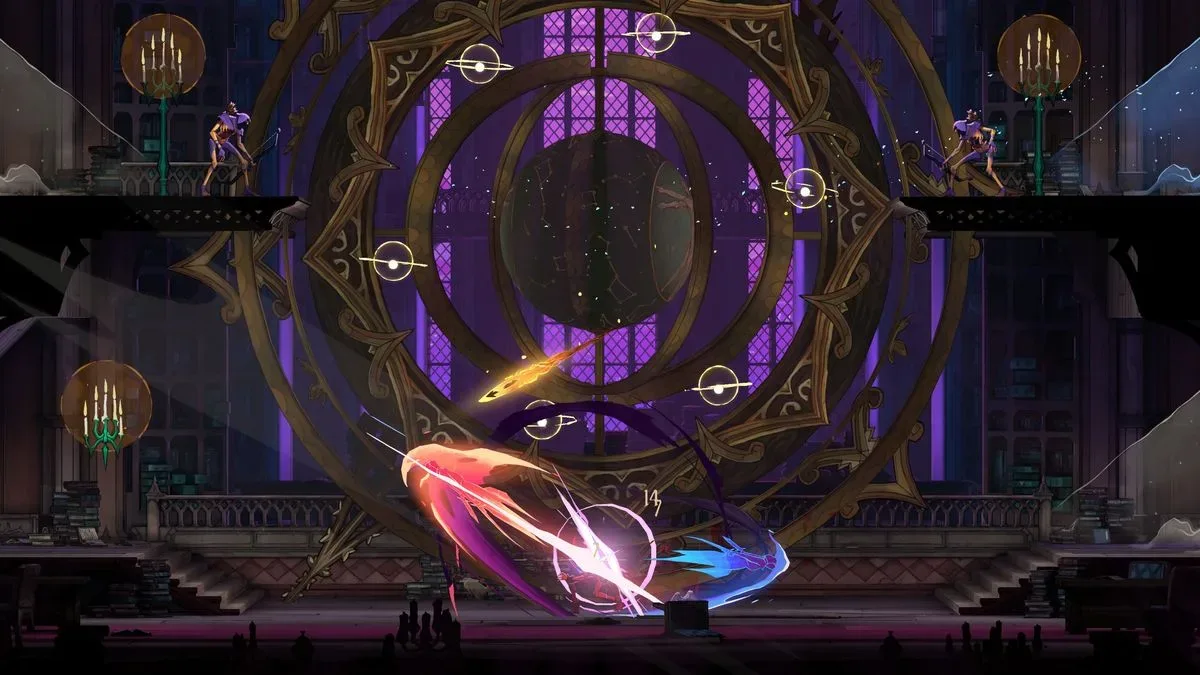
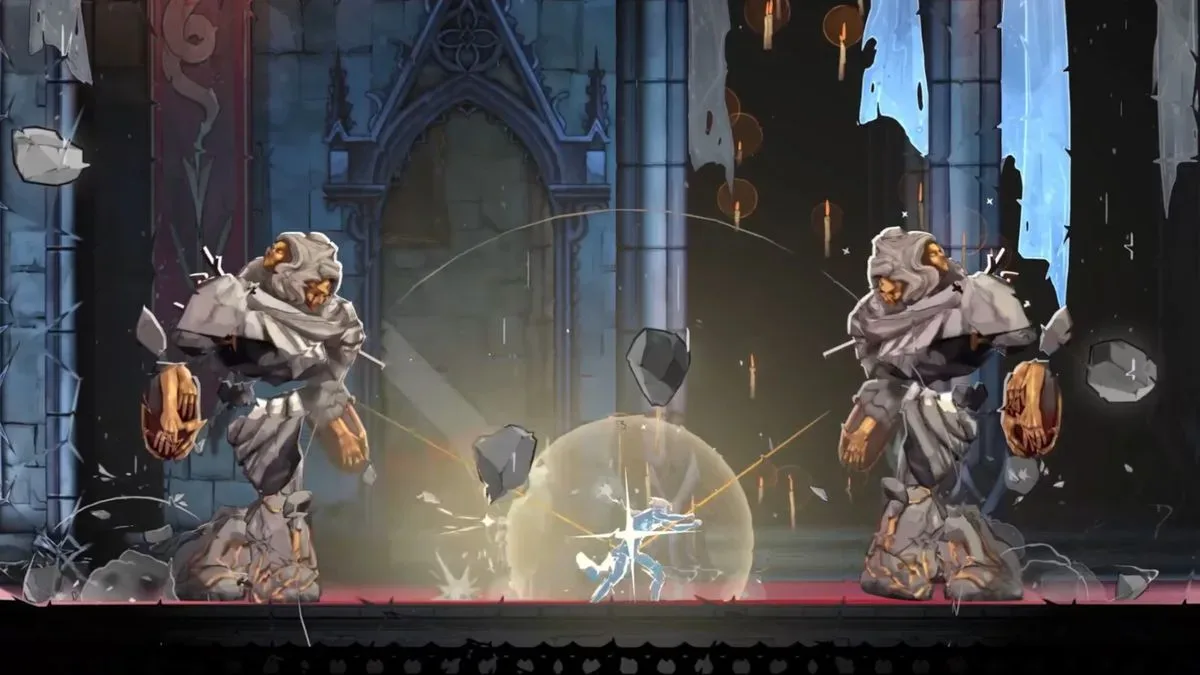
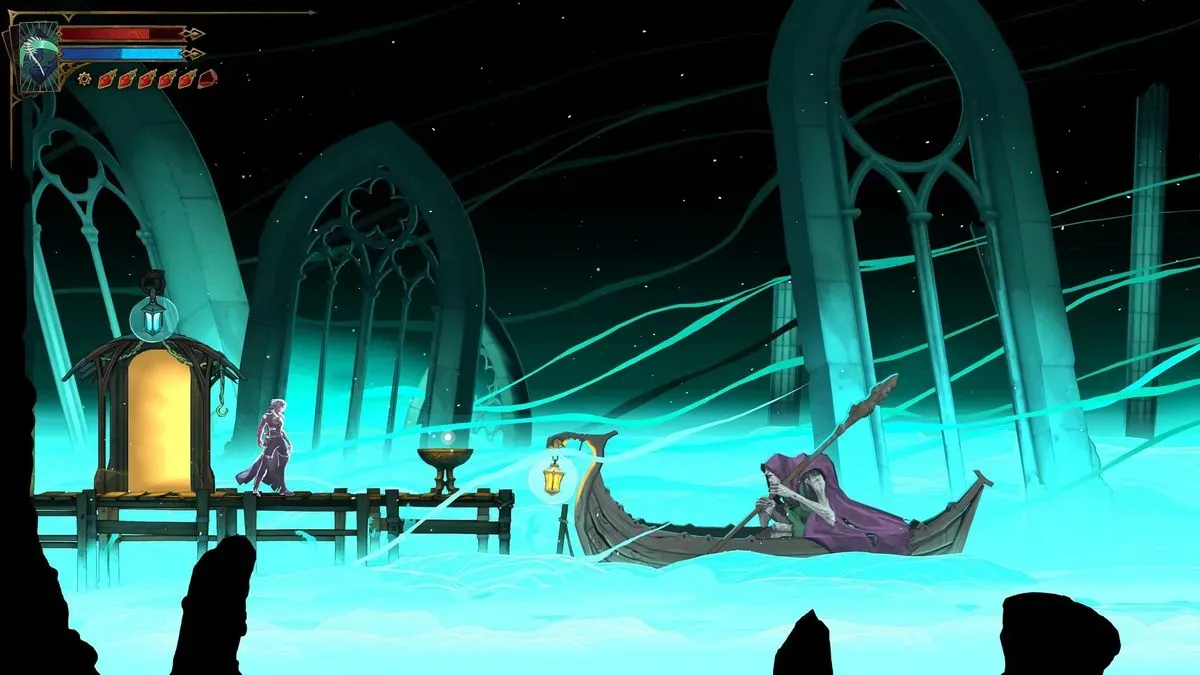
Visually, Belmont's Curse is one of the strongest arguments for this new chapter. Lightning cuts across gothic windows and illuminates painterly scenes of a Paris in flames. Famous architecture is rendered with enough detail to invite a moment of appreciation even when enemies are closing in. The art can be colorful and flashy in ways that differ from some older Castlevania entries, but the gothic mood remains firmly intact. It looks less like a direct imitation of the series' past and more like an interpretation of its enduring style.
Dracula's Castle, meanwhile, provides the expected blend of cruel architecture and playful secrets. Ambush chambers and punishing obstacles sit alongside the kind of hidden rewards that fans expect, including food concealed behind suspicious walls. The game clearly knows that a Castlevania castle should be dangerous, strange, and full of reasons to strike every surface that looks slightly out of place.
The Holy Whip gives movement real character
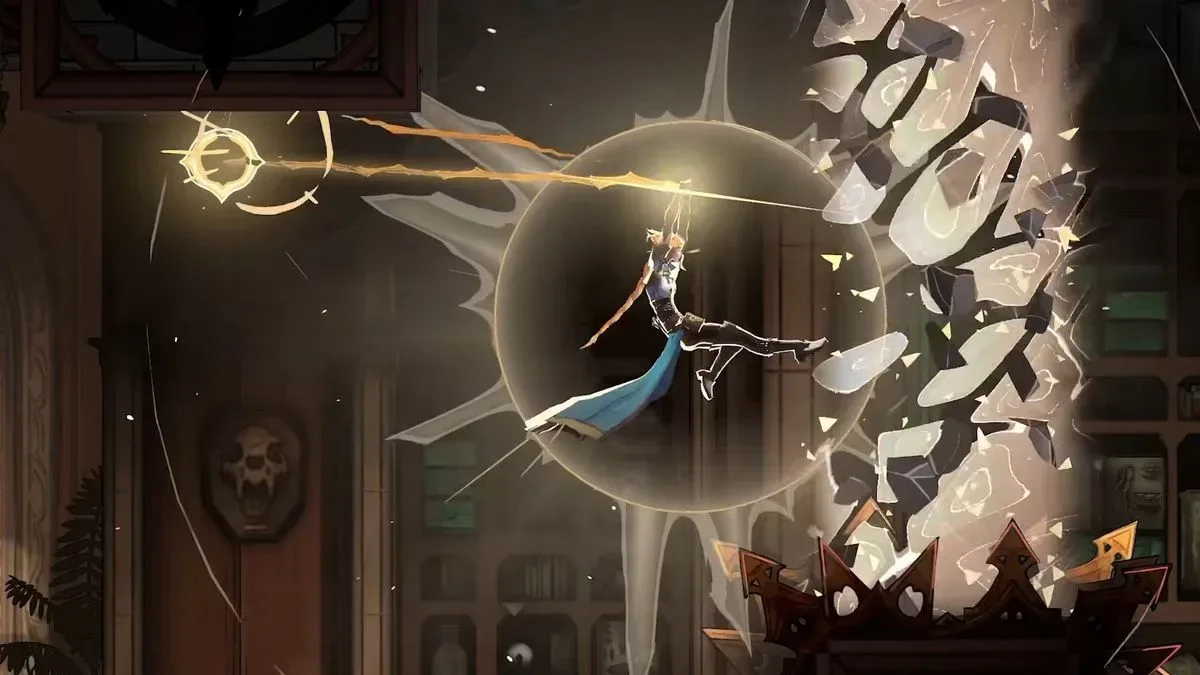
Rose Belmont is at the center of the adventure, and her signature Holy Whip is more than a nostalgic accessory. It defines much of the game's traversal and combat flow. Rose can swing from hooks, latch onto airborne foes, pull herself out of danger, and use the whip to create satisfying aerial sequences. The tool gives platforming a distinctly Castlevania flavor even when the movement systems show influences from Evil Empire's previous work on Dead Cells.
Rose can feel slightly weighty, but that seems intentional rather than unresponsive. There is a gratifying physicality to grappling an enemy in the air, dropping into a cluster below, and smashing through the group in one motion. Slide dodges, mobility options, and airborne control keep the adventure moving at a brisk clip once the player has learned the rhythm.
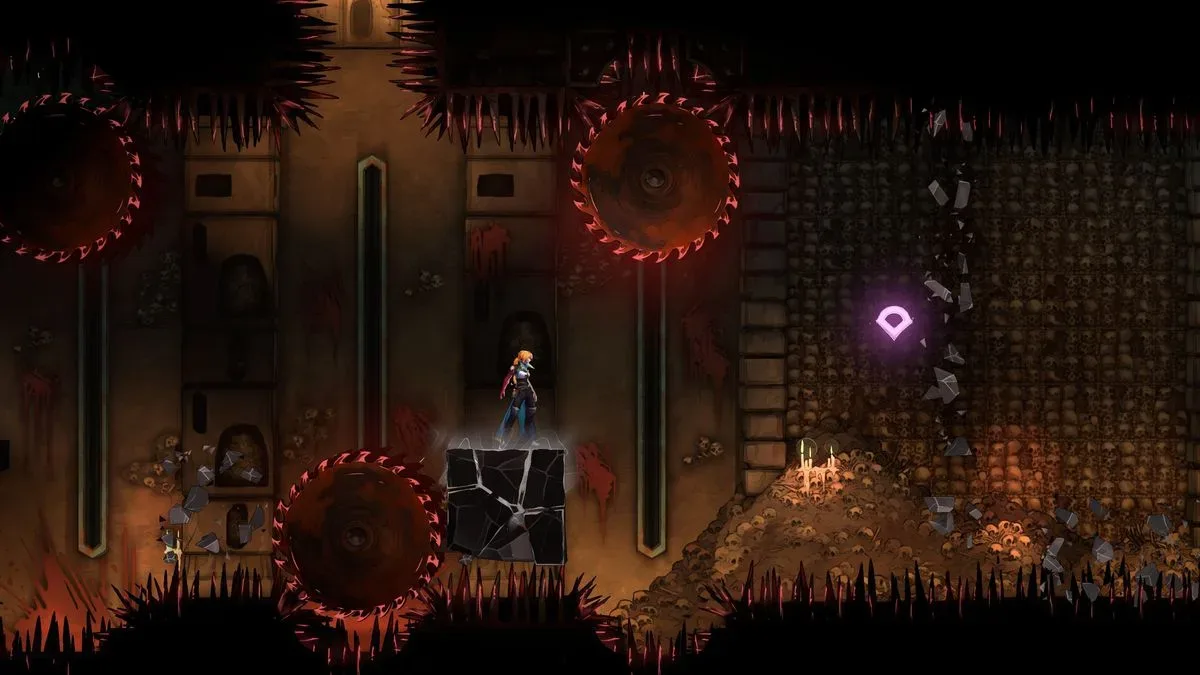
Traversal challenges can require accuracy and patience, especially when they guard secrets or upgrades. Yet the design generally understands the value of relief after tension. Clearing a hazardous route frequently leads to a shortcut, transforming a difficult stretch from an ongoing burden into a memorable accomplishment. That familiar Metroidvania rhythm of overcoming an obstacle and permanently improving future routes is handled well.
The game is demanding, but it has several safeguards against becoming punishing. Mirror of Life save points are plentiful, easing the stress of getting an elaborate trap sequence perfect on the first attempt. Enemies remain defeated when players leave and re-enter a room; they only return after death. That means a previously cleared route stays manageable while players explore, rather than becoming a repetitive combat tax on every backtrack.
A generous arsenal and room to experiment
Combat offers considerable choice. Belmont's Curse features seven weapon families with four weapons in each, while the Arcana System allows abilities and spells to be swapped to better suit a particular enemy type or situation. This broad toolkit keeps encounters from settling into a single routine and makes the game accessible to different playstyles.
A sword-and-shield combination, for example, supports a charge dash that can plow through enemies. It is especially useful during long returns through areas that have already been explored. Elsewhere, magic, relics, and other weapons offer solutions for crowded rooms and specialized threats. The game does not leave players short of options when monsters fill the screen.
Importantly, new equipment is tied to exploration rather than random enemy drops. Weapons are found in chests, commonly positioned as rewards for tricky platforming or hidden detours. That makes discoveries feel deliberate and preserves the connection between venturing off the obvious route and becoming more capable. A difficult traversal section is not just a test for its own sake; it can materially change the way Rose approaches future fights.
Bosses are linked to Tarot cards, and finding them is often more challenging than defeating them. Progression depends on interpreting clues that are deliberately vague. This gives the world an enigmatic texture and creates the sort of discussion-worthy mysteries that can make exploration feel personal. However, it also produces the game's clearest frustration: players may spend a long time combing a location, attacking walls, and revisiting every corridor without a strong sense of where to go next.
Fast travel does not fully offset that issue. Its limited availability can make a large map feel more cumbersome than it needs to be, particularly once the game asks players to connect an opaque clue to a distant location. For a game that wants players to look carefully, uncertainty is part of the design. But there is a difference between an intriguing riddle and a stalled search, and Belmont's Curse sometimes lands on the latter side.
Bosses, accessibility, and the limits of the soundtrack
When a major battle does arrive, the game can be excellent. Talos stands out as an encounter that turns the environment into part of the fight. Players must avoid his attacks, race through trap-filled rooms under a countdown, and relocate the boss before time expires. It is the kind of encounter that creates genuine pressure without abandoning the movement and exploration principles that define the rest of the game.
Belmont's Curse also makes a strong case as an approachable entry point for newcomers. Accessibility settings can increase health potion capacity, let players retry bosses without completing lengthy return trips, and boost attack damage. These options do not remove the game's puzzles or platforming demands, but they give players room to tailor the intensity. Veterans can retain the full challenge, while less experienced players have tools to keep a difficult boss from ending their momentum.
The one notable shortfall is the music. Castlevania has an extraordinary musical legacy, and Belmont's Curse has the difficult job of following the work associated with series composer Michiru Yamane. Its central theme establishes a brooding gothic mood, but much of the wider soundtrack does not consistently reach the same level as the visuals or drama. It is not damaging enough to spoil the atmosphere, though it does mean some areas lack the unforgettable musical lift that the best Castlevania games have delivered.
A family curse worth investigating
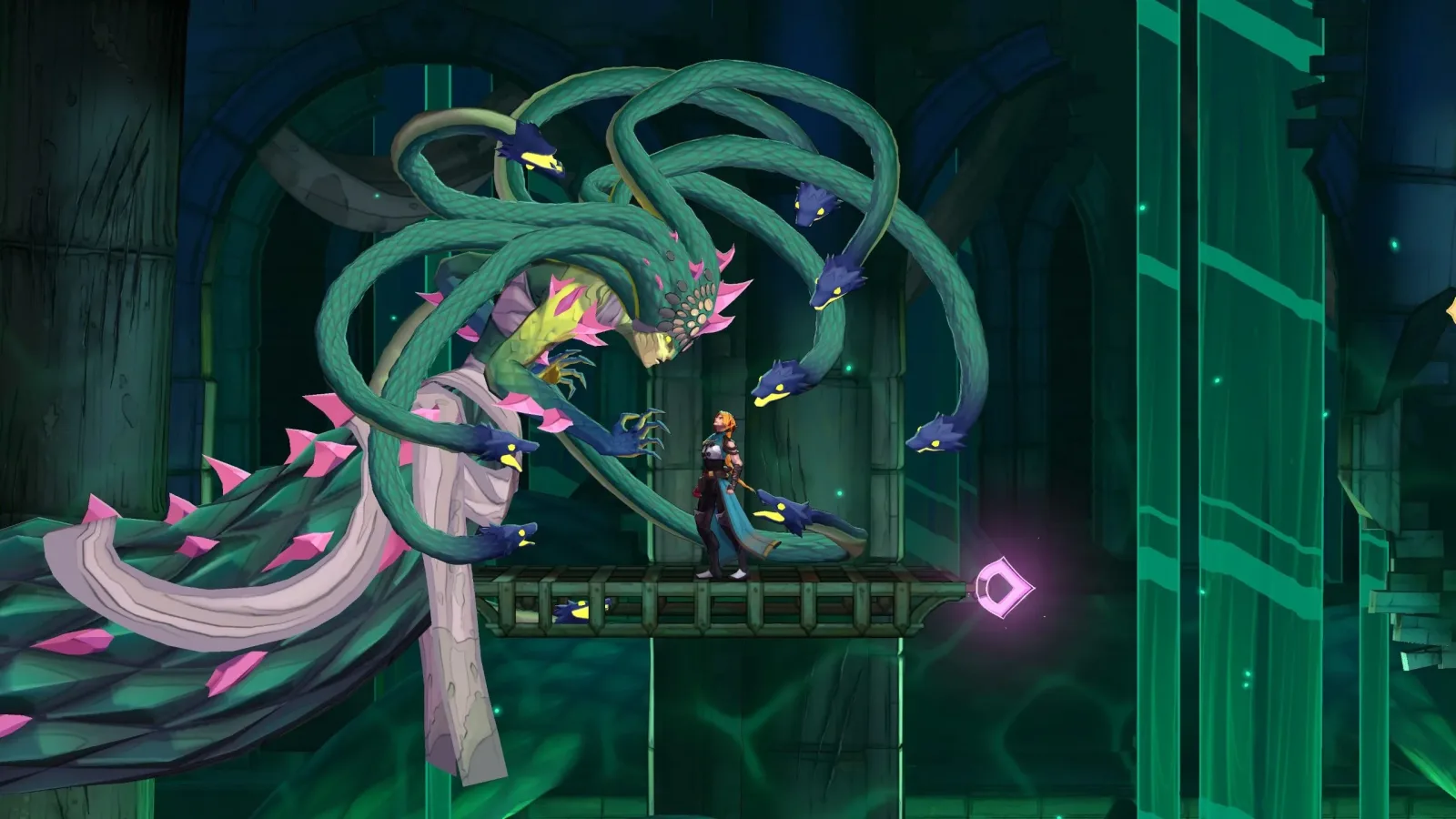
The story provides a more reliable source of momentum. Belmont's Curse continues the family drama from Castlevania 3: Dracula's Curse, with Leon Belmont's reappearance and the mystery surrounding Rose's condition raising the stakes. The tone is grand, melodramatic, and anime-inspired in a way that suits the series. Longtime followers will also find plenty of familiar faces and visual callbacks, including encounters with Death, Medusa, and Carmilla.
One especially evocative detail sees paintings of Alucard act as guides through Dracula's Castle, using directional sword imagery to point the way through the labyrinth. These nods are meaningful without being the game's only appeal. Belmont's Curse is not simply a museum of old Castlevania references; it uses its inheritance to support a fresh, complex adventure.
After roughly 23 hours, the game offers multiple endings, with three possible outcomes in total. That scale, combined with its secrets and alternate routes, suggests a substantial journey for players willing to engage with its mysteries. Its pathfinding demands and limited fast travel may deter those looking for a strictly guided action game, and its soundtrack does not always match its spectacular scenery. Still, the core is remarkably strong.
Castlevania: Belmont's Curse is a compelling gothic Metroidvania that earns its place in the series through smart combat, memorable traversal, lavish environments, and a willingness to make exploration feel genuinely investigative. It may ask players to keep notes as often as they sharpen their reflexes, but for anyone ready to embrace that challenge, Rose Belmont's journey is a triumphant return to the castle's shadows.
Community
Discussion
Start the conversation.
No comments have been posted yet.