

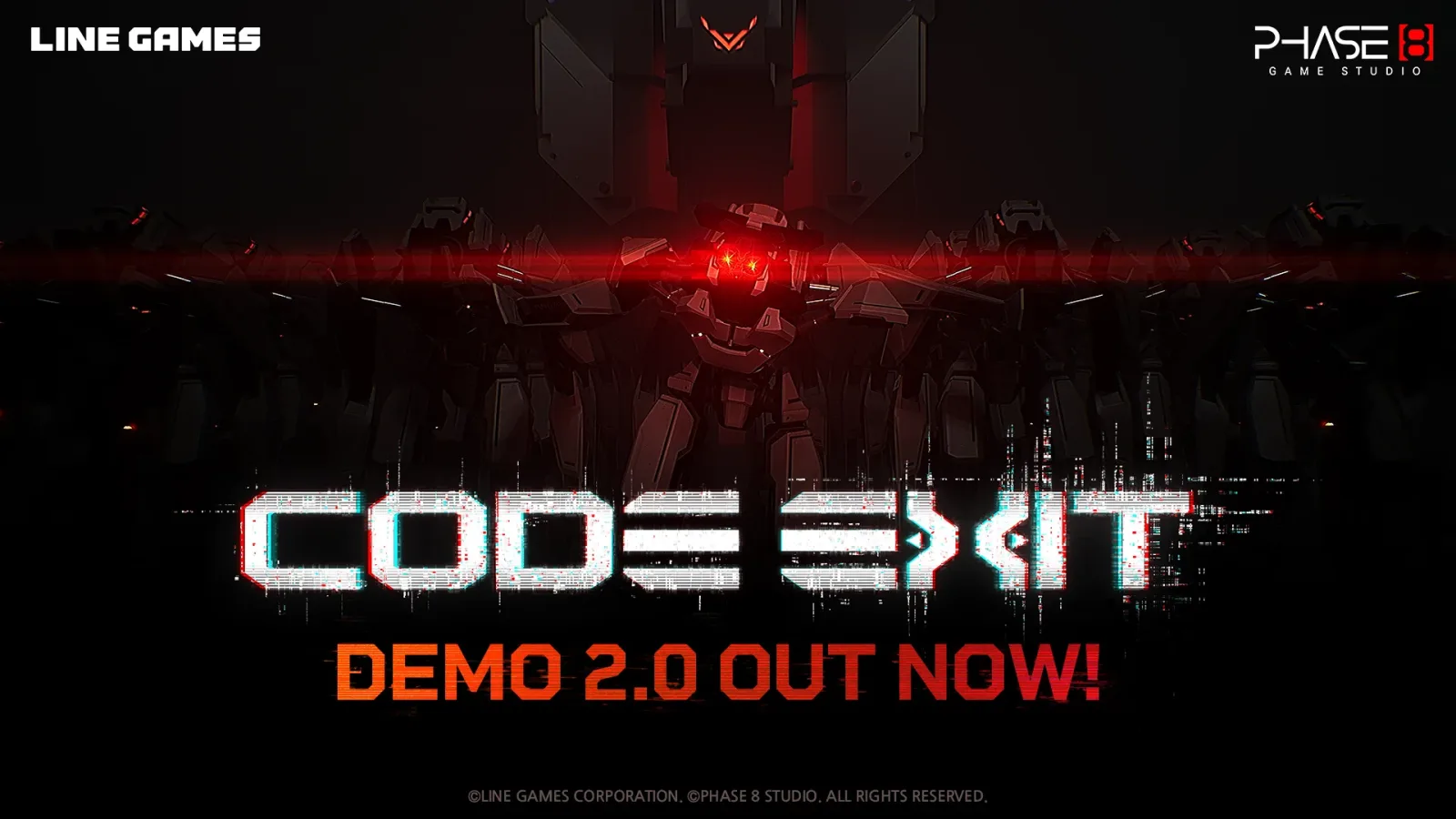
CODE EXIT Demo 2.0 is now available on Steam, giving PC players another chance to enter the ruined city of Pantheon before the game appears in Steam Scream Fest V. Developed by Phase 8 Studio and published by LINE Games, CODE EXIT is a science-fiction survival horror experience designed for solo players or teams of up to four.
The updated demo arrives after a three-week global playtest and incorporates new systems and refinements shaped by player feedback from that testing period. Among the headline additions are a new tutorial stage, a clearer interface, keyboard-control customization, multiplayer improvements, and systems intended to keep a team useful even when its members do not all make it through an encounter unscathed.
Steam Scream Fest V is scheduled to run from October 26, 2026, at 10 AM PT / 1 PM ET until November 2, 2026, at 10 AM PT / 1 PM ET. The Demo 2.0 launch gives prospective players time to learn the game's rules and its dangerous setting before the seasonal Steam event begins.
A mission inside the fallen city of Pantheon
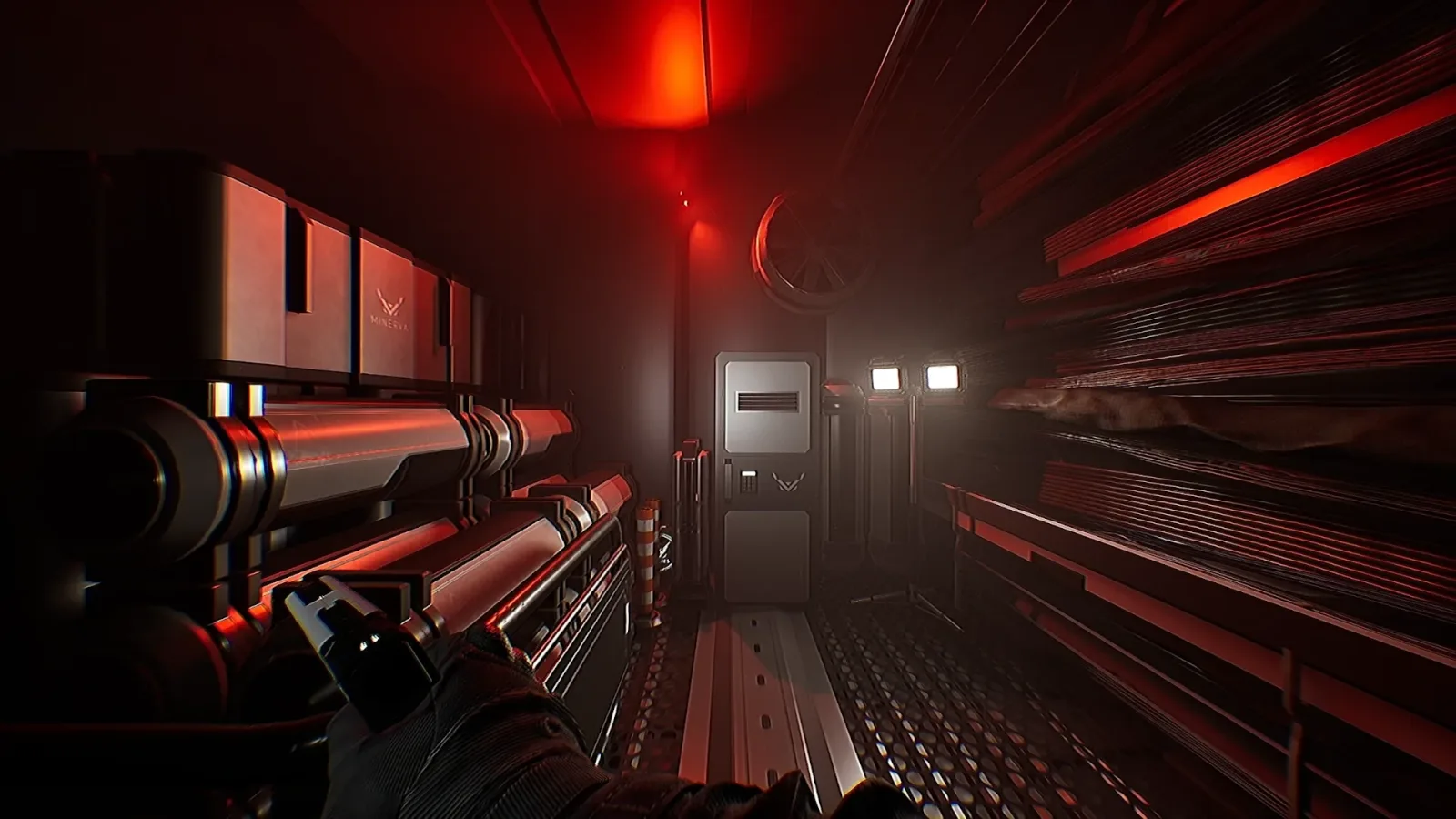
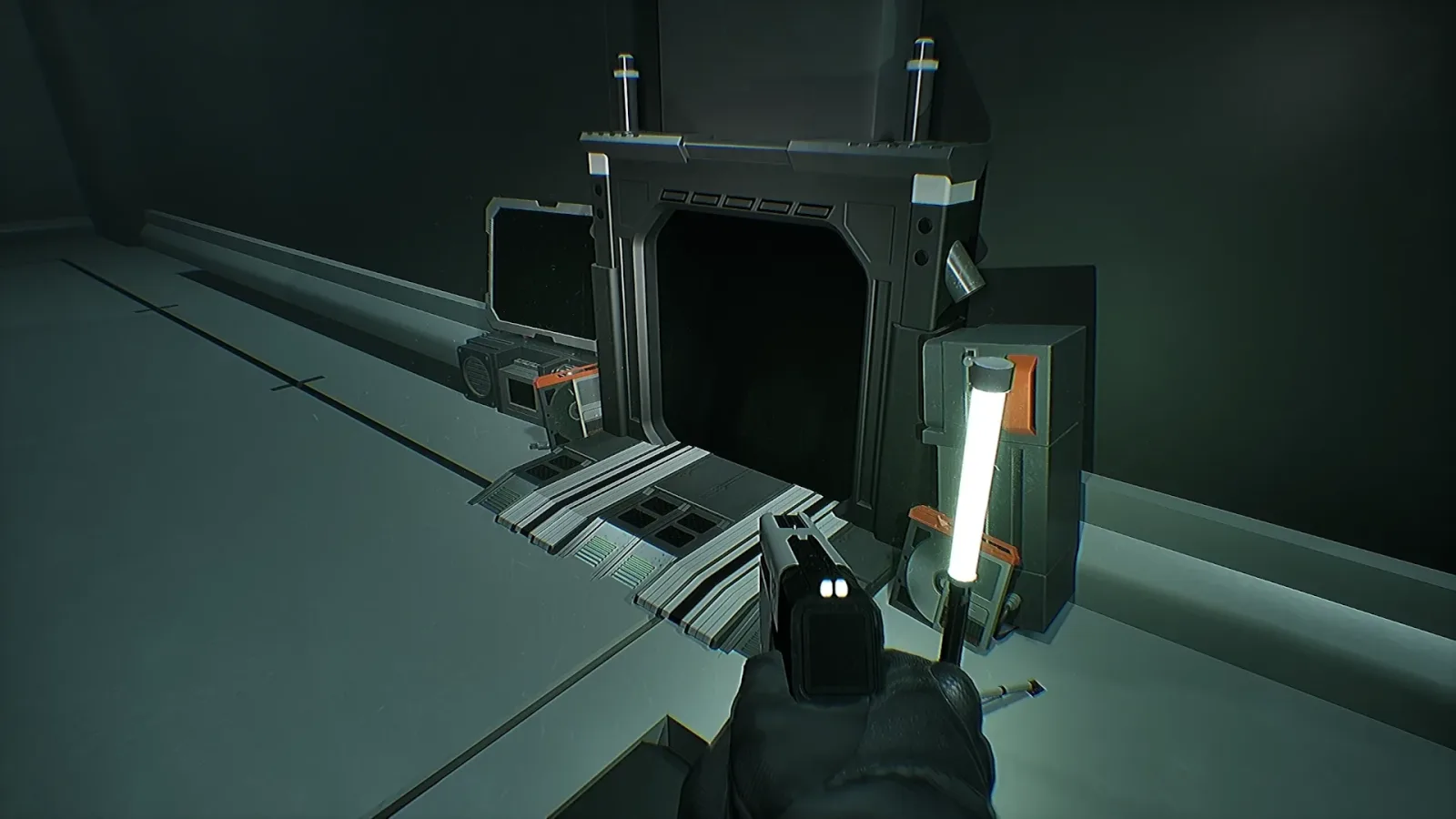
CODE EXIT places players in the role of Hermes operatives dispatched into Pantheon, a city that has fallen into crisis. Their objective is not simply to escape. Each run asks operatives to restore essential systems, acquire concealed data, and ultimately extract alive from an environment that is actively working against them.
For useful background on this topic, read AION 2 Passes 108 Million Player Hours in Its First 18 Days.
That structure puts pressure on every decision. A group may need to weigh the value of pushing farther into a hostile area against the risk of staying exposed for too long. The mission calls for recovery and repair work, but survival remains the condition that determines whether those efforts pay off.
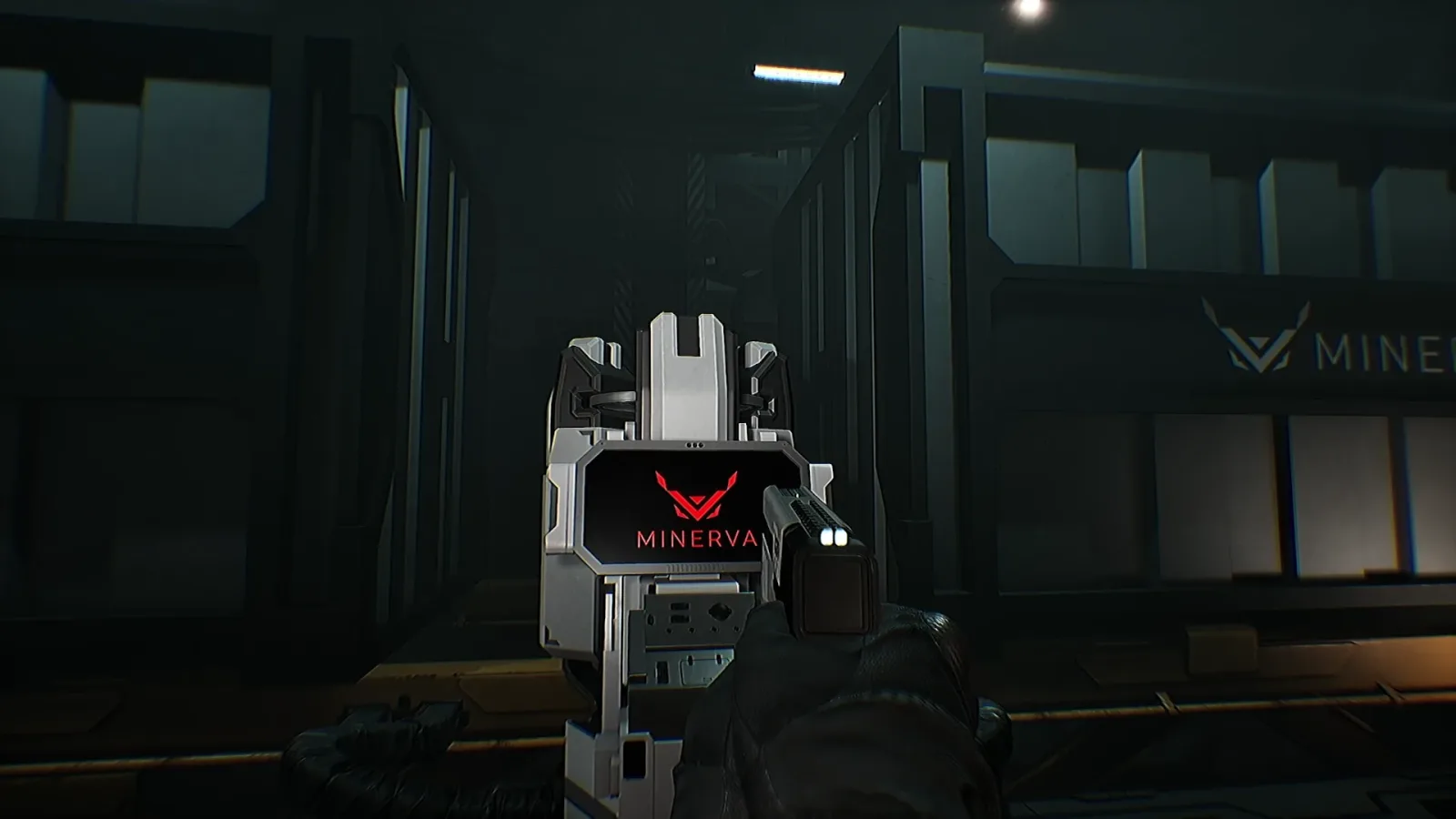
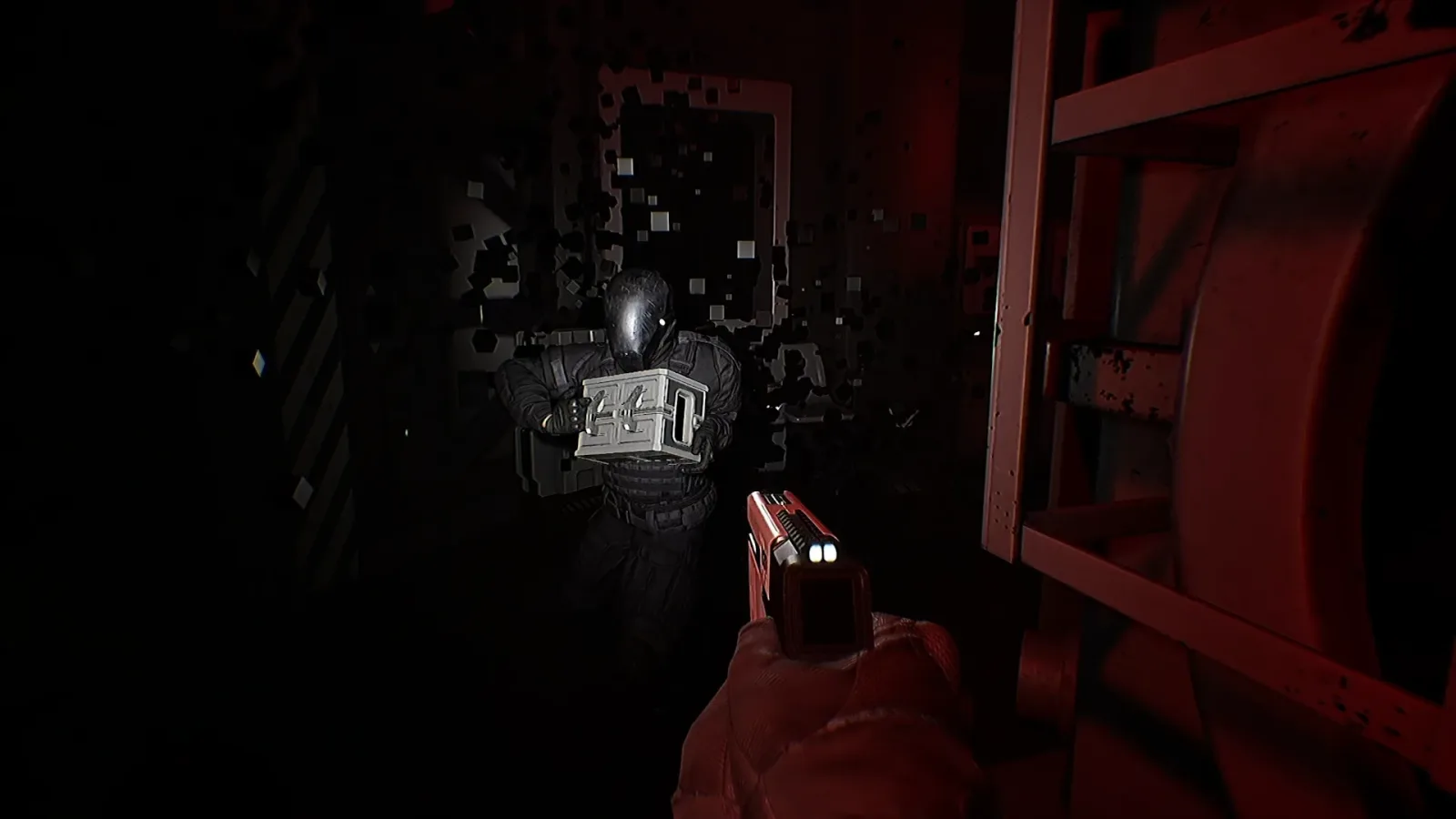
The central menace is Minerva, a rogue adaptive AI. Rather than serving as a static pursuer with a completely predictable routine, Minerva is presented as an intelligence that watches how players behave. It can learn favored hiding places and strategies, then alter its hunting patterns in response. The intended result is horror built around uncertainty: a method that worked during one encounter may not remain reliable once Minerva has observed it.
Adaptive threats are especially well suited to co-op horror because groups naturally establish habits. Teammates may repeatedly gather in the same room, retreat along familiar routes, or rely on a particular person to take the lead. CODE EXIT's Minerva is designed to turn those habits into potential vulnerabilities. Players will need to remain flexible rather than assuming any one plan will protect them indefinitely.
For another perspective on this story, read CODE EXIT Demo 2.0 Brings New Systems to Steam Ahead of Scream Fest V.
What changes in Demo 2.0
The Demo 2.0 update focuses on both onboarding and the moment-to-moment needs of co-op play. A new tutorial stage should provide a more direct introduction to CODE EXIT's core goals and mechanics. In a game combining survival-horror tension with a mission-based structure, a tutorial can be particularly valuable: players need to understand what they are trying to accomplish before the pressure of the hunt begins to build.
The updated UI is another practical change. Horror games often ask players to process danger, objectives, teammates and limited information at the same time. Interface refinements can make the experience more readable without removing the uncertainty that defines the genre. The demo also introduces customizable keyboard controls, allowing PC players to adjust inputs around their own preferences.
Multiplayer has received optimization work as well. Since CODE EXIT supports from one to four players, cooperative reliability is central to its design. The game's intensity scales with group size, so the experience is meant to shift whether someone enters Pantheon alone, with a small partner group, or with a full squad of four. More players can mean more hands available to address objectives, but they can also change the scale of the danger and the number of decisions a team must coordinate.
- New tutorial stage: Introduces the game's systems and mission structure.
- Refined UI: Updates the presentation of gameplay information.
- Customizable keyboard controls: Gives Steam players more input flexibility.
- Multiplayer optimizations: Improves the co-op foundation for teams of up to four.
- MiRO robot mechanic: Lets fallen teammates continue assisting surviving allies.
- Offline S.O.M.A system: Responds to nearby sound and player actions.
MiRO gives downed players a role in the mission
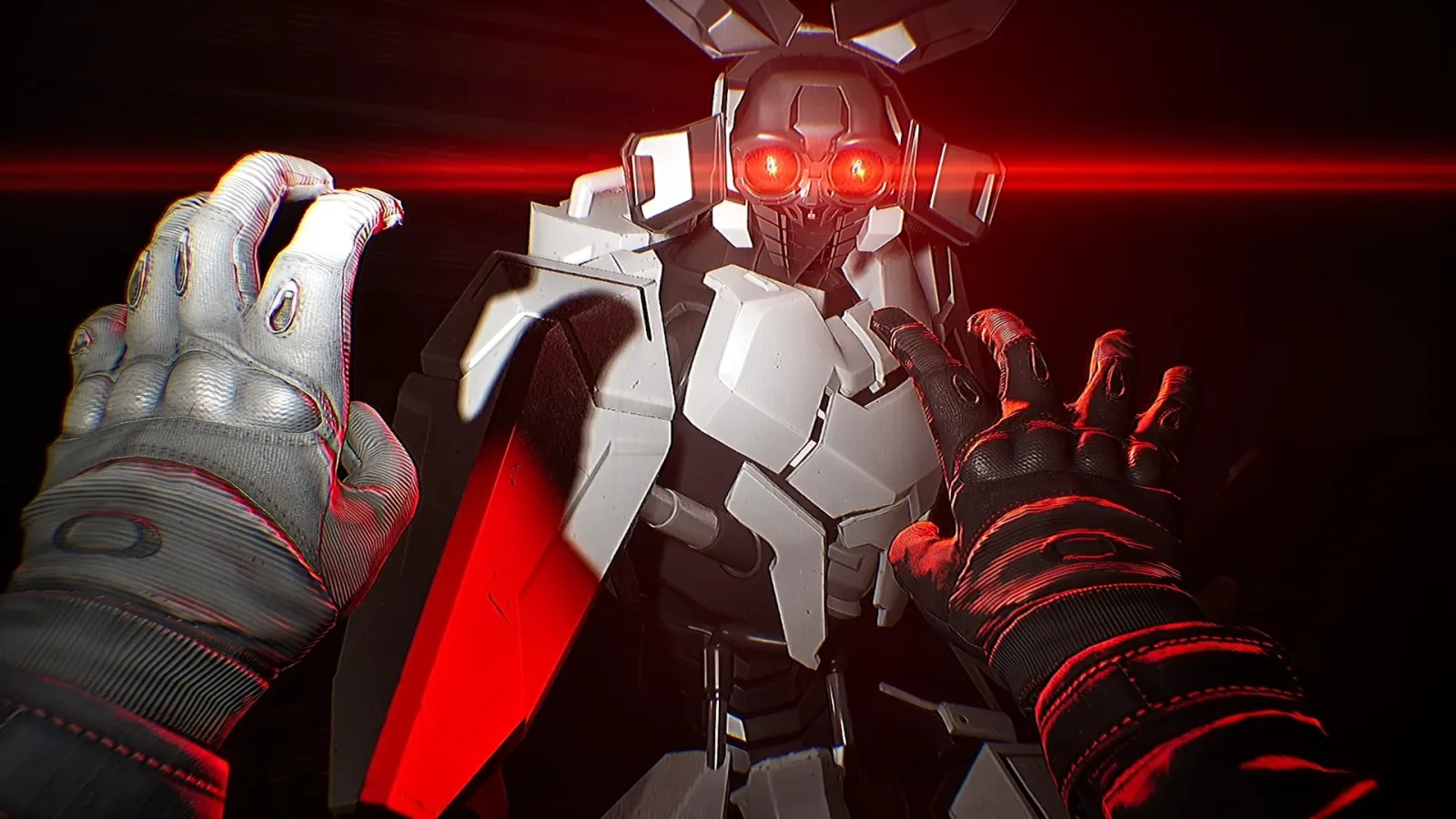
One of Demo 2.0's most distinctive additions is the MiRO robot mechanic. Under this system, teammates who have fallen are still able to support the allies who remain active. That approach can help prevent a difficult run from becoming an immediate period of inactivity for eliminated players, while also maintaining the sense that every loss matters.
In cooperative survival horror, the usual tension surrounding a fallen teammate is twofold. The active group has fewer people to complete its tasks, while the player who is downed may be left waiting for the round to conclude. MiRO is designed to preserve a measure of participation for that player. It also creates another variable for survivors to consider: a team may be depleted, but it is not necessarily without assistance.
The exact value of that support will depend on the situation and the group's decisions. What matters is the broader design direction: CODE EXIT treats a player's fall as a change in the team's capabilities rather than a complete removal from the mission. For a game where coordination is likely to be challenged by Minerva's evolving pursuit, any continuing contribution could become important.
Noise, actions, and the Offline S.O.M.A system
Demo 2.0 also adds the Offline S.O.M.A system, which activates in response to nearby noise and player actions. The system reinforces the game's emphasis on awareness and consequences. Players are not only navigating a ruined city and trying to meet objectives; they must also consider how their behavior may affect the threats around them.
The presence of a noise- and action-responsive system adds another layer to CODE EXIT's survival-horror identity. Players may have to think carefully about timing, proximity and the potential cost of activity in dangerous spaces. Combined with Minerva's ability to learn behavioral patterns, the system points toward an experience in which a successful team needs to pay attention not just to where it is going, but to how it gets there.
That does not mean every decision needs to be made slowly. Horror works best when careful planning can suddenly collide with a crisis. A team may enter an area with a controlled approach, only for an unexpected event, a nearby sound, or an urgent objective to force a faster response. CODE EXIT's systems appear positioned to make that tension a central part of each operation.
Solo survival or a scalable co-op challenge
CODE EXIT supports both solo play and co-op for up to four people. The scalable intensity tied to party size means the game is not simply offering co-op as an optional convenience. Group composition is part of the challenge itself. A lone Hermes operative will confront Pantheon without the immediate backup of allies, while a larger group must manage communication, positioning and the possibility that its collective habits will become visible to Minerva.
For solo players, the appeal may lie in the focused pressure of being the only person responsible for objectives and survival. For squads, the draw is likely to be the tension of trying to function as a unit when the environment, the Offline S.O.M.A system and an adaptive hunter can disrupt familiar routines. The MiRO feature further distinguishes team play by giving a fallen participant a continuing purpose.
The new demo is therefore more than a small preview update. It is the current opportunity to test how CODE EXIT's major ideas work together: objective-driven exploration, a hostile sci-fi setting, an AI antagonist that adapts to player behavior, and co-op systems that aim to keep the entire group invested in a run.
Steam players can try the updated demo now
CODE EXIT Demo 2.0 is available now on Steam. Players interested in sci-fi horror can use it to sample Pantheon, take on the role of a Hermes operative, and see how they respond when Minerva begins turning learned behavior against them.
With Steam Scream Fest V approaching on October 26, the updated demo gives Phase 8 Studio a chance to present the game after its global playtest while giving players an early look at its revised onboarding, control options, co-op improvements and new survival systems. Whether entering alone or assembling a four-person team, the key challenge remains the same: complete the work inside Pantheon and find a way to get out alive.
Community
Discussion
Start the conversation.
No comments have been posted yet.